
Dadi’s Everyday Tour
My grandmother was a deeply religious woman. With her small, slender frame draped in a white saree and a chandan tika on her forehead, she moved through the narrow lanes of our Mohallah with a pace that always seemed hurried and yet unhurried. Every morning at seven, she would pick up her puja basket and announce that she was leaving for the temple.
We children knew that this daily round of Dadi was more than just prayer. It was a ritual that took her through the lives of the entire neighbourhood — stopping under the peepal tree, exchanging a few words with familiar faces, and quietly checking on the many people who, in one way or another, were a part of her world.
Dadi was a fierce woman and a quiet benefactor to many in the Mohallah whenever they were in need. People feared her temper, but everyone respected her.
The Mohallah as a Shared Life
The Mohallah was where we prayed at the temple, played in the aangan outside our homes, and celebrated festivals in its narrow lanes—among people who laughed, chatted, and, at times, mourned together.
After completing her daily rituals at the temple, Dadi would linger for a while, asking the pujari about his daughter’s marriage or someone’s son finding a job, while we waited nearby for our share of prasad.
It was here, near the temple, that people sat beneath the peepal tree, chatting—and where I first heard about Skylab.
The year was 1979, and I was a small child. I was both amused and frightened by the conversations about doomsday. Everyone assumed that the lab would fall somewhere nearby and destroy everything. It was hilarious in hindsight—the way everyone was eating their favourite food and their favourite sweets – thinking it was their last.
The Skylab fell somewhere in the ocean giving all another day for gossip and chatting!
The Longer Route Through Lives
My Dadi would deliberately take a longer route through the lanes of the Mohallah while coming back.
She had her own set of people she enquired about almost every day.
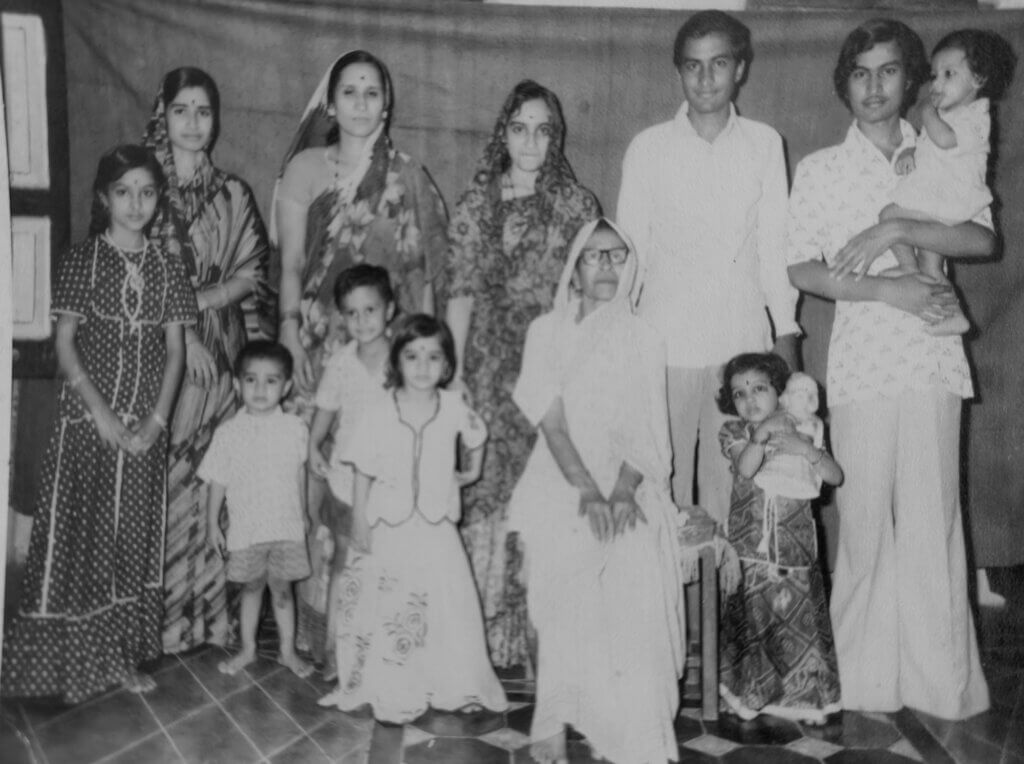
There was this Andhi kaki, who was not blind, a stout woman living with her sons. She was a widow and sold milk. My grandma would enquire about her cows and buffaloes and she always held her dignity while talking to my grandma.
Mohinibai, a soft, plump lady lived alone on the first floor, and always patted us with affection when we stopped by.
There was this family who sold chana- futana and cylindrical fryums and would warmly welcome us. Every time we accompanied our grandma, we would be eyeing their khomcha, hoping for the fryums. Of course, the lady would offer them every time. And every time we would decline – after grandma cast her angry eyes toward us.
Faith, Doubt, and Quiet Observations
An old pair of siblings, Gopi Bai and Nandu, had a sthan – place of the goddess – in their home. The inside of the house was dark and a little creepy, and there was the smell of incense burning all the time. We would hesitate to go inside.
Dadi, though religious, never believed in jadu, tona or any superstition. Her expression usually showed her disdain for such things. Yet here she would bow before the goddess with all modesty and make us do the same.
Another old couple—Kakaji and Kaki, as we called them at home—lived in a small tenement behind our house. They were so much a part of our daily routine that it never felt as if they lived separately. Kaki was a diminutive figure, thin and frail, and always seemed a little afraid of my Dadi. Yet she was forever just a call away—whenever a cook was needed, when a child was sick, or when my Dadi wanted company while making baati for her diyas.
Kakaji, a pujari, was there at our home for every festival and pooja. They both adored my younger brother as if he were their own grandson. Their daughters—married, cheerful and chirpy whenever they visited—were like part of our extended family.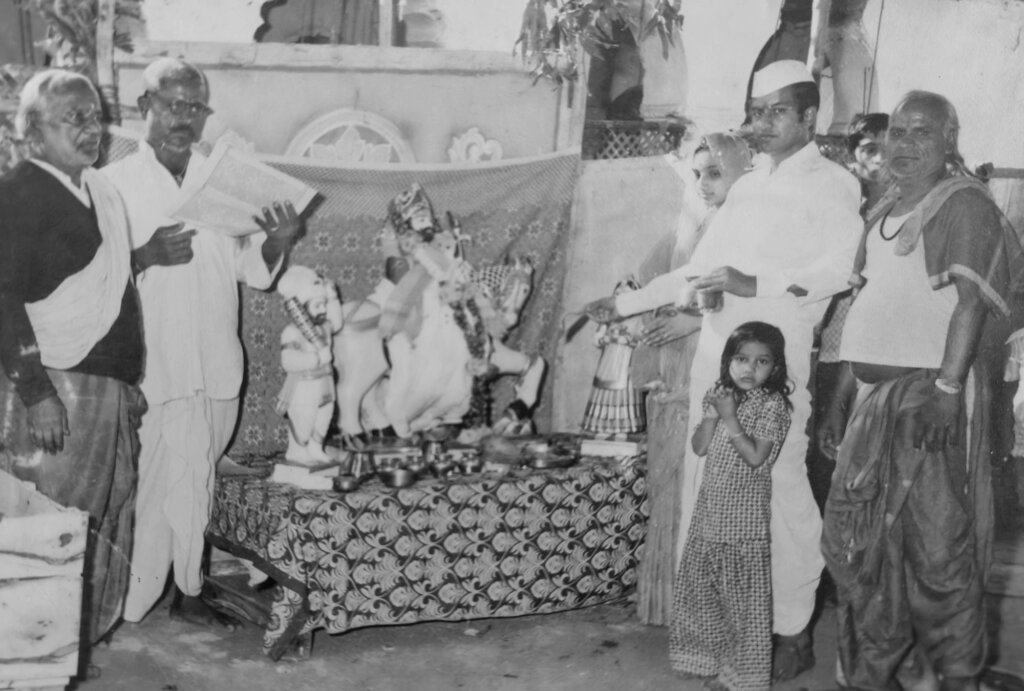
A Quiet Education of Belonging
Most of these people received scoldings regularly from Dadi. She was a hot-tempered lady, was easily annoyed, and never hid her displeasure. But beneath the surface she was a caring woman who would always help the needy and never talk about it later.
Sometimes she would even scold these people for not asking for help!
Watching and being with these people was how we grew up. It was simply embedded in the way we lived. These people cared deeply for everyone in the community and were always available when needed most. Even a sneeze in a house would bring people around to enquire.
The community in that old Mohallah still remains somewhat the same. But outside it, the world has grown more fragmented.
We did not know it then, but growing up among these people — who lived gratefully and with dignity despite having very little — was its own quiet education in empathy and belonging.
We never thought much about it then.
A forgotten way of life
And the other day, while talking to my daughter about my childhood, I found myself trying to describe Pisa Maushi — the anger, the waiting, the sweets pressed into my hand before the kadipatha was given. My daughter laughed. Then she asked, quite simply, do people like that still exist?
I did not answer immediately.
I thought of Dadi moving through those lanes of the Mohallah — unhurried in her hurry, scolding people she cared for, bowing before a goddess she half-believed in. I thought of Badu Bai singing in her hoarse voice with no one to help her and needing no one to. I thought of a small child eating sweets she had not asked for, in a house she had come to only for curry leaves.
My daughter is growing up in a world that gives her everything faster than I ever could and can connect her to anyone in an instant.
Yet I often wonder if it can give her the quiet warmth we once took so much for granted


What a vivid description… layered with fine nuances and a touch of subtle wit ♥️
It is true – we embibied so much in our childhood – not through formal teaching but everyday demonstration of how social fabric is woven to last, through threads of empathy.
This fabric is now thinning… to being delicate… lustrous in appearance but unable to hold itself or give any warmth/comfort..
It is not surprising that loneliness is becoming an epidemic
That is so true Nidhi. Thanks for the comment.