
God’s Own Country
‘God’s Own Country’-this is how Kerala- now Keralam- describes itself, and this is exactly how it felt when I first visited it in the year 2001.
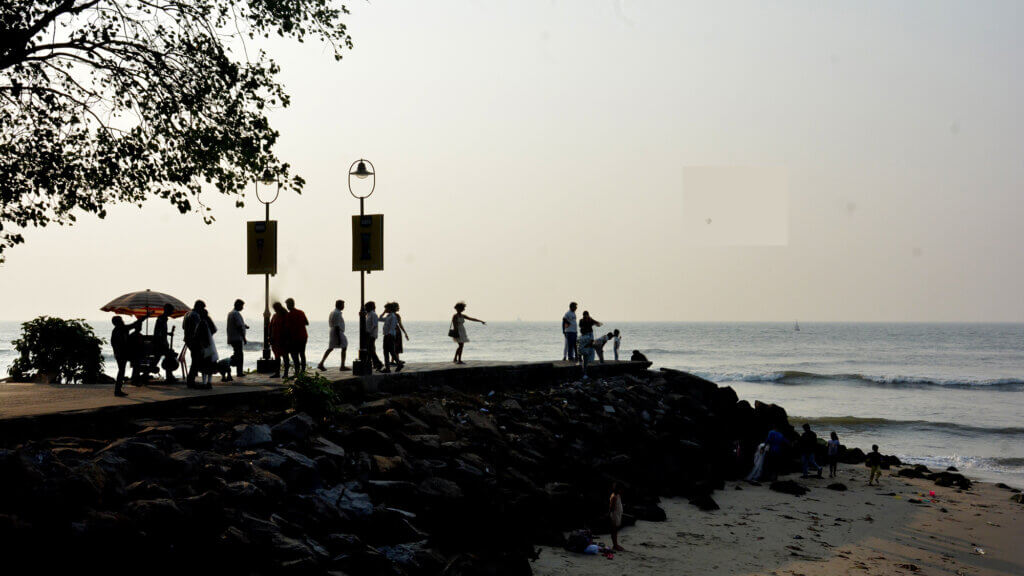
Lush greenery along the roads, the beaches of Kovalam ,the backwaters of Alleppey, the undulating tea estates of Munnar—its own hill station, the elephants in the jungles of Periyar, the lakes itself. This along with ancient temples of Trivandrum and other places with equally ancient rituals, the spice gardens, dense coconut groves, Ayurvedic massages, a landscape dotted with water, vegetation and small private houses. Kerala draws you in. It draws you in deeply.
In the last 25 years, I have revisited Kerala four times, and each visit was rewarded with a new facet of this ancient land. The people of Kerala are equally warm and welcoming, making each visit so much more memorable.
In all these visits, one place I had touched but never explored was Kochi, and it remained on my wish list for a long time. So when an opportunity presented itself to visit Kochi for the Kochi-Muziris Biennale, I was more than eager to explore this ancient port city on the coast of the Arabian Sea.
Kochi: The Port Born of a Flood
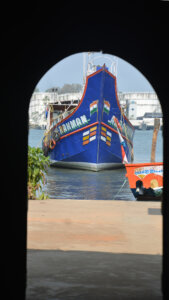 Kochi became an important port in the early 14th century, when a mighty flood on the Periyar River destroyed the other ancient port of Muziris—a place from which trade extended to Romans, Arabs, and Jews.
Kochi was one of the first ports on the Arabian Sea where Europeans, including the famous Vasco da Gama, arrived directly by sea route for trade, put up their factories and eventually established settlement by taking over the land.
Fort Kochi – the European settlement, and Mattancherry-its Indian counterpart since saw many rulers. Starting with the Portuguese in the 1500s, then the Dutch with local allies in 1668, then Mysore, the British, and finally the Government of India. In the meantime, it developed that special character which makes port towns so vibrant.
I have been privileged to visit quite a few such port cities— Fort area in Mumbai, Pondicherry near Tamil Nadu, Old Goa on the Konkan coast, Diu near Gujrat ,Korlai near Alibaug .Each one has its own character and unique layers to uncover. I was excited to uncover the layers Kochi had to offer
Fort Kochi: European Order, Indian Soul
We landed at the fully solar-powered Kochi Airport in the late afternoon. Most airports we visit are contemporary glass-and-steel structures with a globalised style and language. This particular airport, though, embraces the vernacular. With wood, stone, and tiled roofs the airport announces its pride in the soil and culture it stands on.
 By the time we reached our homestay at Fort Kochi, it was night, and we retired soon to our bed chambers.
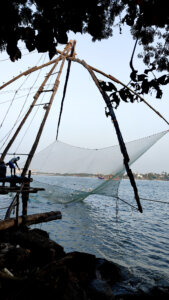
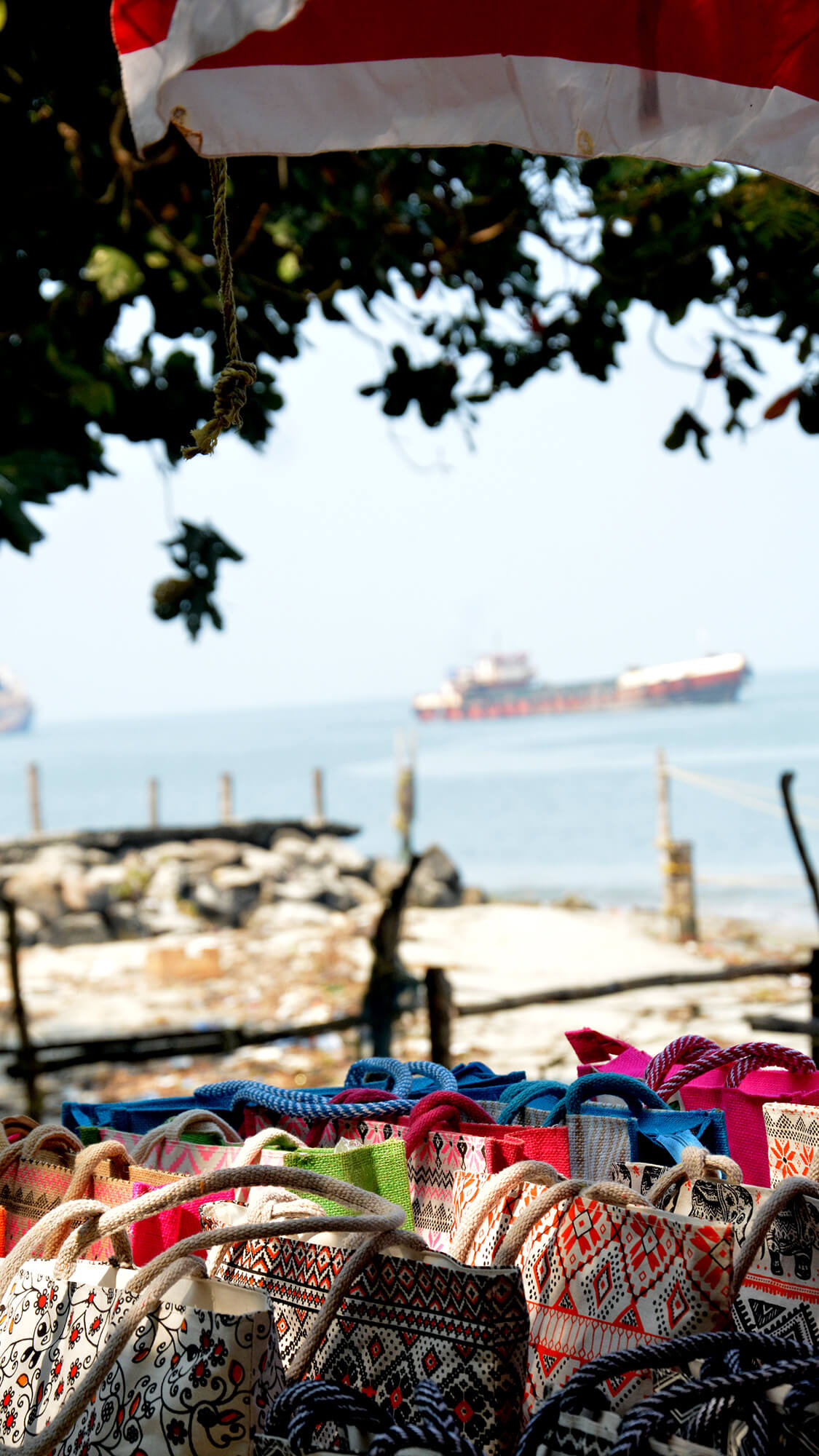
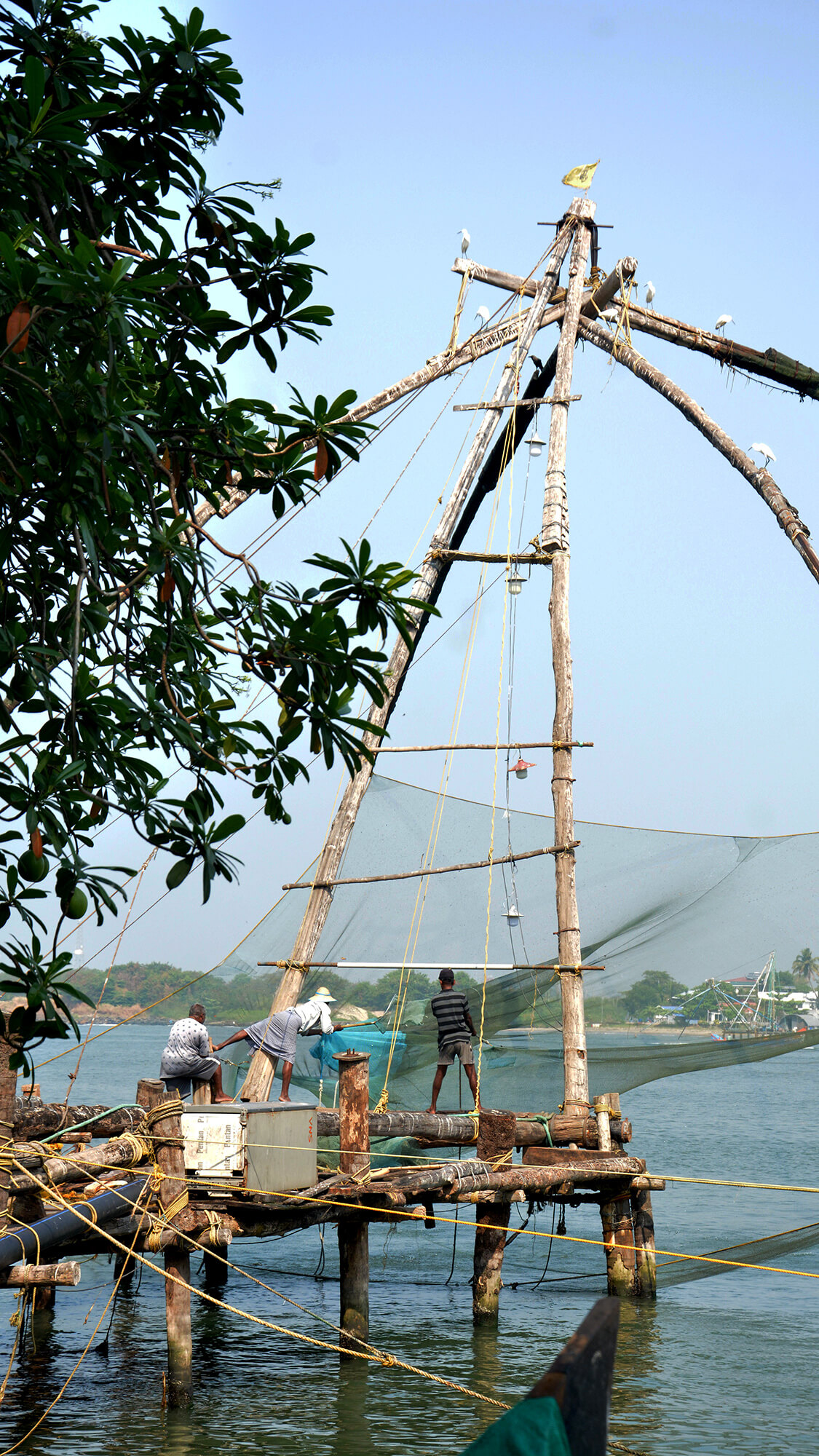
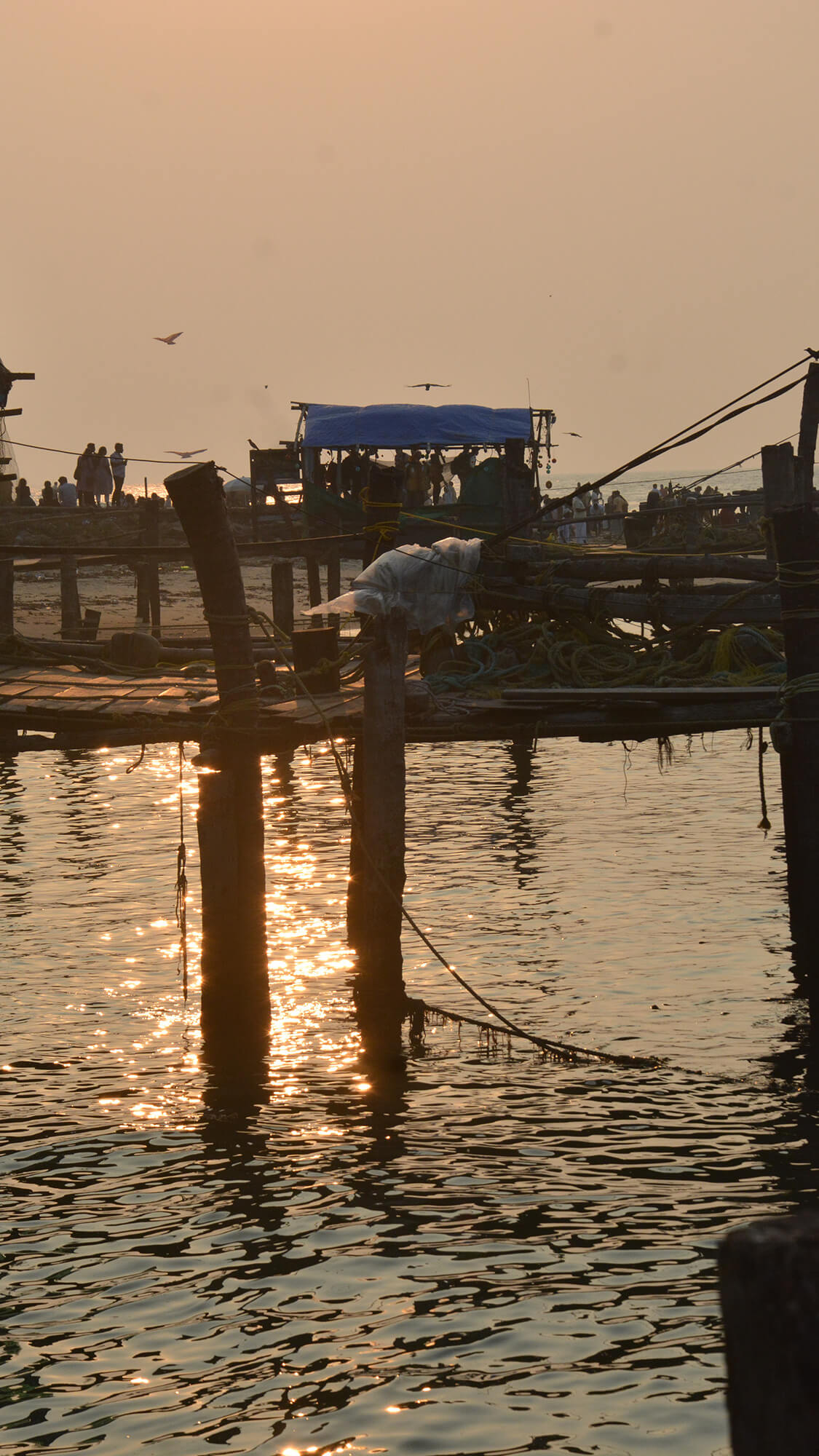
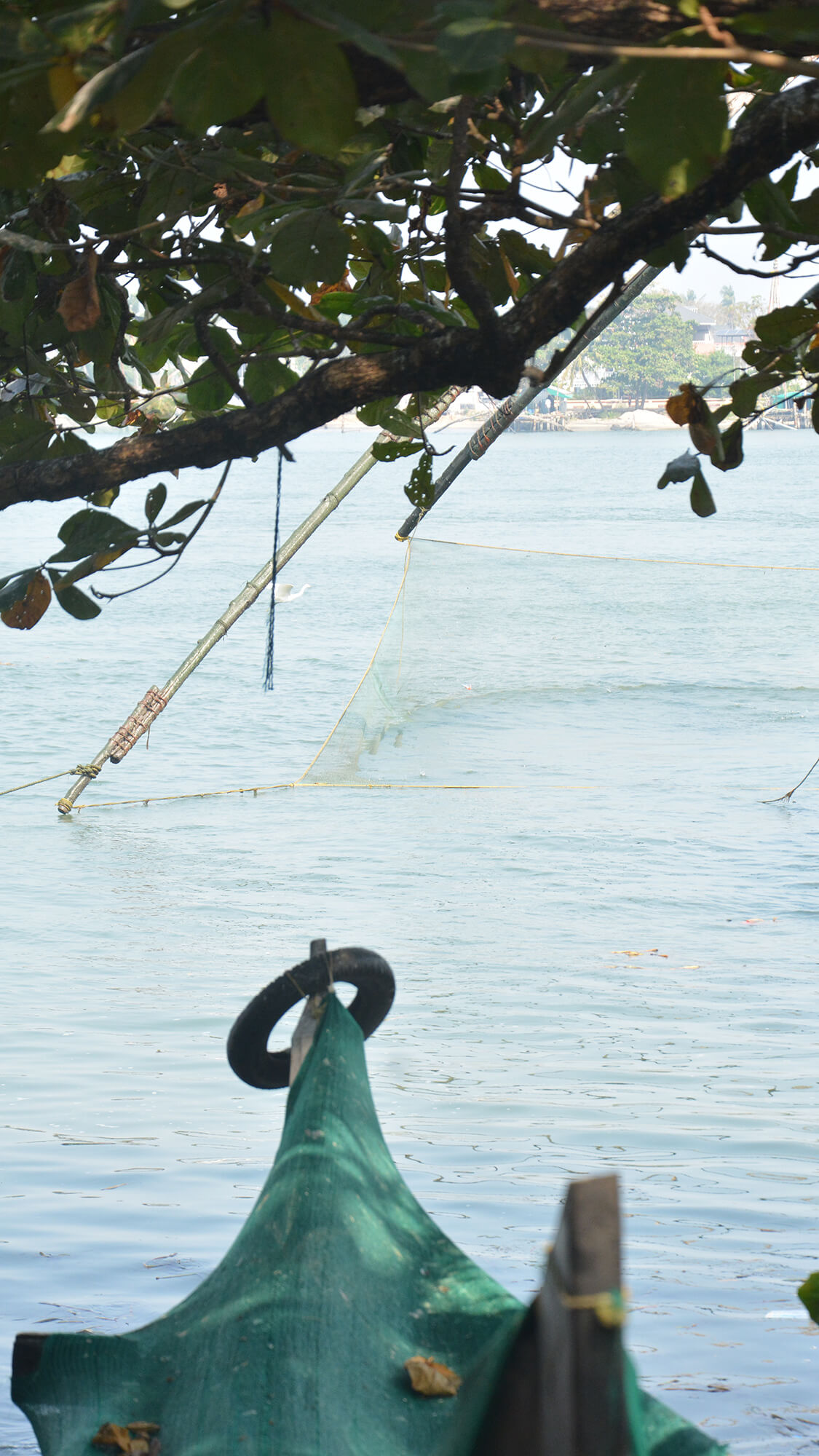
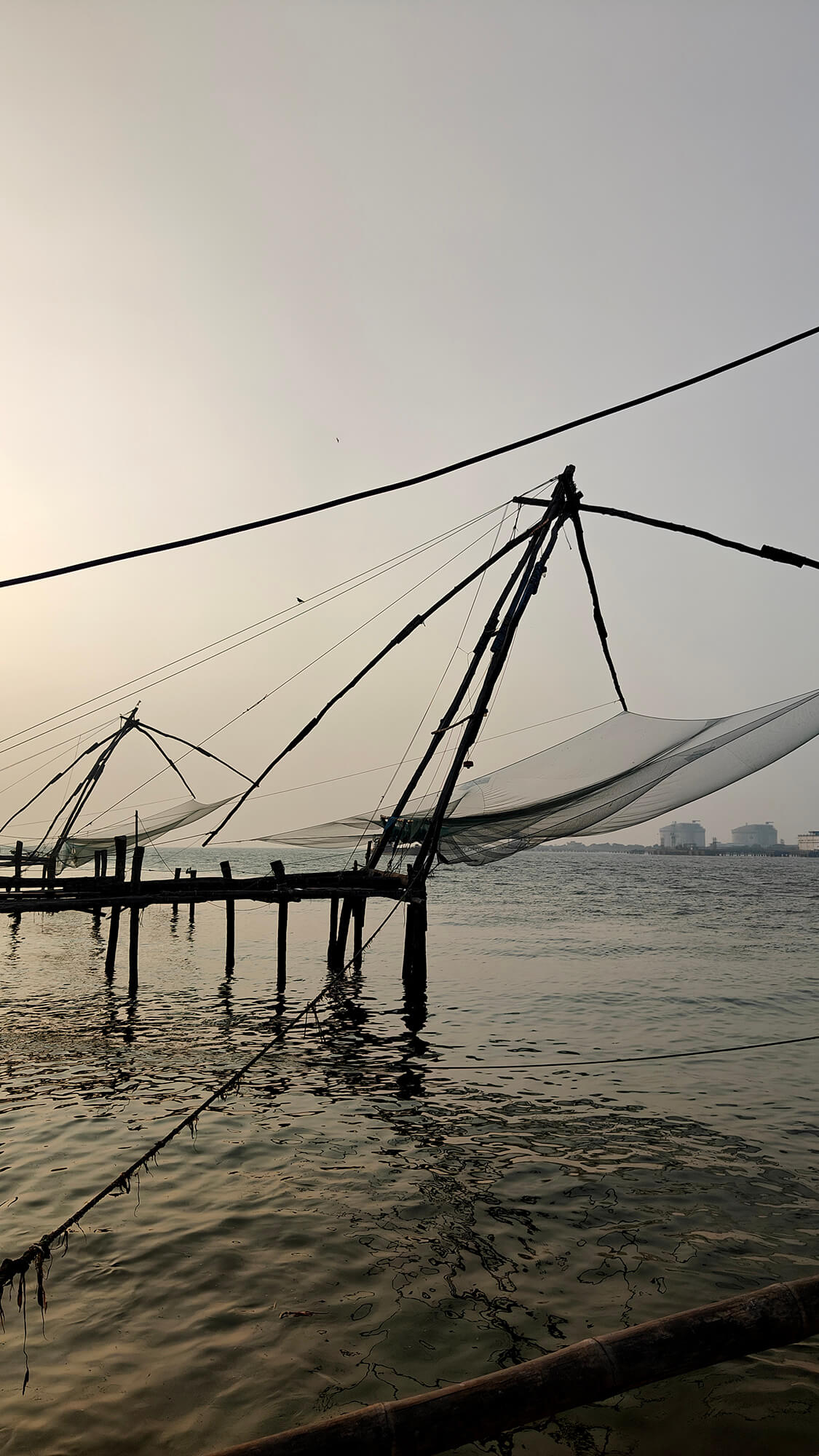
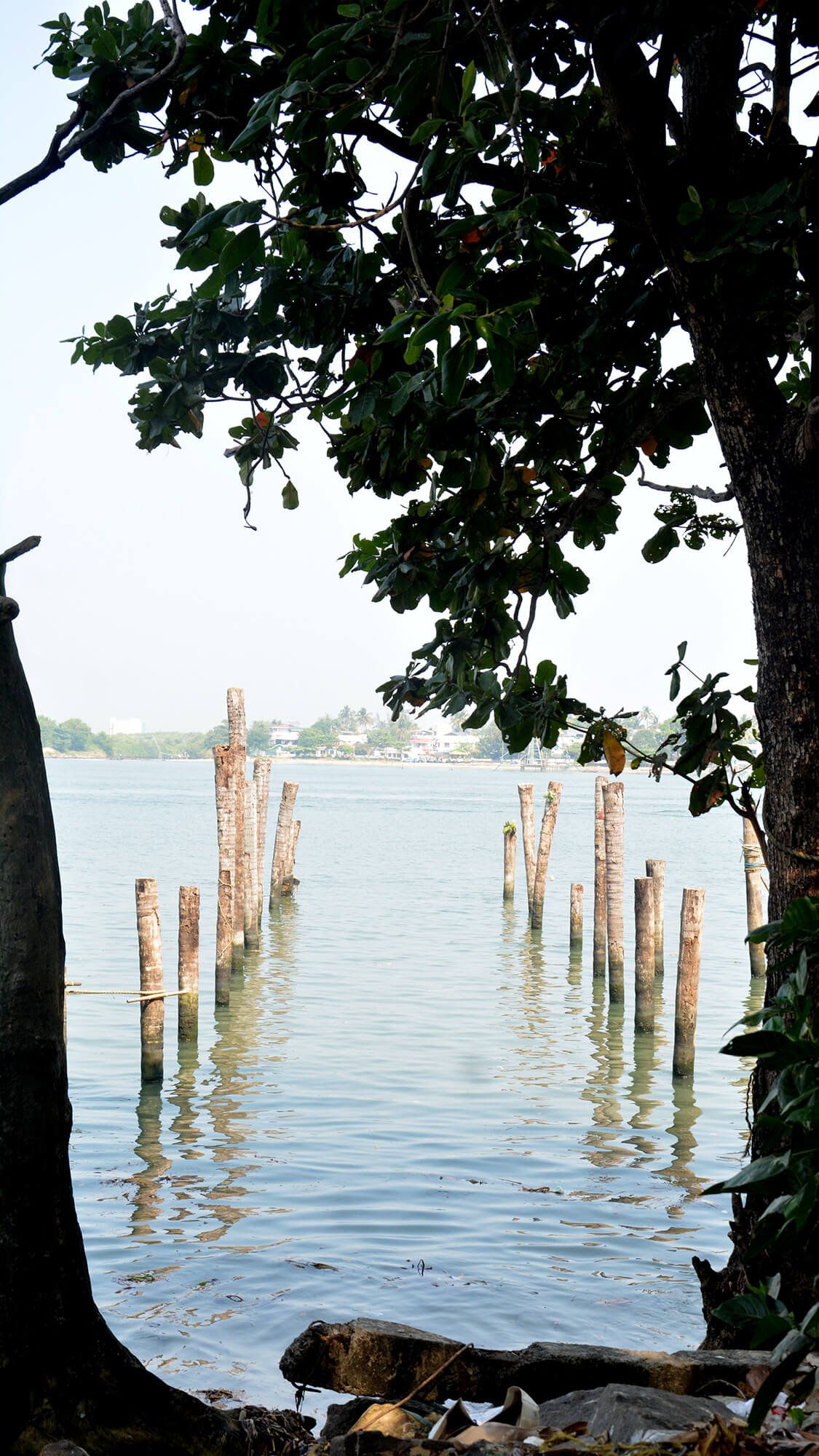
Fresh, excited, and ready to explore the town of Fort Kochi the next day, we started with an early morning walk. This led us to the banks of the backwaters in the north. This is where the fishermen were busy with a series of Chinese fishing nets. It was delightful to watch these huge bamboo-and-net structures being lowered into the water and pulled back with the help of ropes, catching that early fish.
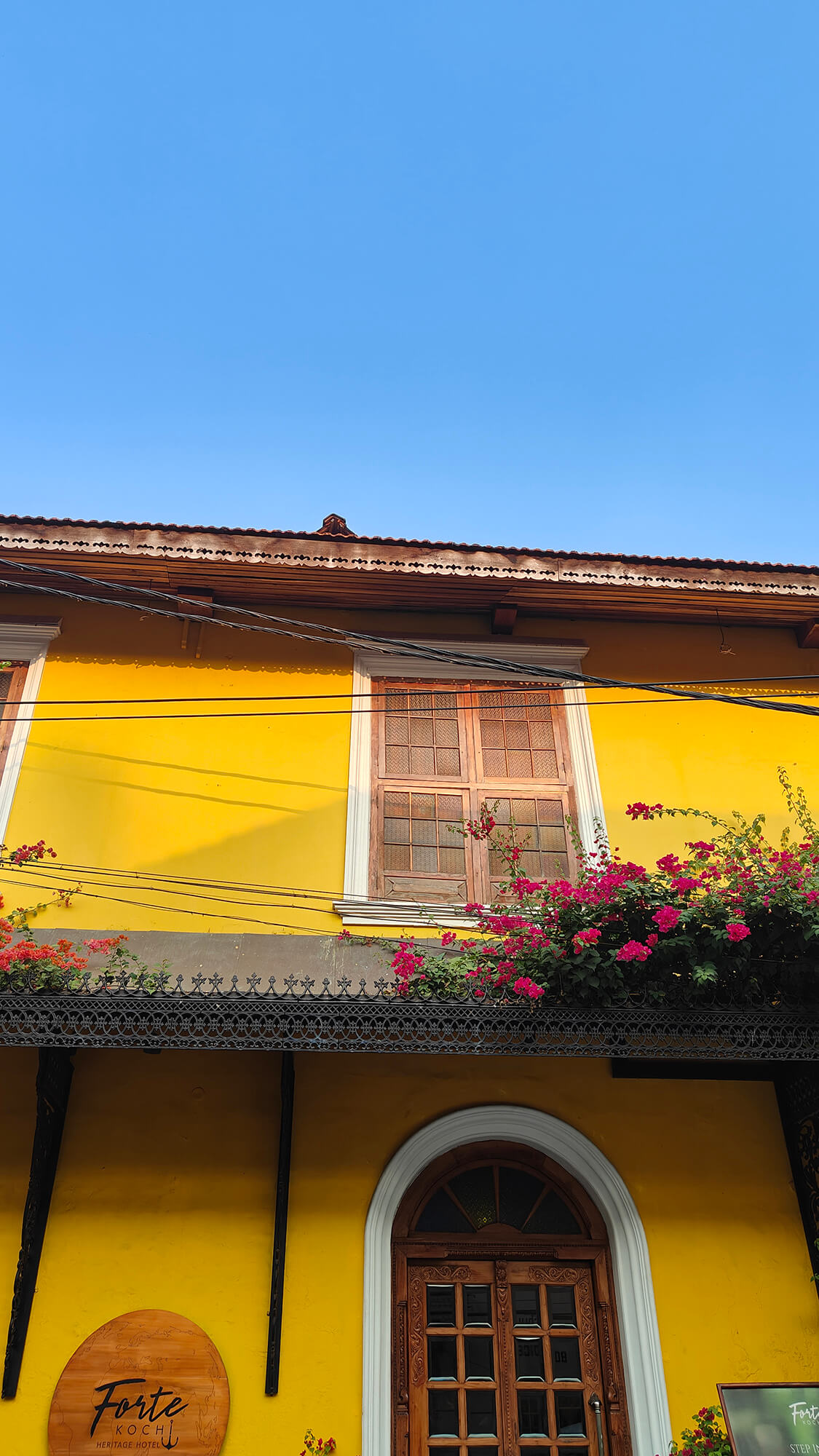
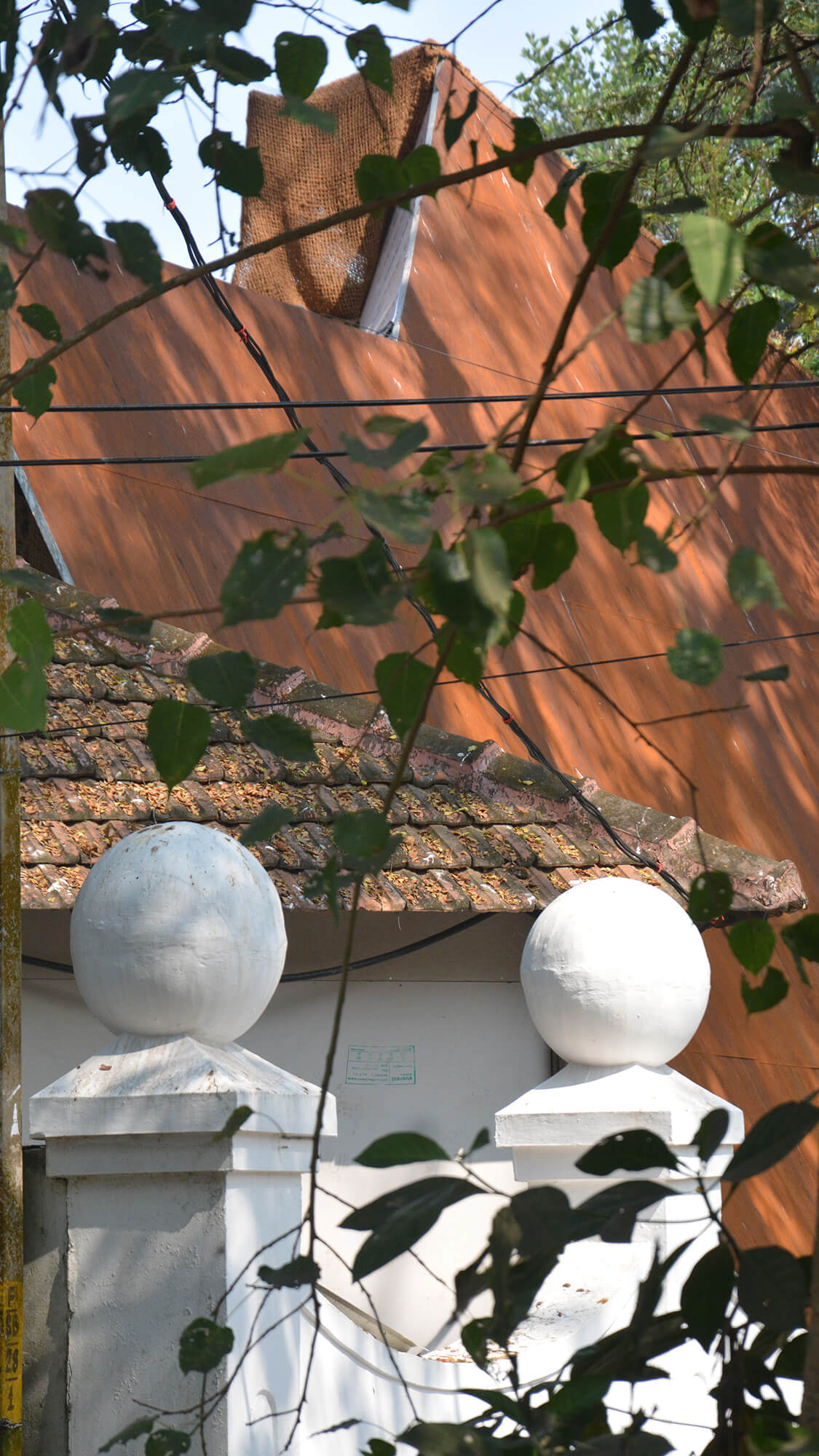
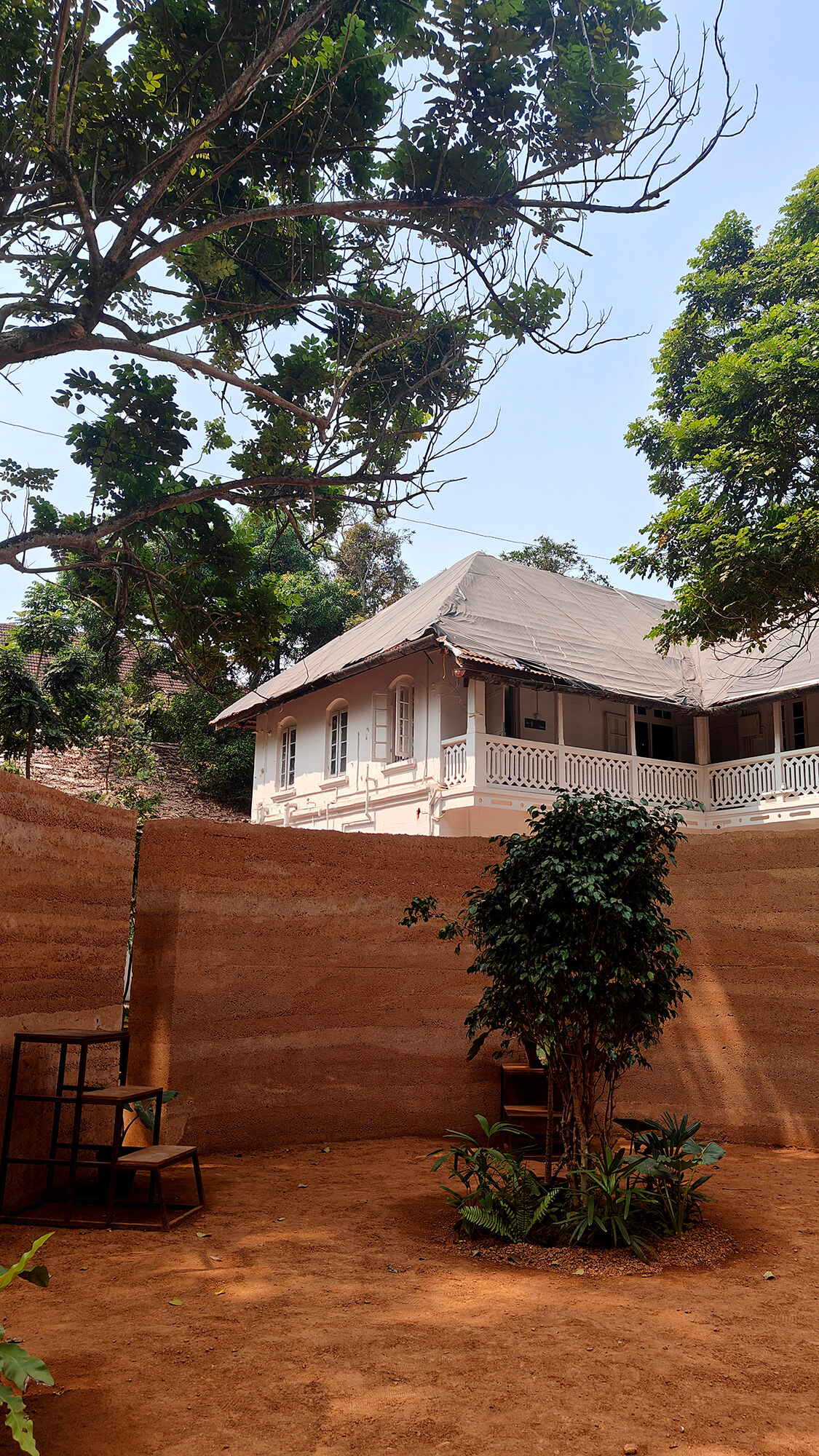
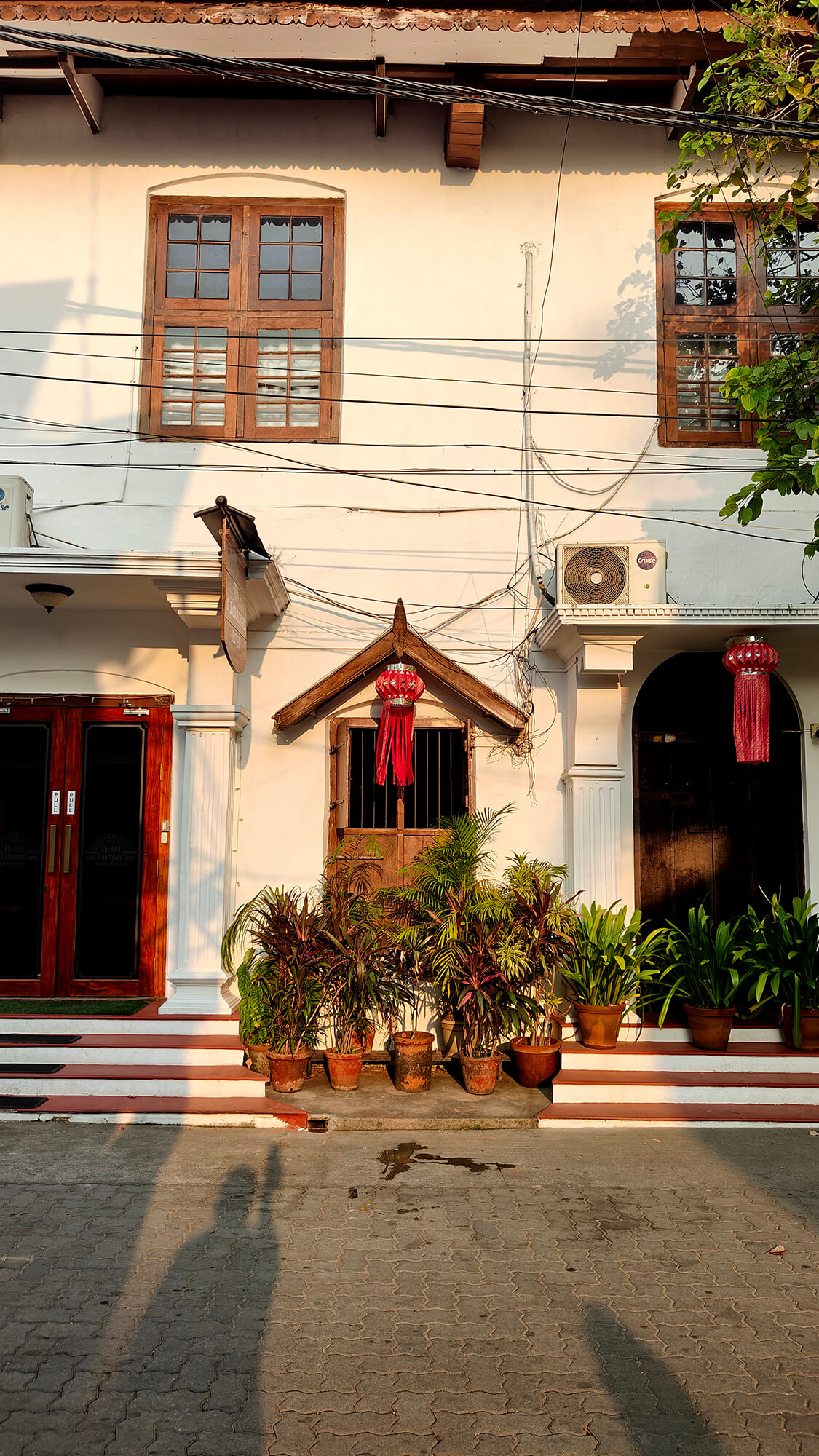
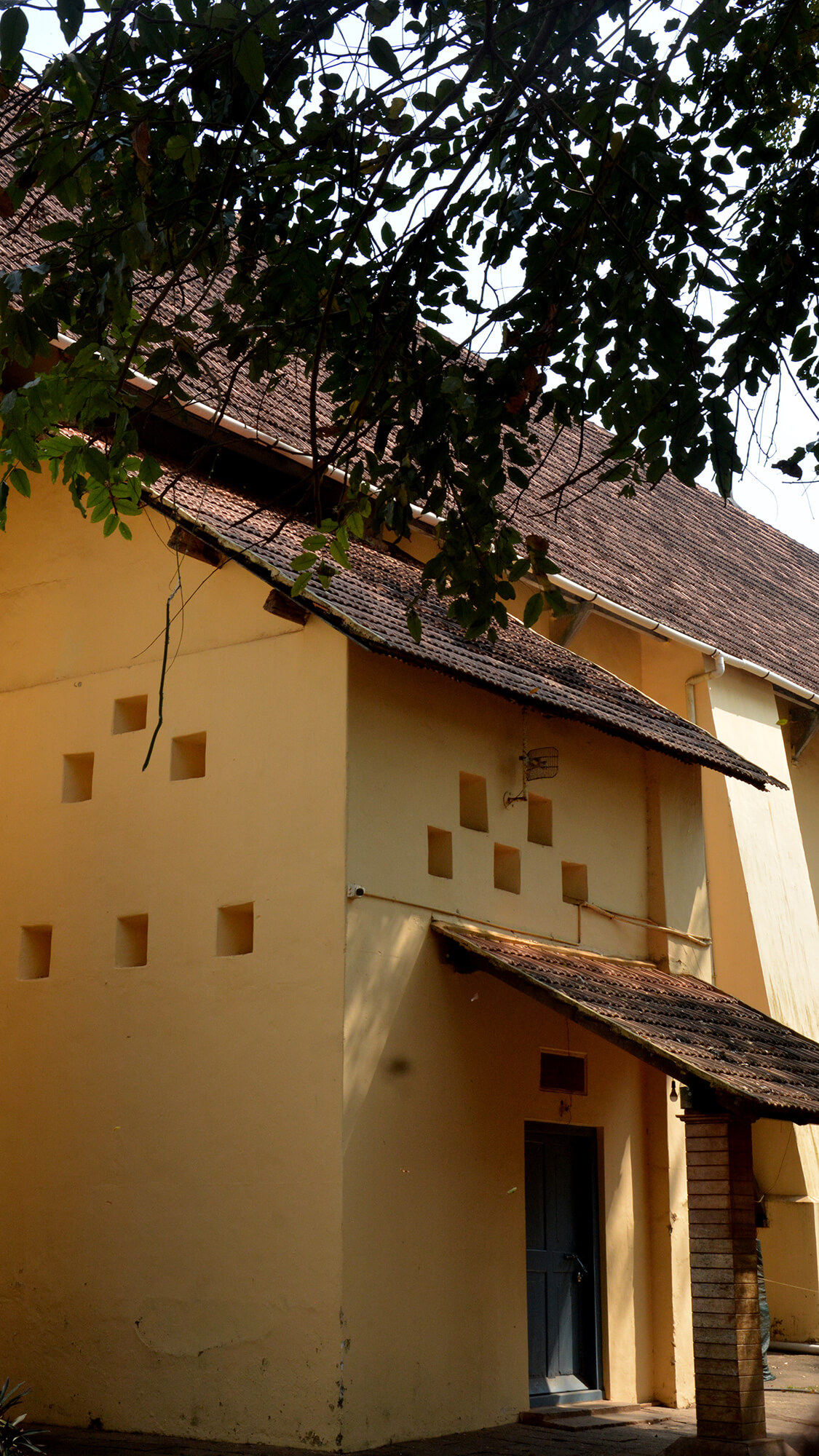
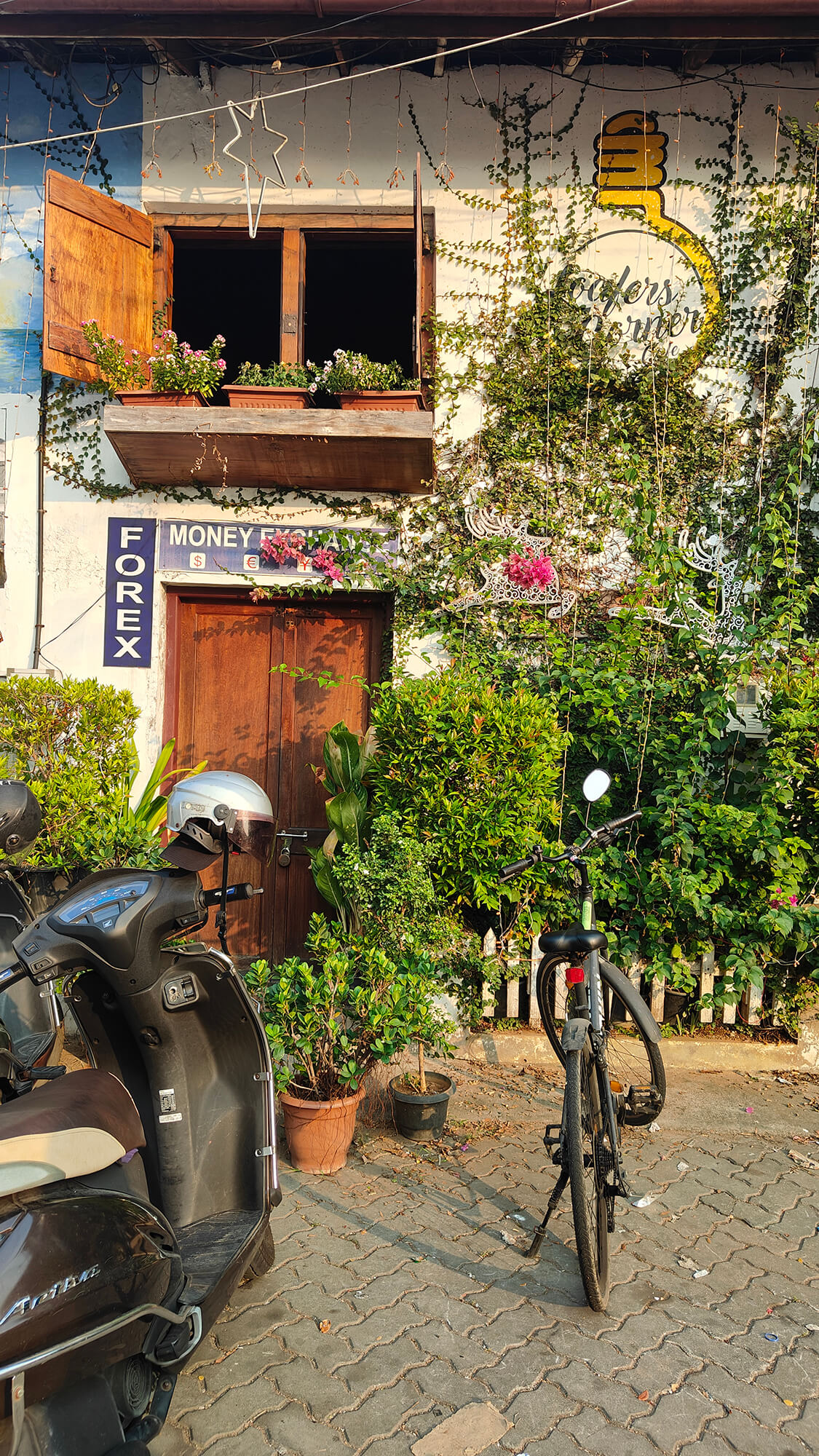
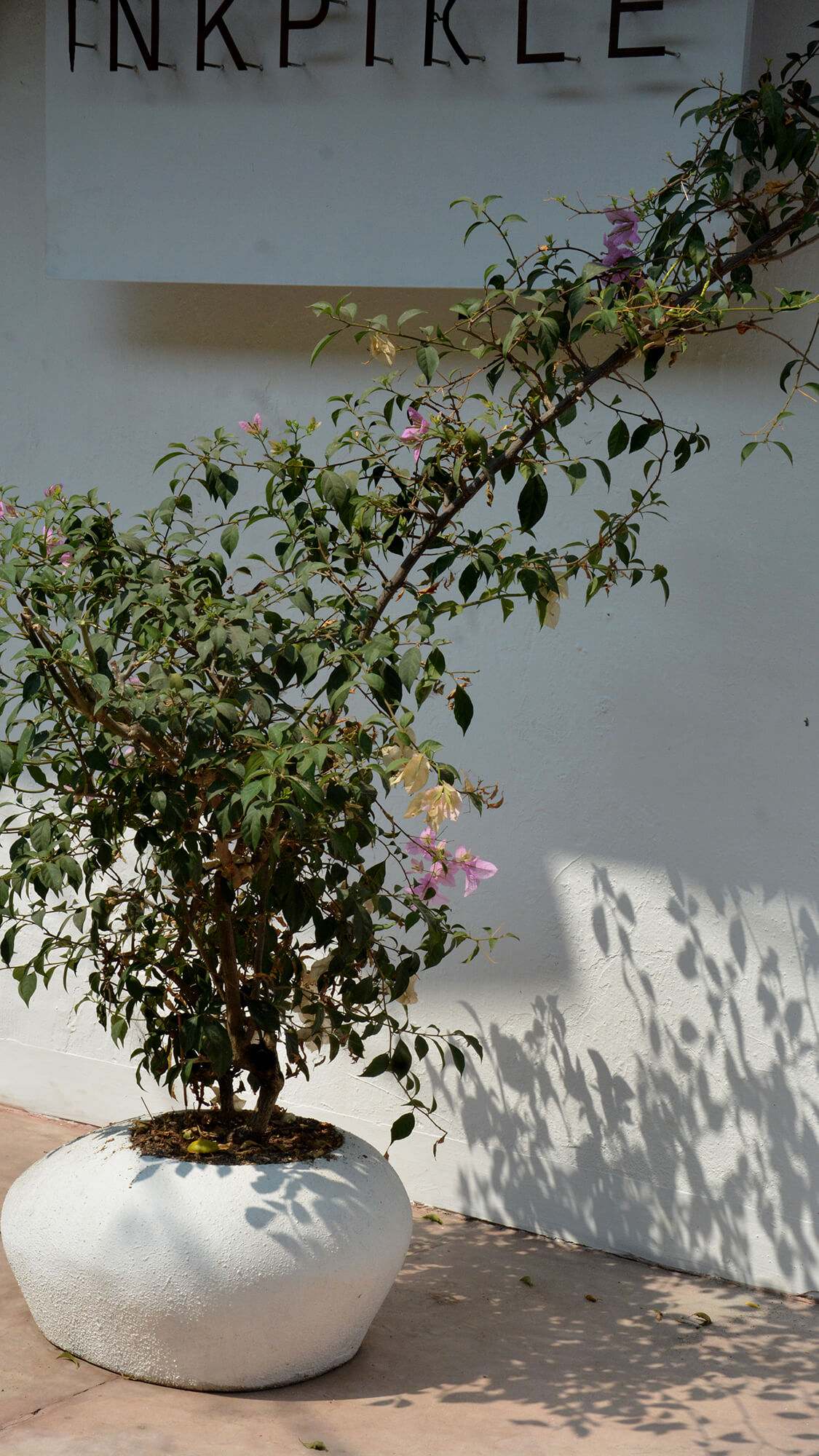
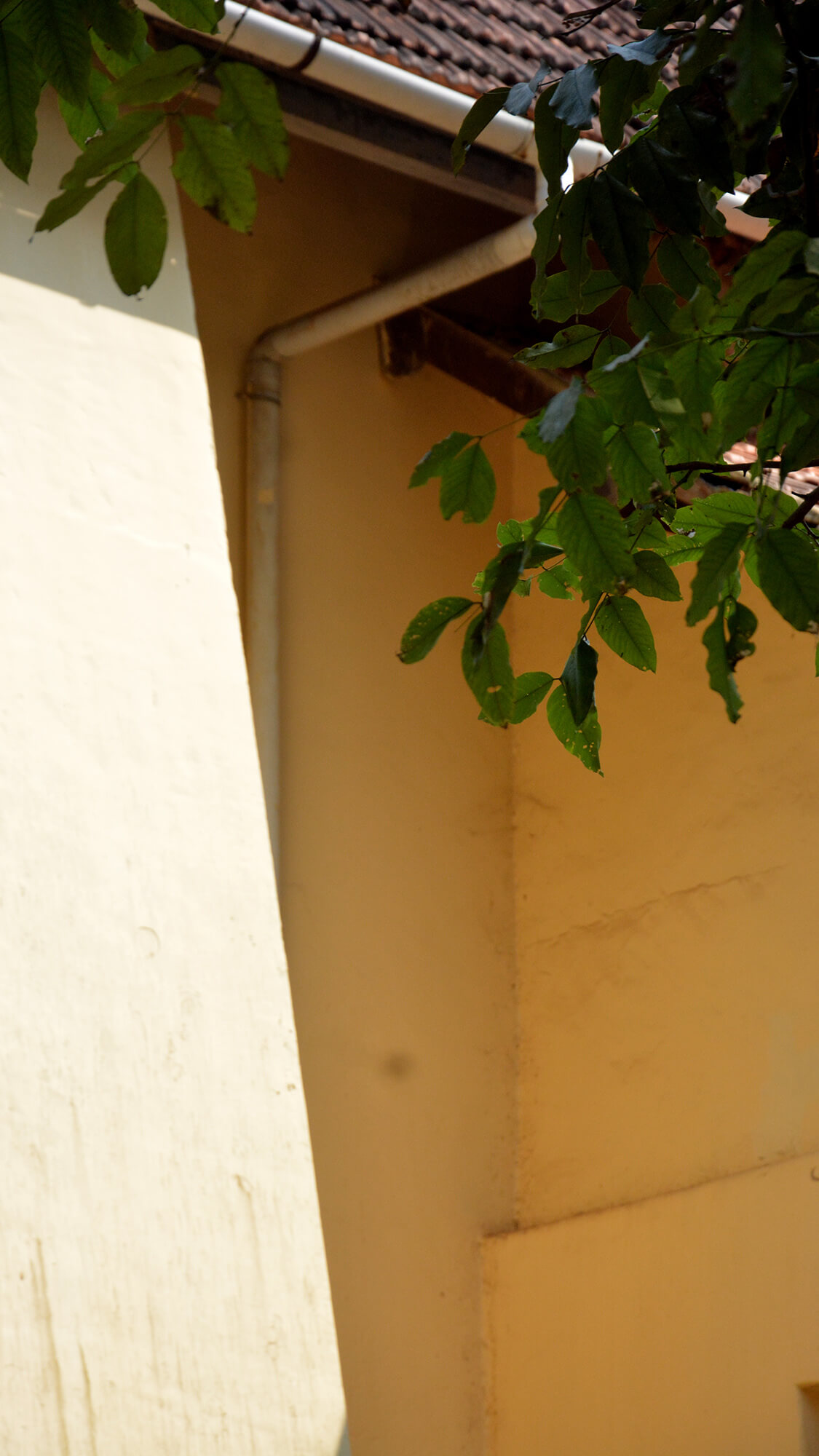
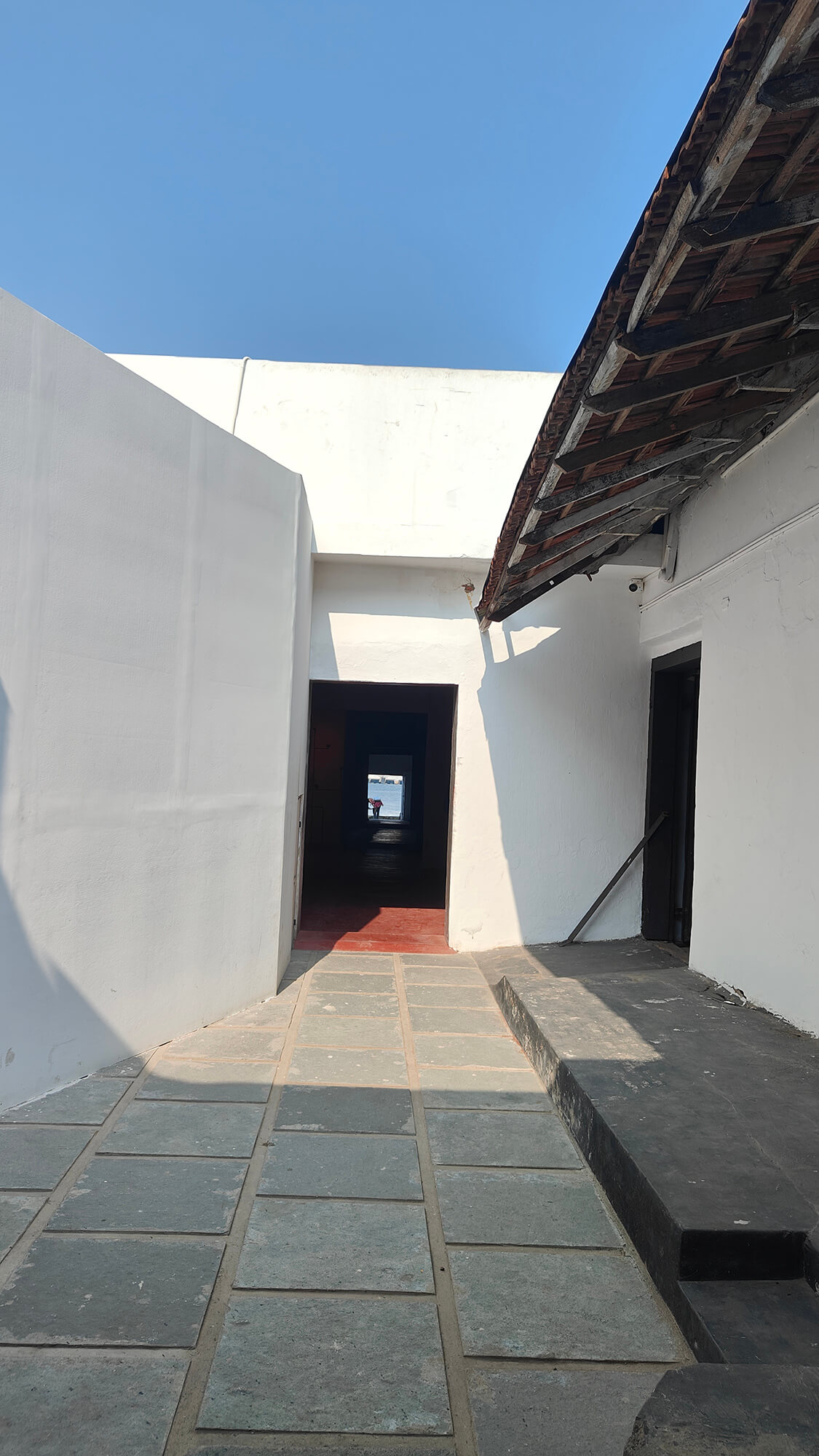
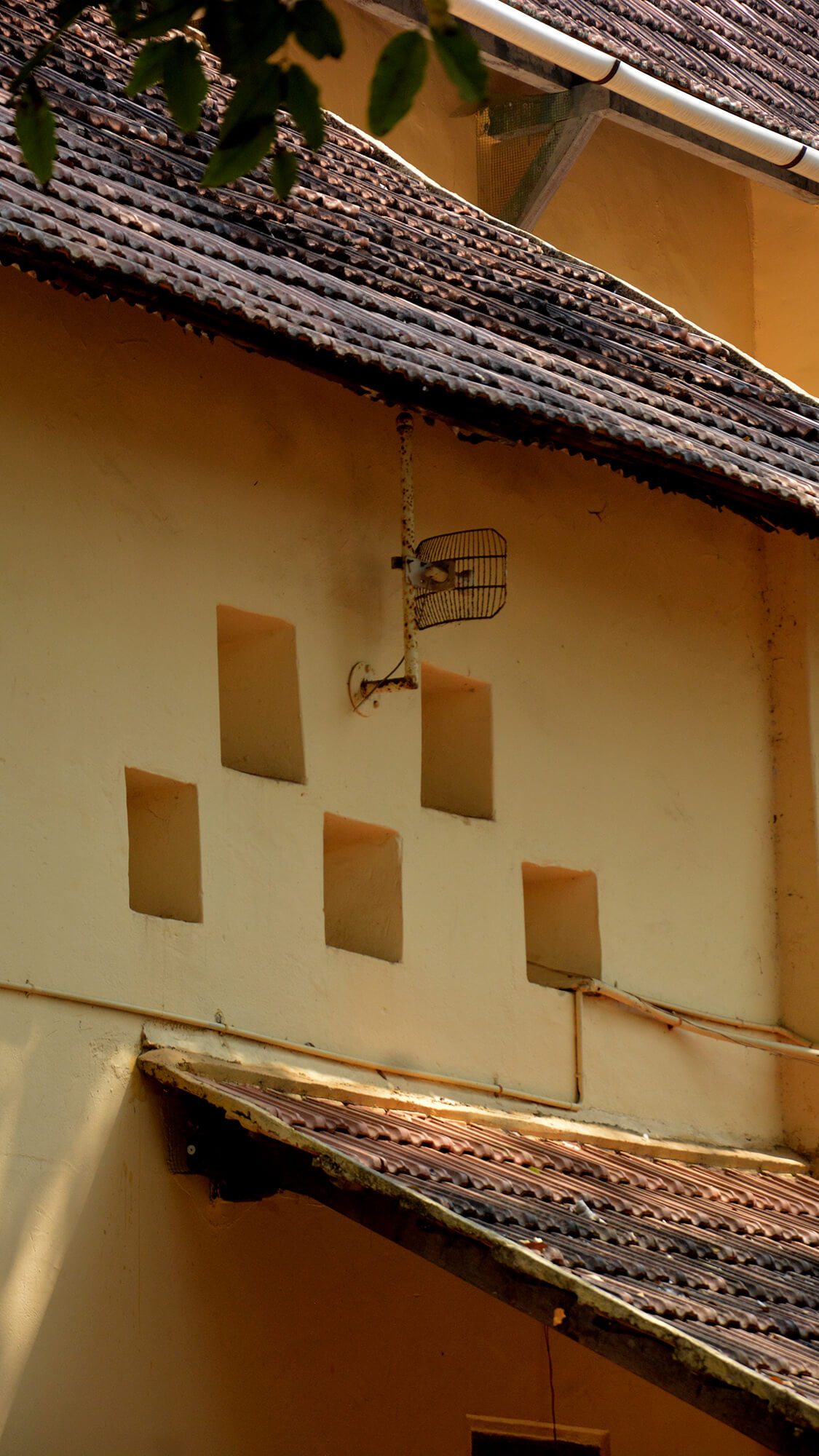
We roamed around the streets of Fort Kochi in the morning breeze,quiet streets and fresh sun. Here the cobbled stone streets are lined with beautiful vernacular Buildings.These are laid in a grid- giving that distinct European-port-meets-Indian-vernacular vibe. Most of these buildings, once homes to people, are now shops, cafés, and boutique hotels. The deserted morning streets gave us the best time to click some pictures.
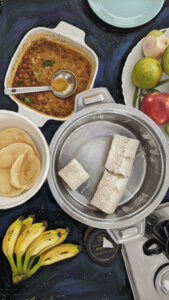 We returned to our stay for a sumptuous breakfast lovingly served by our host. Puttu, a local Kerala delicacy made from rice and coconut and served with chana masala, was a great start to the day ahead.
Biennale, Churches and Colonial Echoes
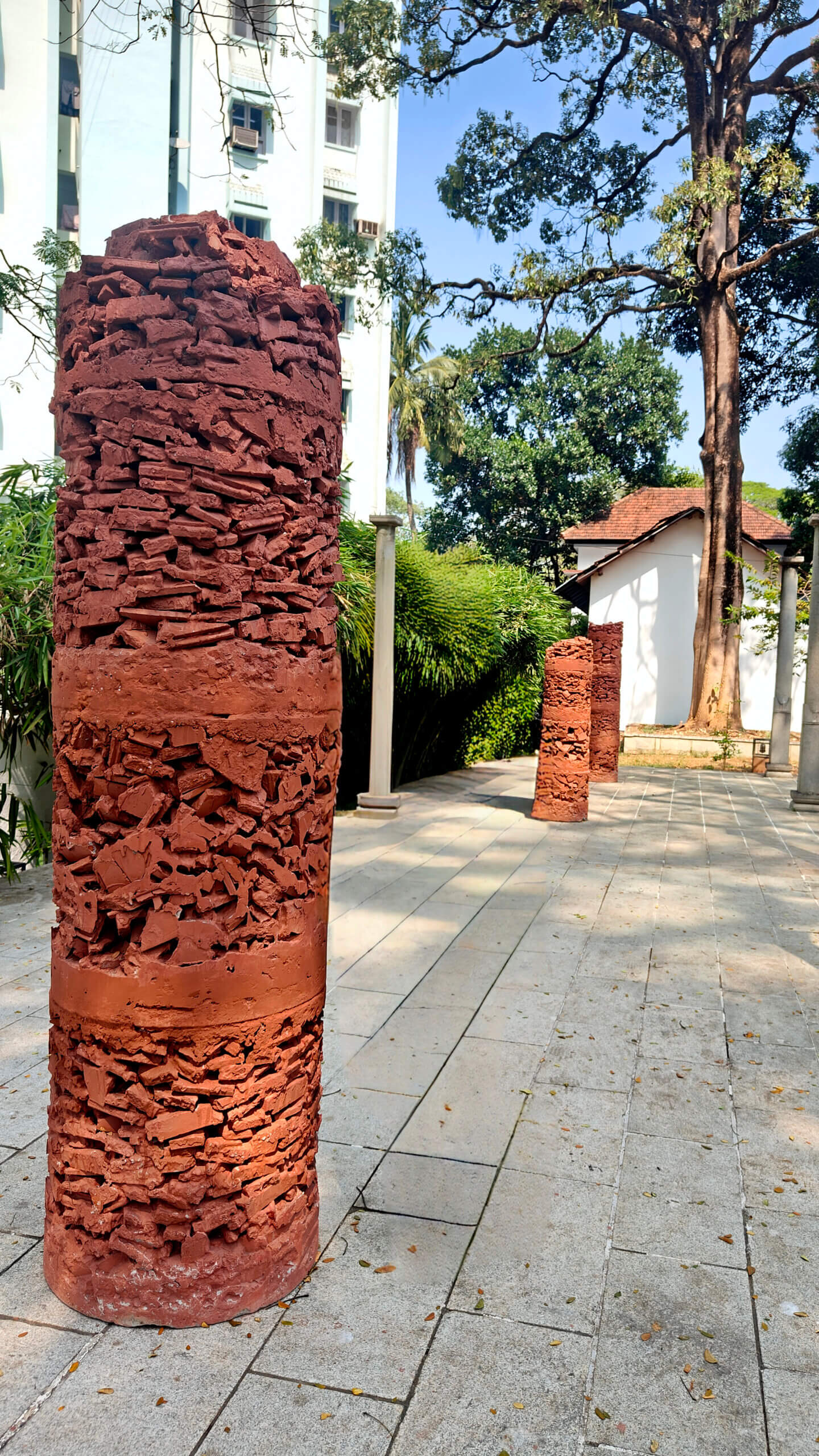
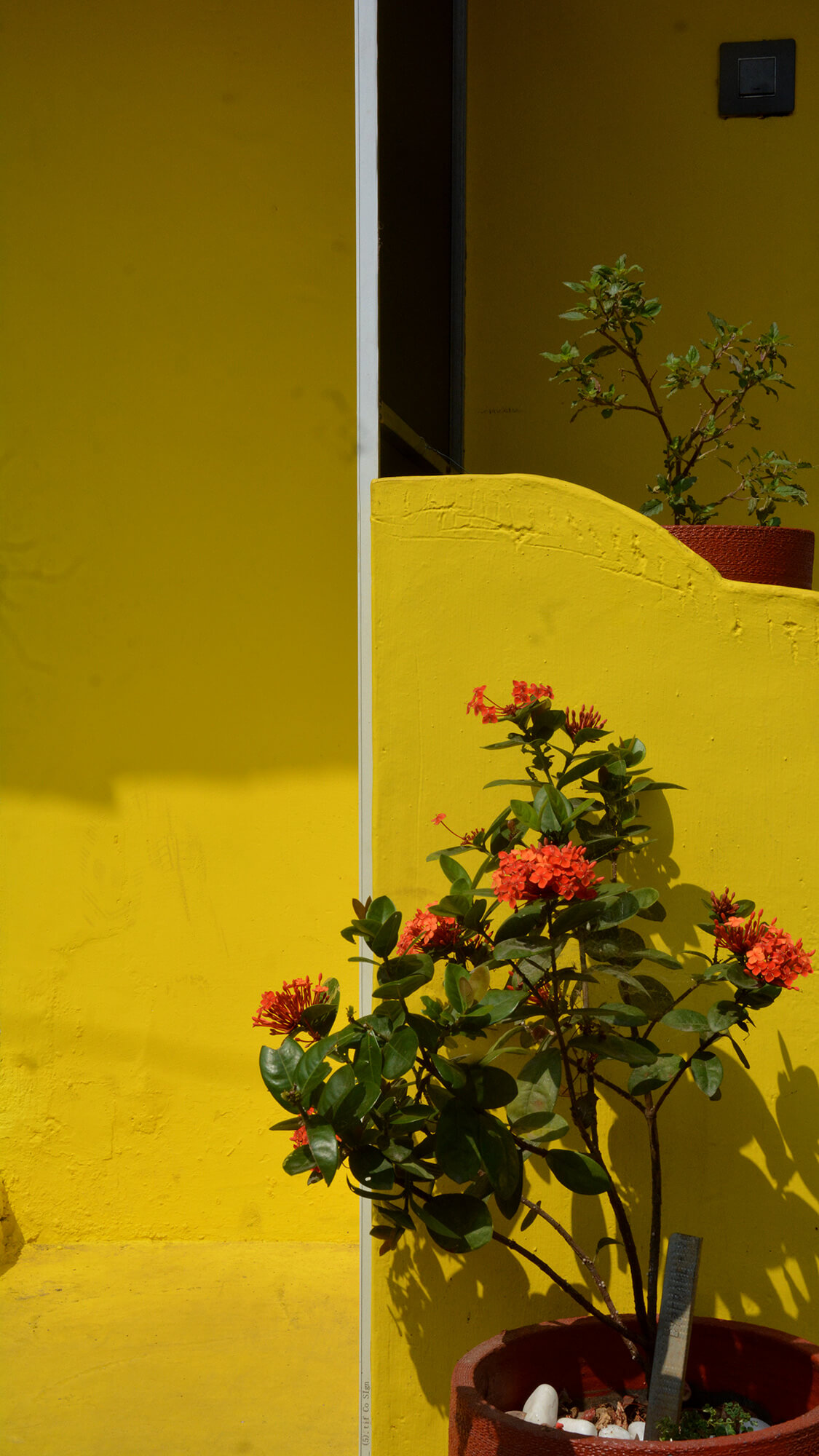
In the next two days, we explored Fort Kochi and Mattancherry, with visits to the exhibits of the Biennale, where the whole town became the venue for display. As I mentioned earlier , Fort Kochi was a Dutch settlement, and its character reflects that—huge maidans, bright colours, colonial windows. Everything here looks curated, yet there is a vibrancy which is found only in a port town.
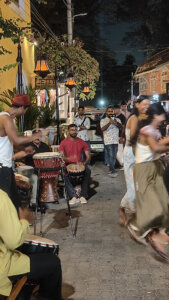 We happened upon a spirited local band outside a boutique hotel one evening, with young visitors dancing to its beats — a reminder that Kochi is as contemporary as it is historic.
Unlike Pondicherry, which I visited a year ago — where White Town feels serene and restrained — Fort Kochi pulses with life, its streets animated and constantly in motion.
We visited Saint Francis Church, built first by the Portuguese and where Vasco da Gama was originally buried and later moved. This church was later rebuilt by the Dutch in local style.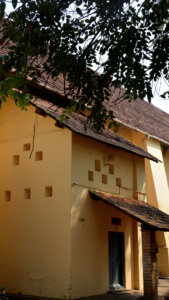
We also visited Jail of the Freedom Struggle, now displaying exhibitions in each cell, telling the story of the mighty British rule and its crushing power.
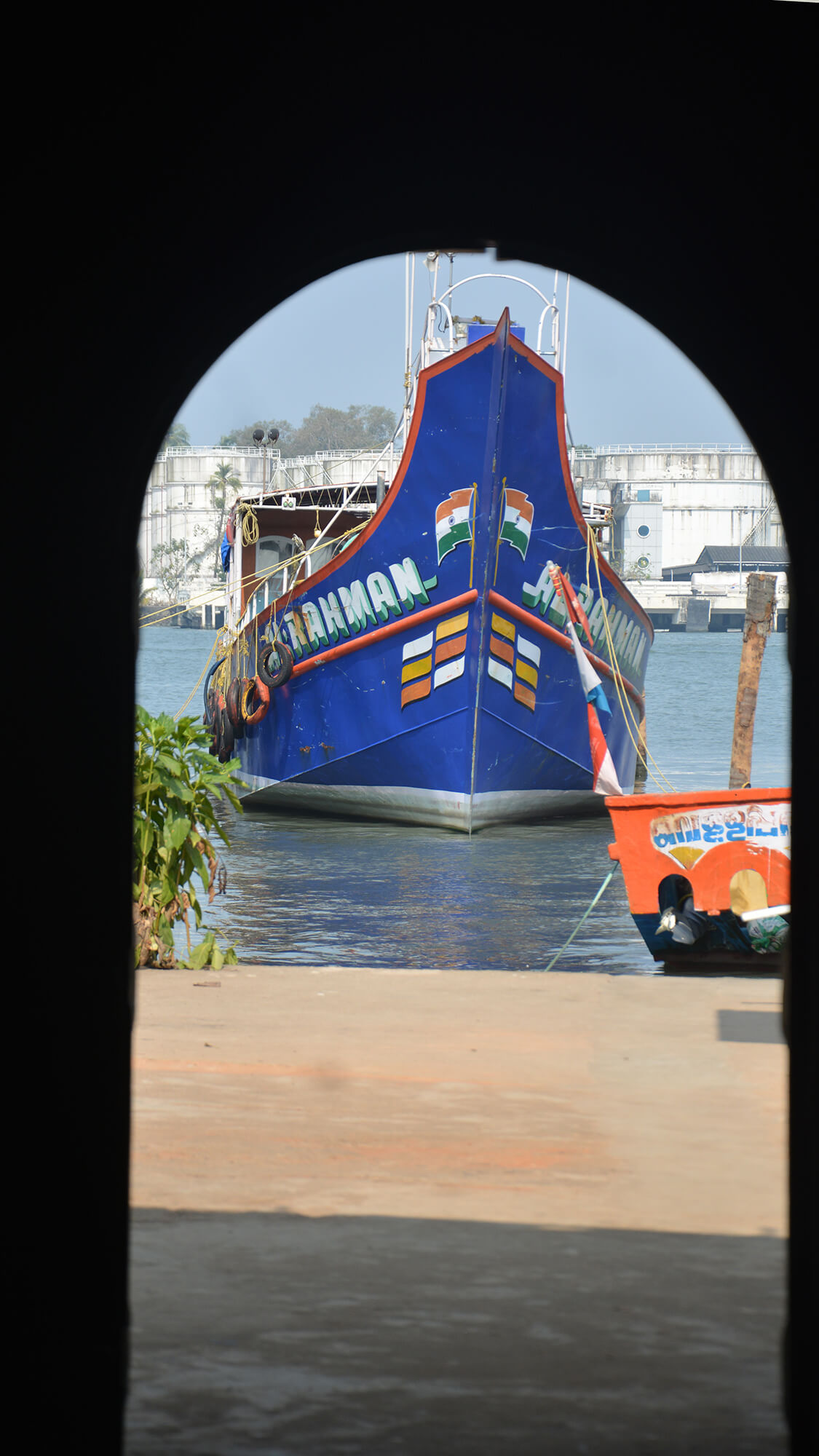
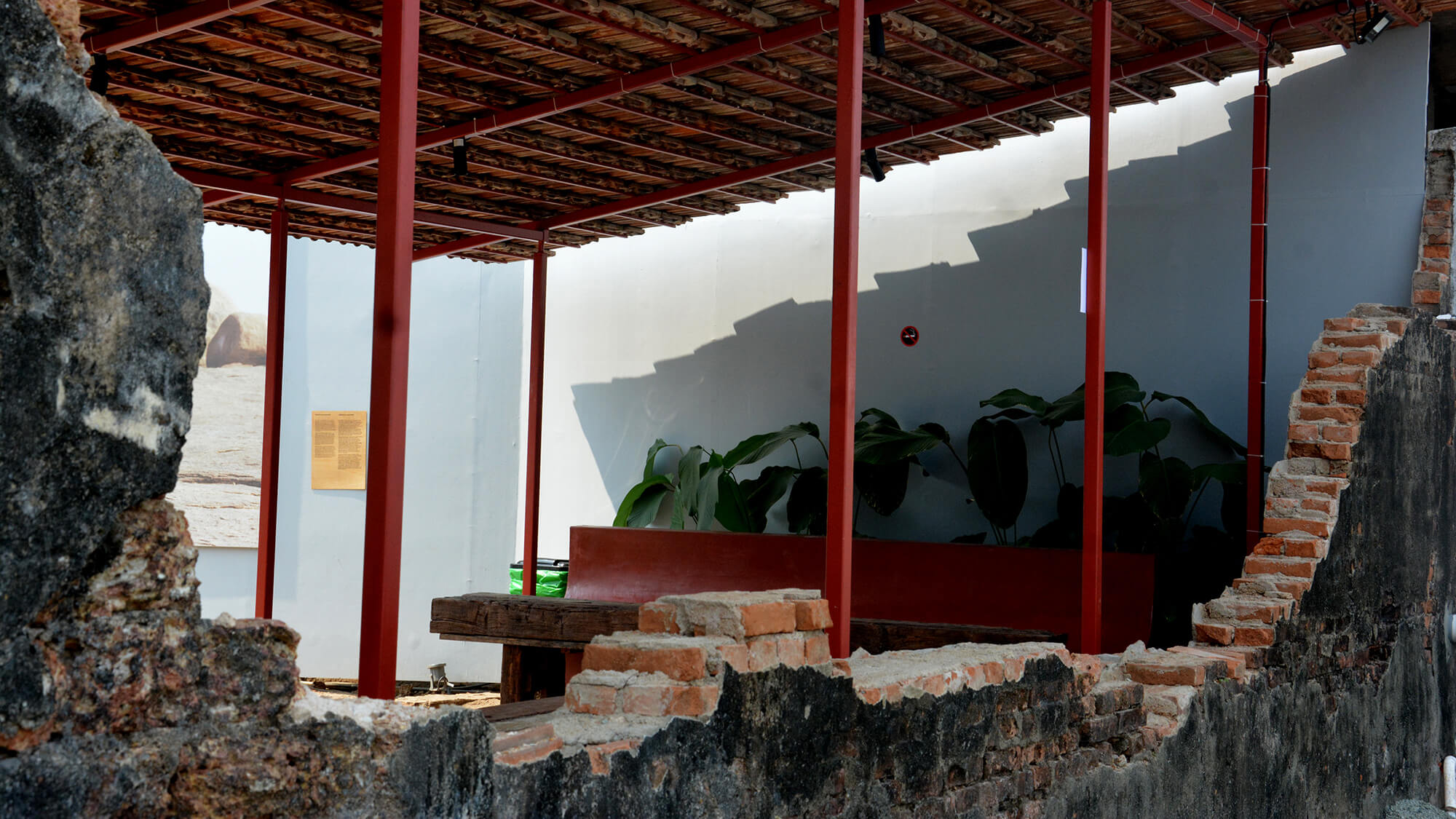
We walked on the streets along the water, with beautiful buildings on both sides. These were once warehouses of trade, now turned into hotels, cafés, and during the Biennale, venues for display of the art.
Mattancherry: Spice Routes and Synagogue Silence
As we walked further, there was a perceptible change in flavour—both of the atmosphere and of the spices. This street gently enters Mattancherry, the local settlement where the Dutch built a palace for the king and where the king gave Jews a place for a synagogue.
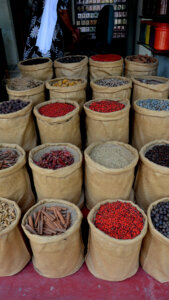 Here you find the streets lined up with shops selling spices, perfumes, and local handlooms. And you realise why Europeans came to India in the first place. The market still flourishes after all these centuries. The atmosphere is that of a local bazaar,abuzz with visitors, sellers, and shoppers alike. Each shop entices you with what it has to offer. There are some vendors selling beautiful paintings and others selling local crafts.
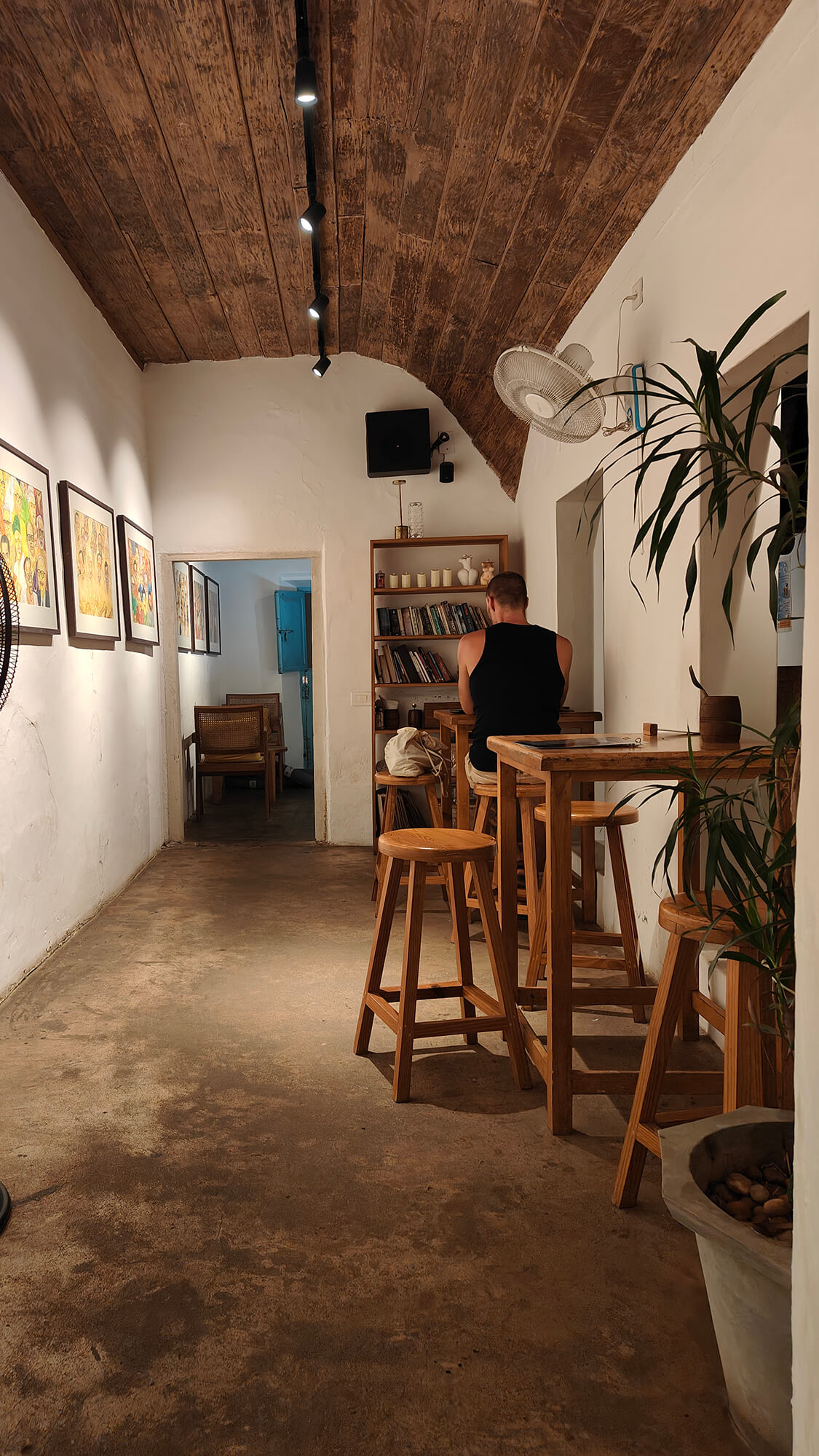
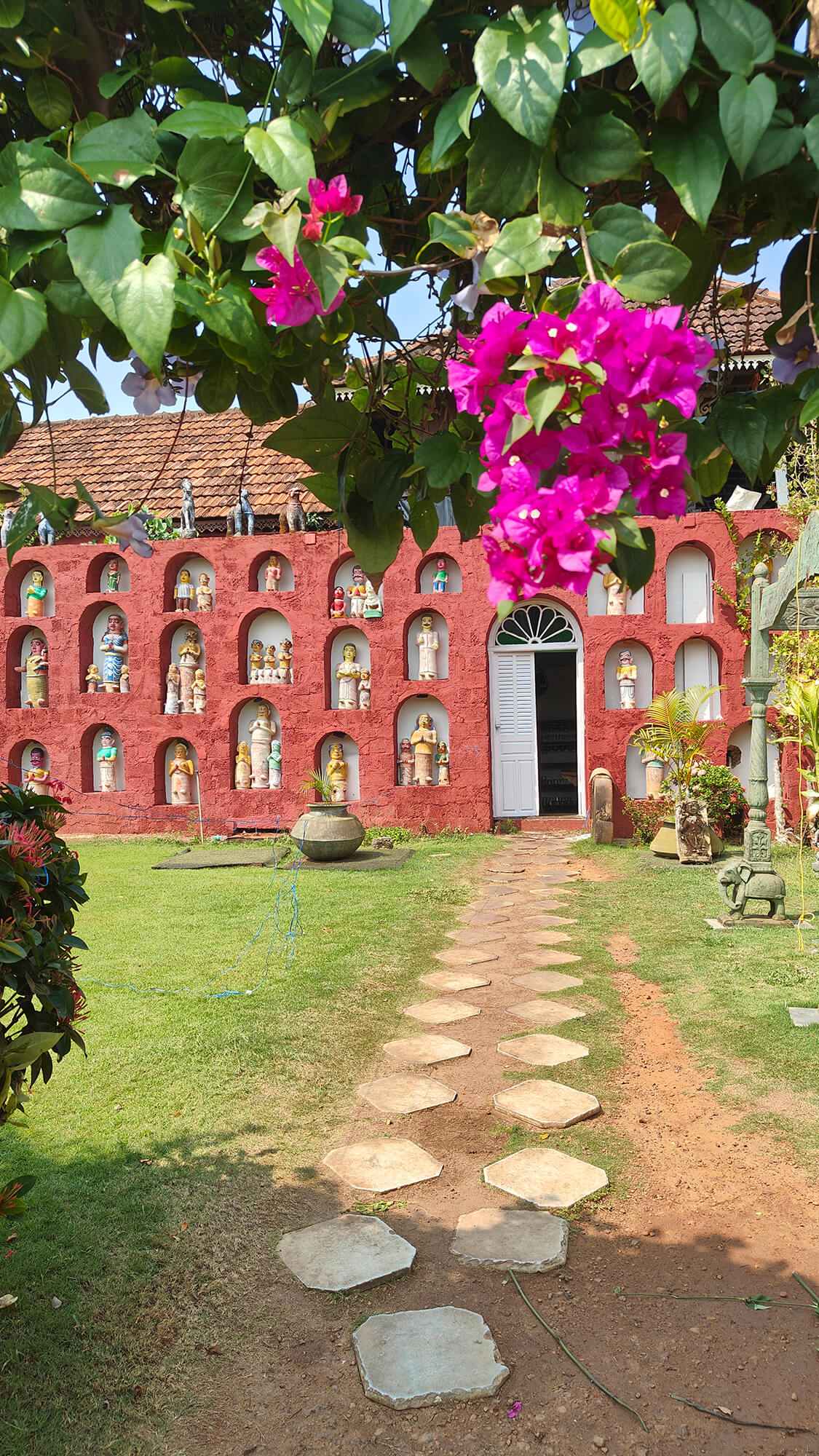
The street leads you to various cafés—some adorned with local crafts, others with contemporary art; some with a view of the sea, others with a museum of their own.Each of these cafés, both in Fort Kochi and Mattancherry, have unique settings of its own. Here ,some serve authentic Kerala thali, others are purely vegan, some dish out North Indian delicacies, others more continental. Even for vegetarian souls like us, there was so much to explore in terms of food in this seaside town.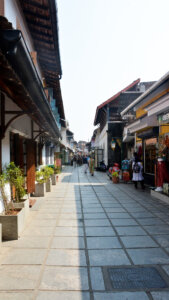
As you reach the synagogue, now managed by a single remaining Jew of the town, a pedestrian shopping street prepares you for the quiet inside the place.
If Fort Kochi shows vibrant European discipline ,Mattancherry displays an eclectic mix of local culture.
Theyyam: When Divinity Descends
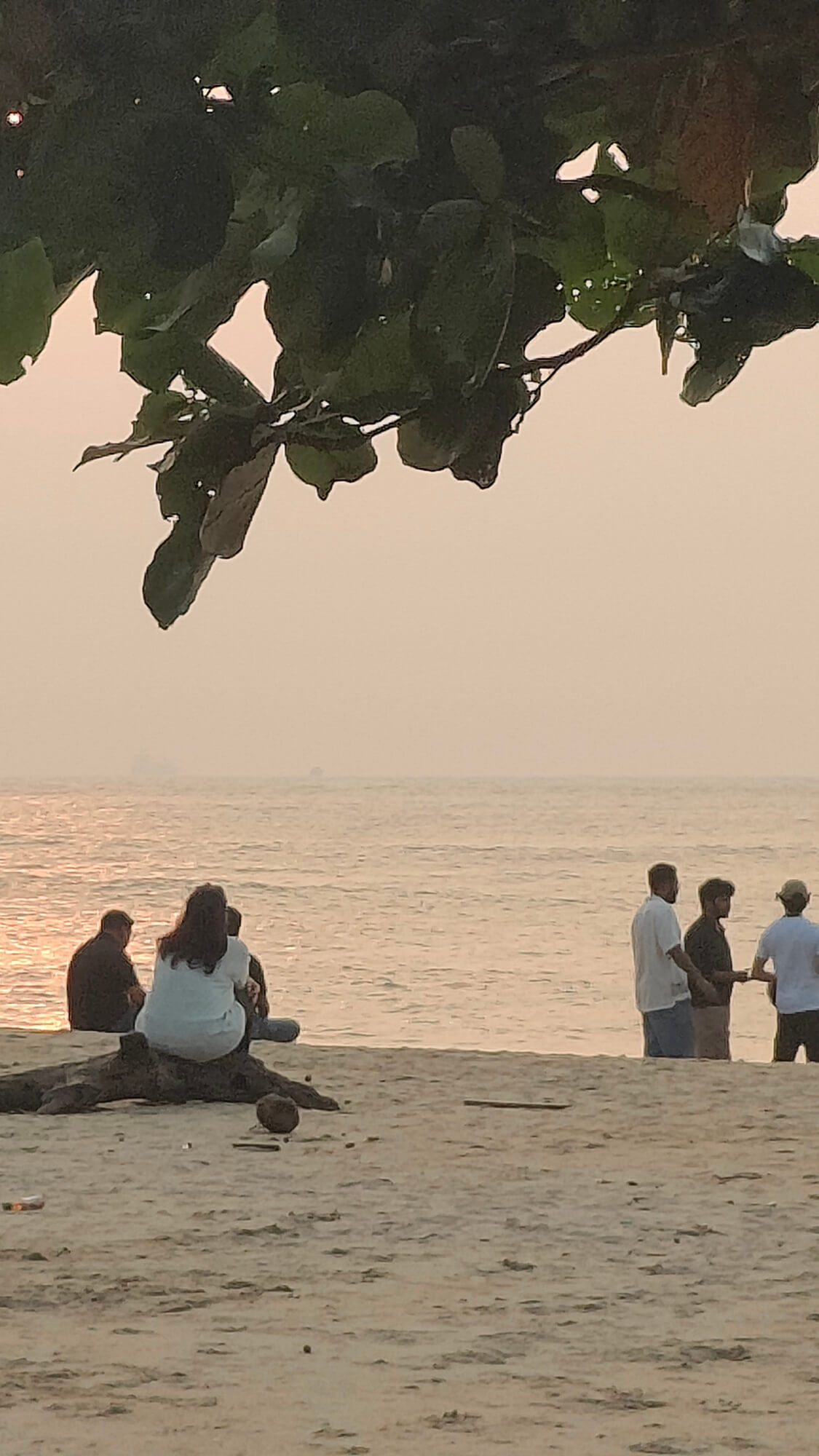
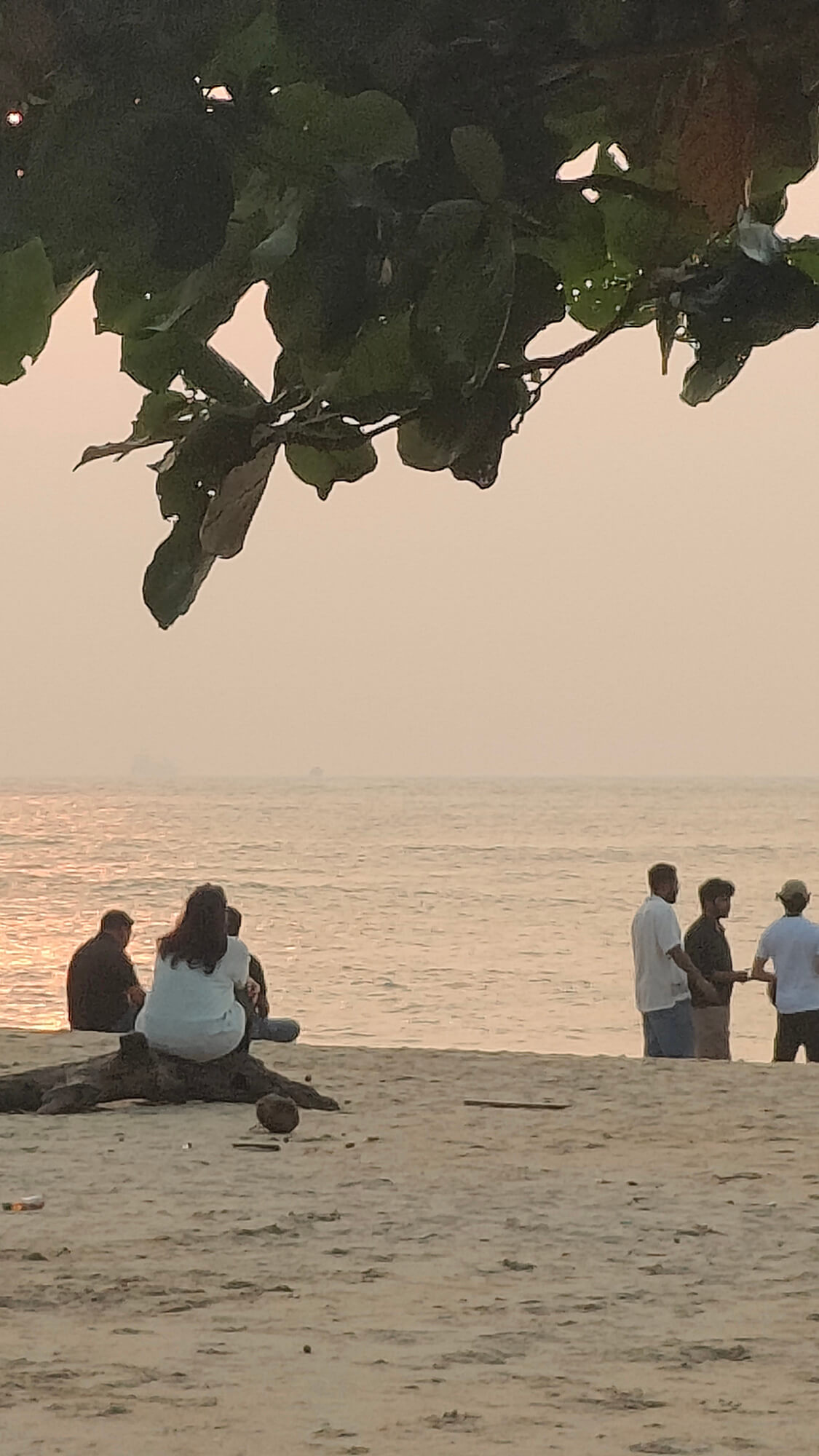
After an evening stroll on the beach with the sunset, we visited Kochi Folklore Odeum , a theatre for Kathakali, Kalari Pattu and Theyyam performance. This became the highlight of the day.
Some of us stayed back for Kalari Pattu and Theyyam performance after the usually delightful Kathakali performance depicting a story from mythology,
Kalari Pattu, the ancient martial art from Kerala, is a performance that draws admiration for the agility, speed, and strength of the performers.
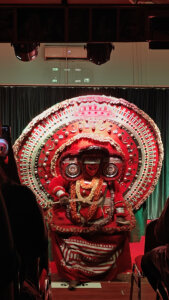 And after this, it was time for Theyyam- meaning Deva—an art form performed more as an expression than a dance. It is inherited by the performer through lineage in a particular community and is an art form which is more of an expression than a performance.
As the performance started, the entire energy of the place shifted. We were witnessing something very raw and energetic, which mesmerised and frightened us both at the same time. The jumps, the turns, and the sound altogether made the air vibrant. And the mood shifted from admiration to awe.
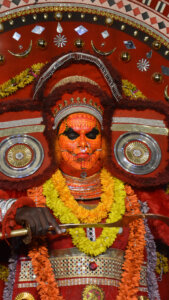 As the performance ended, it felt as if the man before us had dissolved into something beyond himself. The costume, the paint, the fire in his eyes — all of it seemed to carry a presence older than memory.
Kochi has seen traders, conquerors, rulers, and empires. Portuguese, Dutch, British — each left their mark. Warehouses became cafés. Ports became museums.
But when Theyyam began, none of that mattered. The energy in the air belonged to something far older than colonial timelines. And in that charged silence after the last movement, I understood — Keralam is not just about its waters and greenery. It is about a land where divinity is still allowed to descend into a human body, if only for a few trembling moments
Perhaps that is why Kerala calls itself God’s Own Country — because here, divinity is not preserved in stone. It is performed, inherited, and lived.
What a wonderful walk through the streets of the historical coastal town of Kochi. Your travel piece not only provides the readers with vivid sensory details but also takes them on an extraordinary journey of cultural immersion. Compliments for yet another evocative travelogue 👏👏❤️