
Why Certain Buildings Become Milestones
It is imperative for any student, commentator, or practitioner of architecture to notice the magnificence of buildings through time—from the Pyramids, Colosseum, Taj Mahal and Eiffel Tower to the Sydney Opera House, to name a few. These structures inspire awe and demonstrate what humans can achieve with technology, material, the will to impress, and above all, sheer imagination.
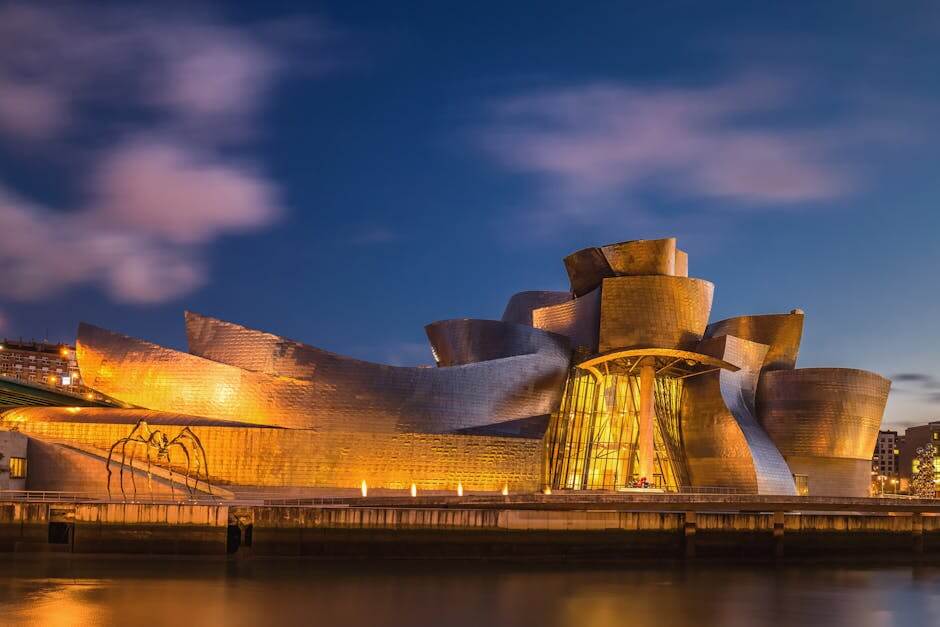 So it was natural that we all noticed the Guggenheim Museum in Bilbao, crafted like a sculpture and built like an installation in Spain. In pictures, it looked like a frozen musical note—rising above the mundane, striking and unmistakable. Soon, it became a landmark, not only geographically but also as a milestone in the way architecture was seen and practiced.
The Philosophy
Deconstruction as a practice aims to disrupt perception—in text, culture, art, and architecture. By revealing inherent contradictions and moving away from convention, it creates new meanings. It is essentially a deliberate rejection of the status quo. This concept and philosophy shaped Frank Gehry’s work, just as it did for his peers such as Zaha Hadid and Daniel Libeskind.
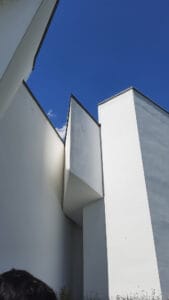 Frank Gehry was ready to break out of the mold and give the world a language it did not know it needed. In the process, he produced audacious and brilliant works that the world can never ignore.
So, when the opportunity arose to see his buildings—one from his early years and another from his mature phase—I was genuinely thrilled. On my trip to Europe, I was determined to experience these masterpieces up close.
Plan Your Visit to Vitra Campus
Encountering Gehry’s Early Work
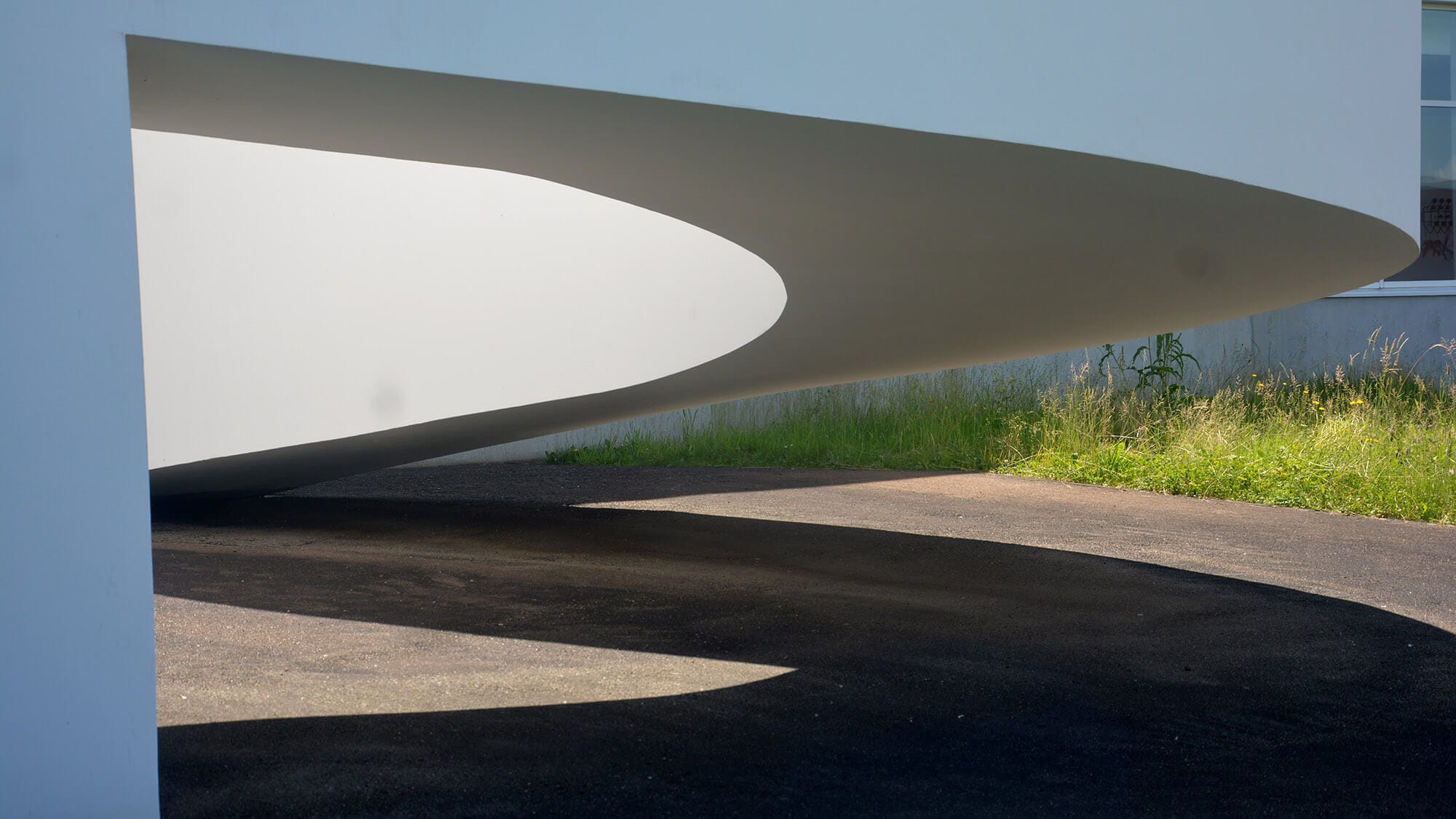
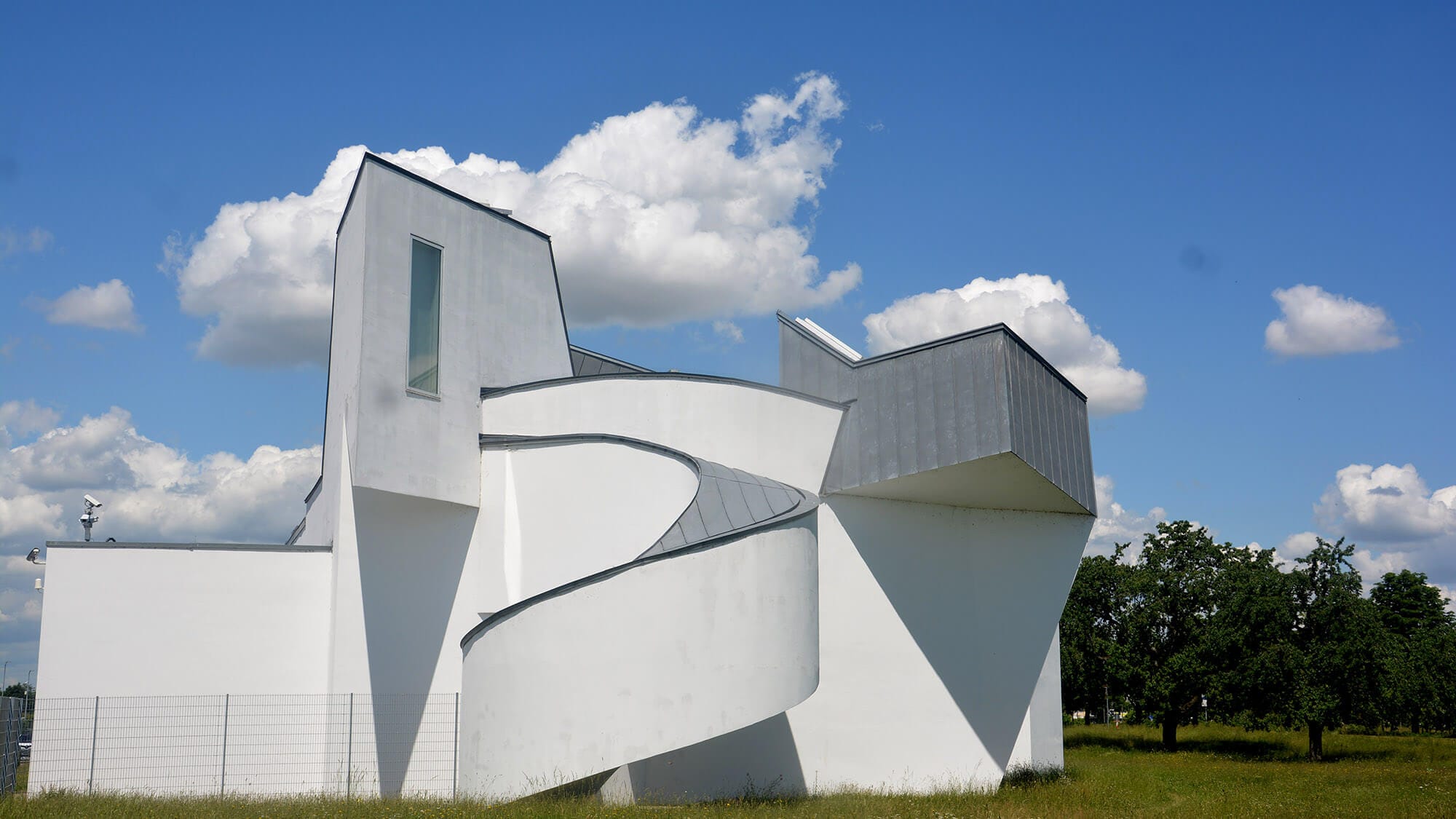
We first visited the Vitra Design Museum, located in the German part of Basel. The campus boasts warehouses, workshops, storage buildings, conference pavilions, and display centres designed by several renowned architects from across the world. 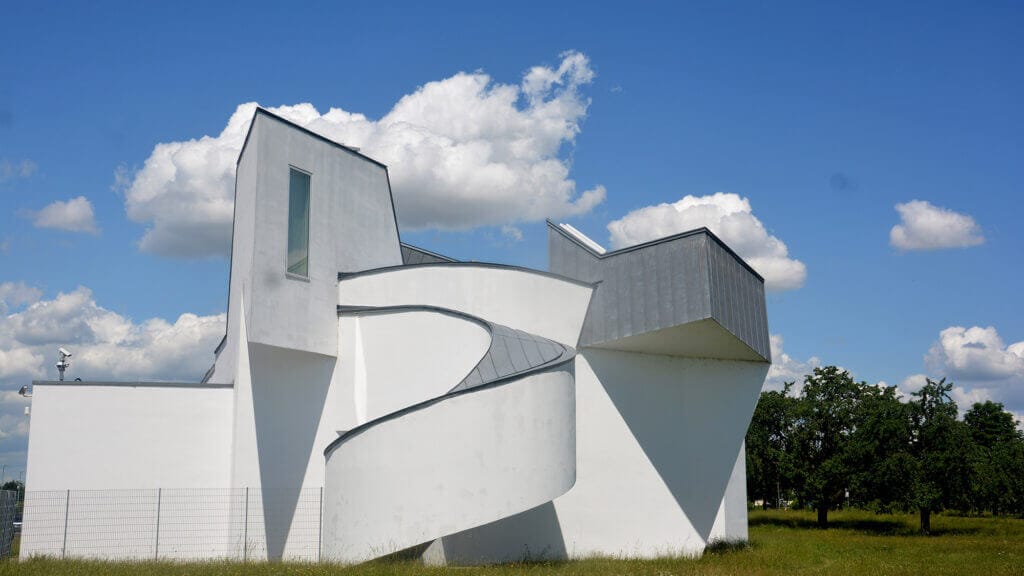 That Gehry was one of the first to be commissioned to design a museum speaks volumes about both the designer and the client’s acumen.
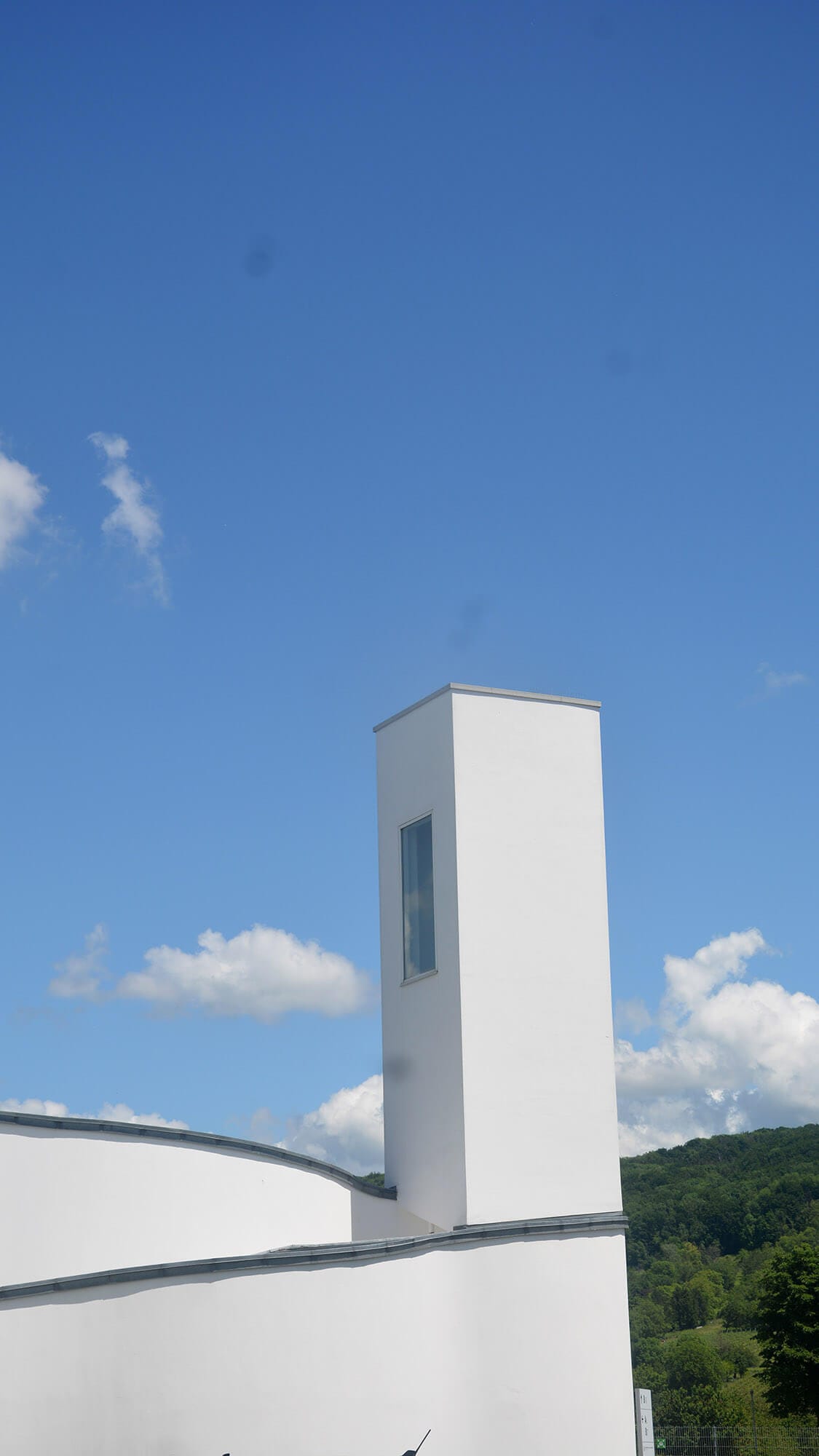
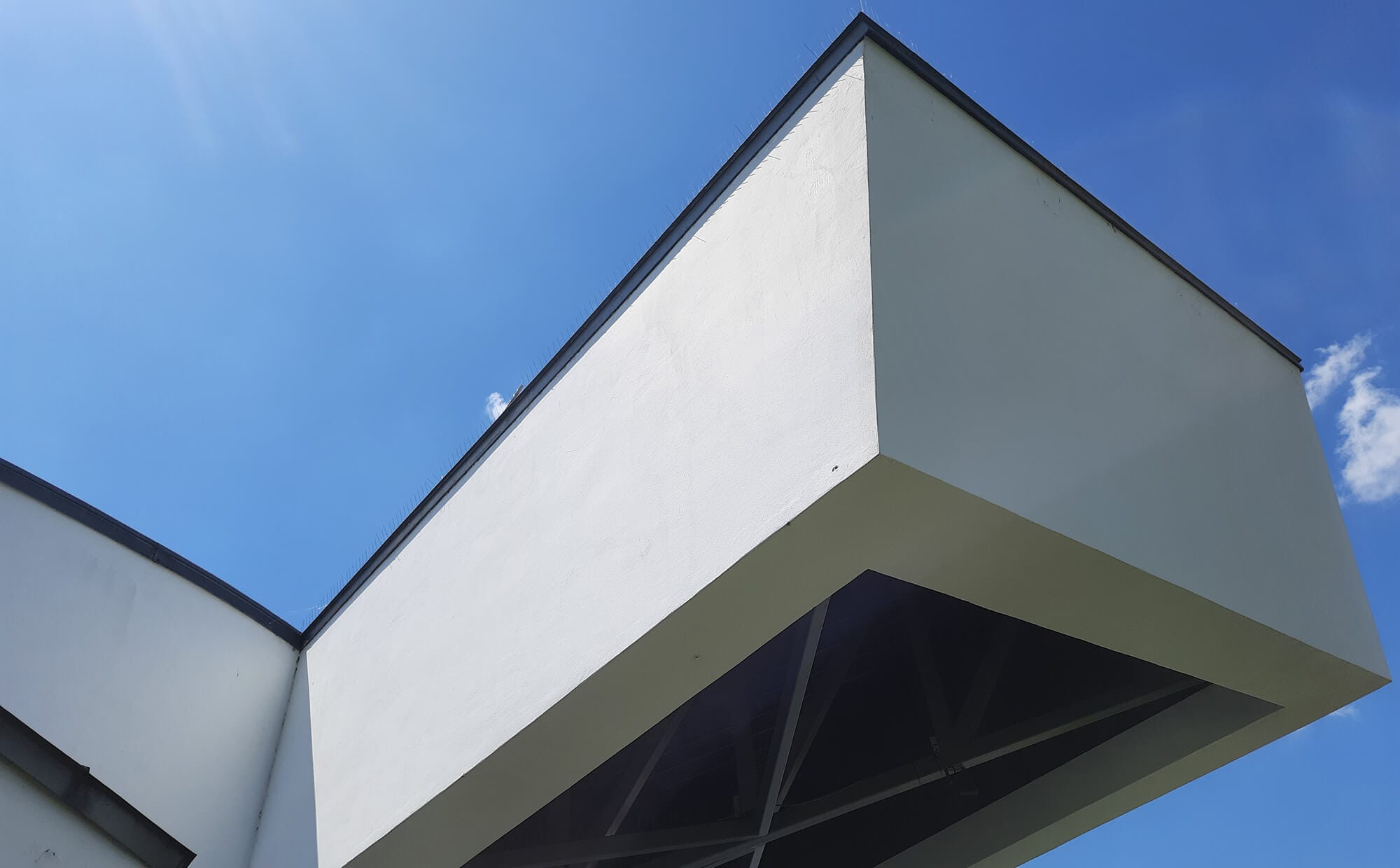
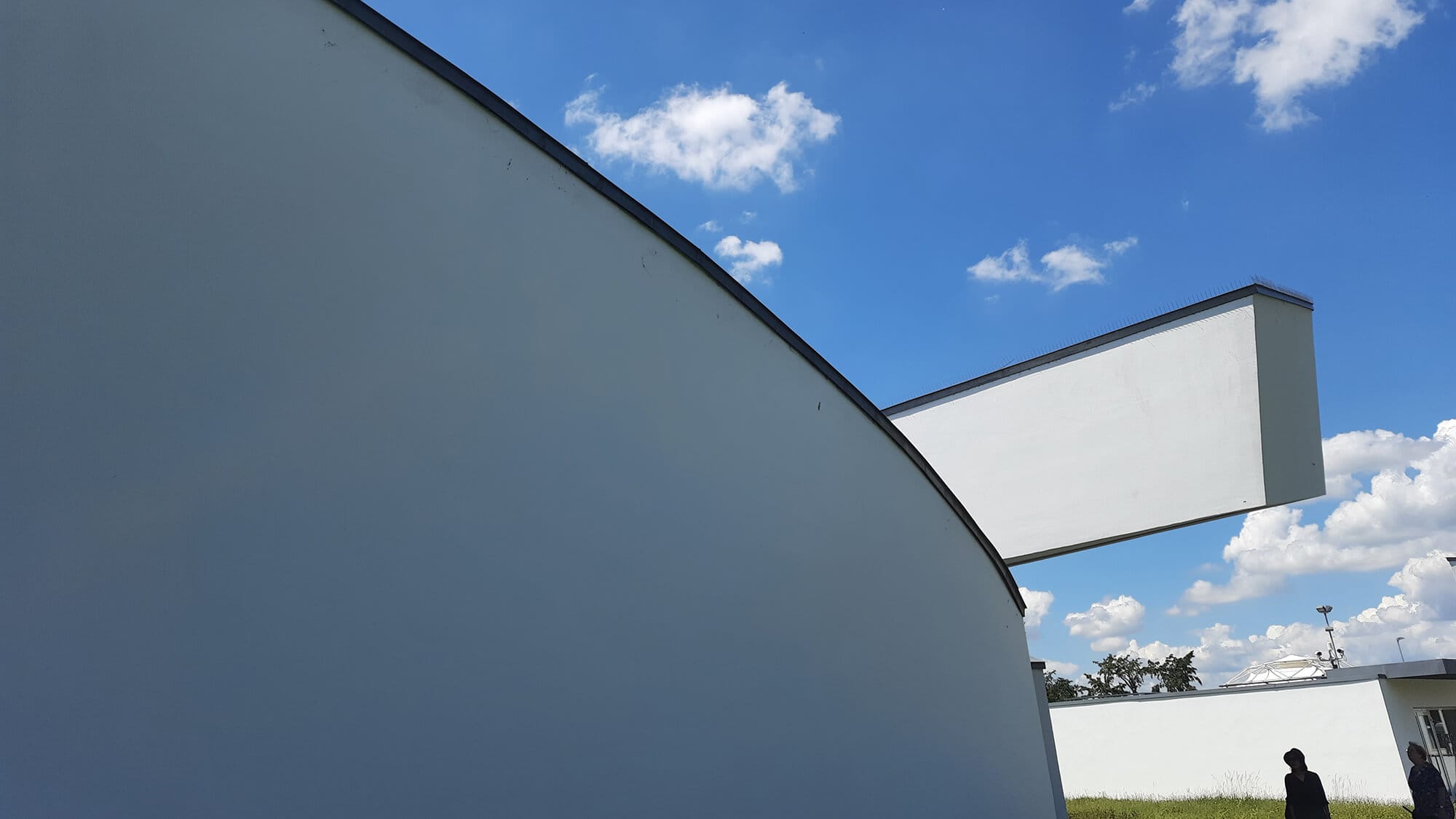
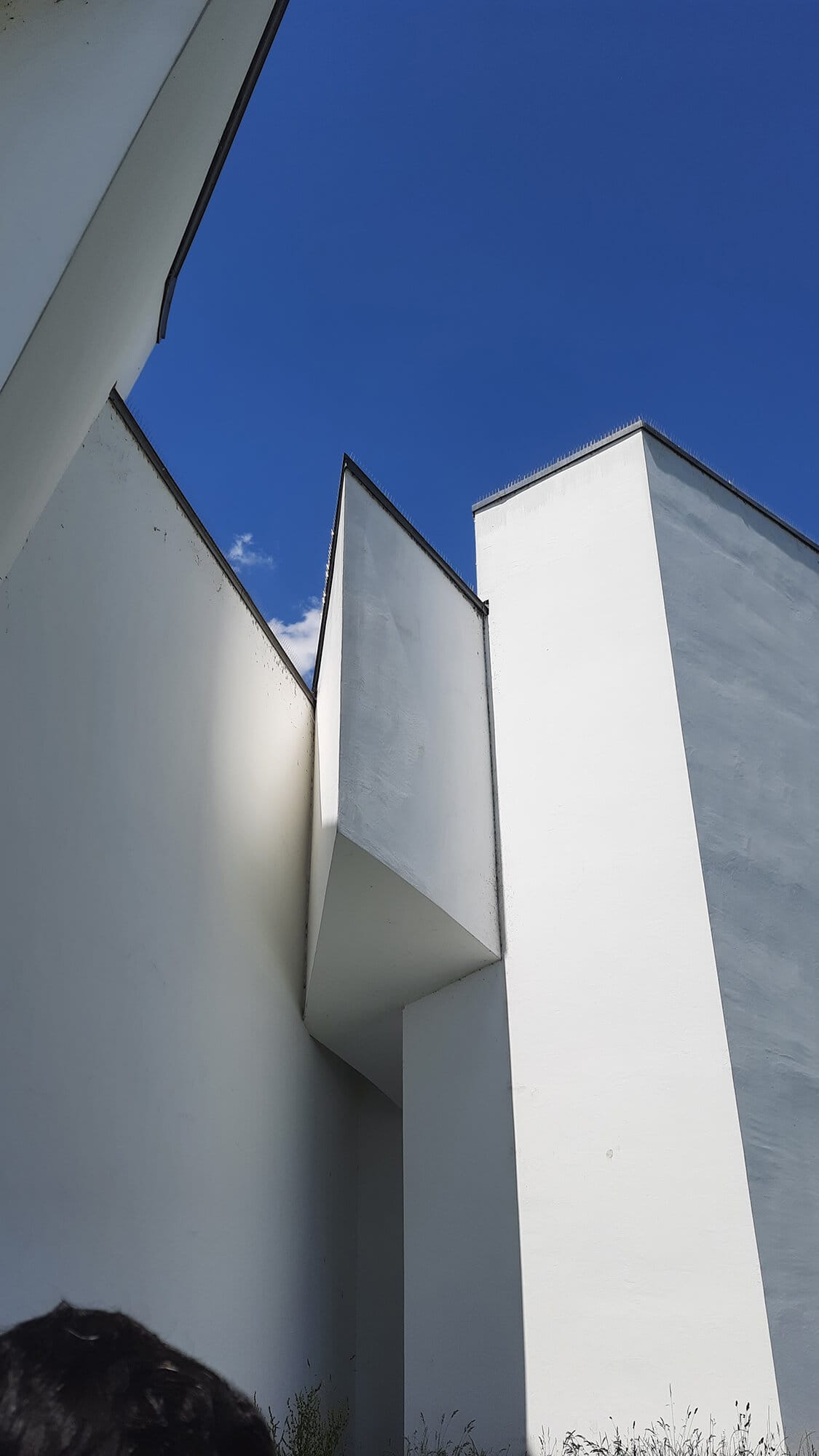
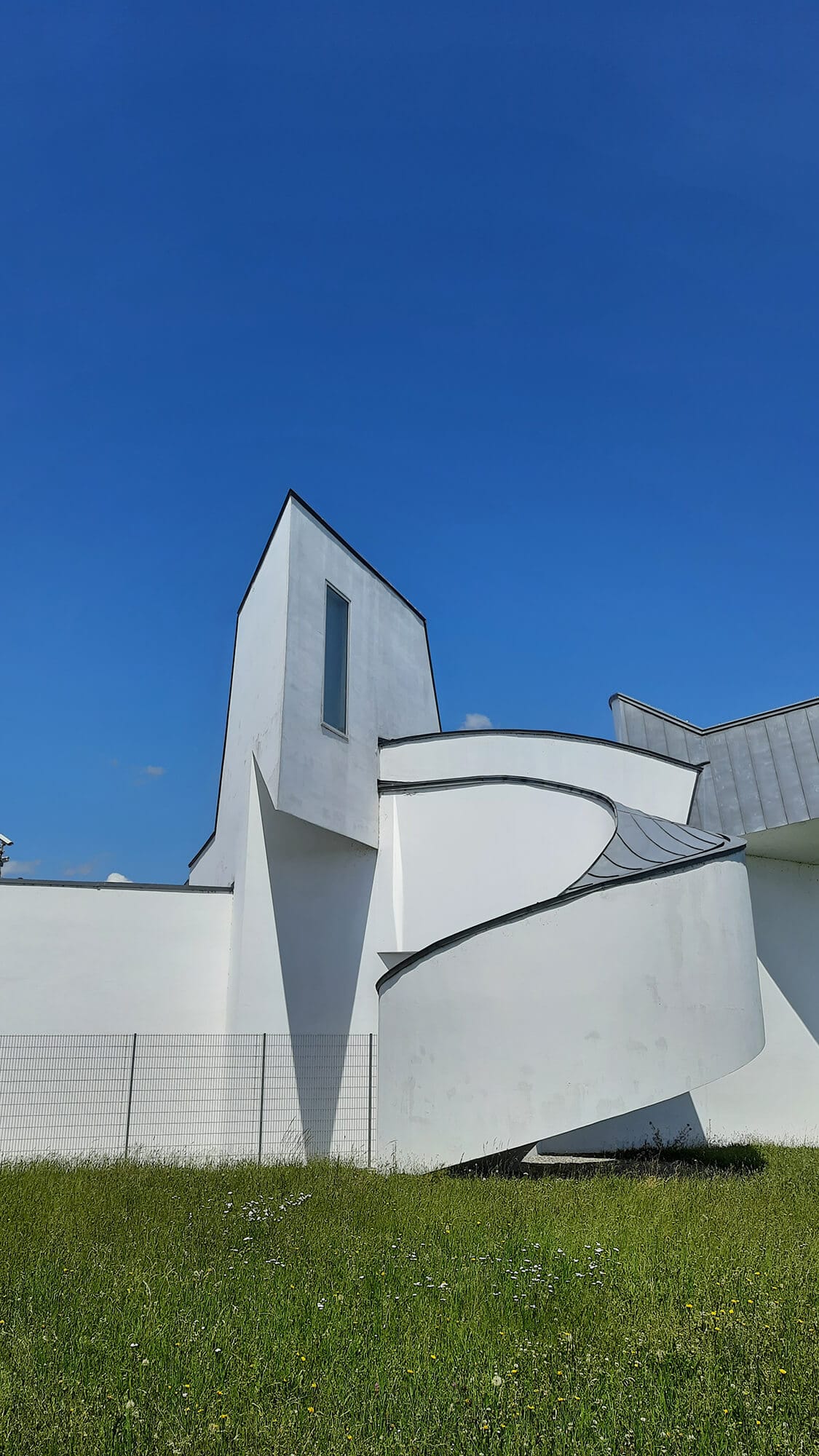
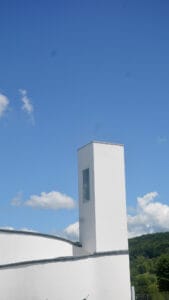 As we approached the museum, it stood out among the many striking buildings in the vicinity, primarily due to its bold white form. The museum sits opposite the Conference Pavilion designed by Tadao Ando, complementing its modest presence by asserting its own expressive identity. Its sculptural form, though not monumental in size, immediately draws attention. The form does not adhere to any formal geometry; instead, it finds its own sculptural language, rising from the ground, twisting, turning, protruding, and revolving, inspiring the visitor.
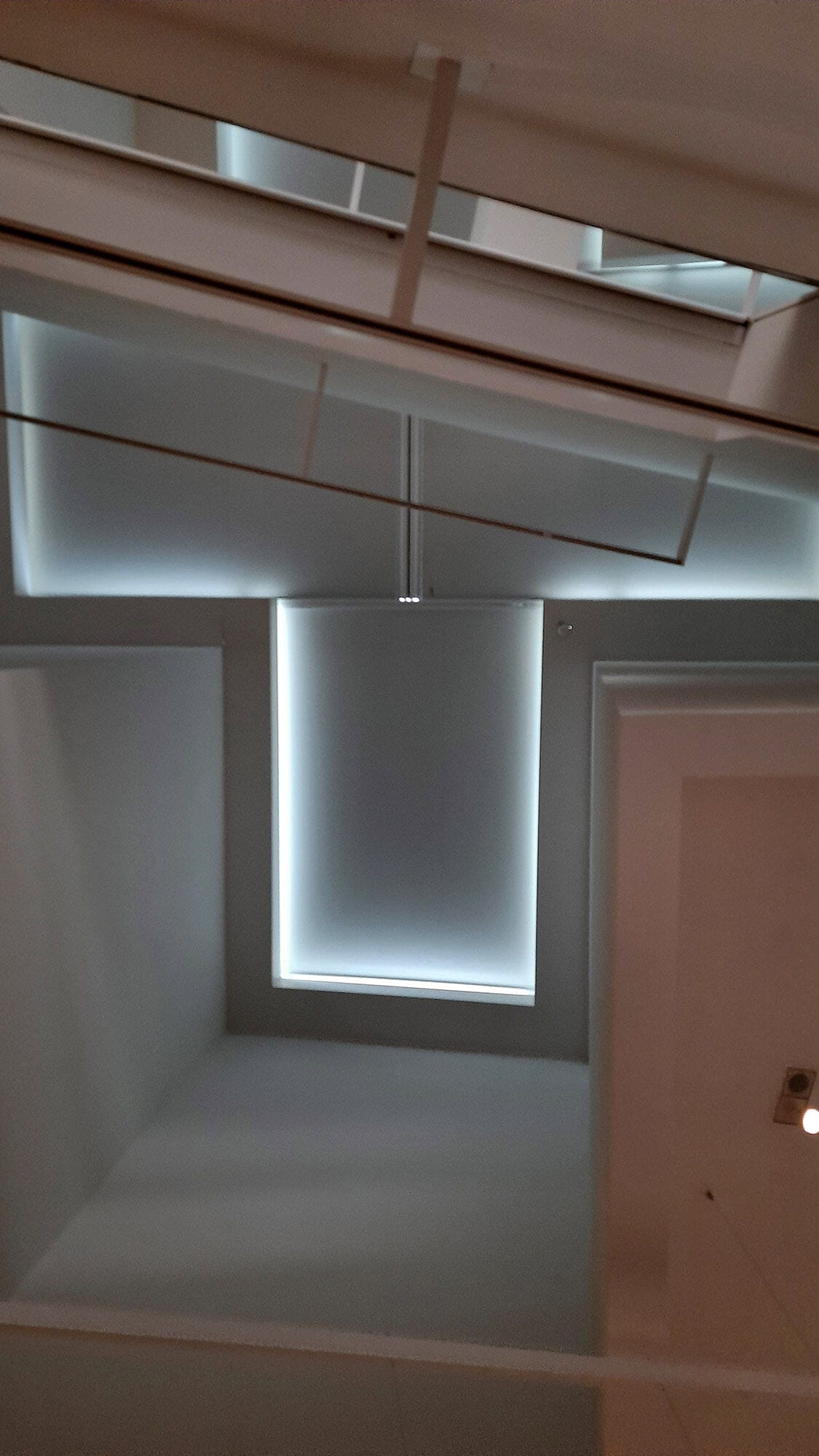
Inside, however, the drama of the exterior gave way to a somewhat jumbled interior. We left a little underwhelmed and moved on to explore other buildings nearby.
The Mature Gehry: Louis Vuitton Foundation
A few days later in Paris, we encountered Gehry’s more mature, extravagant, yet equally striking design—the Louis Vuitton Foundation.
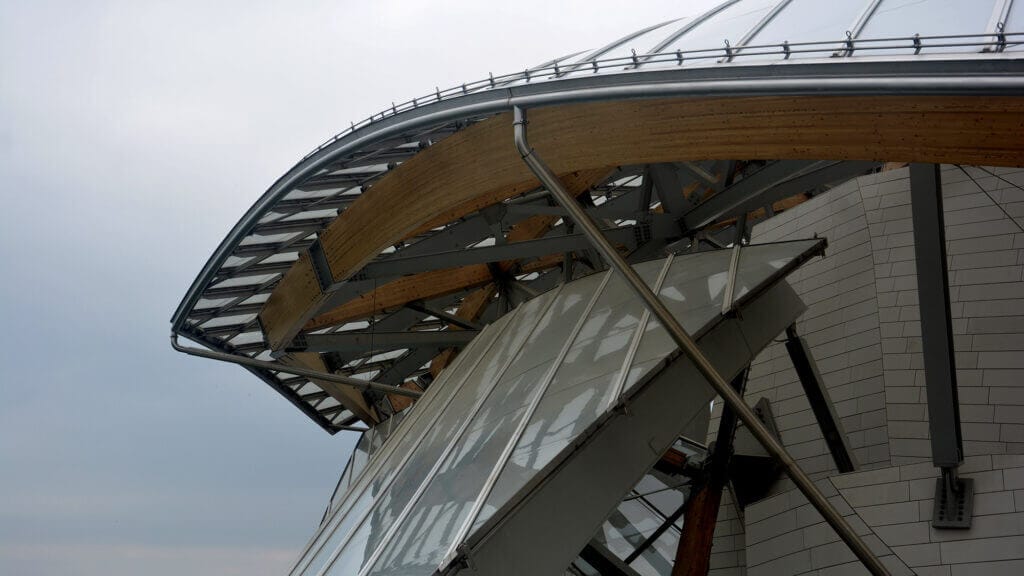
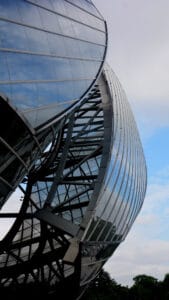
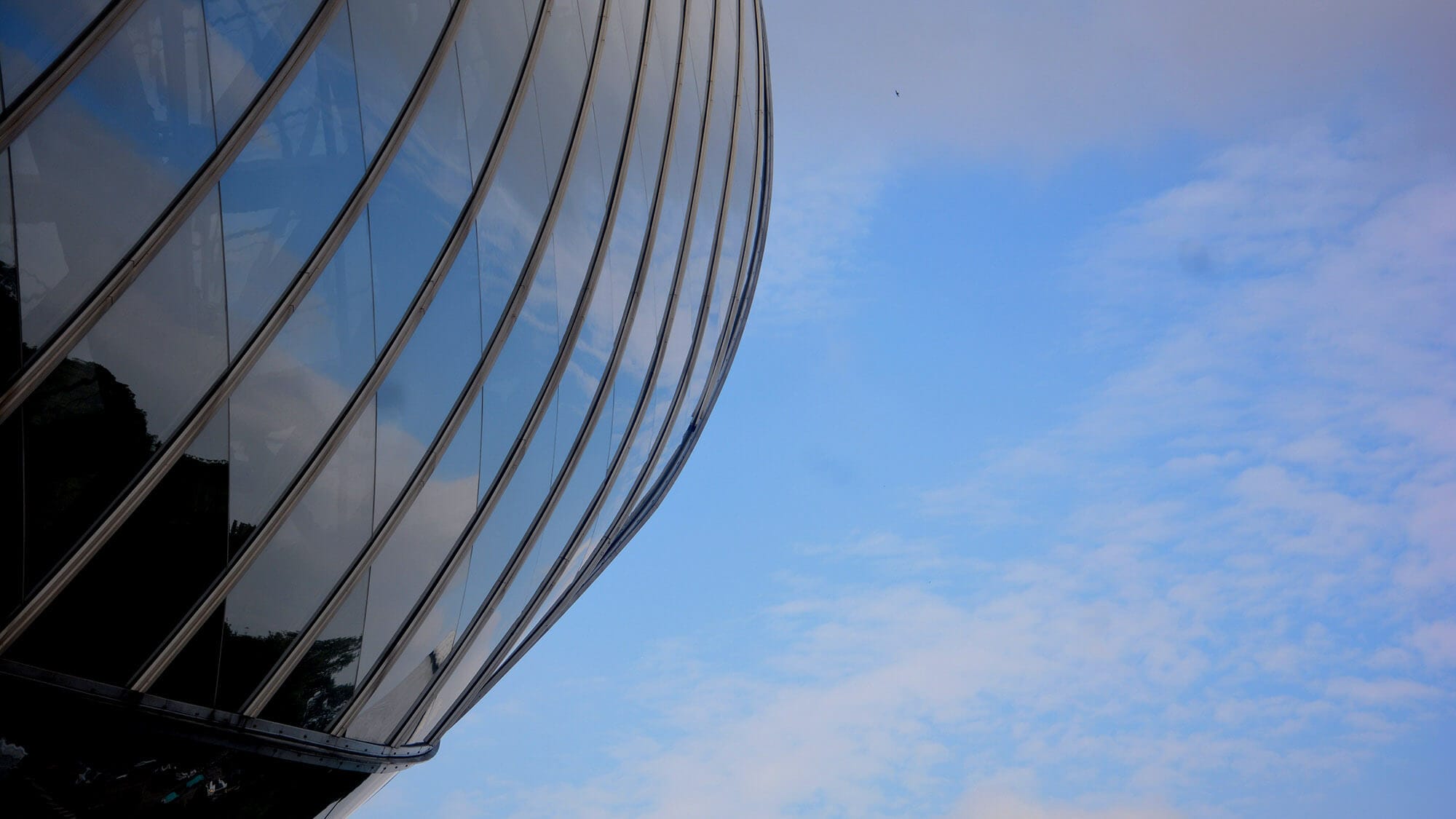
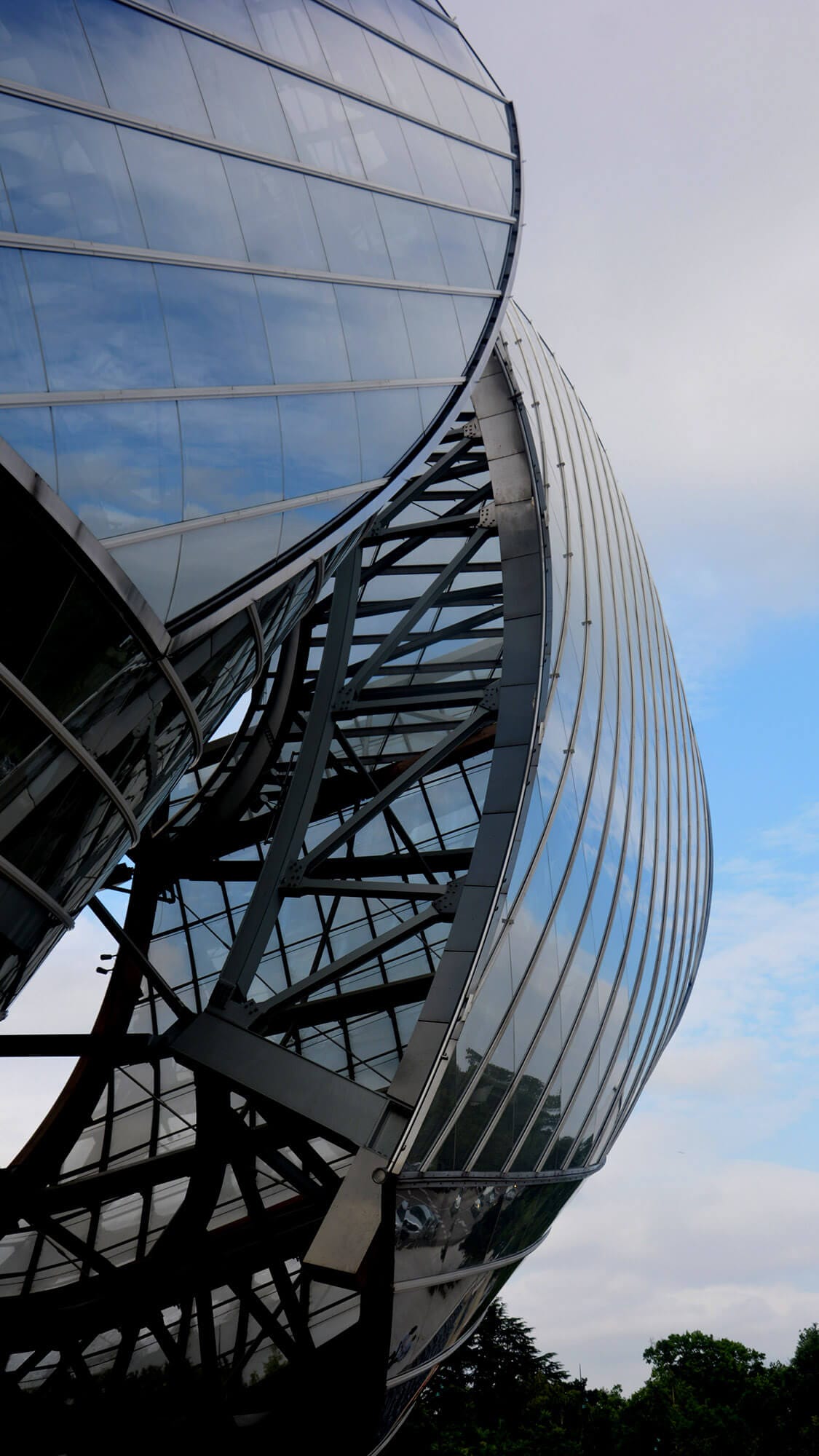
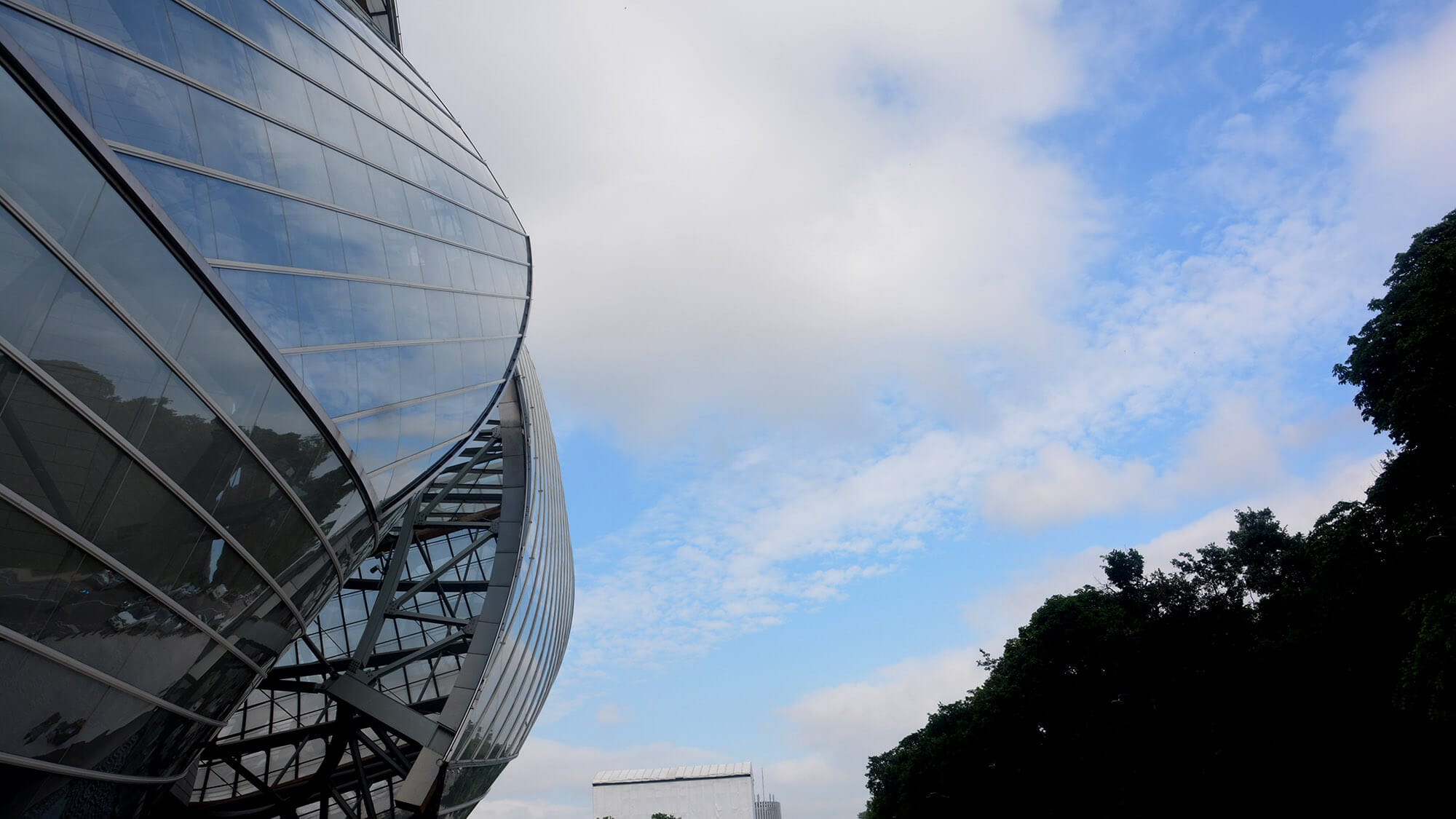
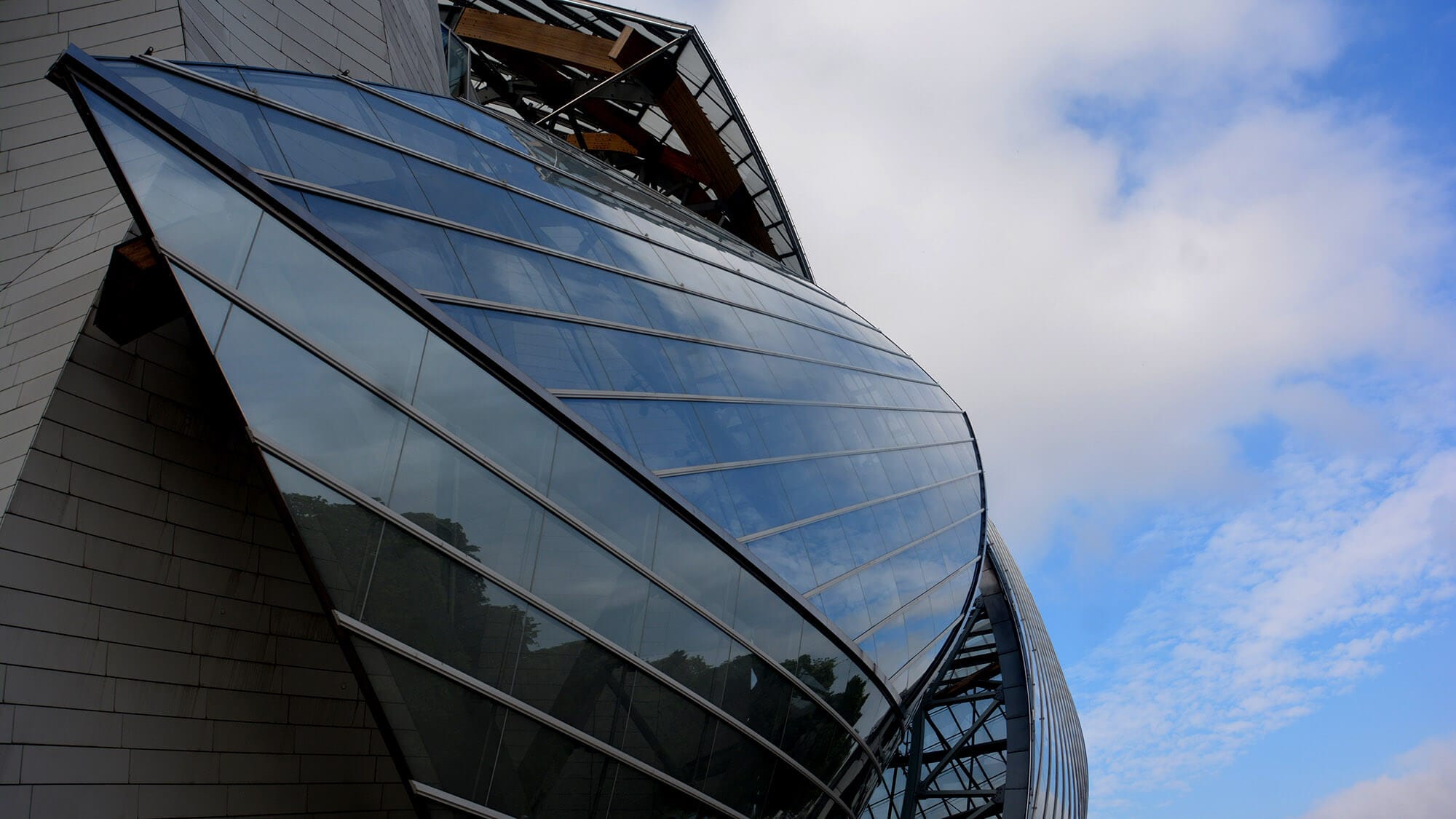
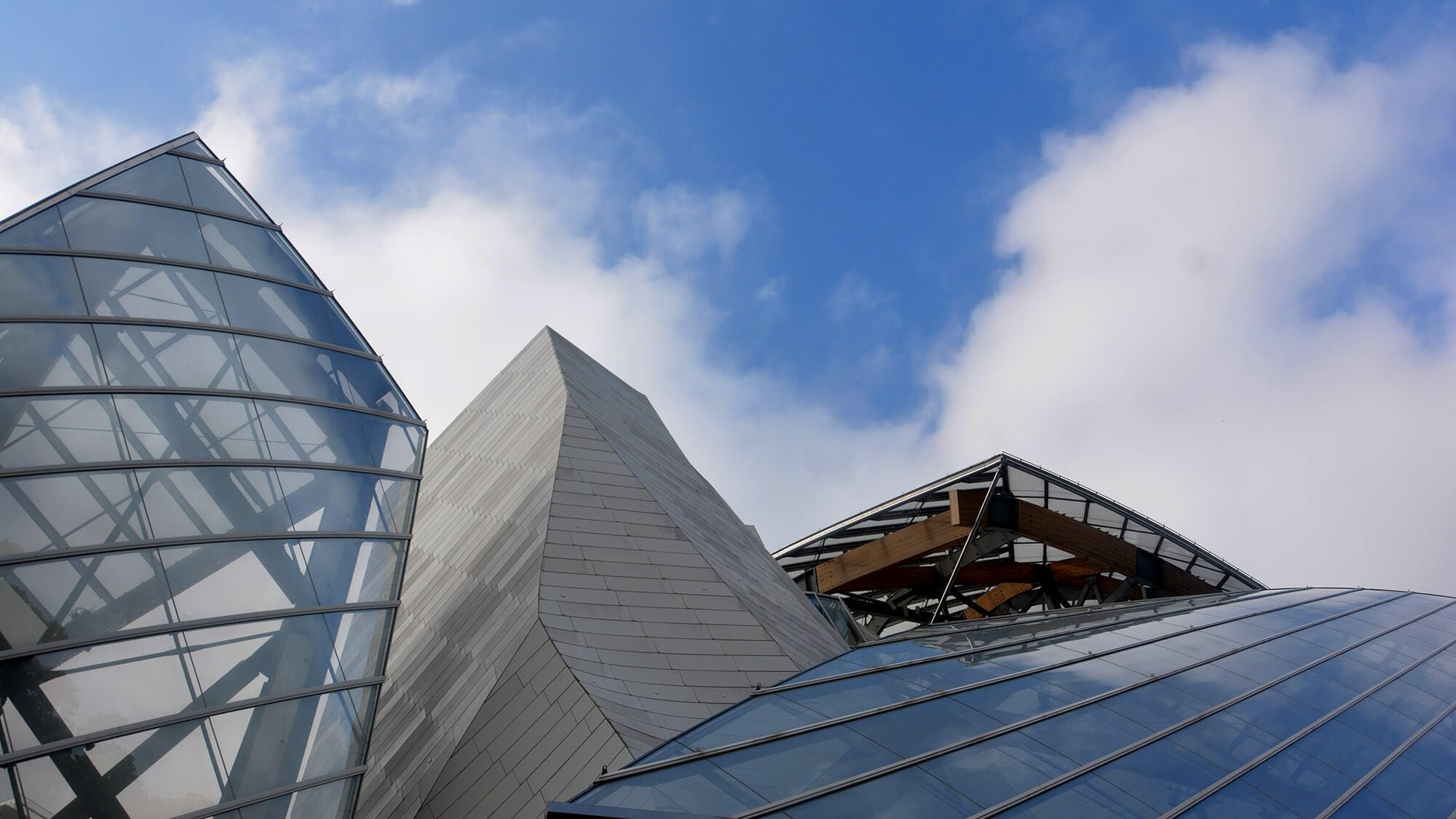
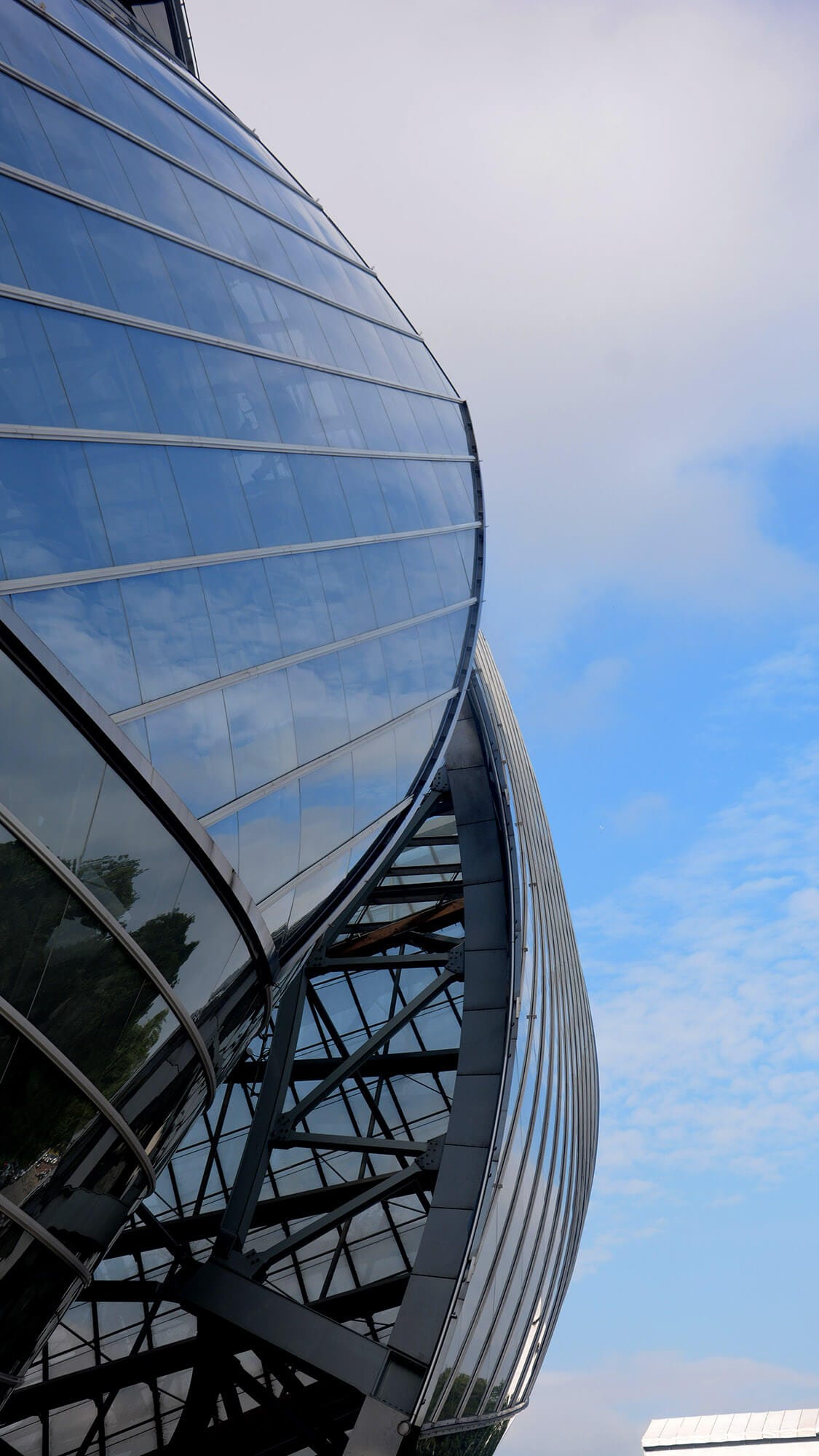
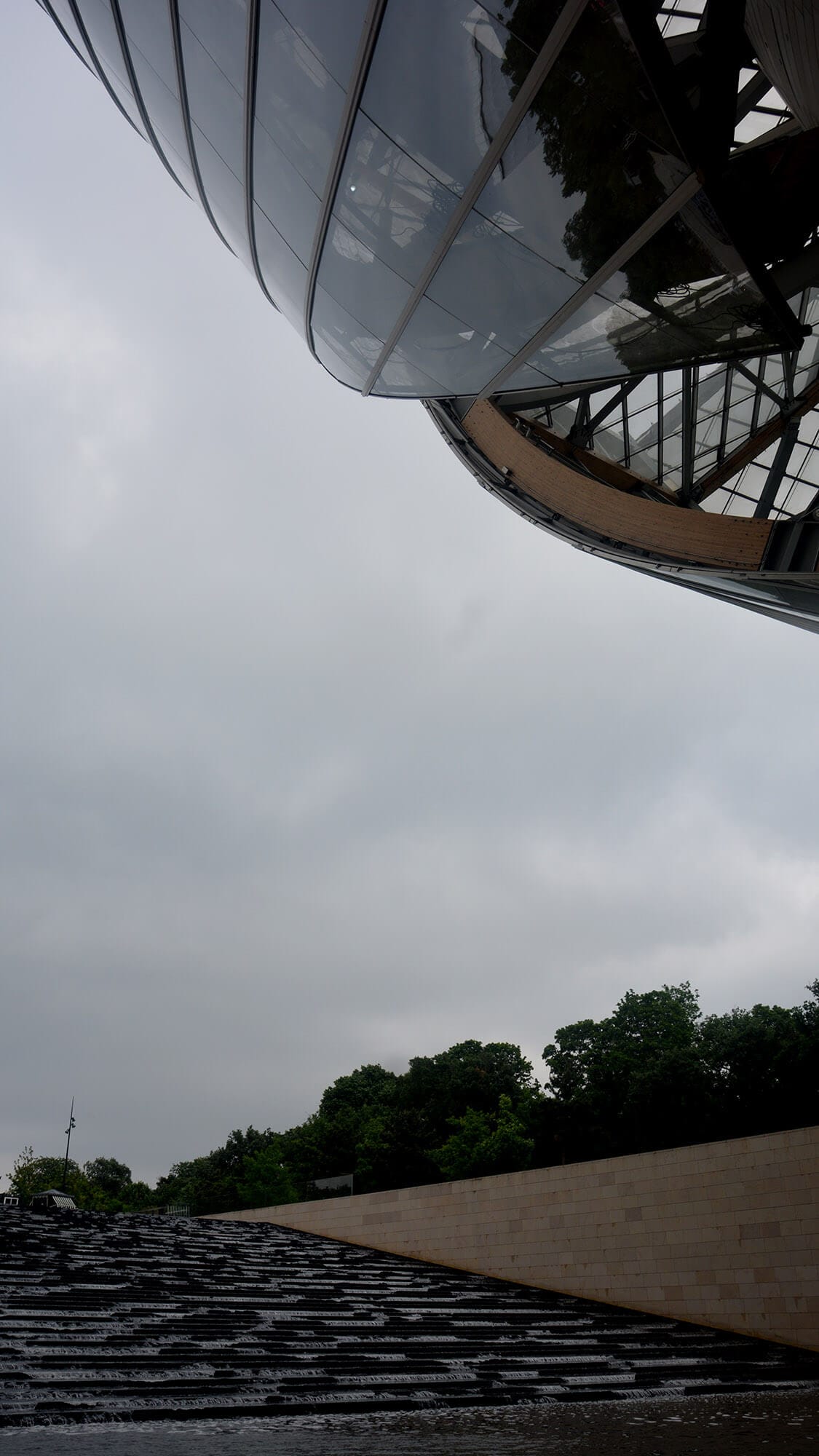
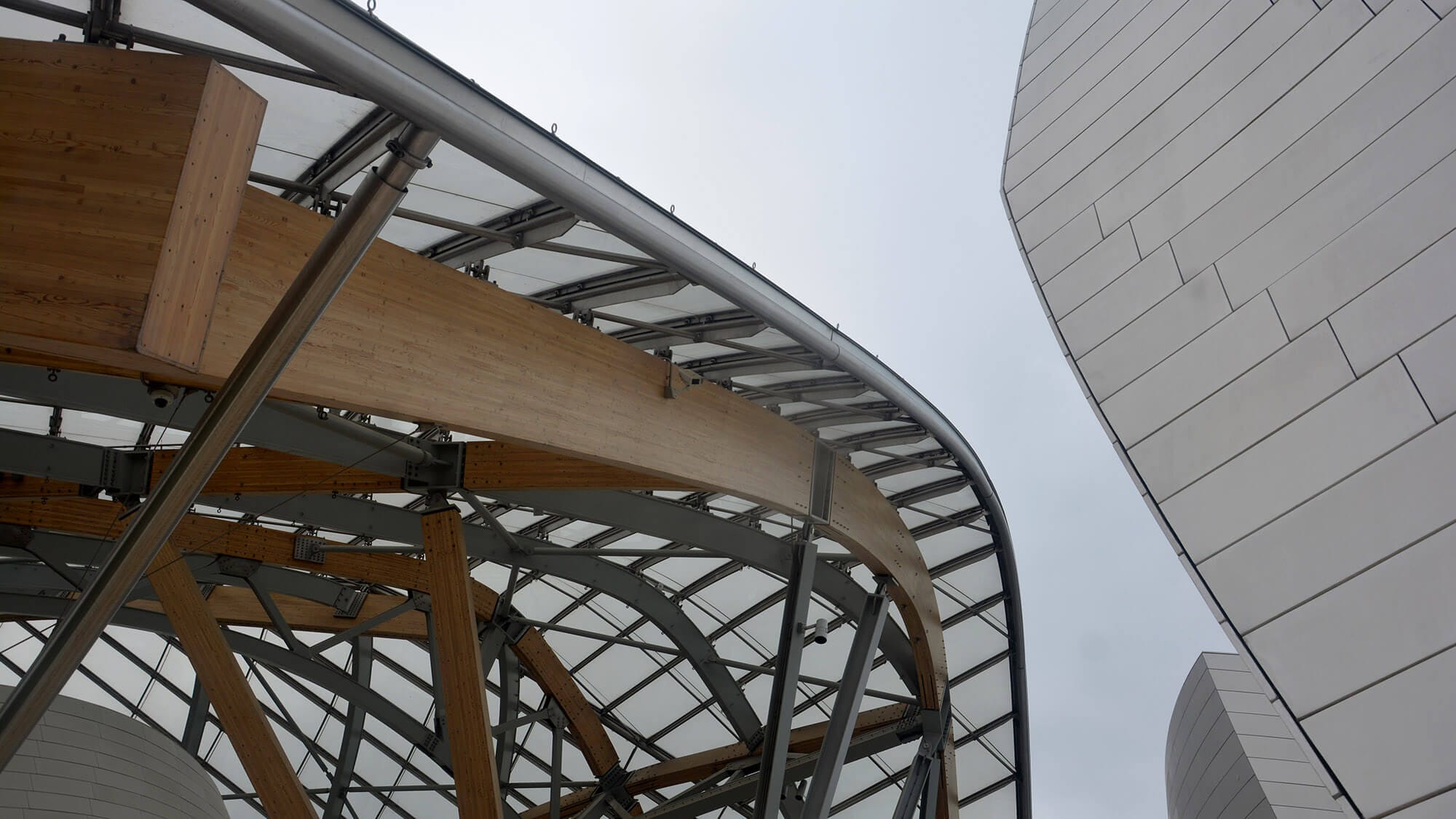
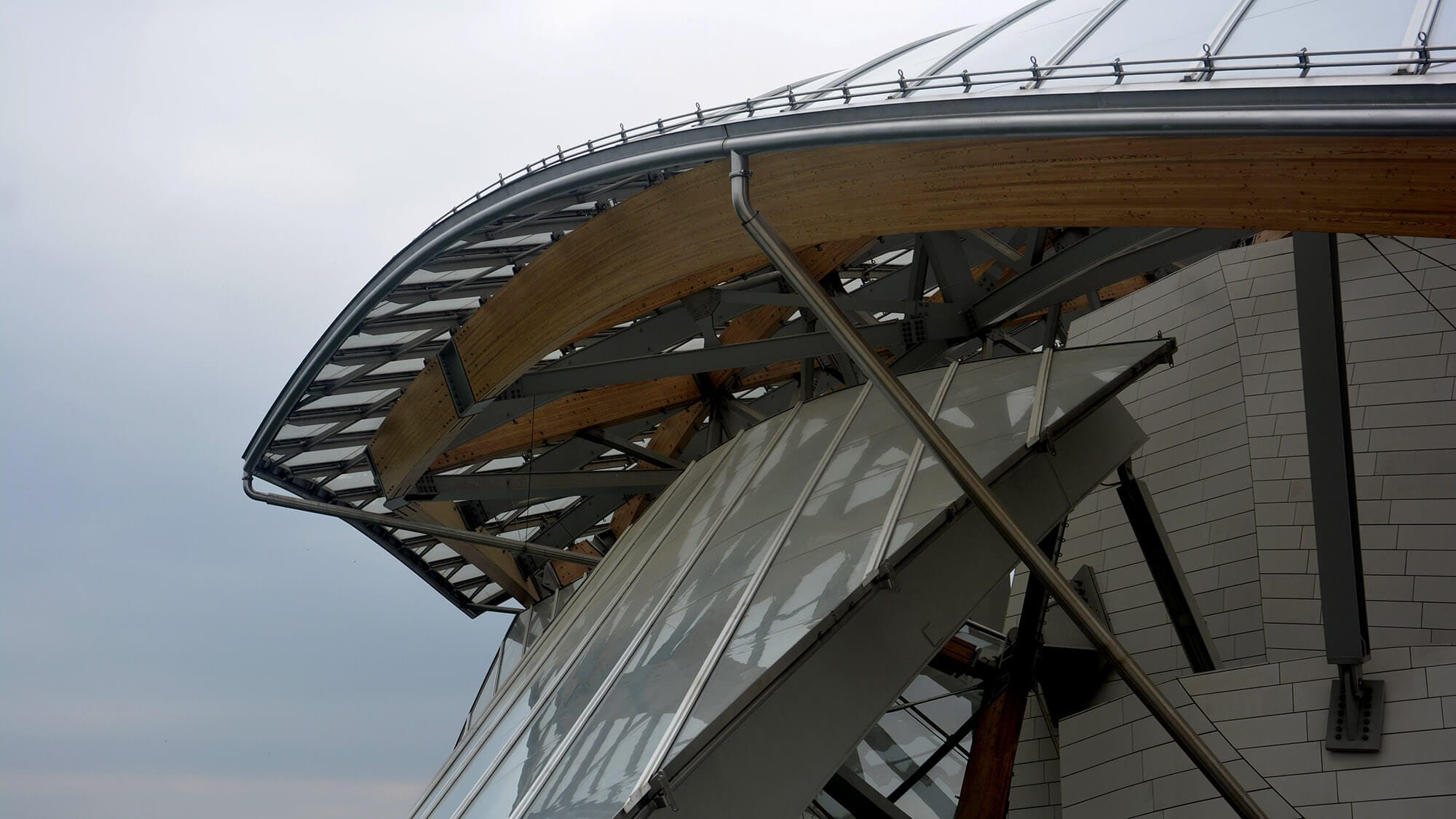
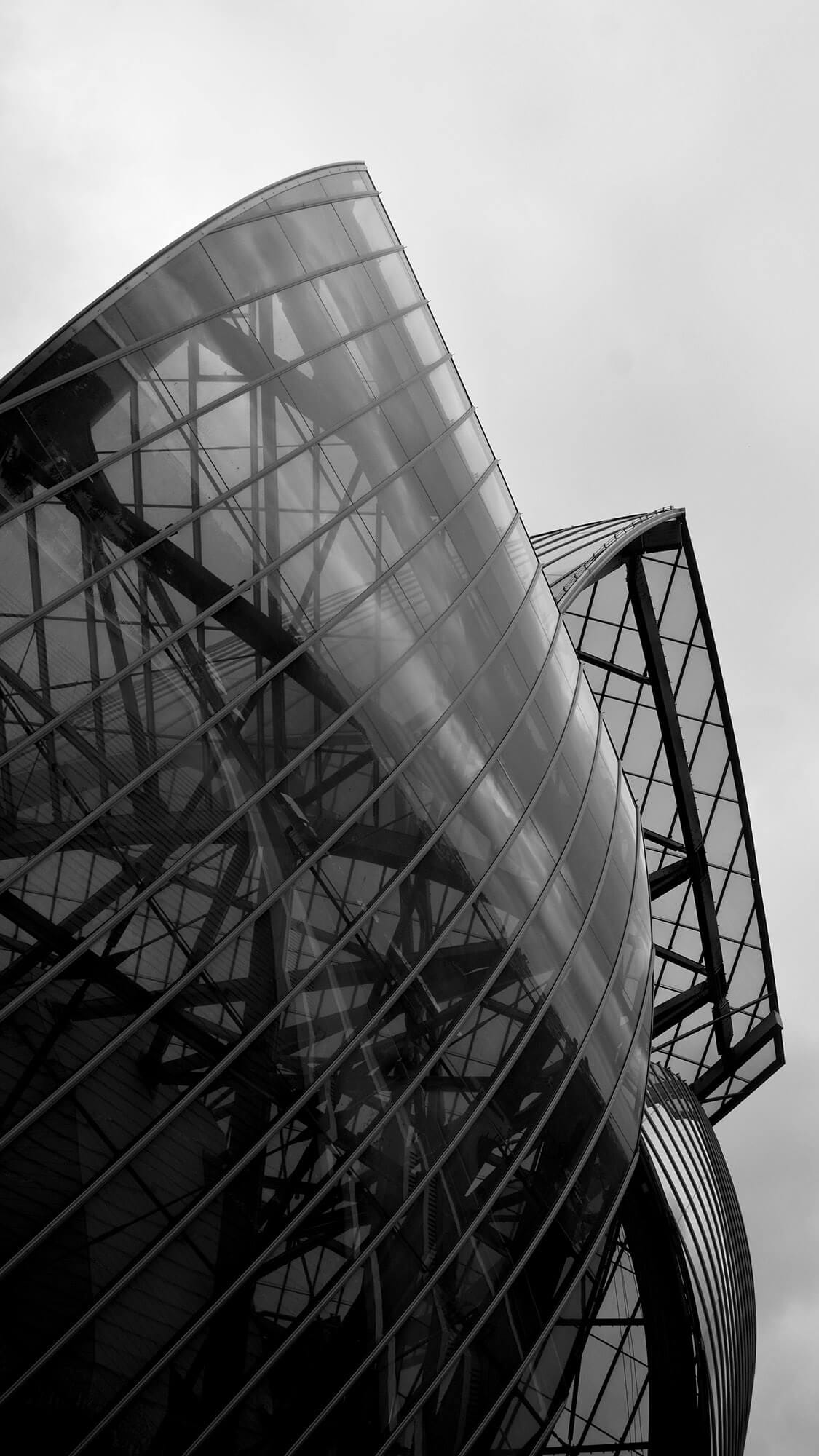
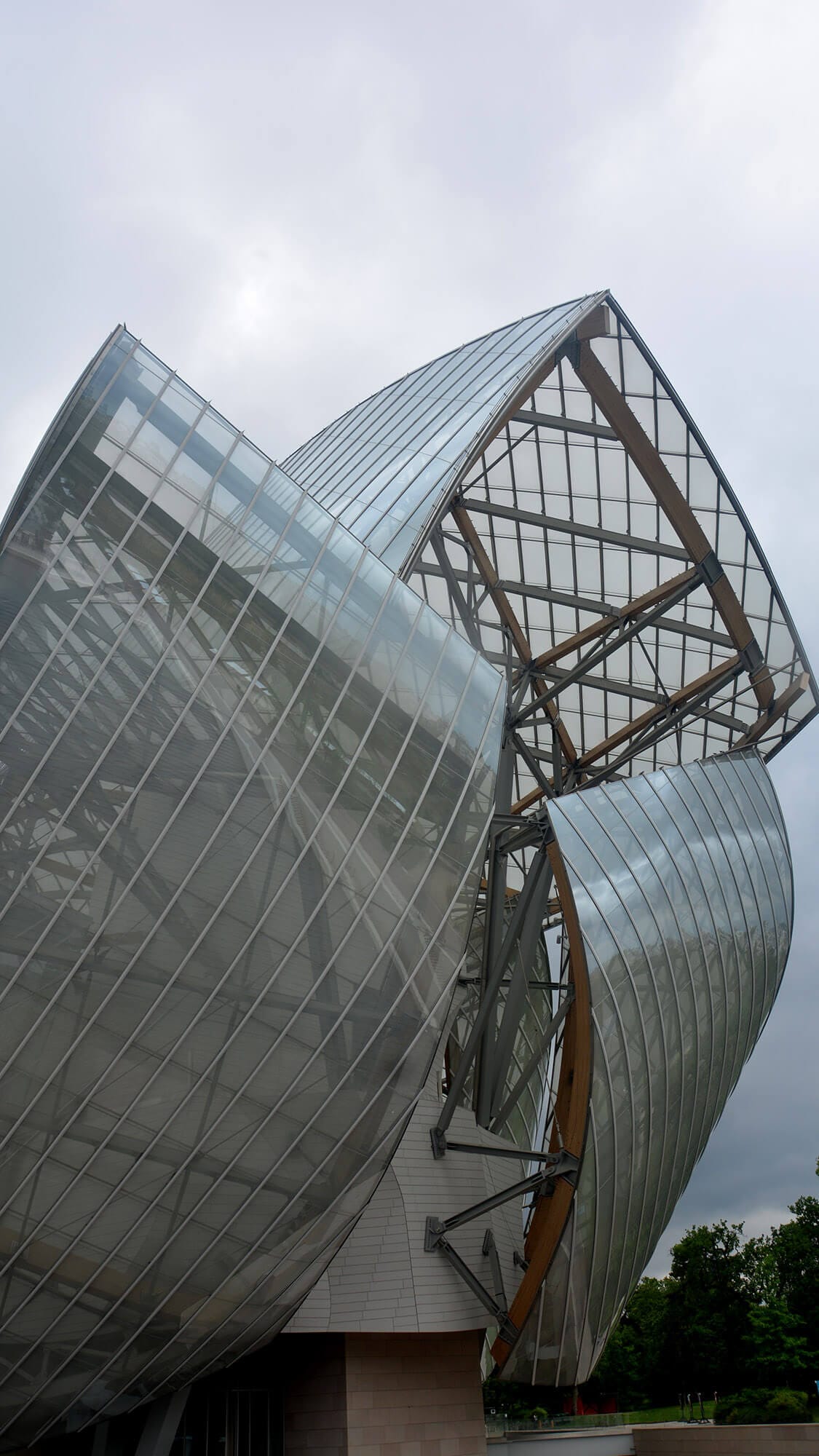
Located within the Bois de Boulogne, a vast green district in Paris, the Foundation rises gently above its natural setting. As we approached, it appeared like the sails and masts of a ship encased in glass.When the glass sails of the LV Foundation first appeared, I stopped walking for a moment. Its large, curved and overlapping glass panels reflected the grey sky and surrounding greenery.
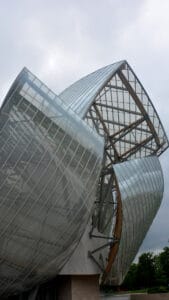 We knew we were in for an extraordinary encounter as we entered this complex built for the promotion of arts.
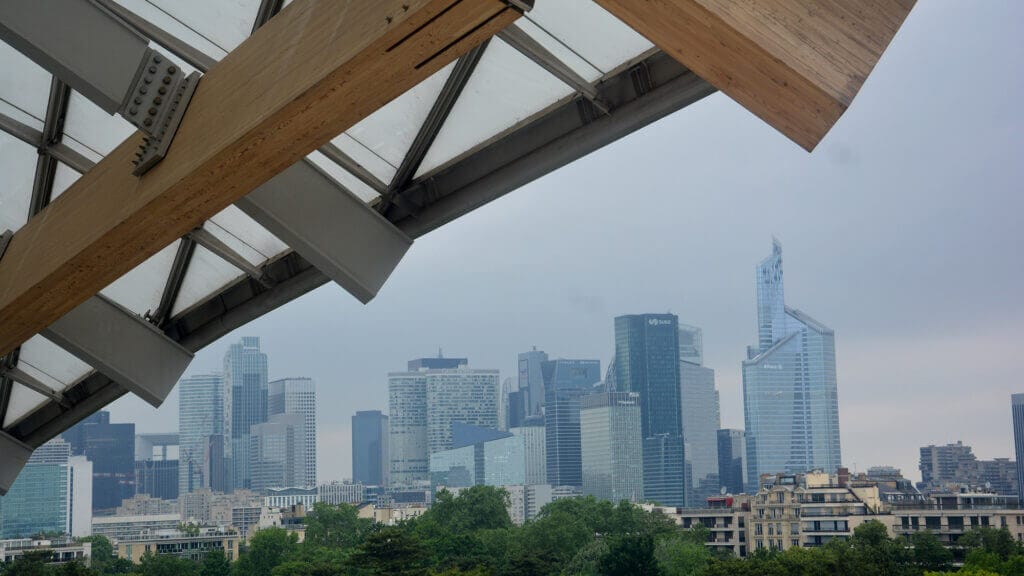
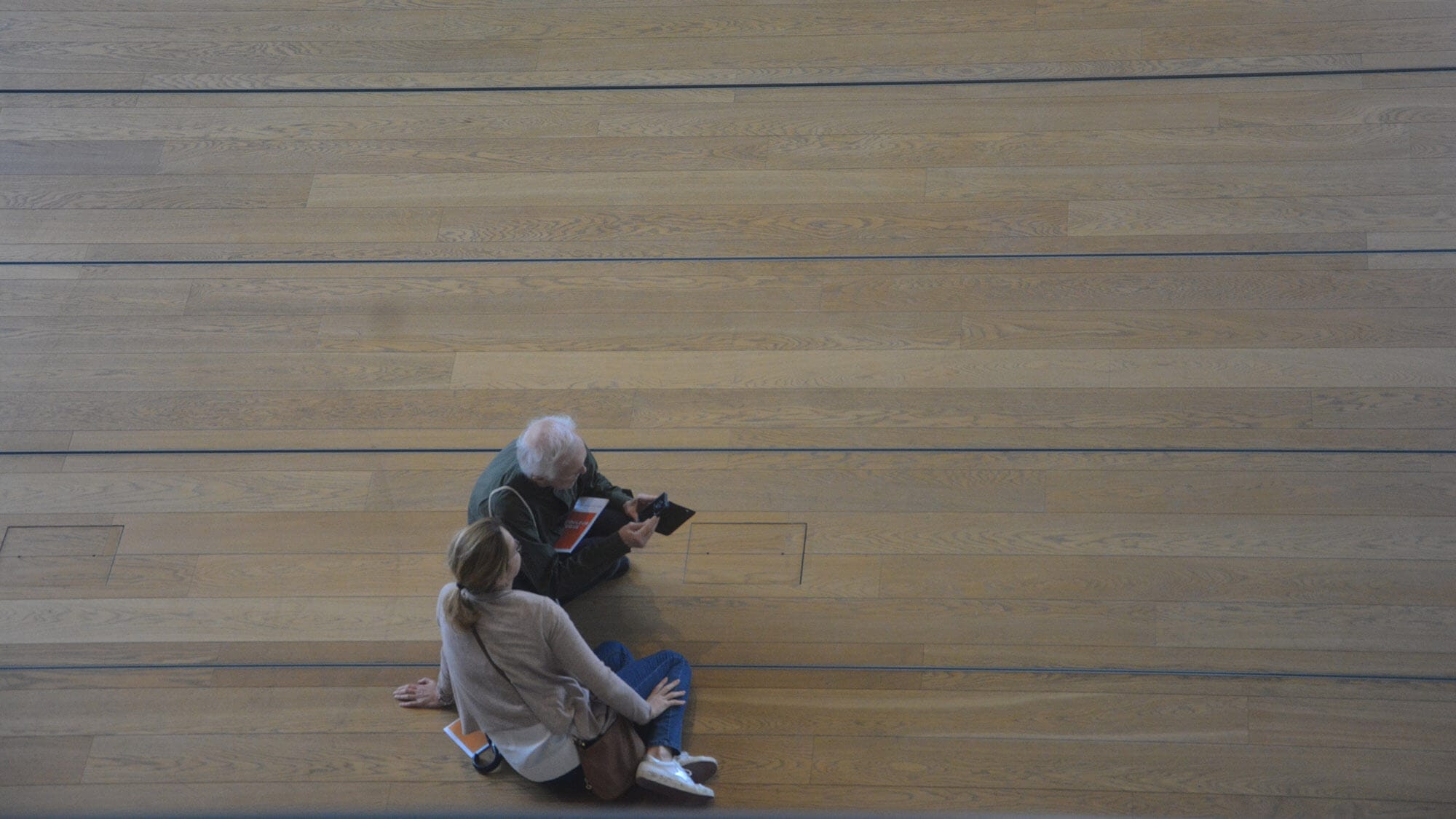
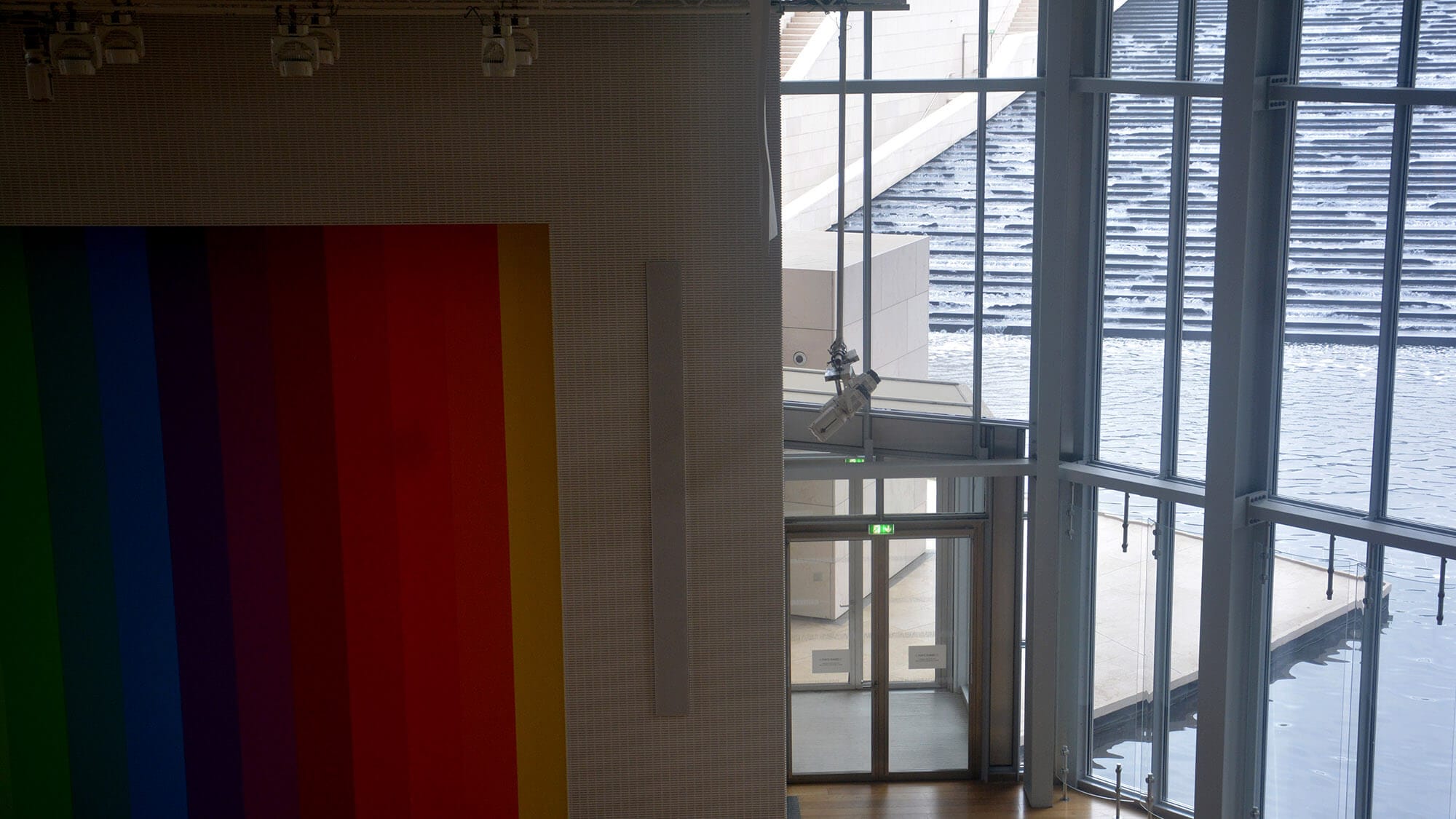
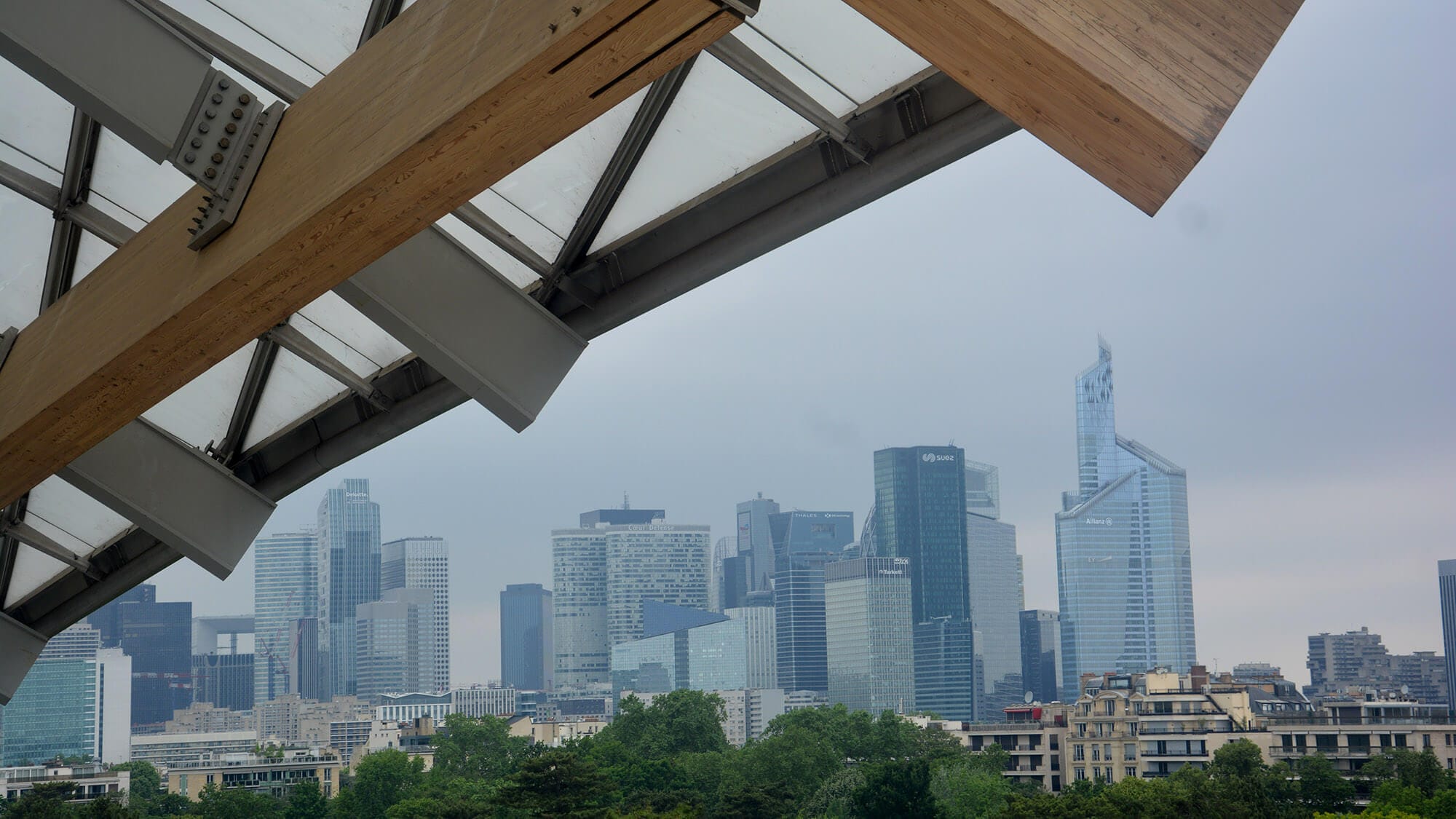
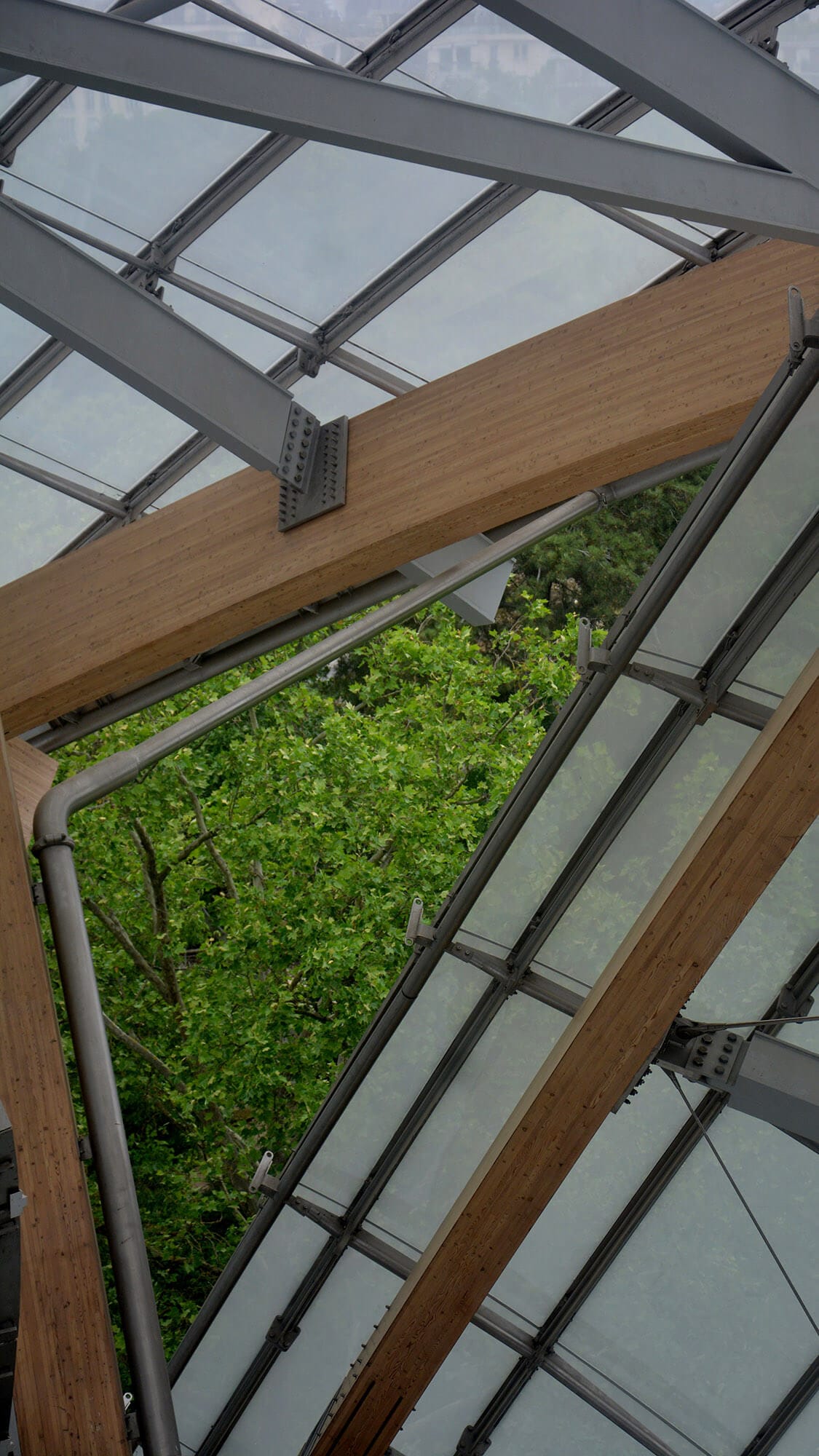
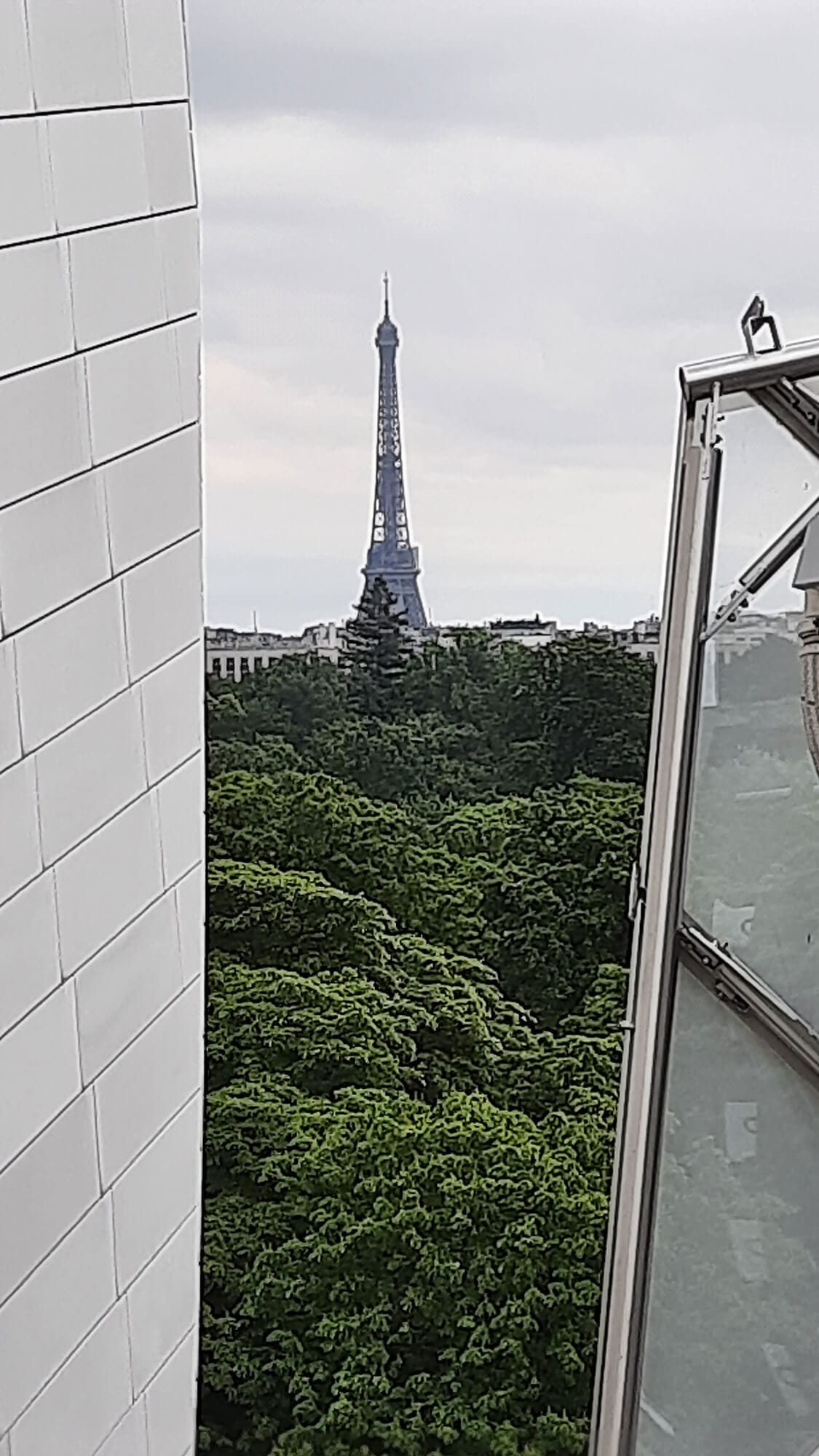
At first, the interior appears straightforward, with galleries on the left and a cafeteria and mini-theatre on the right. But as we began exploring and climbed the stairs, magic revealed itself at every level. There are simple, rectangular galleries displaying contemporary art which give way to unusual spaces displaying contemporary art. As one moves through the building one encounters terraces offering filtered views of the surroundings and distant glimpses of the Eiffel Tower,cafeterias on the upper terraces open to sweeping views, and one finds unexpected frames of Paris’s skyline through wood and glass.
Unlike the Vitra Museum, this building engages visitors gradually, revealing itself in layers and creating an enriching experience. It is as if the architect converses with you through this building.
Understanding the Mind Behind the Masterpiece
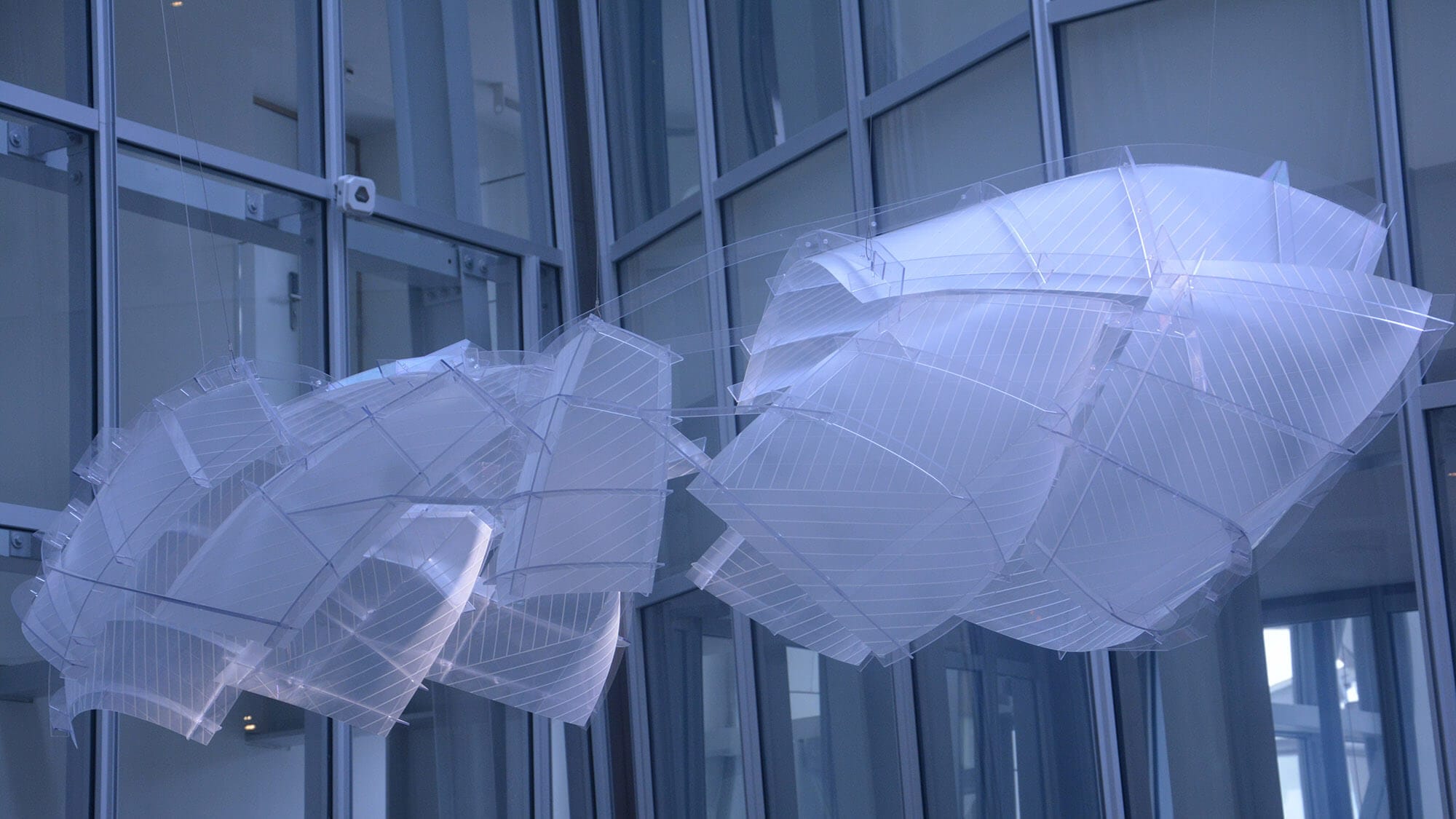
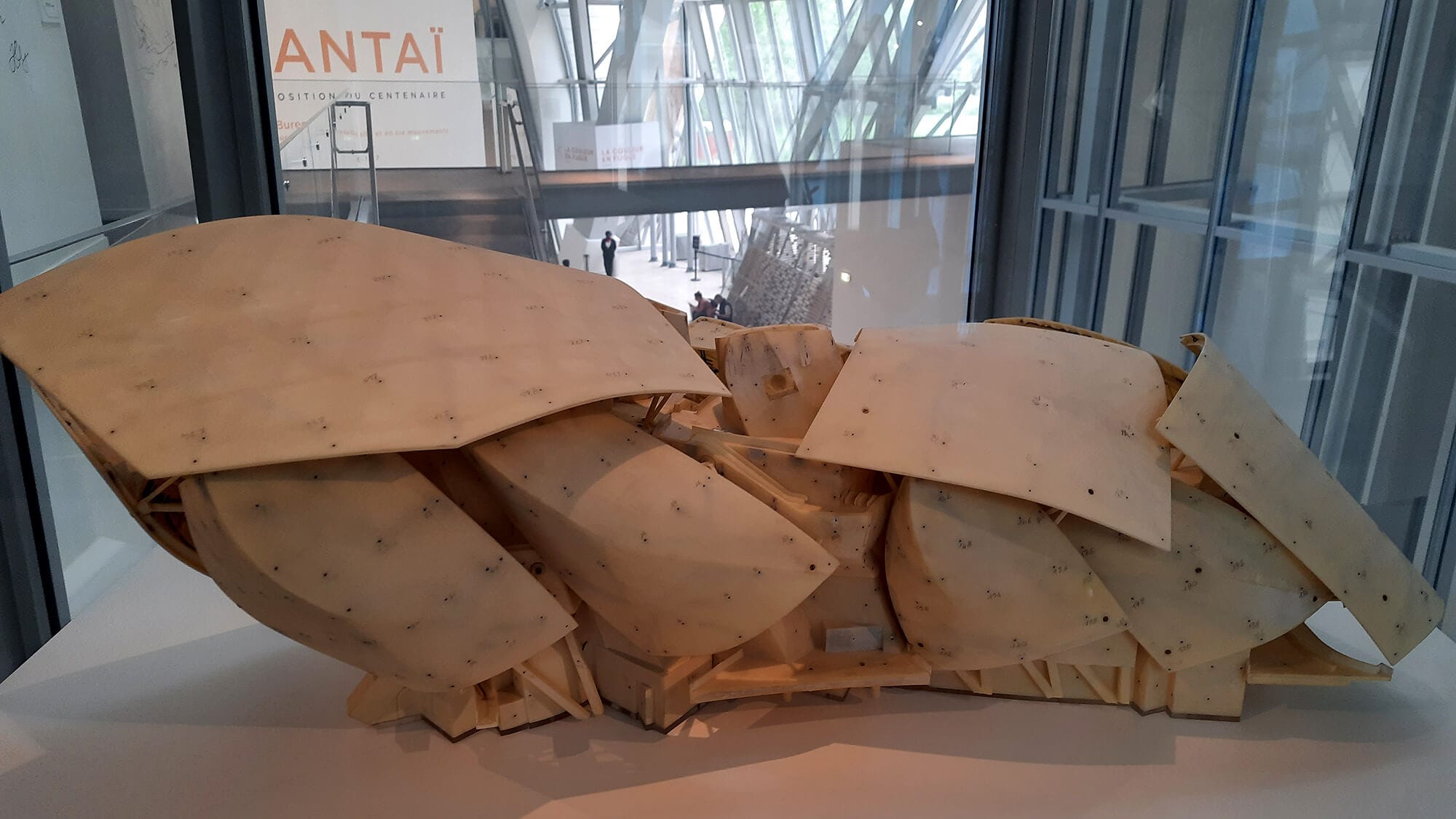
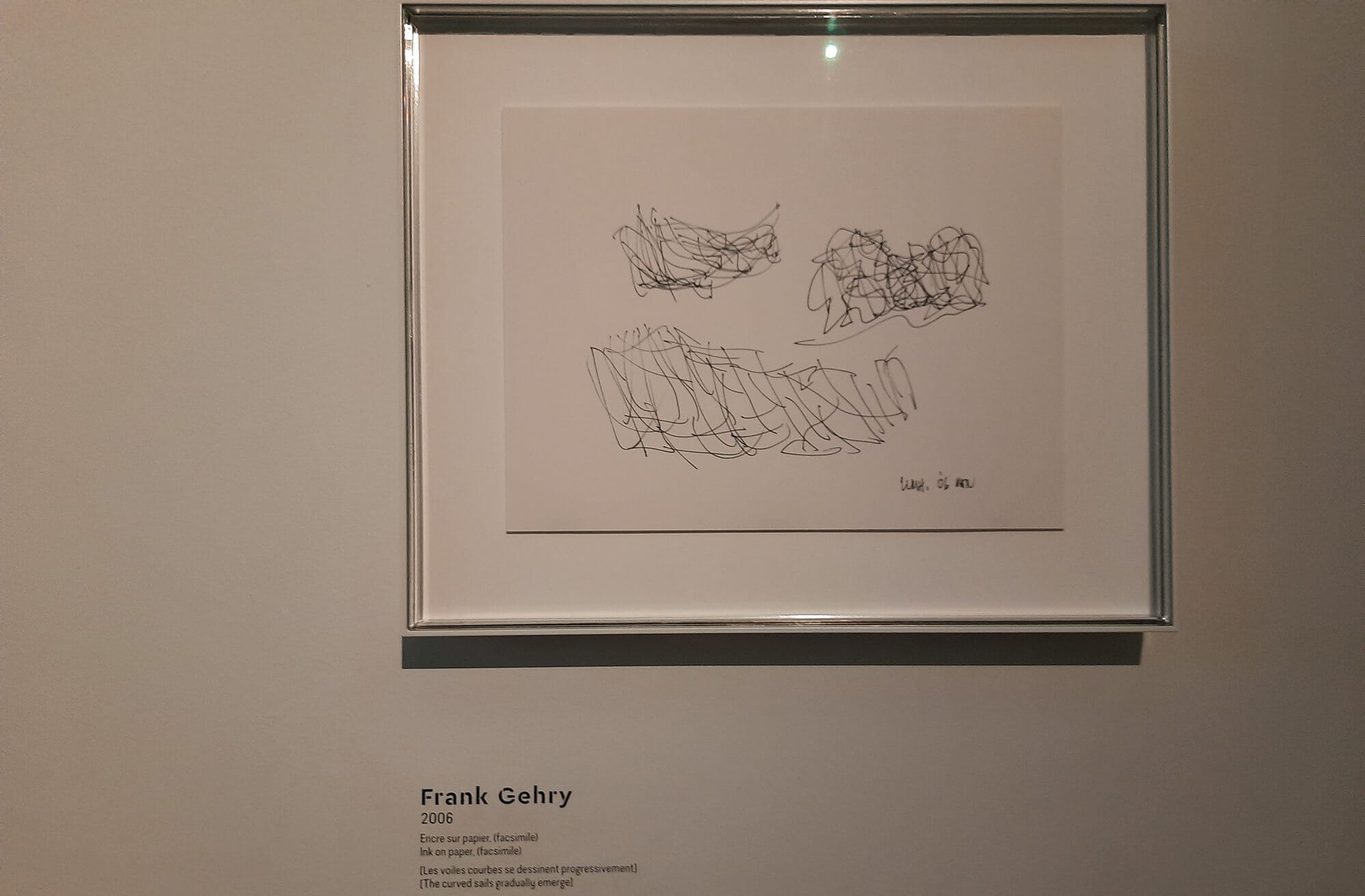
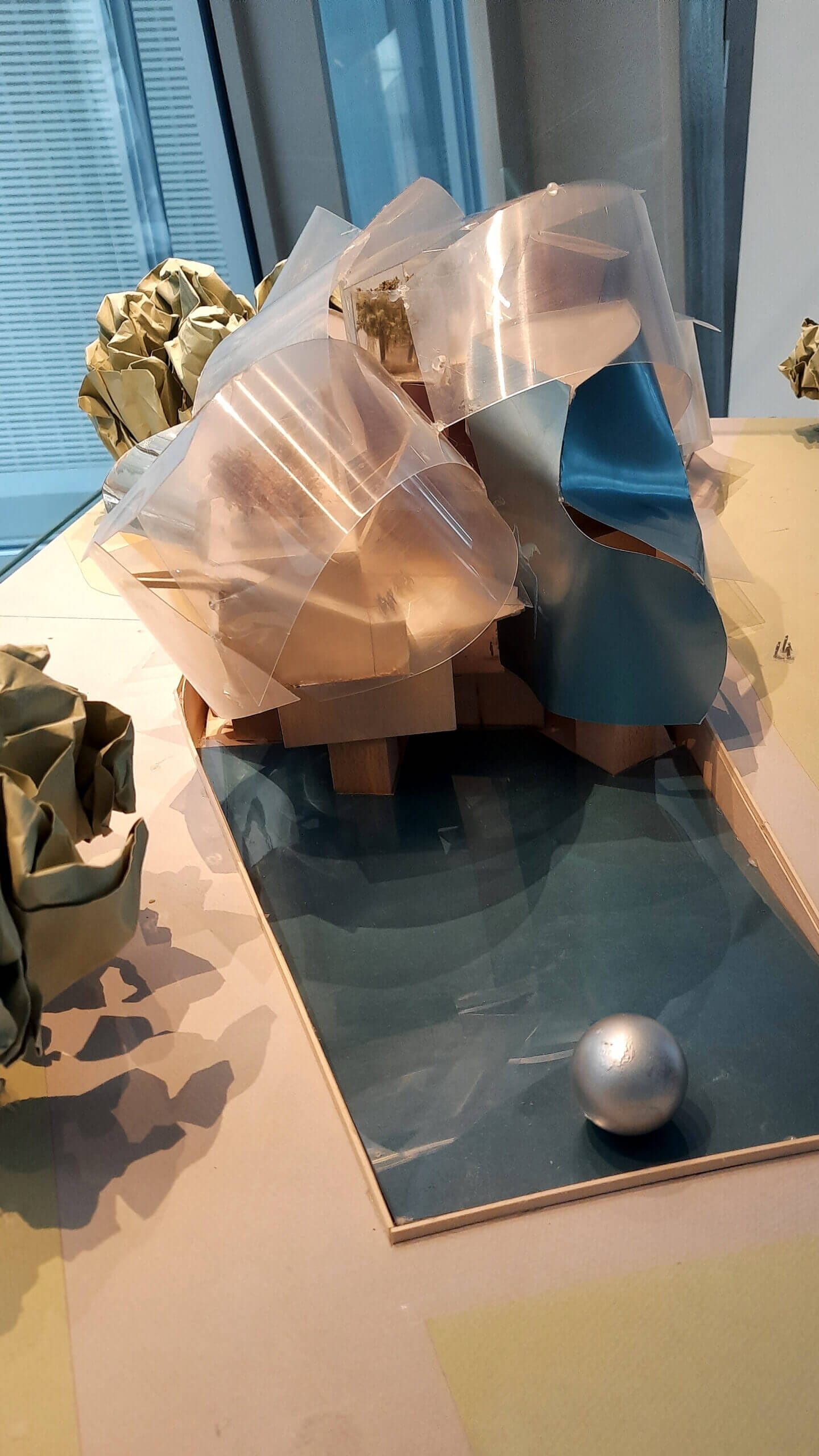
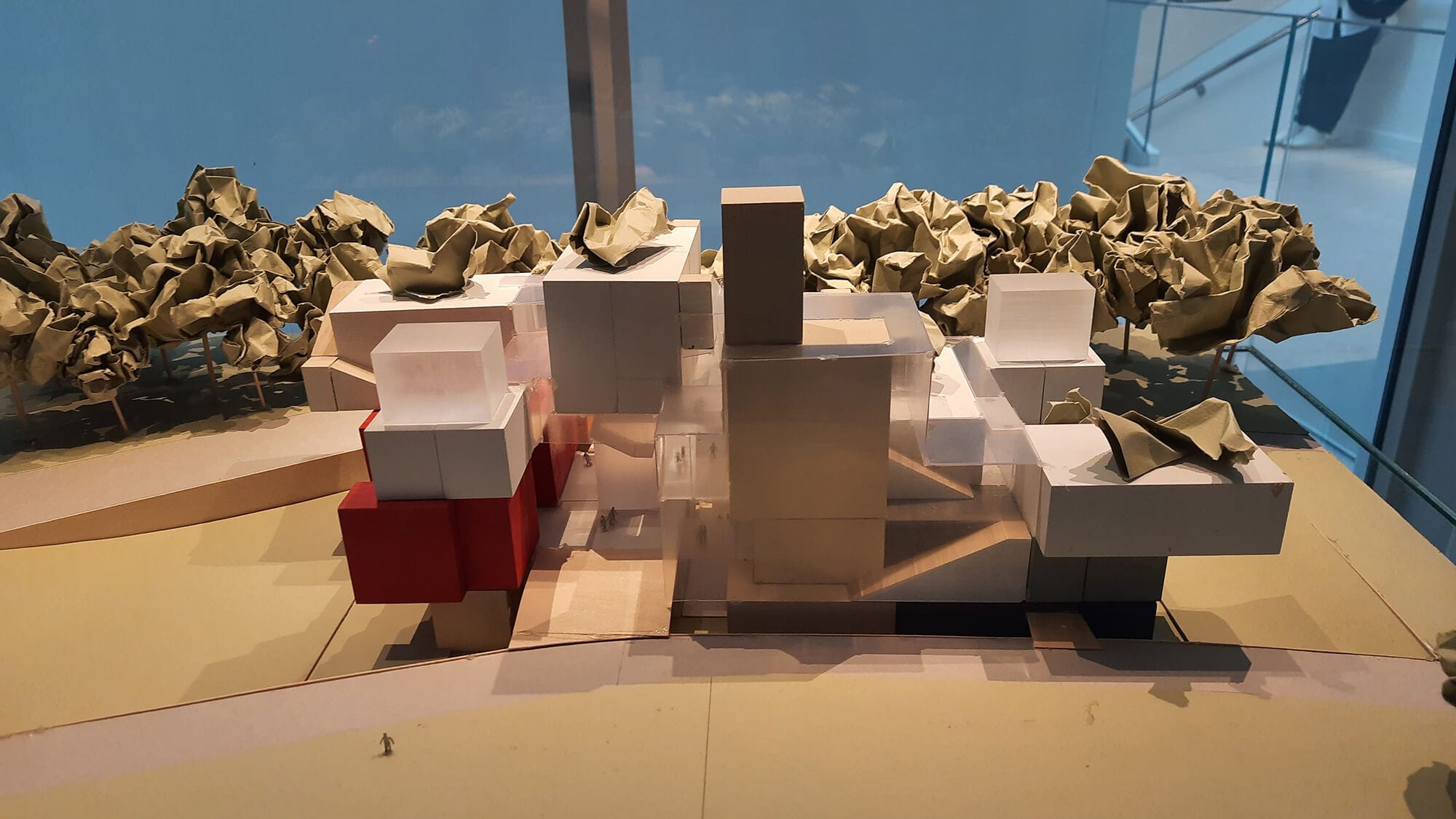
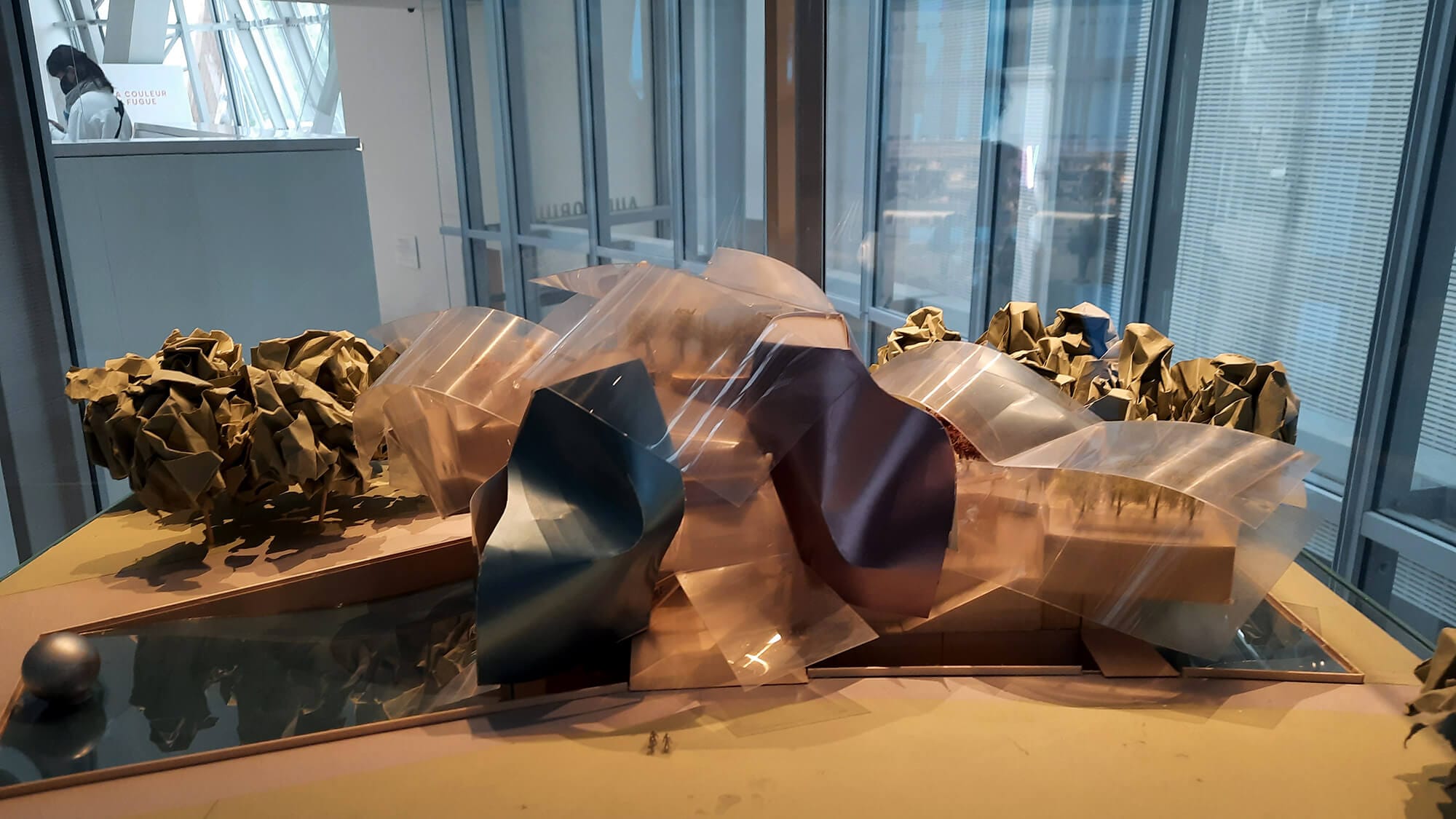
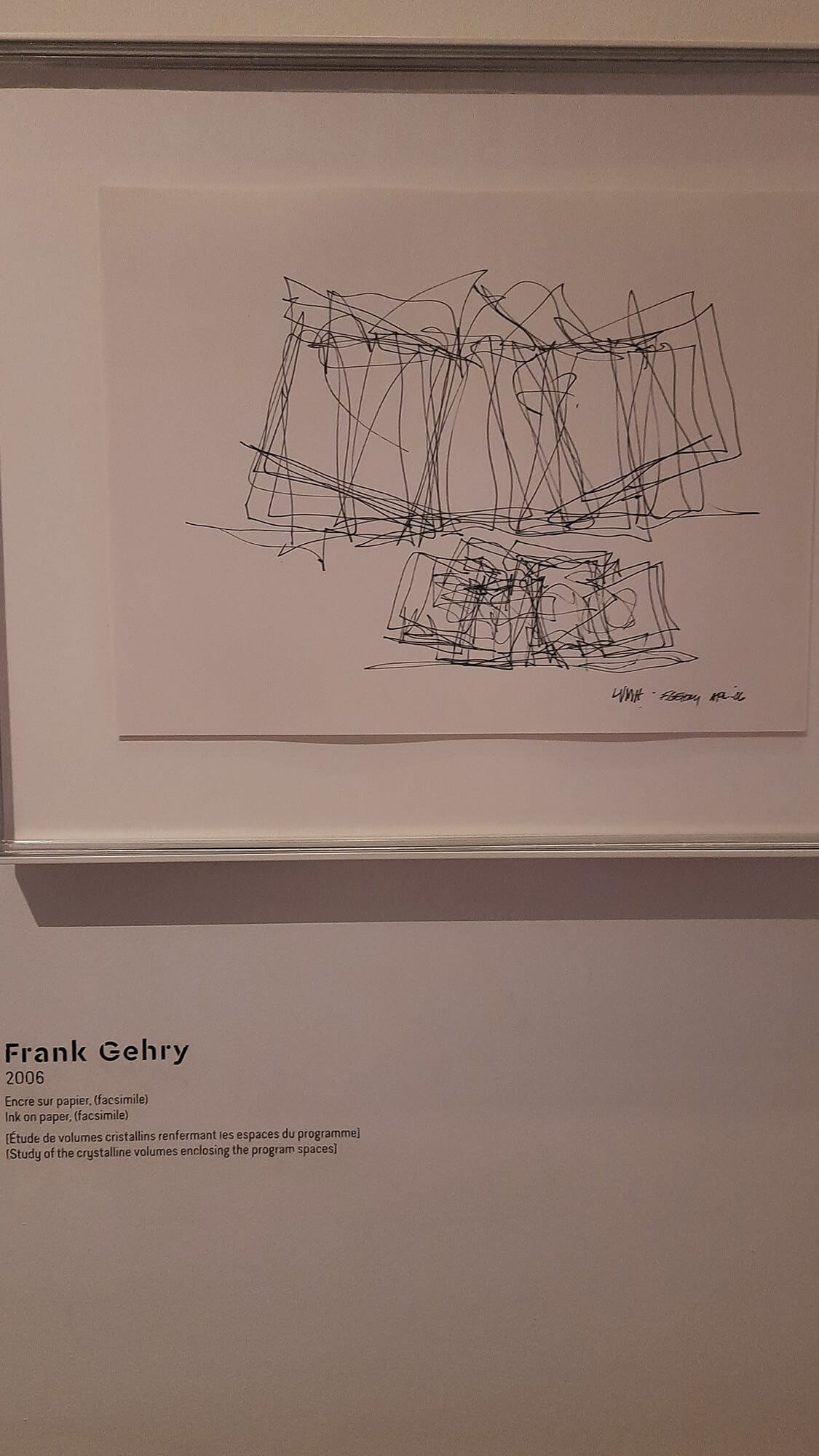
 We continued our exploration and we came across a dedicated section highlighting the evolution and construction process of the building. Another space displayed models and sketches, showing the progression of Gehry’s ideas—from early concepts to the final ship-like composition. It was delightful to see how deeply the Foundation understood Gehry’s legacy and the significance of the masterpiece being created.
As we moved through the complex, we eventually reached the mini-theatre. Here, we found a much-needed pause—a calm space with a cascading water body as a serene backdrop. The quiet theatre and gently flowing water gave us a moment to reflect. We were both thrilled and satisfied as we left the premises.
A New Understanding of Architecture and the Human Spirit
 I had always seen Gehry’s work as extravagant and flamboyant, almost detached from the realities of everyday life. But this visit reshaped my understanding of the human spirit—and how architecture can elevate it.
This building is a testament to the human spirit—a spirit that may not always follow rules but uses imagination to create meanings – for generations to interpret it in their own way.
The work is a triumph of human enterprise, where the drive to break free from the mundane and create something extraordinary is profound.
Its design proves that modern life can still produce majestic architecture, stretching the boundaries of what is possible.
Most importantly, the place confirms that the human spirit always strives for greater experiences—and often achieves them.


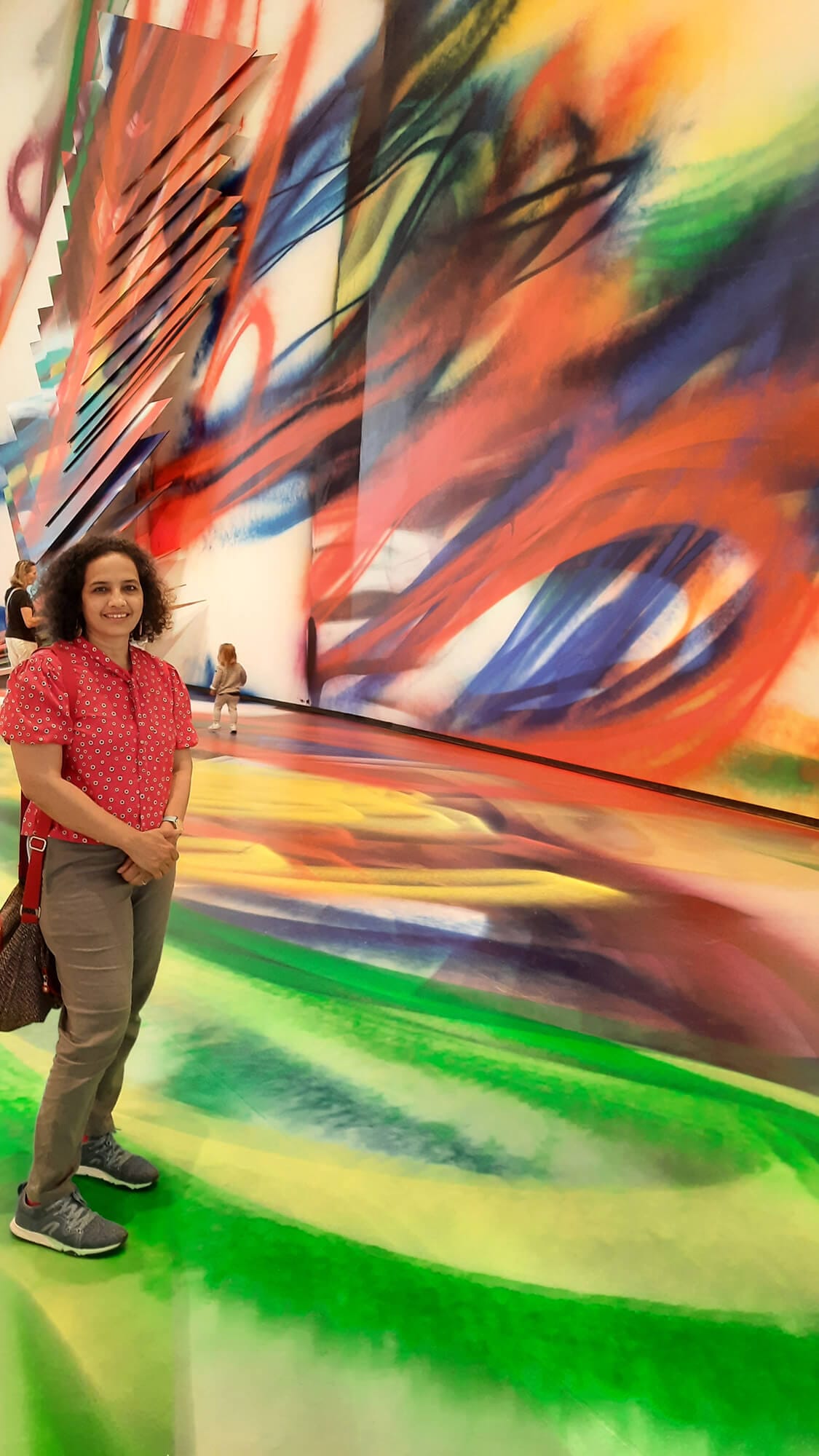
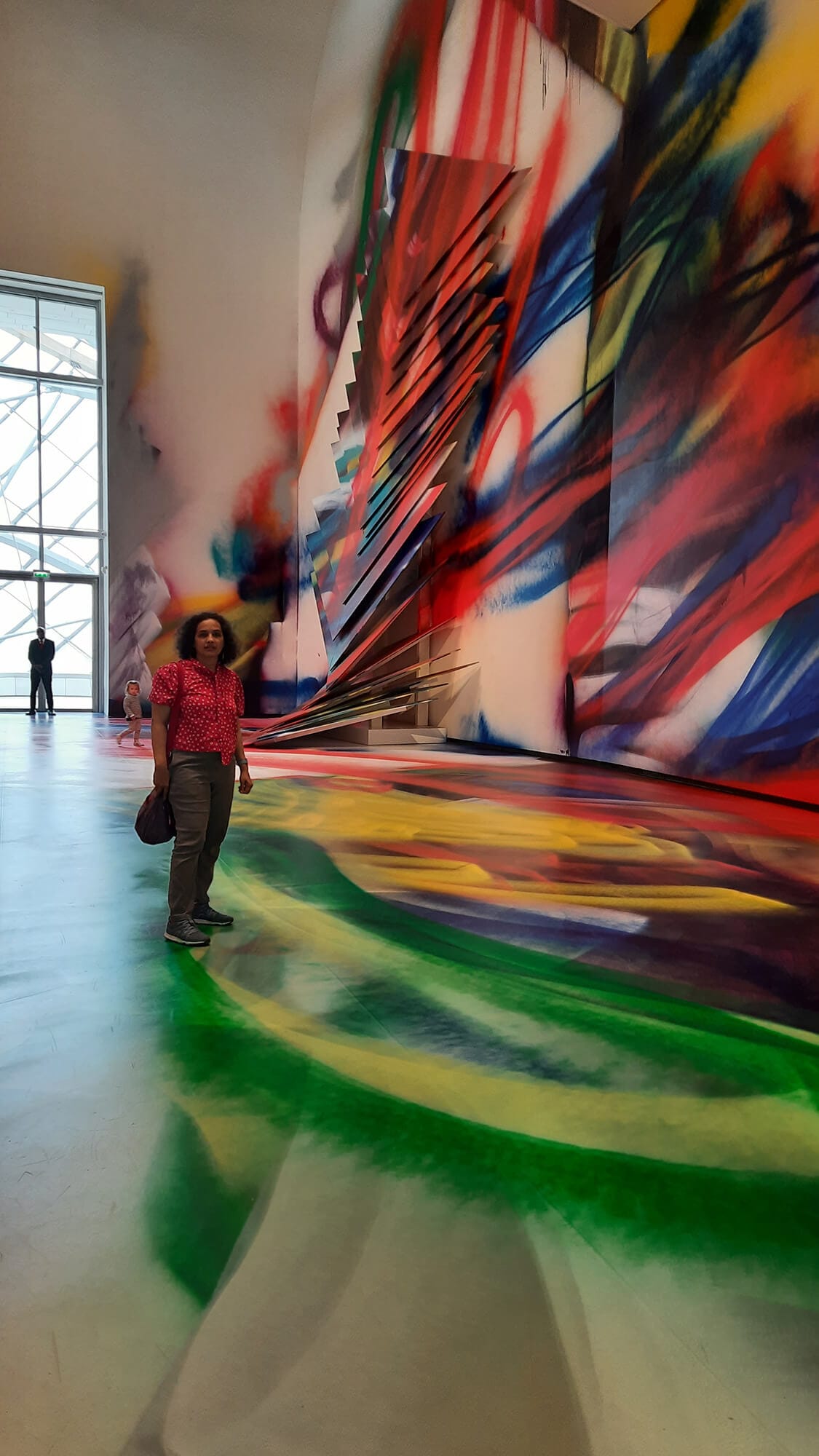
It was truly enlightening to discover these unique buildings from around the world, ones that many people admire but seldom explore on a deeper level. Great article!
Thanks Naval
great article, Krushna! We have the pleasure of experiencing his art every day in Chicago – he designed the Jay Pritzker Pavilion, which is part of Millenium Park in Downtown Chicago featuring Anish Kapoor’s Cloud Gate and other features. https://www.architecture.org/online-resources/buildings-of-chicago/pritzker-pavilion. Thoroughly enjoy the experience – both visually as well as the acoustics!
Thanks Nikhil
Extraordinary ode to the Extraordinary!
You have a way to elaborate such that it creates a visual imagery… and it appeals uniformly to those who may be interested in architecture or not.
I love traveling yet, i never thought I would enjoy even virtual traveling until I read your articles!
Keep it up.
Thanks Nidhi