
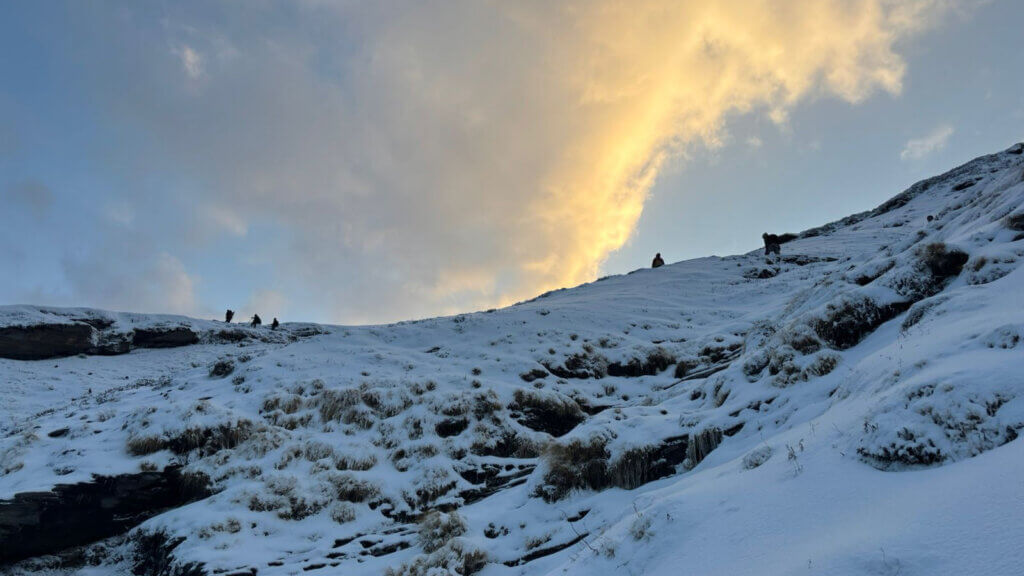
The Call of the Himalayas
This summer, I went for my fourth Himalayan trek.
Part of it is an urge to challenge myself at this age—for both mental and physical stamina. But mostly, it is the call of the great Himalayas—with their snow-clad peaks, green valleys, pristine meadows, tall forests, and simple people—that makes me return to them again and again.
This year, it was Chandrashila Peak that was calling.
From Memory to Decision
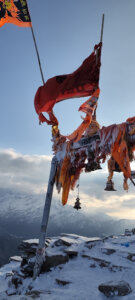 I had first heard about Chopta–Tungnath–Chandrashila during my first trek to Har Ki Dun from a co-trekker. He wanted to trek to this beautiful peak, which had featured in a popular Gujarati film. Back then, it was just a place stored in memory.
That it is a Shiva temple situated at the highest altitude and also one of the Panch Kedar temples is something I learned only recently—and it deepened my desire to visit it.
After Gaumukh, Hampta Pass, and Har Ki Dun, I had wished to go for a difficult one.
But plans change for the right reasons.
 Meera, my daughter, was returning to trekking after her knee surgery. We wanted her to regain confidence—not test limits.
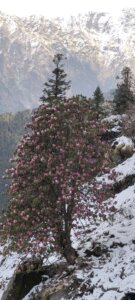
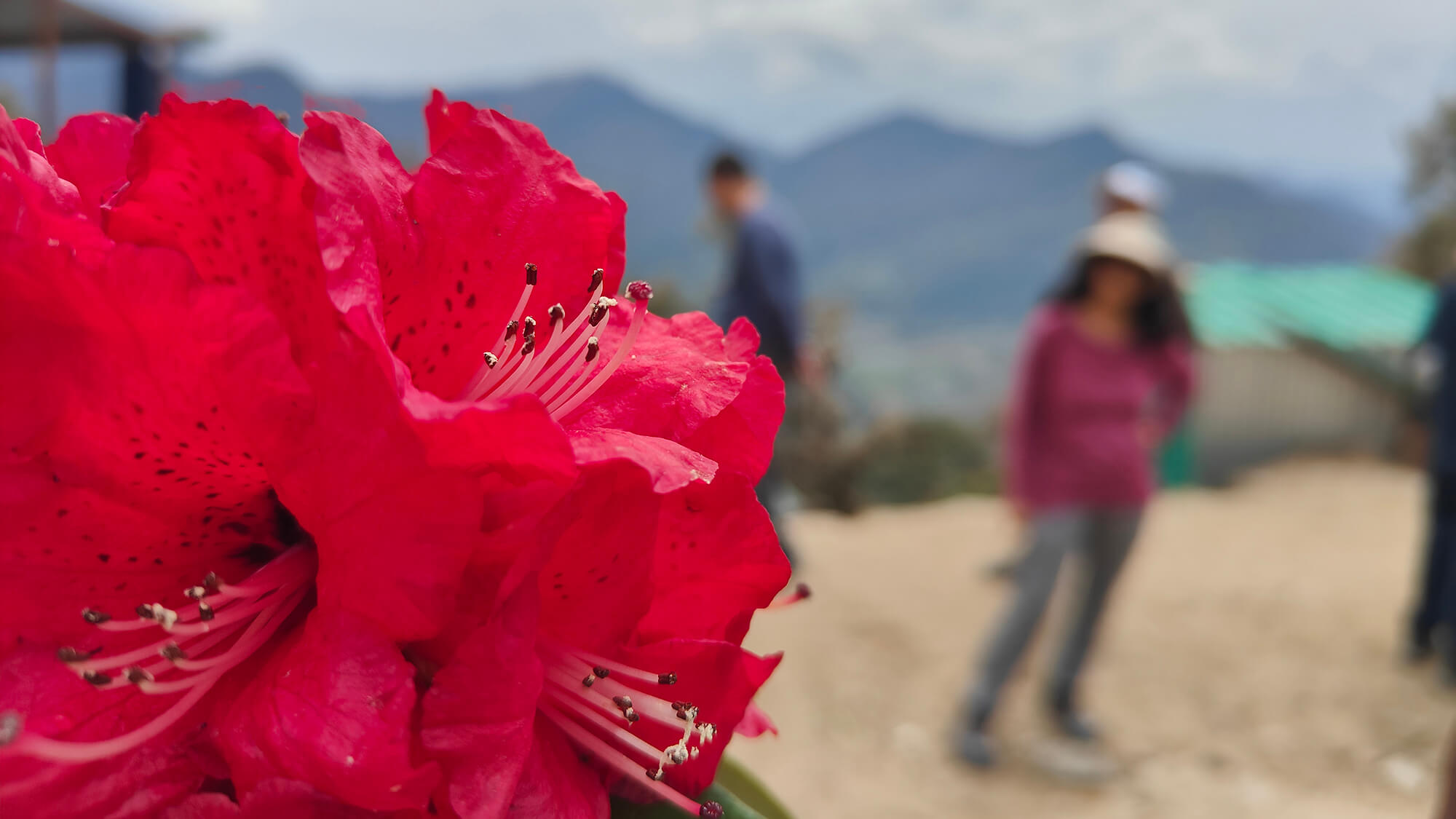
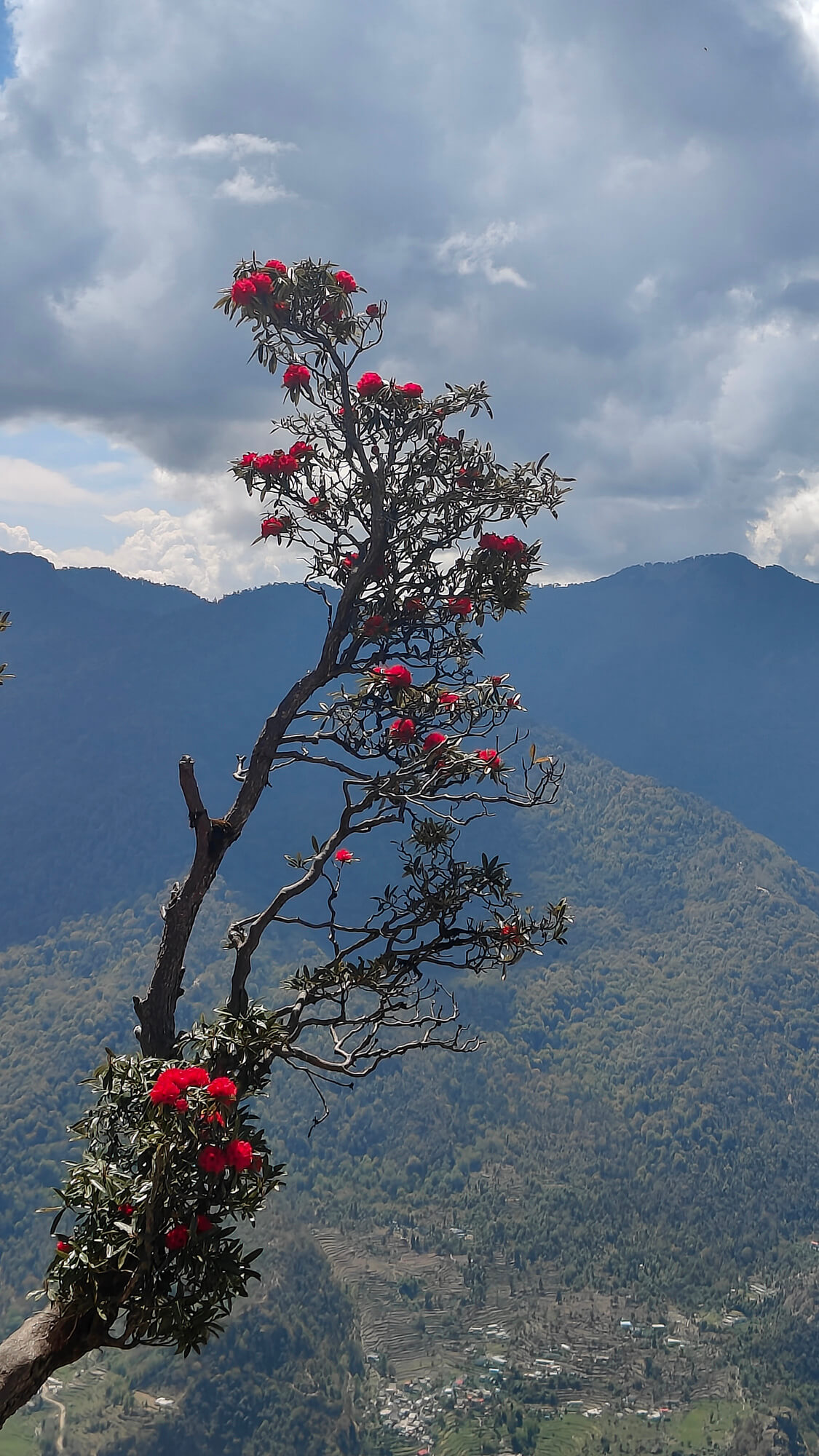
So Tungnath–Chandrashila it was – booked with Trek the Himalayas . It is an easy to moderate trek, usually meant for beginners. We chose the first week of April deliberately. It is just before the summer rush begins, but we chose it mainly for the famed rhododendron—or Buransh, as they are called locally—bloom.
I had read about trails washed in flowers and forests lit up with red during this season.
Also, this season is supposed to have clear weather, when the chill is just lifting after the snow melts.
When Mountains Had Other Plans
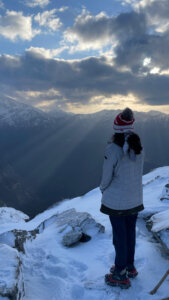 But of course, the mountains had other plans.
March brought unexpected snowfall, which lingered into April. Family members were understandably anxious. Memories of last year’s trek during the monsoon, with landslides and blocked roads, were still fresh.
But I was sure.
I was going—snow or bloom. The call of the Himalayas was too strong to ignore.
And as I told everyone later, we went to trek in the red bloom, but ended up walking in a white dream.
Easy Trails and Ancient Stories
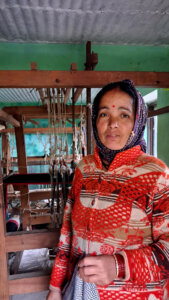 This trek starts from village Sari near Ukhimath in Uttarakhand. Since I had forgotten to carry a muffler with me, we went searching through the local market. This took us through the narrow lanes of the village, settled beautifully along a slope.
Down below, we came across what looked like a small shop, but it actually turned out to be a local handloom setup. I was delighted—not just by the warm handwoven shawls and mufflers in beautiful colours and designs, but by the young pahadi lady quietly creating them herself.
There was something deeply charming about finding such artistry in that simple little setup amidst the mountains.
I was quick to pick up a few before joining the group for the trek.
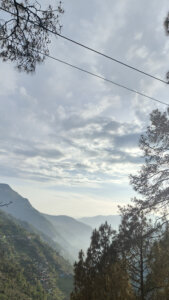 The first day felt too easy—just two or three hours of gentle climbing. It was more like a hill walk near Nashik than a Himalayan trek.
But the setting made up for everything.
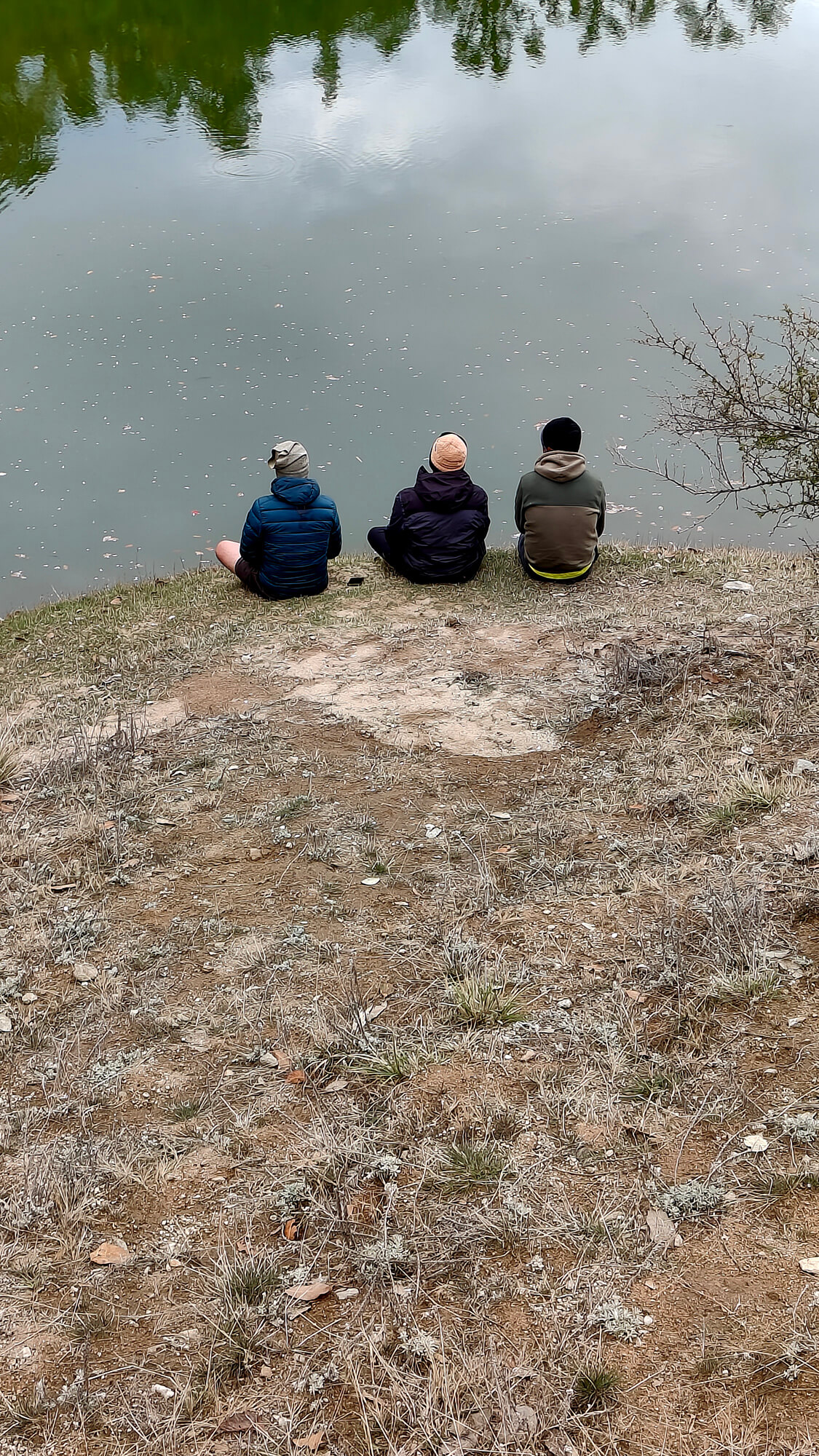
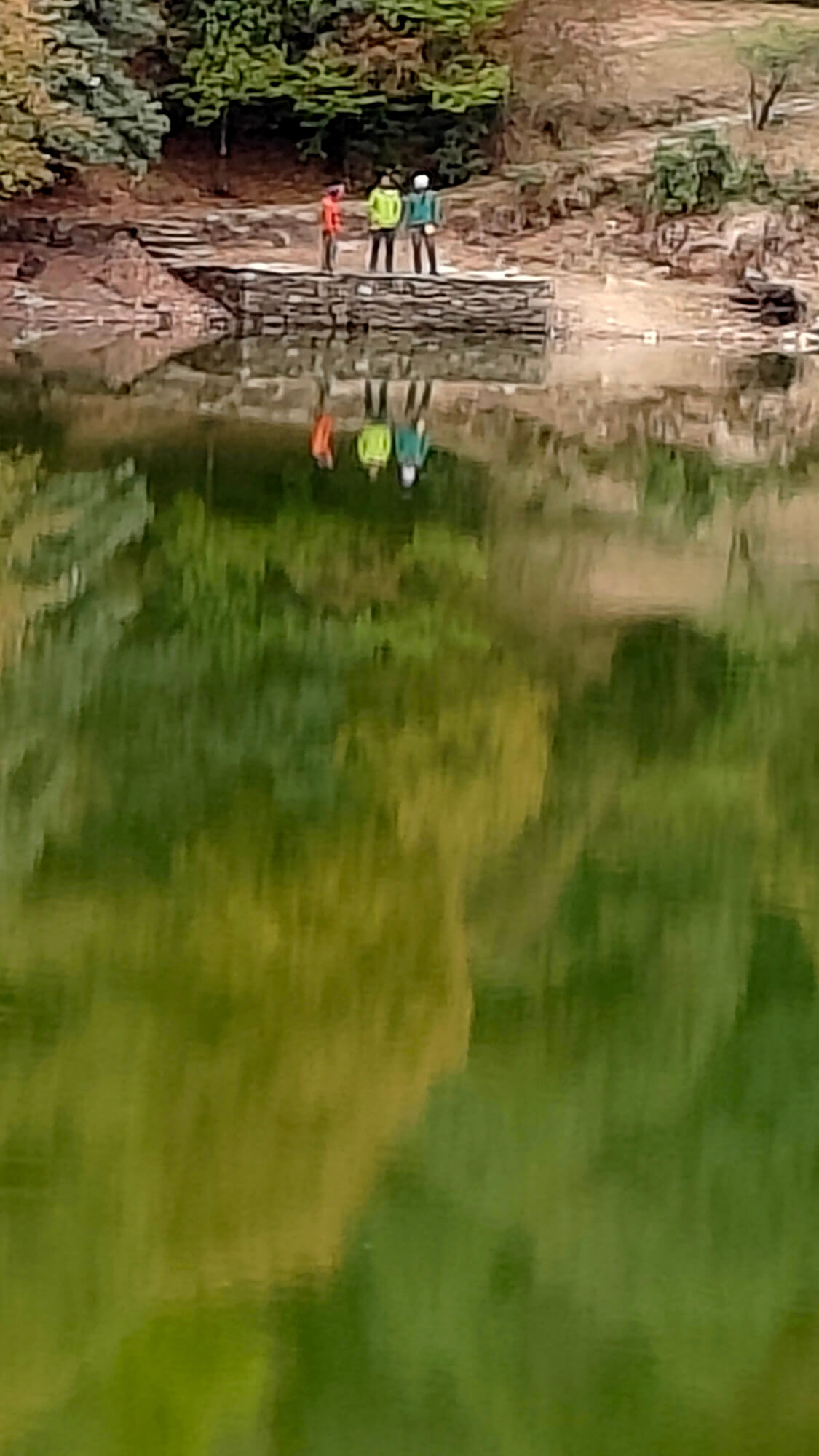
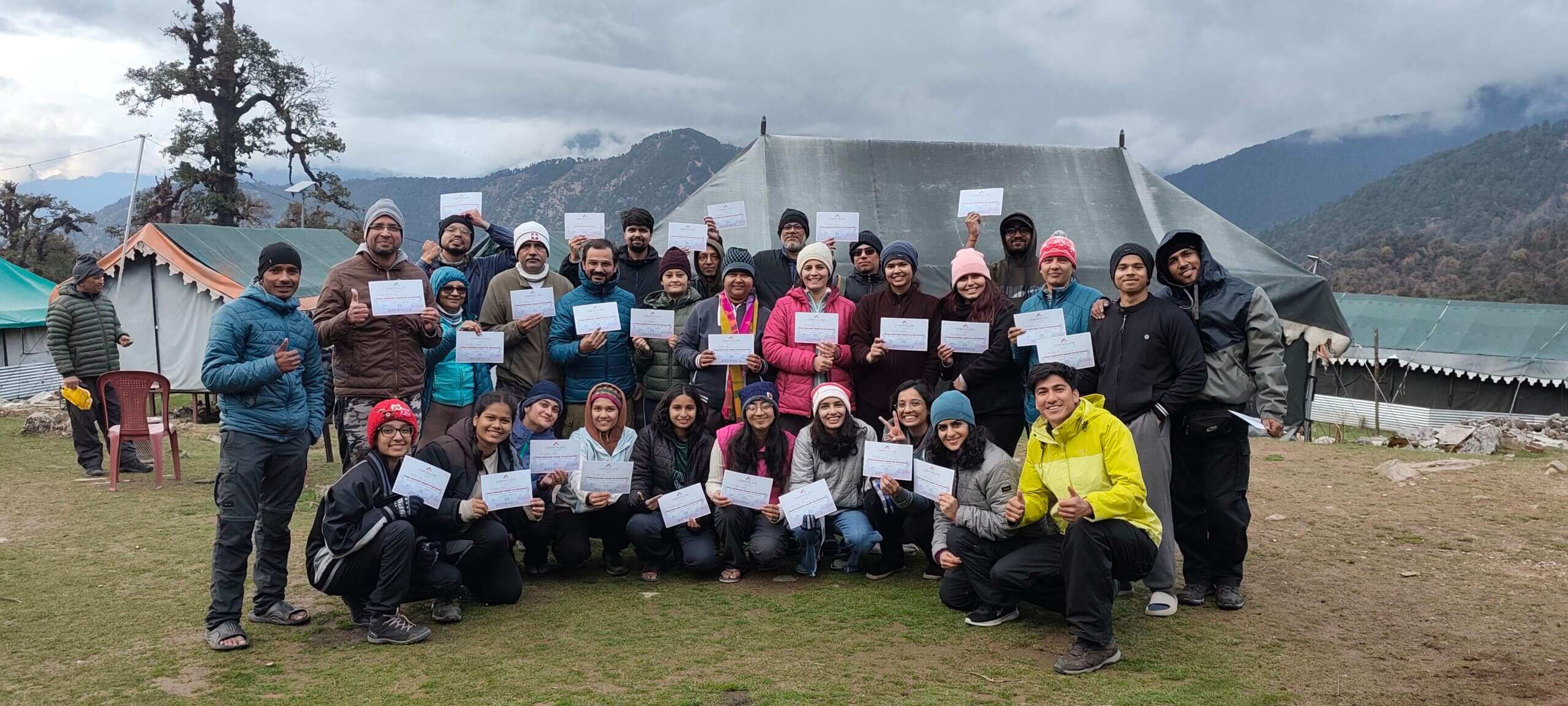
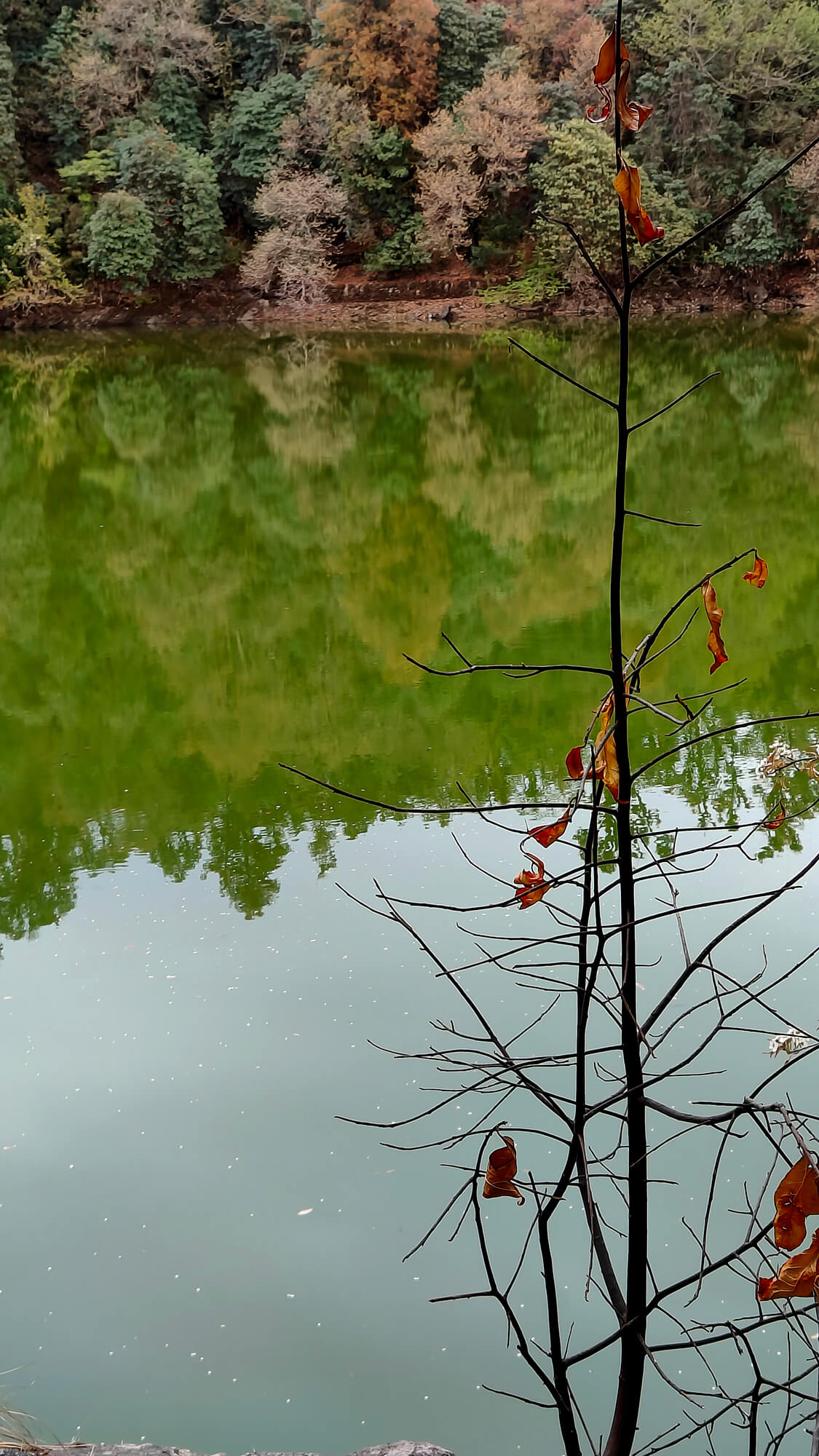
Our campsite overlooked the valley and was perched above Deoria Tal—a pristine lake which we visited in the evening. With a group of 30 trekkers of all age groups, most of them beginners and young trek leaders, the evening unfolded with games, laughter, and of course, endless photographs.
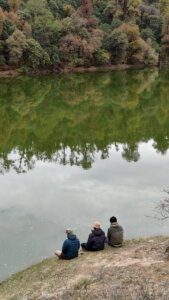 And then came the stories.
It is amazing how each of the peaks, water bodies, rivers, and valleys of these great mountains carry stories from antiquity—from the Mahabharata, from the Puranas, and from folklore.
The youngest of mountains hold the most ancient tales.
It is said – Deoria Tal is where the Pandavas encountered the Yaksha, and where Yudhishthira, the eldest, answered all his questions to bring his brothers back to life.
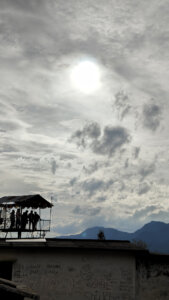 What struck me most was the deep, unquestioning faith of the locals—our trek leaders included. It is this unwavering belief that binds them to their surroundings. They trust that the mountains protect them, and in return, they hold them in the utmost respect.
Descent, Companionship, and Uncertainty
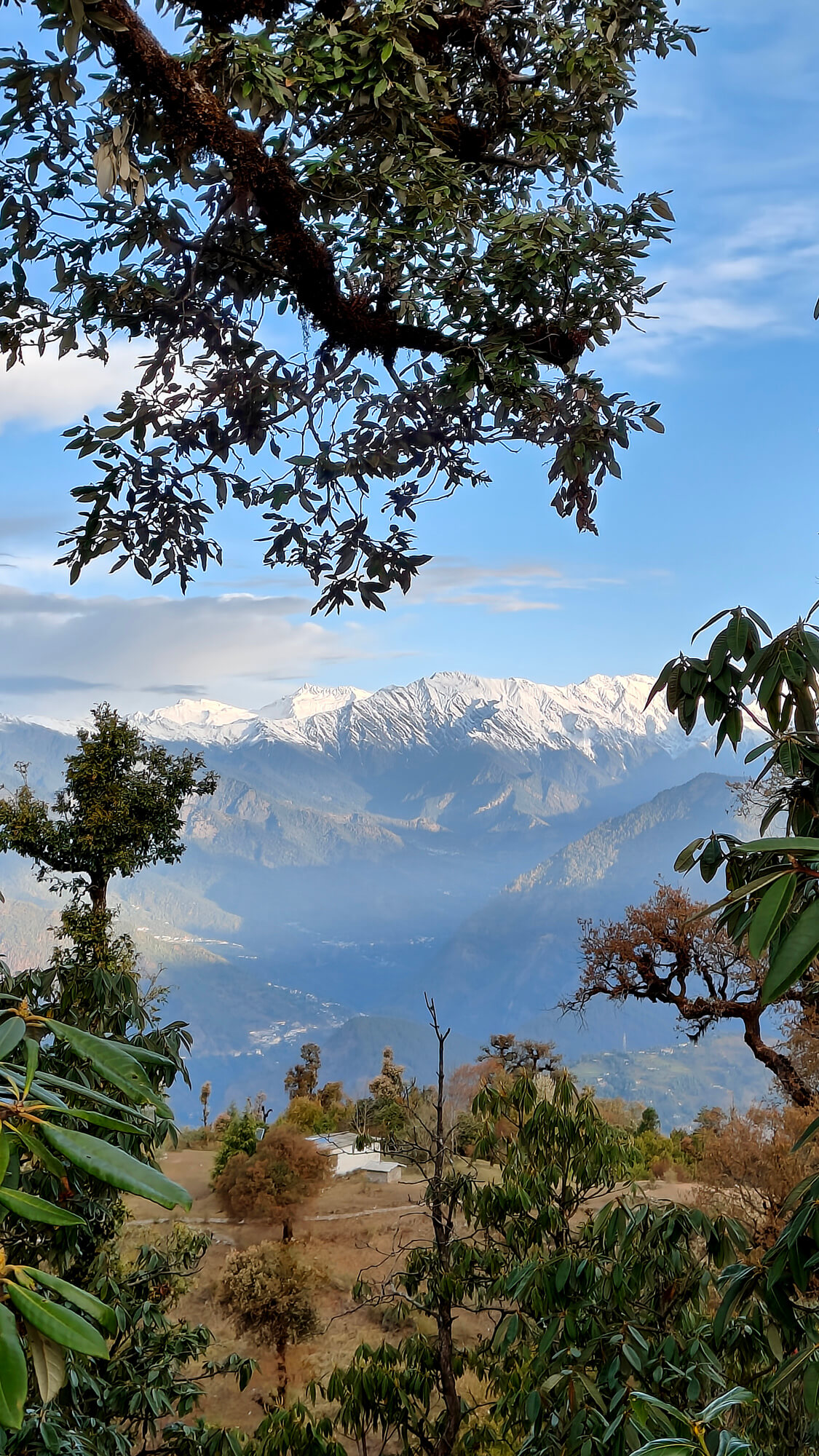
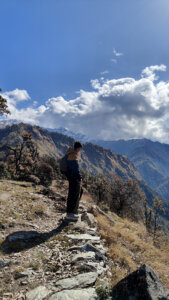 The next day began with a gentle climb along the edge, constantly overlooking snow-clad mountains.
Then came the descent—heavy on the knees but easy on the lungs.
We could talk. We could laugh. The younger members started singing.
This day was about connecting with fellow trekkers. Meera found her own group to walk with, and I found mine.
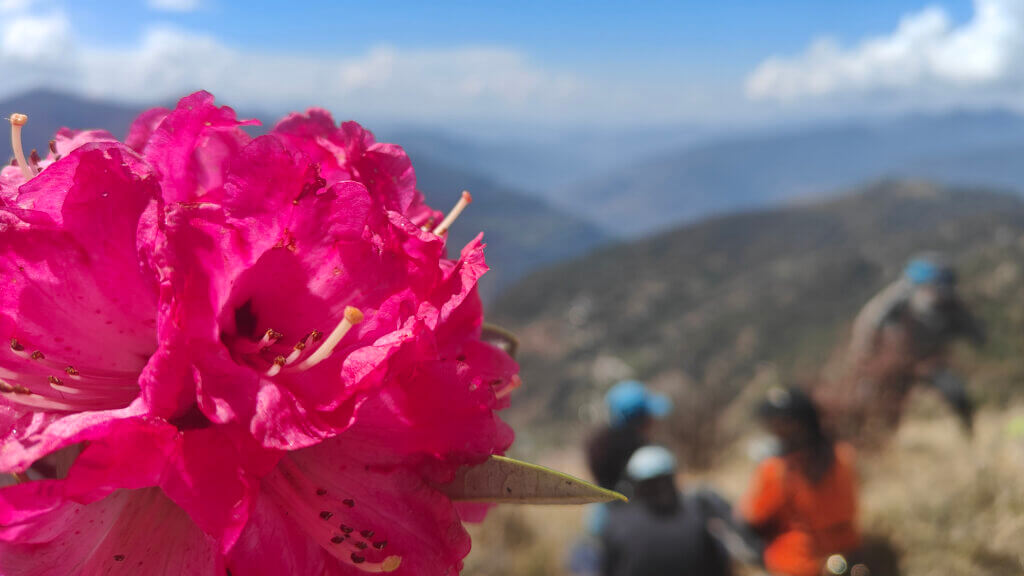
The trudge was long and seemed unending—just before it ended at a roadhead.
After a sumptuous lunch, we were whisked off to a higher altitude at Baniyakund, our campsite for the night, closer to Tungnath Temple.
The long descent had drained us, and chilly winds with rain at the campsite didn’t help.
It was cold, damp, and uncertain.
The prospects of scaling Chandrashila and Tungnath the next day looked bleak.
Our trek leader from Trek the Himalayas, Rajat—who had been boasting about how he had always led his previous groups to clear morning skies for the summit—seemed unsure.
Yet, he gave us a plan:
Wake up at 2 a.m.
Start trekking by 3 a.m.
A night climb to catch the sunrise.
Excitement returned instantly.
I was excited to spot formidable peaks like Nanda Devi, Trishul, and Chaukhamba, with a 360-degree panoramic view.
Of course, there were skeptics.
But most were optimistic.
Snow, Silver Light, and the Summit
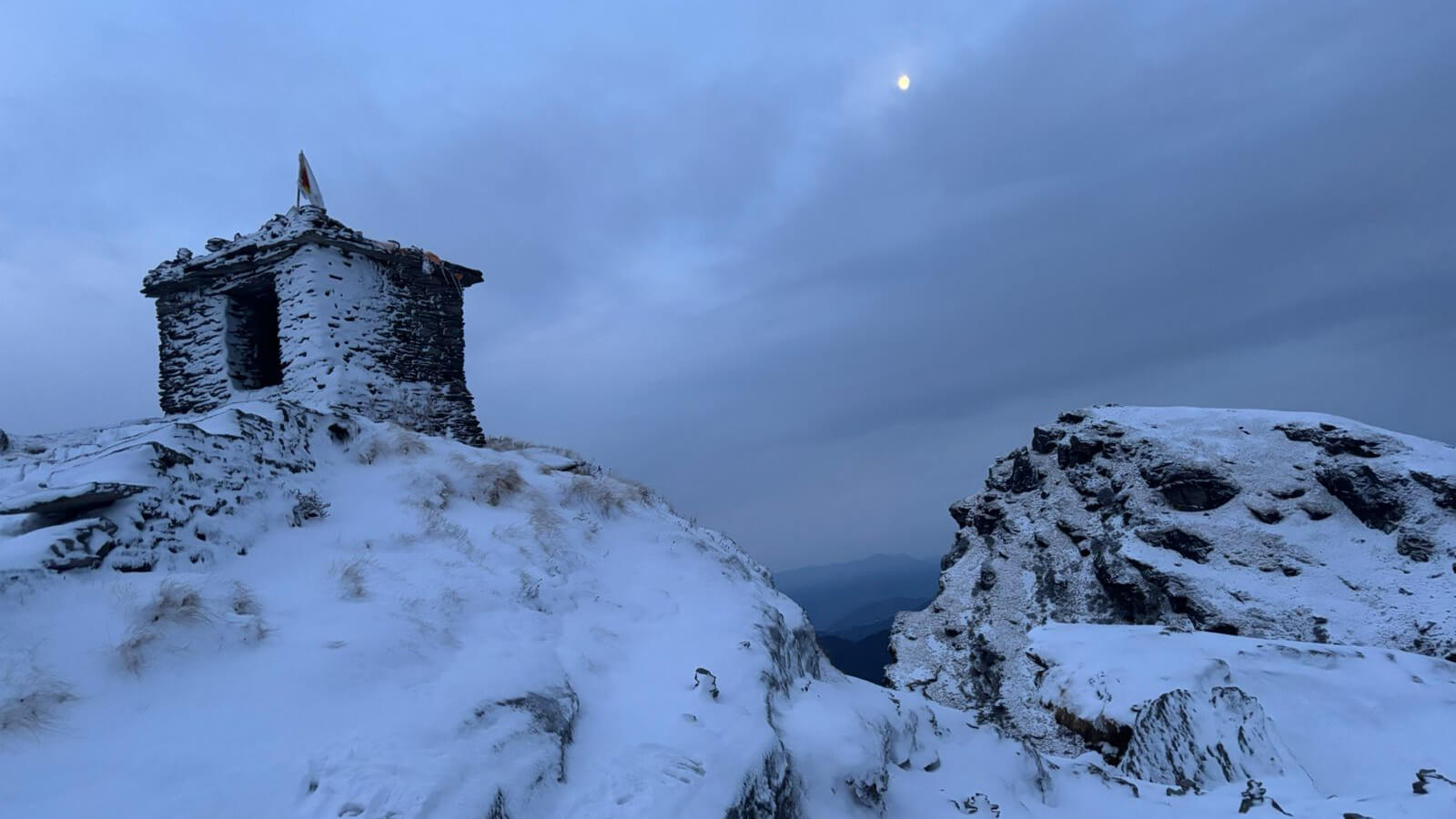
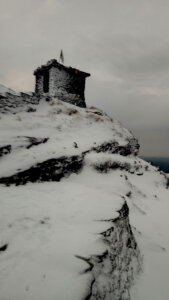 At 2 a.m., we stepped out of our tents. The sky had transformed, with the moon shining over the campsite. We were enthused by this benevolence.
We started climbing with the assistance of moonlight and head torches.
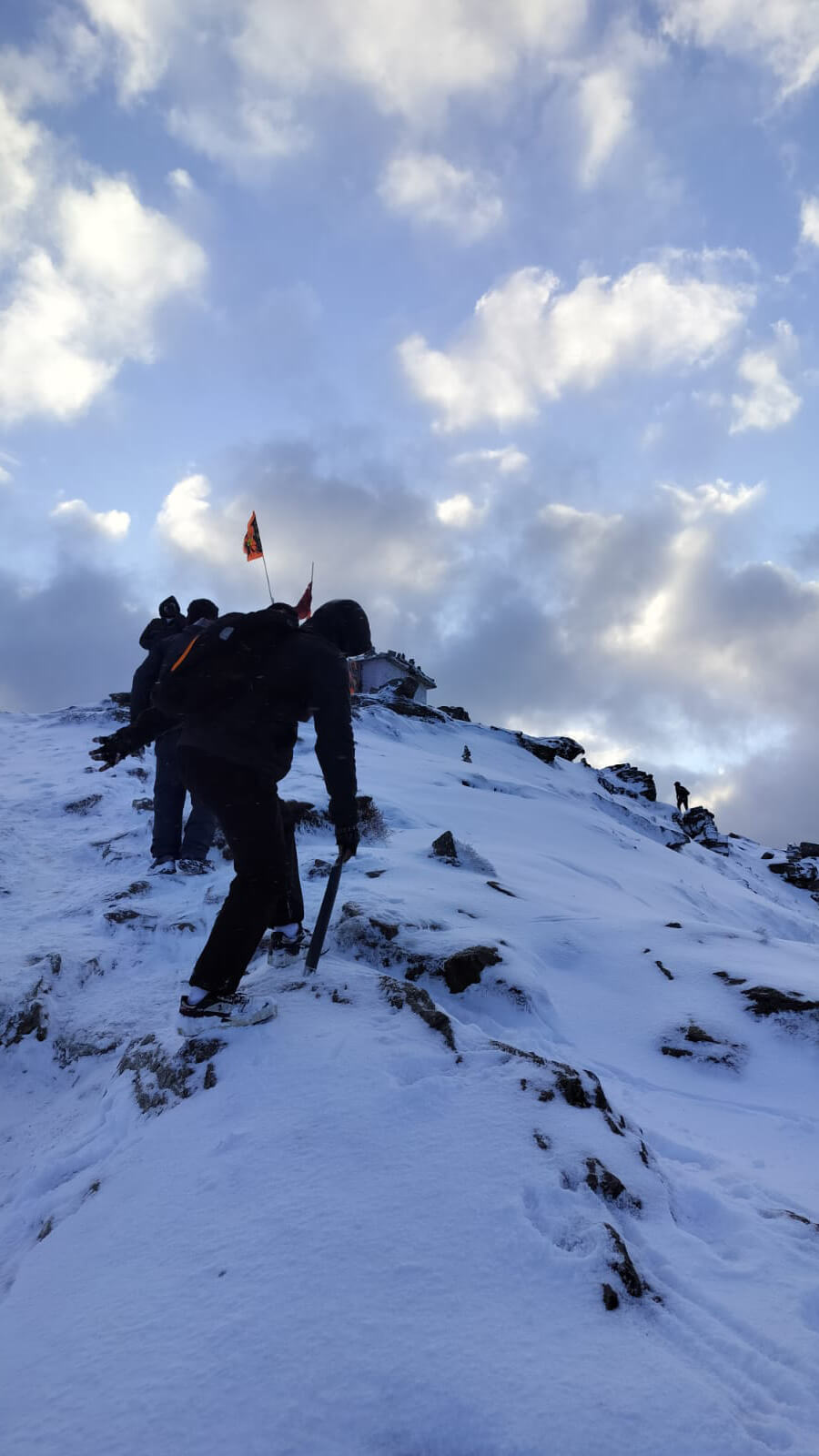
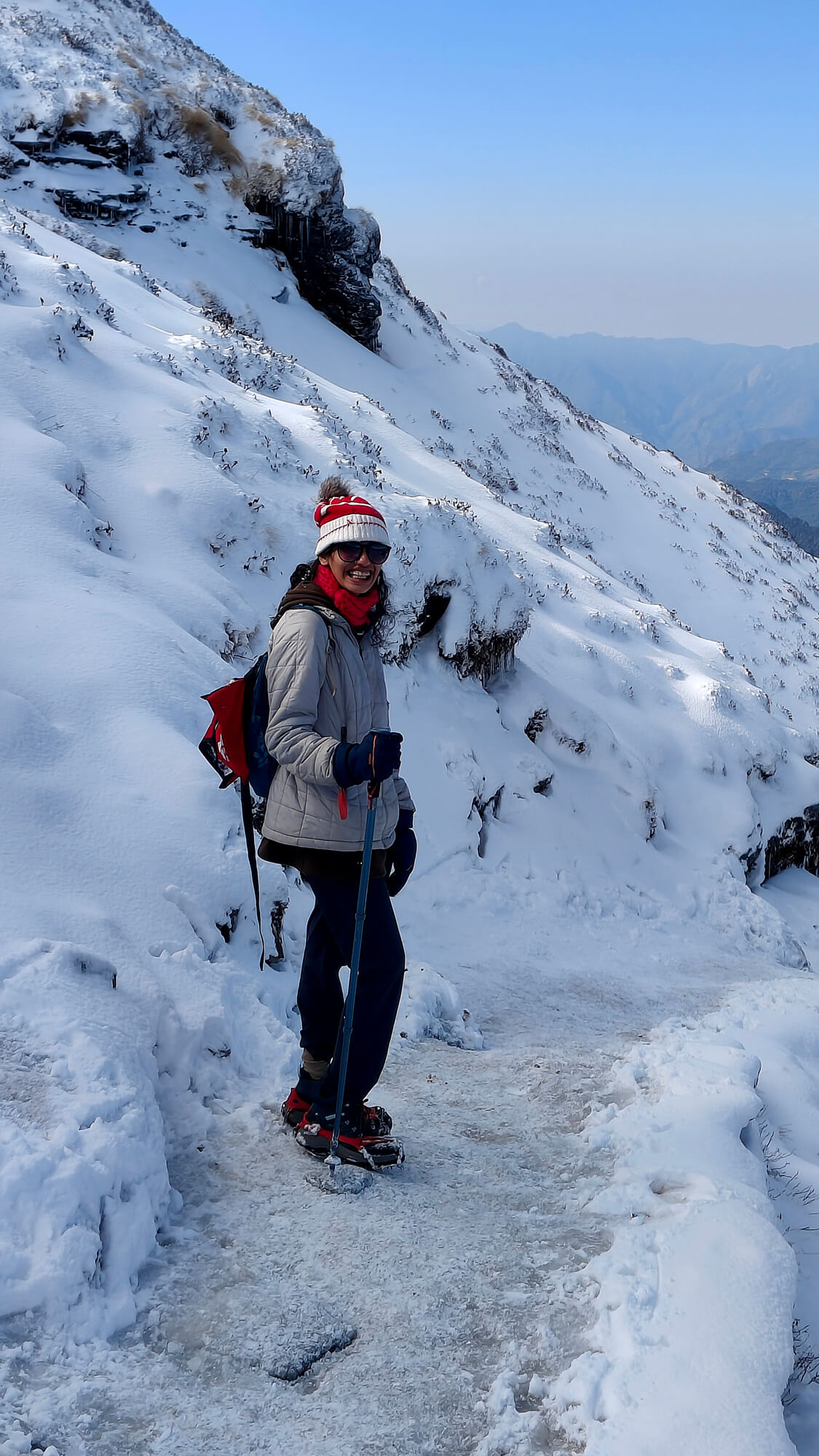
The trail to Tungnath is well laid with stones, but snow and rain from the previous night had made it slippery. Half an hour into the climb, we were asked to wear microspikes, making the climb much more stable.
This gave us the poise to look at the surroundings.
And that is when the magic began.
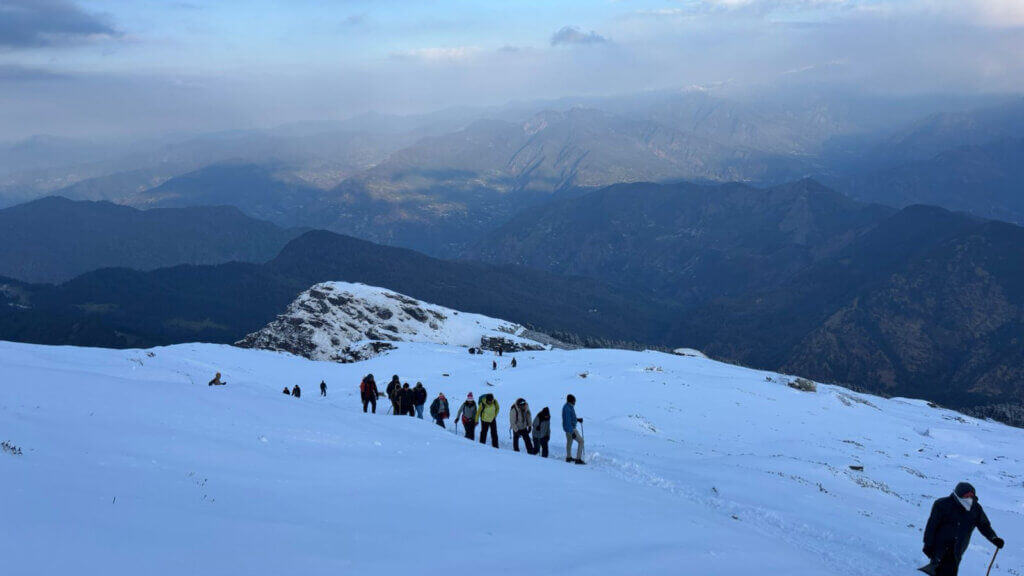
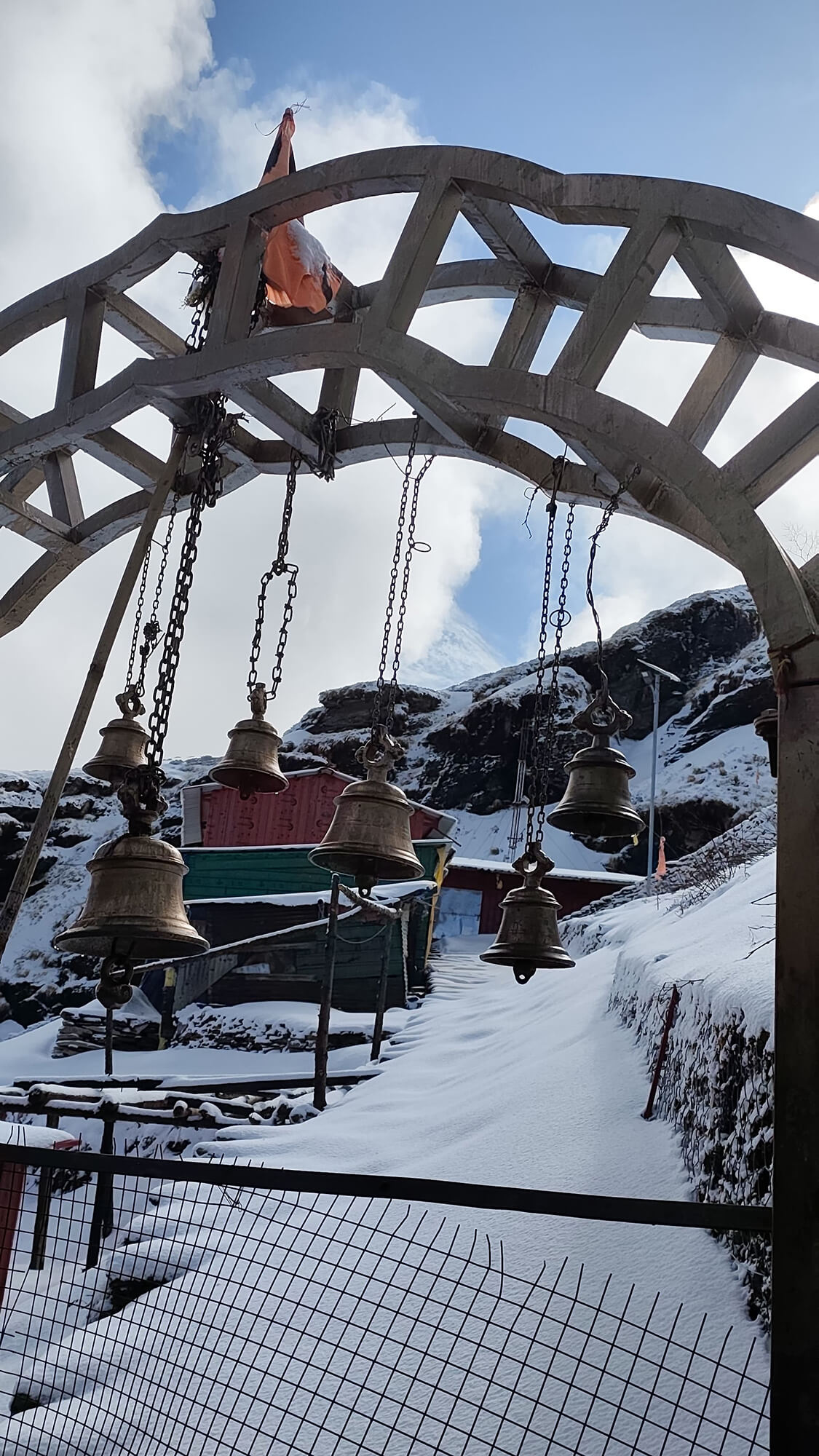
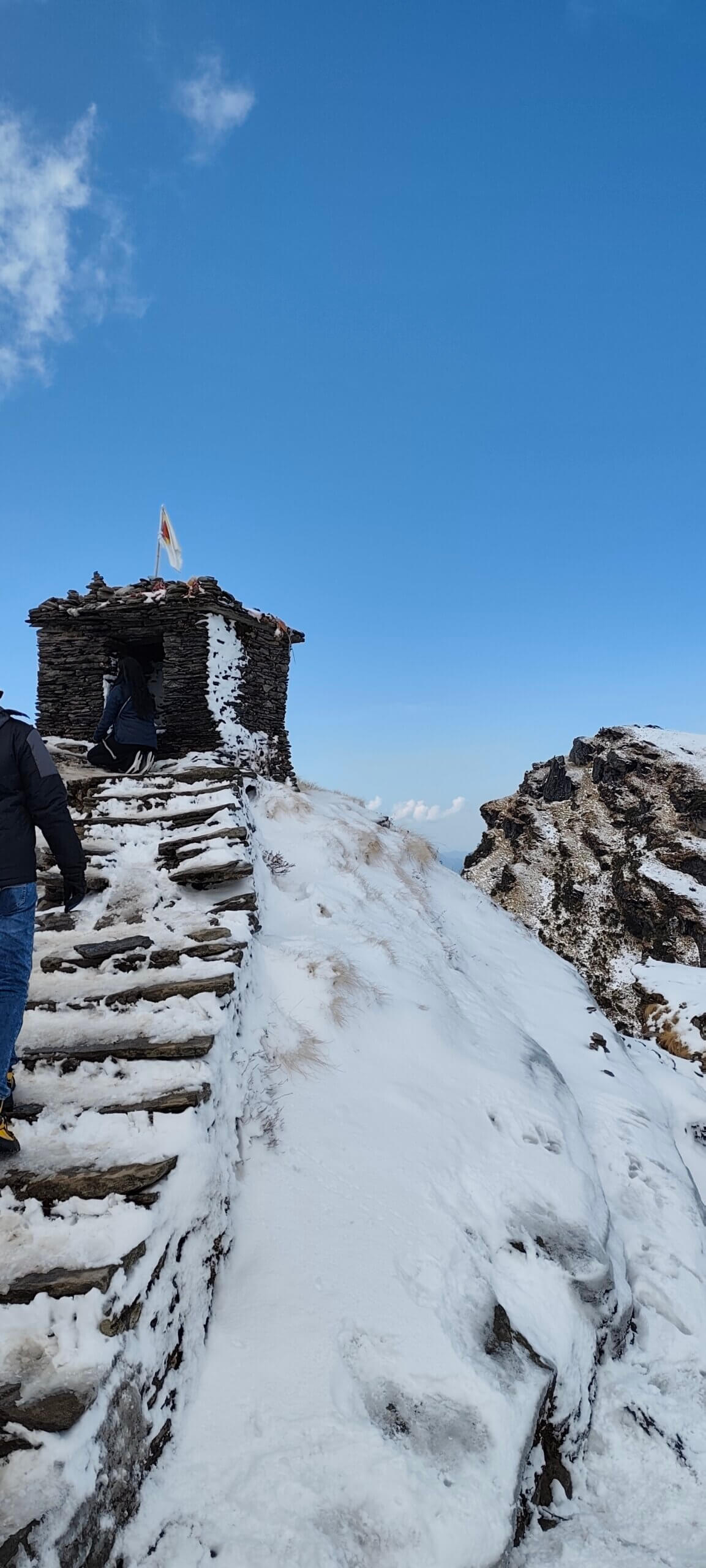
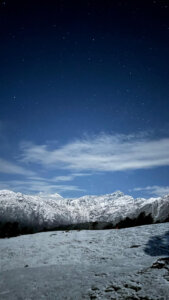 Snow underfoot. Snow on trees. Snow on distant peaks and mountains. Everything looked silver in the soft glow of the moon.
The climb grew steeper, and my pace slowed. I, along with my husband, were in the slower group now. Meera, of course, was ahead—youth has its advantage.
As I neared Tungnath, the snow was much more visible on all sides. There was a hint of dawn at the horizon, and I realised I would miss the sunrise at the peak.
The climb had become harder with each step, and I thought of skipping the peak, the sunrise, and the panoramic view, and just stopping at the temple—though I didn’t say that aloud.
My husband, however, declared the same.
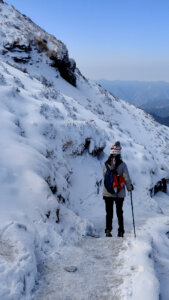 But arrival at Tungnath changed something—maybe it was the snow, or the temple, or maybe the mountains themselves.
I kept moving towards the peak—where it is believed that Chandra Dev performed penance and prayed to Lord Shiva after being cursed by Prajapati Daksha.
My husband, who was sure he would rest at the temple ,suddenly surged ahead and kept climbing, taking a big lead.
What lay ahead was a soft, fluffy carpet of fresh snow, with a narrow trail cutting through it.
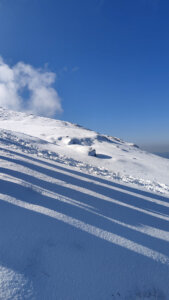 There was also a soft drizzle of snowfall through which we walked for a brief time.
If there was any road to heaven, this was it.
I was late for the sunrise, yet it didn’t dampen my spirits. The peaks would wait—I knew.
I reached the peak, super excited and in anticipation.
The first thing I witnessed amused me—a young boy posing shirtless for a video in those chilling winds. I was chuckling at his sheer audacity and laughing at his bravado.
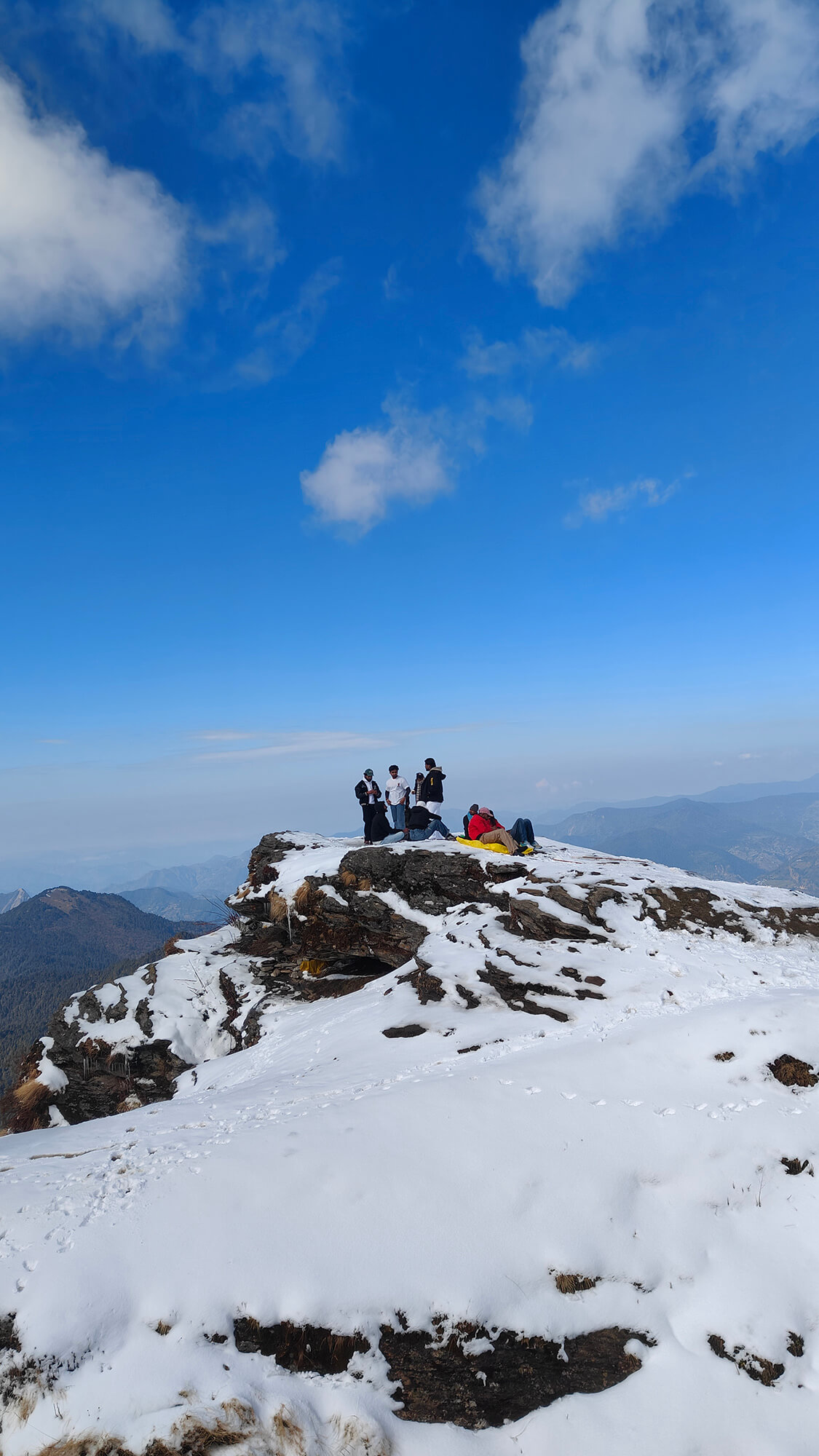
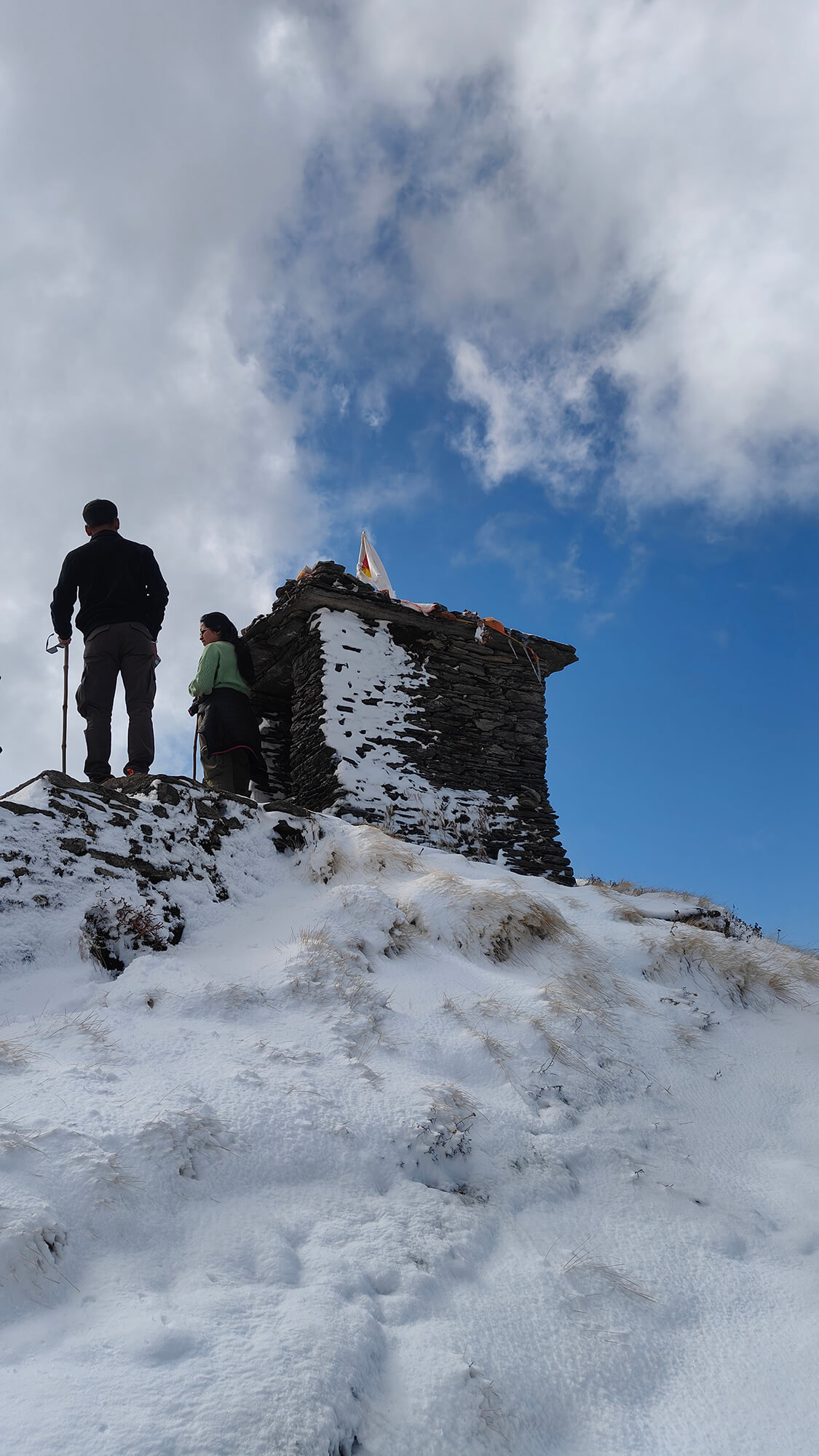
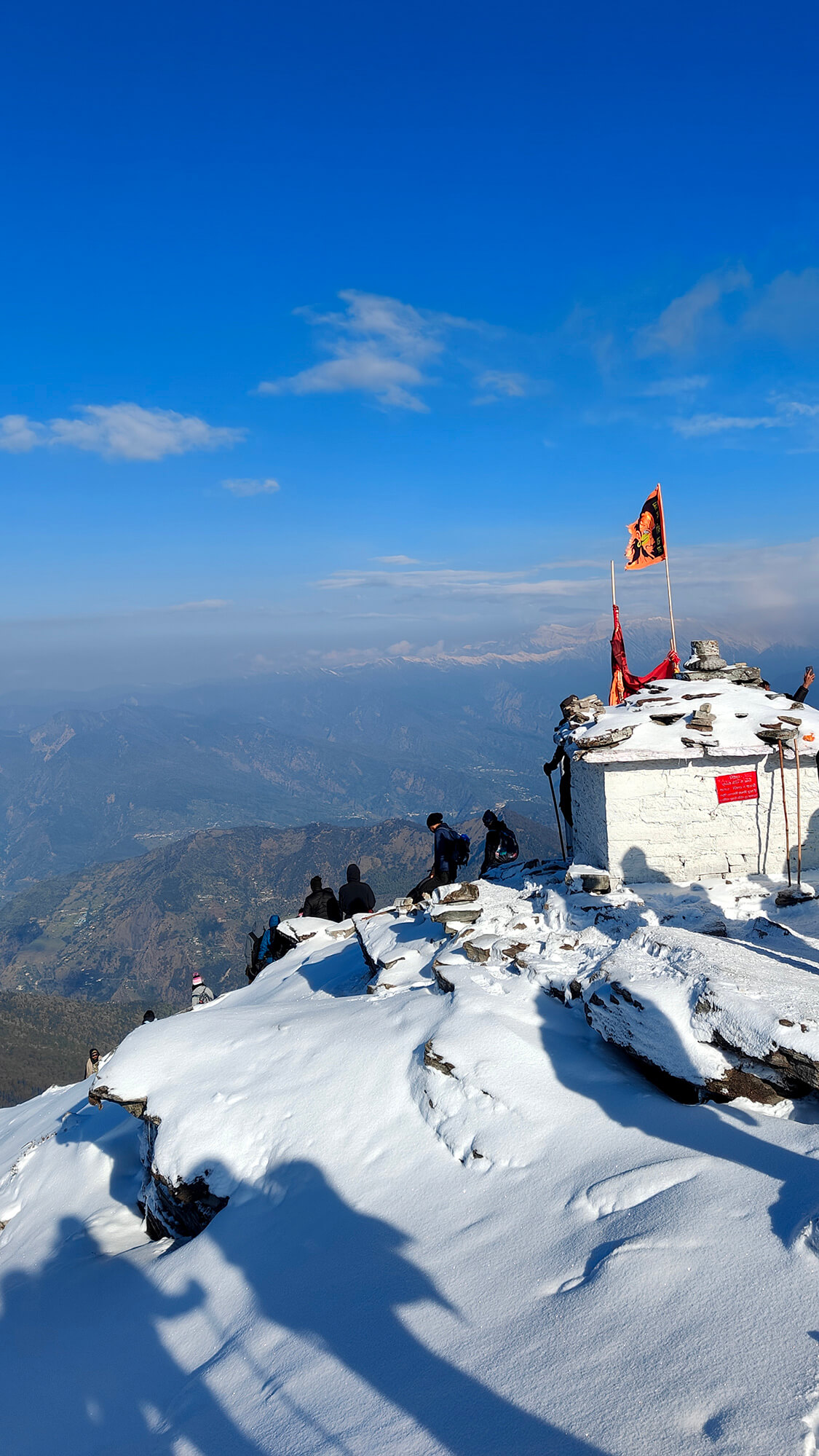
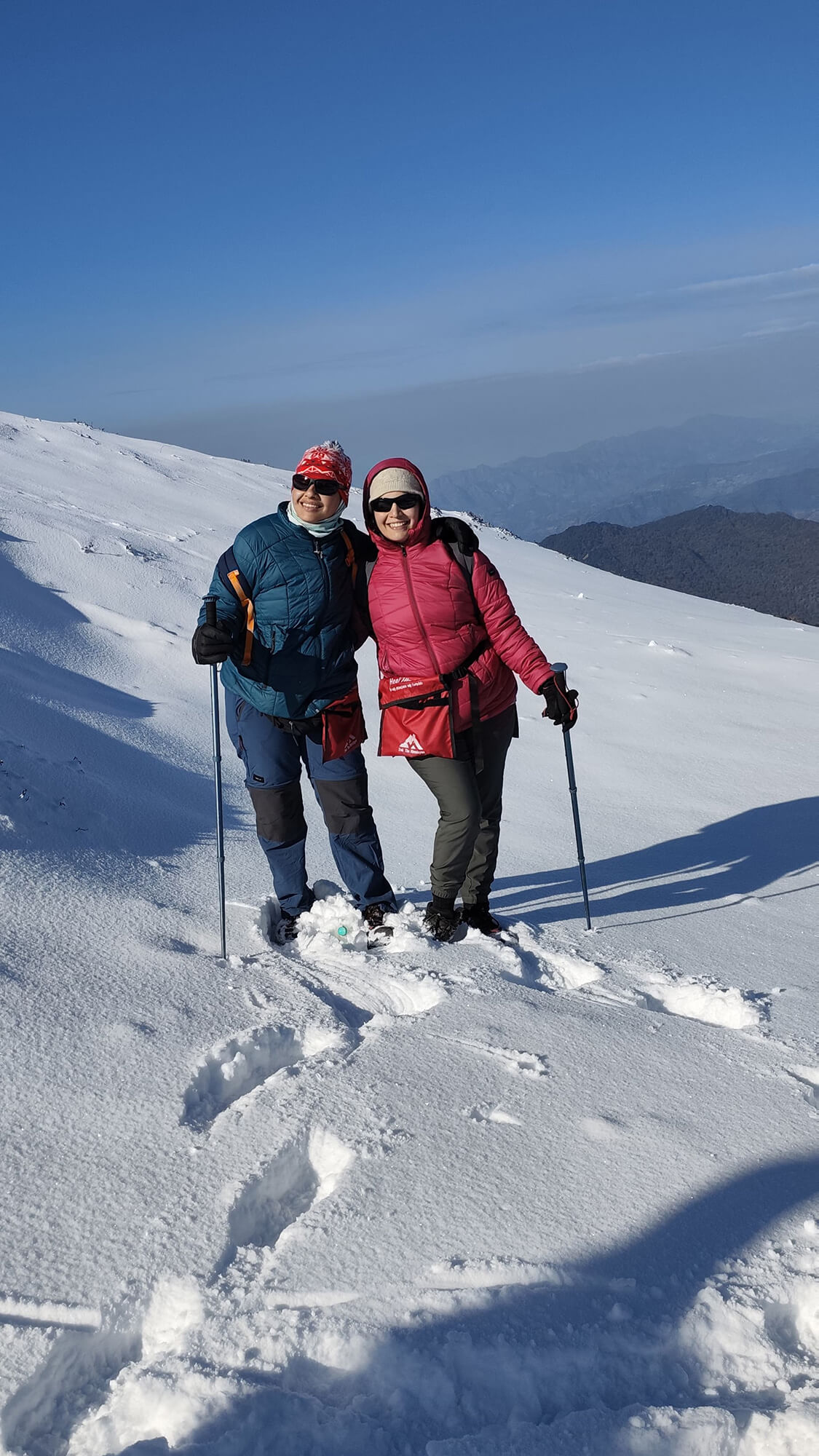
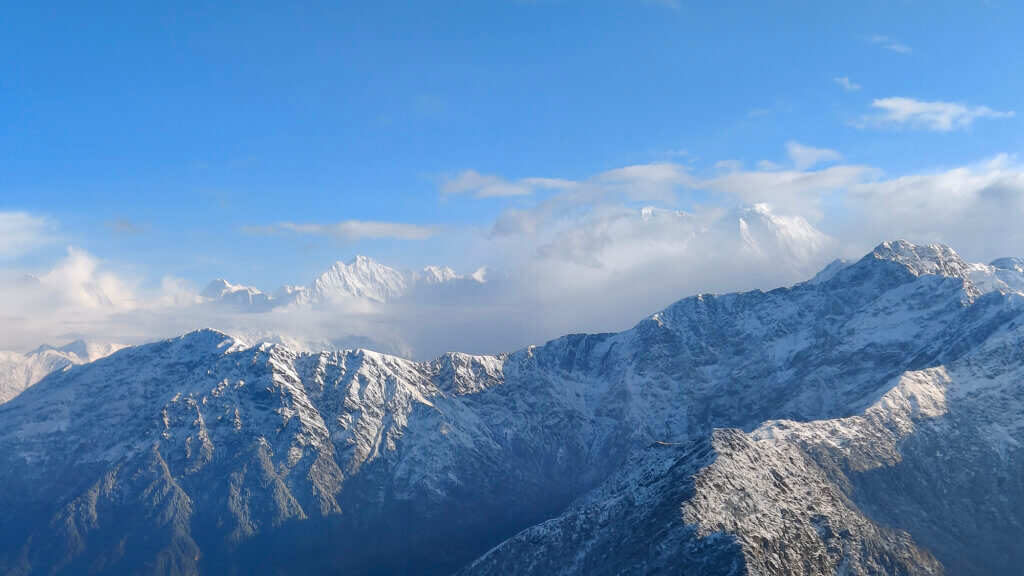 Then I saw what I had come for. The summit was covered in soft snow, with a continuous sweep of tall, snow-clad peaks all around. The early morning sun lit the landscape with a gentle touch.
Our team leader was overjoyed—“Mera record tootne se bach gaya!”
I was awed as the trek leader pointed out each of the peaks—here was Chaukhamba, here Trishul, and there the majestic Nanda Devi. A soft, thin line of clouds covering part of it didn’t bother me.
Seeing those peaks, I was both ecstatic and humbled.
Mountains have a way of making you feel insignificant—even after you have scaled them.
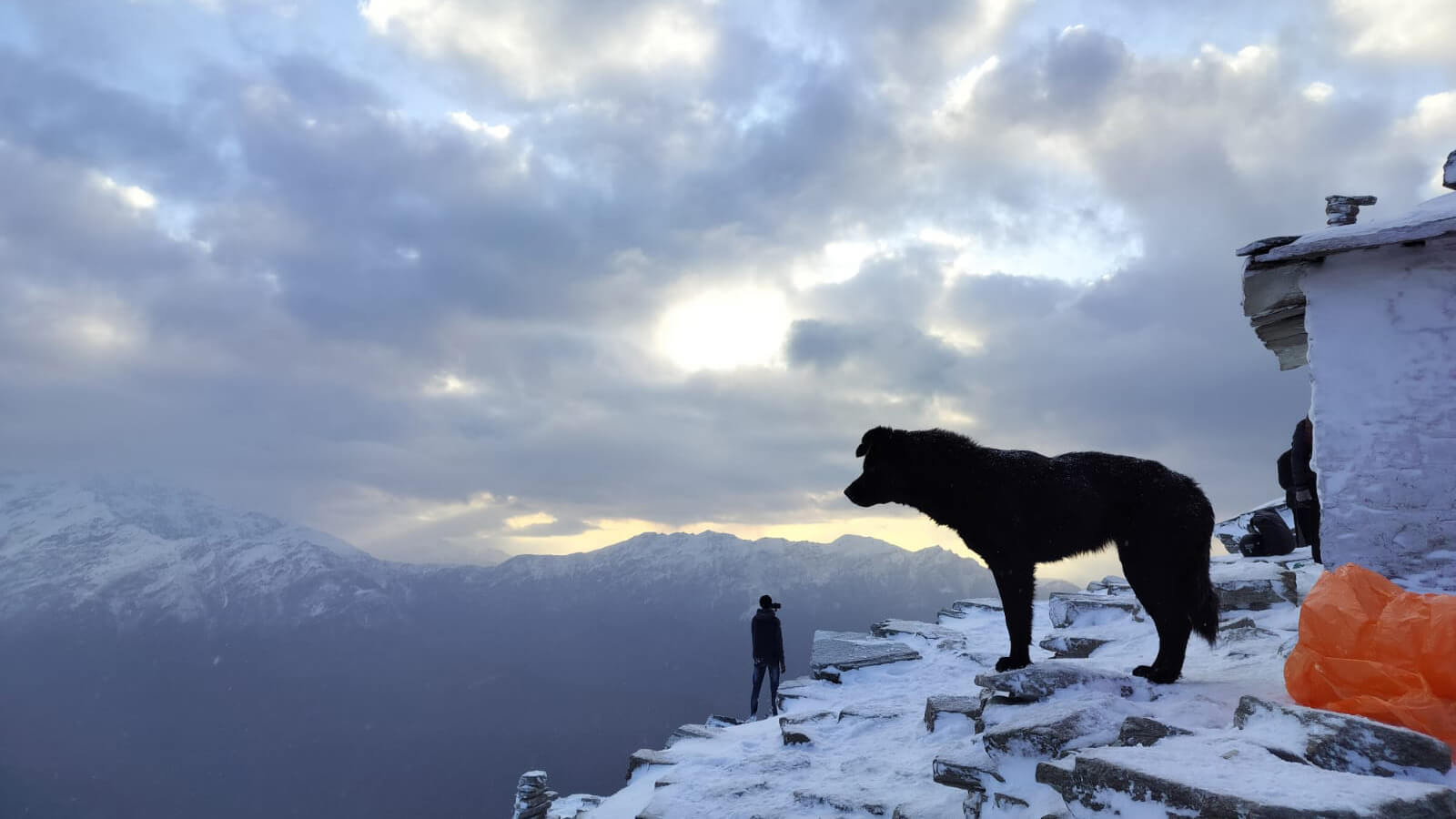
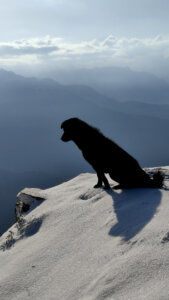 Then there were dogs that sat on the peak. Ready to be pet by anyone who cared. Dogs in that region are especially very cuddly – not because of how they look — that is the climate — but because of how they behave — that’s how society treats them. Their warmth had little to do with the cold climate and everything to do with the kindness of the people who live there.
The Way Back: Faith Beyond Doors
The descent was lighter in spirit.
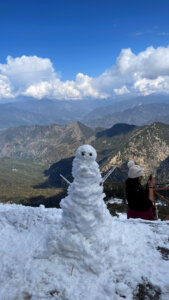 Some slid down snow patches – many older members included. Some built a snowman. Snow fights broke out among young trekkers and trek leaders.
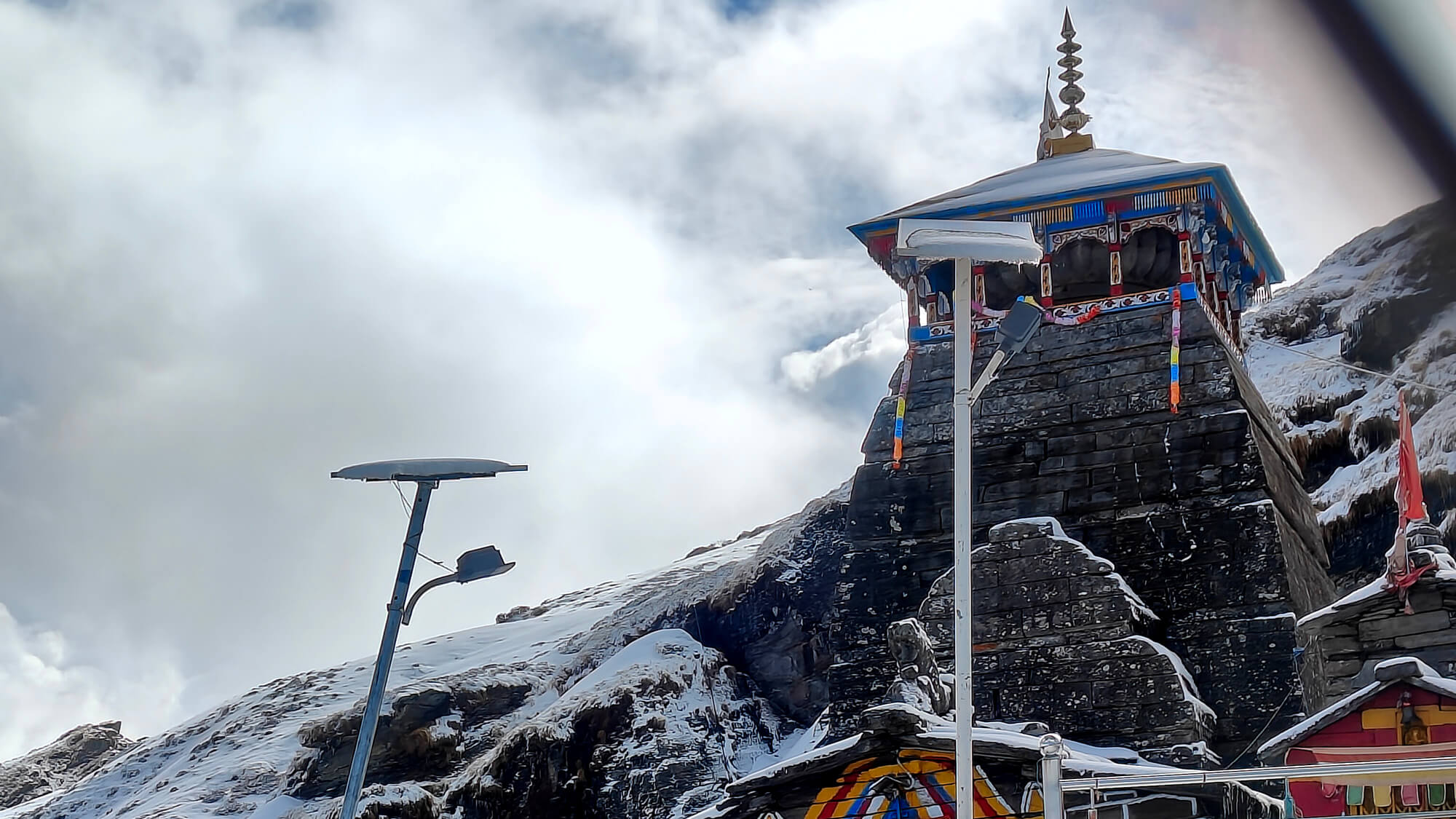
We stopped at Tungnath on our way back. The temple was closed.
It opens for devotees only after Akshaya Tritiya.
But that didn’t stop me from praying at the highest shrine of Shiva and thanking him for all the blessings he has showered on me—during the trek in particular and in life in general.
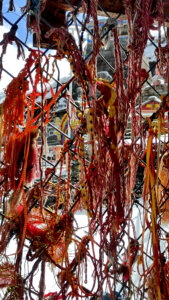 My companions were waiting at the temple, and we climbed down together.
It was a Monday—a busy day for Lord Shiva.
We met many devotees on our way down.
They were still climbing—to a God who is there in the mountains, in the valleys—even when the doors are closed.
Lotssss of Love. I reminisce the moments while reading your blog. ❤️
-Yogesh Khatri.
Thanks Yogeshji
You have a wonderful way of story telling. Your blog on Tunganath Chandrashila trek has beautifully captured the spirit & soul of the Himalayas. The description is so vivid that I felt like I was right there on the trail. The photos are just stunning. 🤍🤍🤍
Thanks Rameshji
Beautifully described journey and captures! I could clearly relate 🥰 the Himalayas are truly mesmerising! And your moonlight trek must have been amazing as you described!
Thanks Rupali