The journey begins with curiosity
So when one of our colleagues suggested a study tour to Bhopal in 2023, my curiosity was immediate. On a crisp January morning, with nearly 100 students traveling with us, we arrived—ready to explore the city, and perhaps understand a little more of this layered, living landscape through its capital.
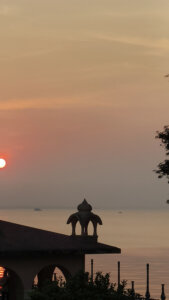 Bhopal—which is a name derived from Raja Bhoj and pal, meaning dam—is a city built on lakes.
Known as the City of Lakes, it carries a rich history of five centuries. It has seen many rulers, and each has added to what we know today as Bhopal. From the rule of Nawabs and Badshahs to the powerful Begums, the city developed its culture, architecture, waterways, and even postal systems. It also witnessed fierce female rulers—women who rode on horseback and played golf in those conservative times.
Experiencing architecture as poetry
The first day of our six-day stay in Bhopal was an orientation tour with a local expert.
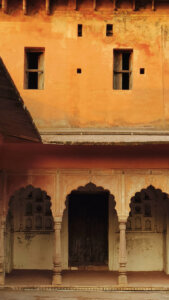 We began with Gauhar Mahal in the old city.
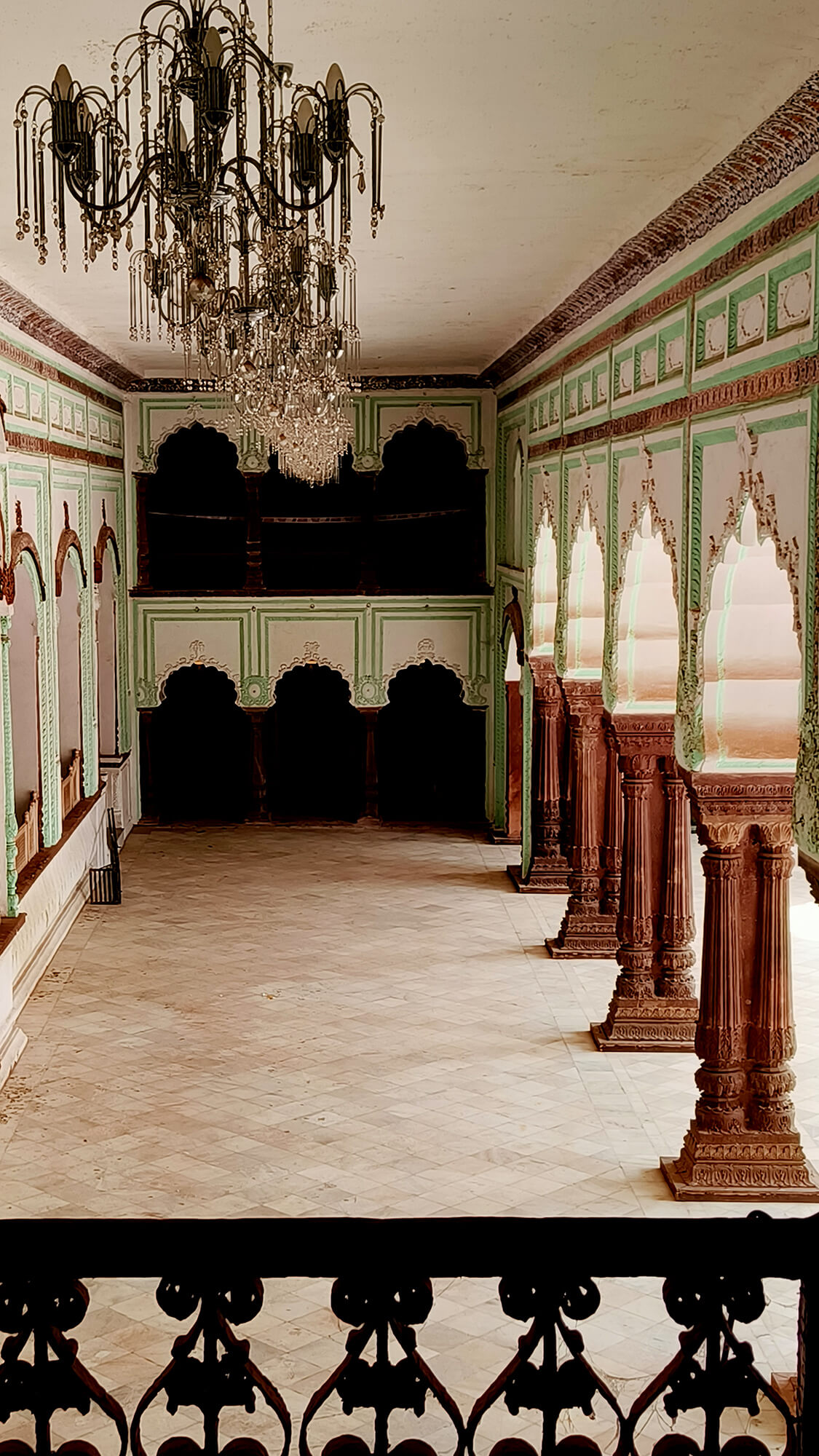
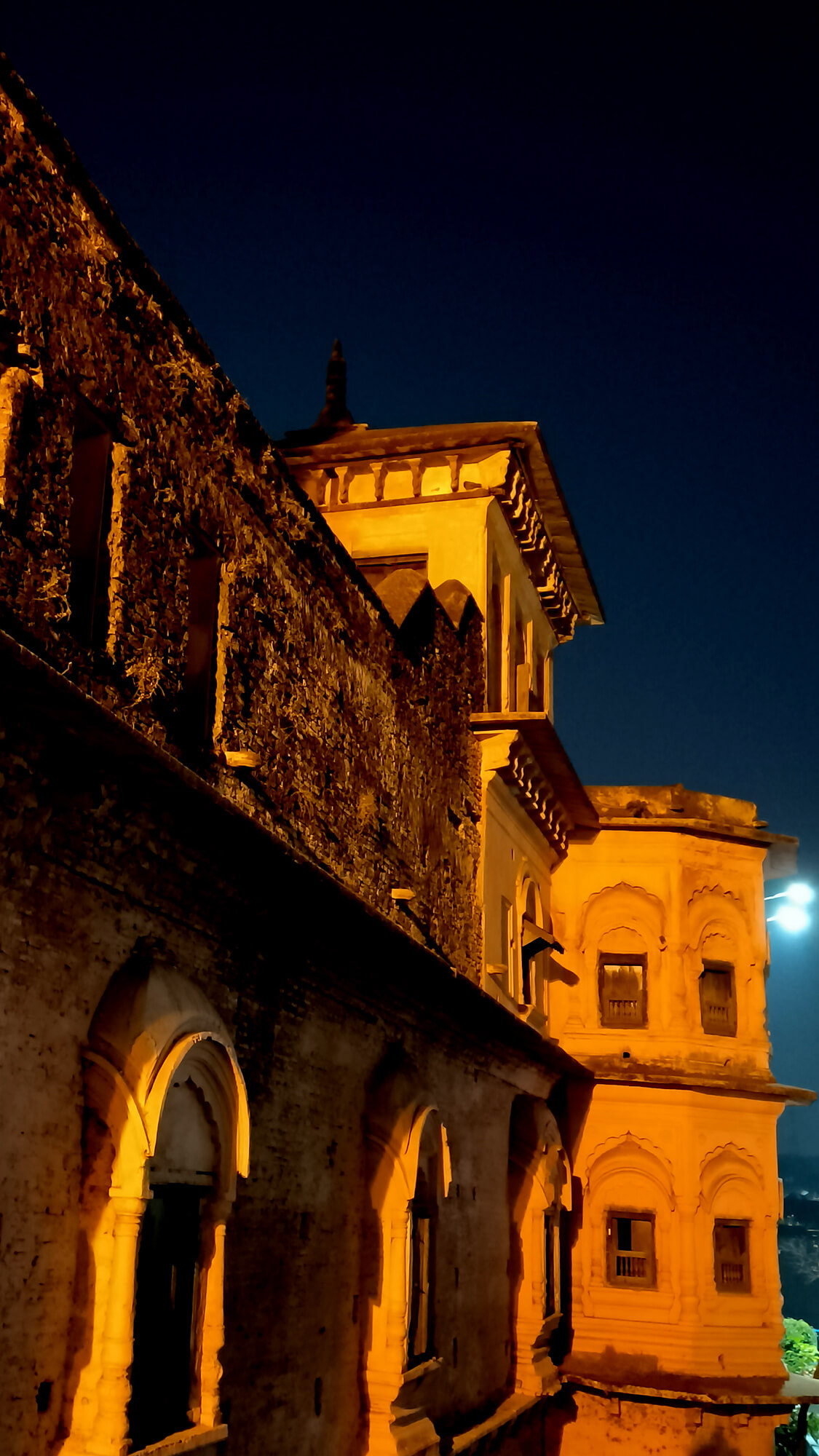
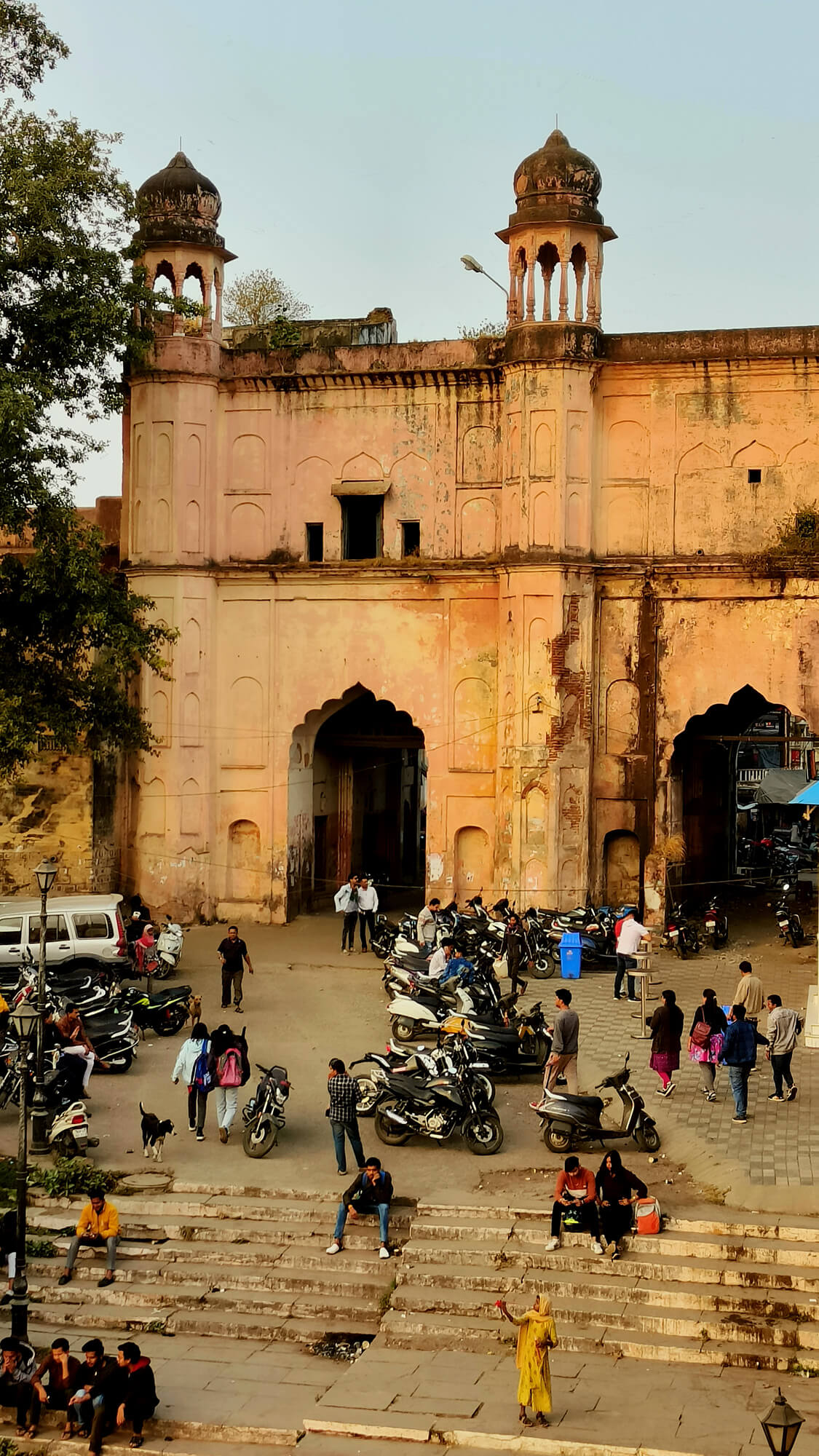
This mahal now sits along a major road, overlooking the Bada Talab, or Upper Lake. Built in 1820 by the first female ruler of the state, Qudsia Begum (also known as Gauhar Begum), it was, at the time of our visit, hosting Jashn-e-Urdu—a celebration of the language through ghazal, shayari, and qawwali.
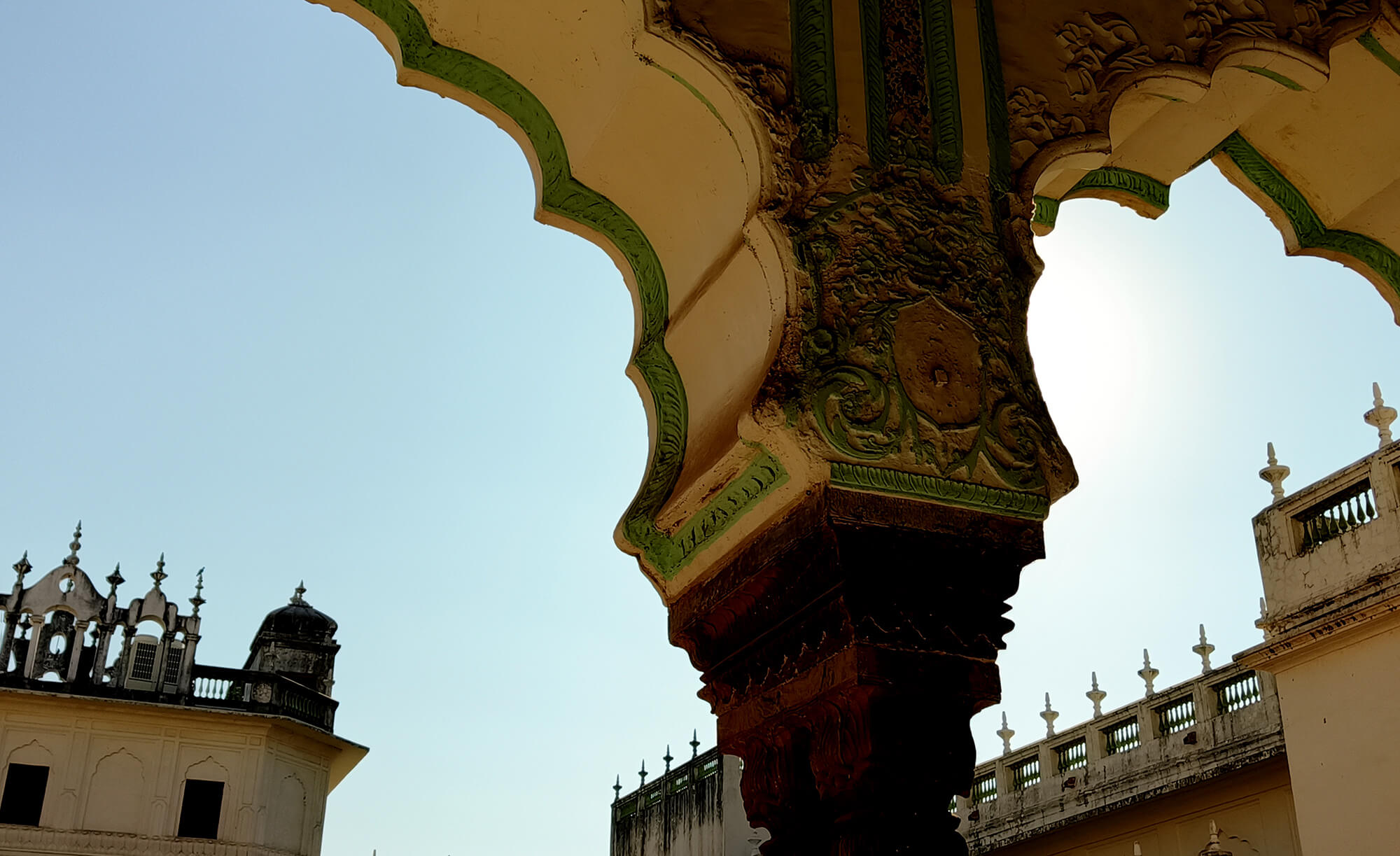
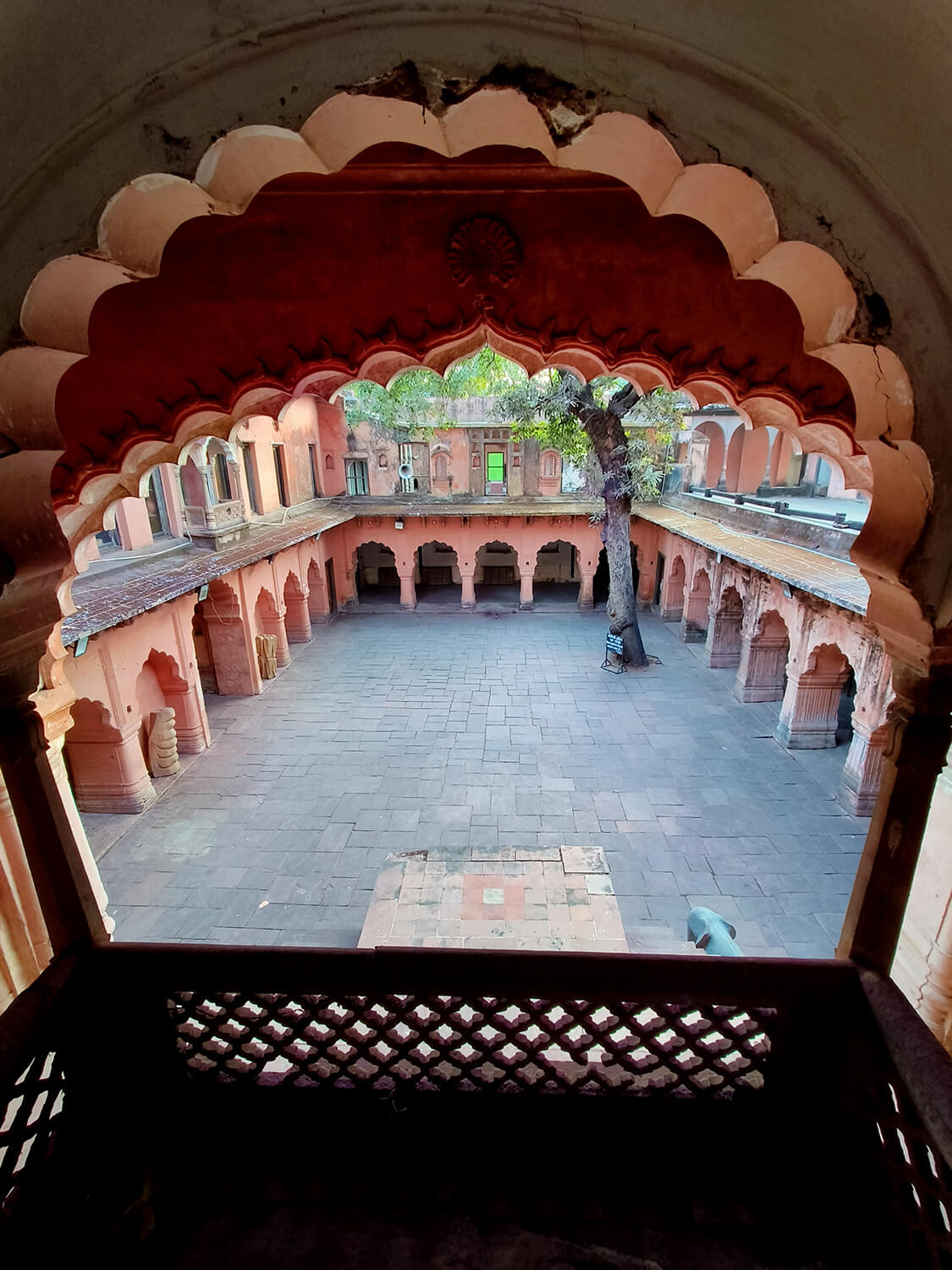
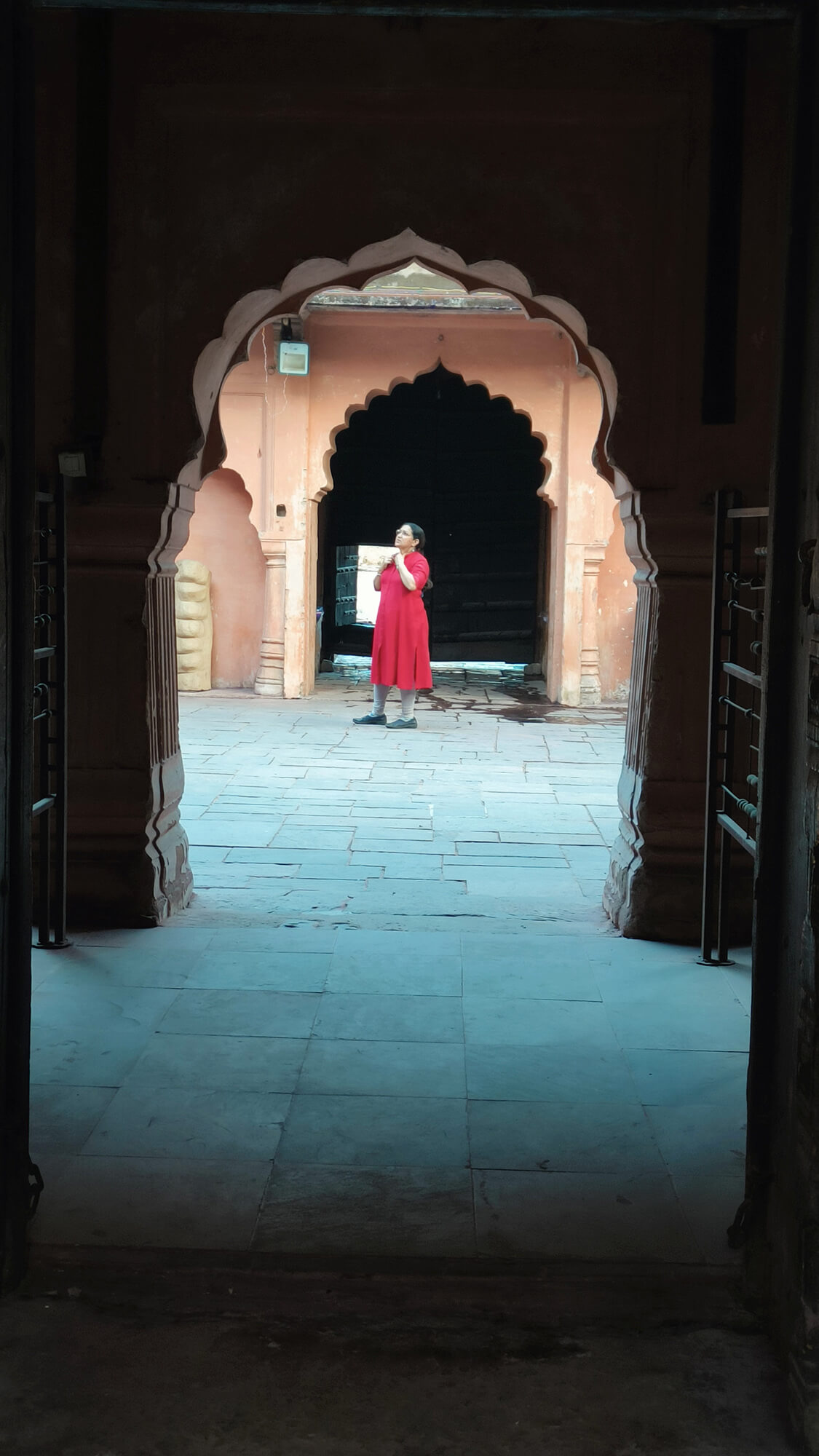
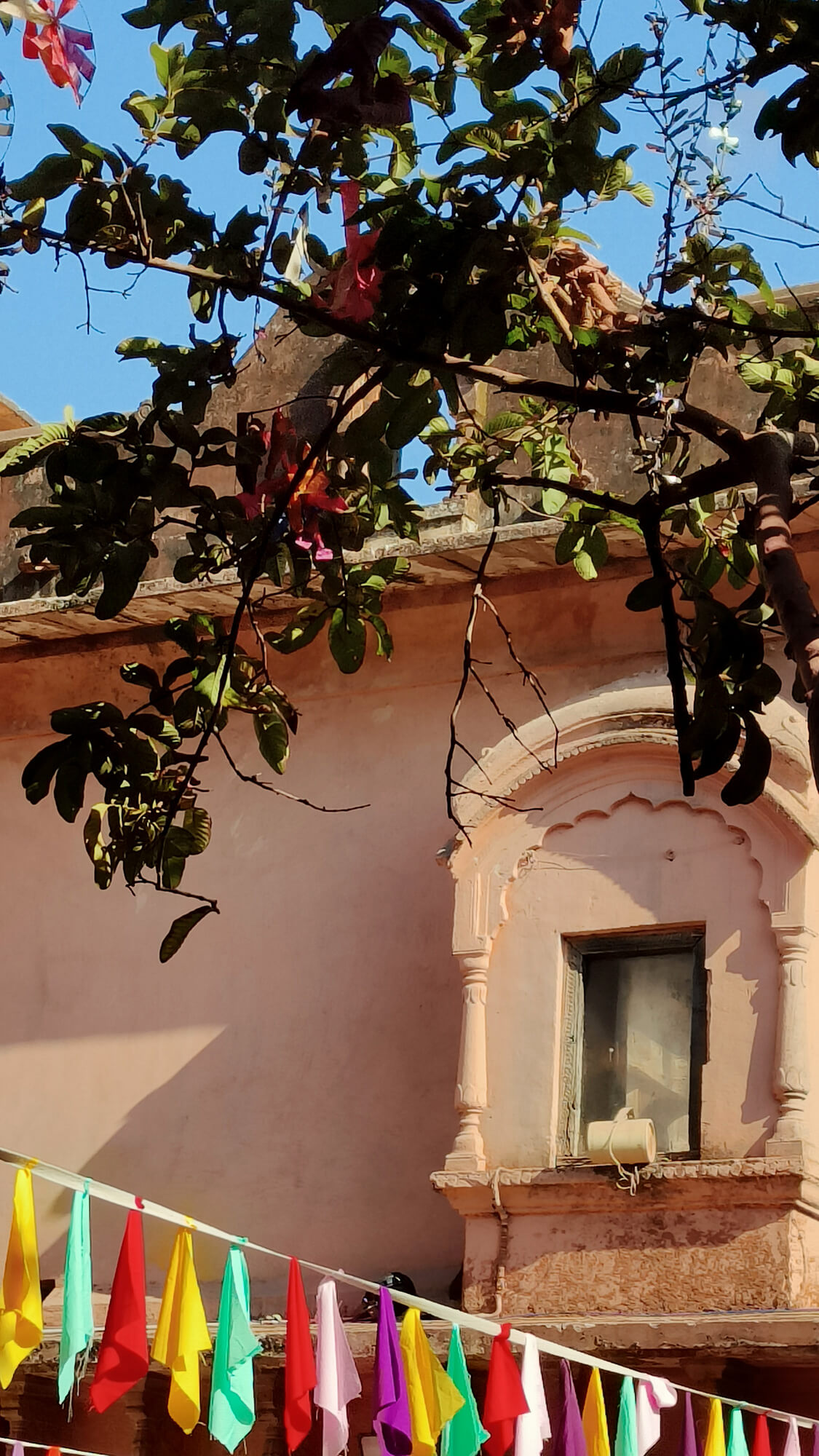
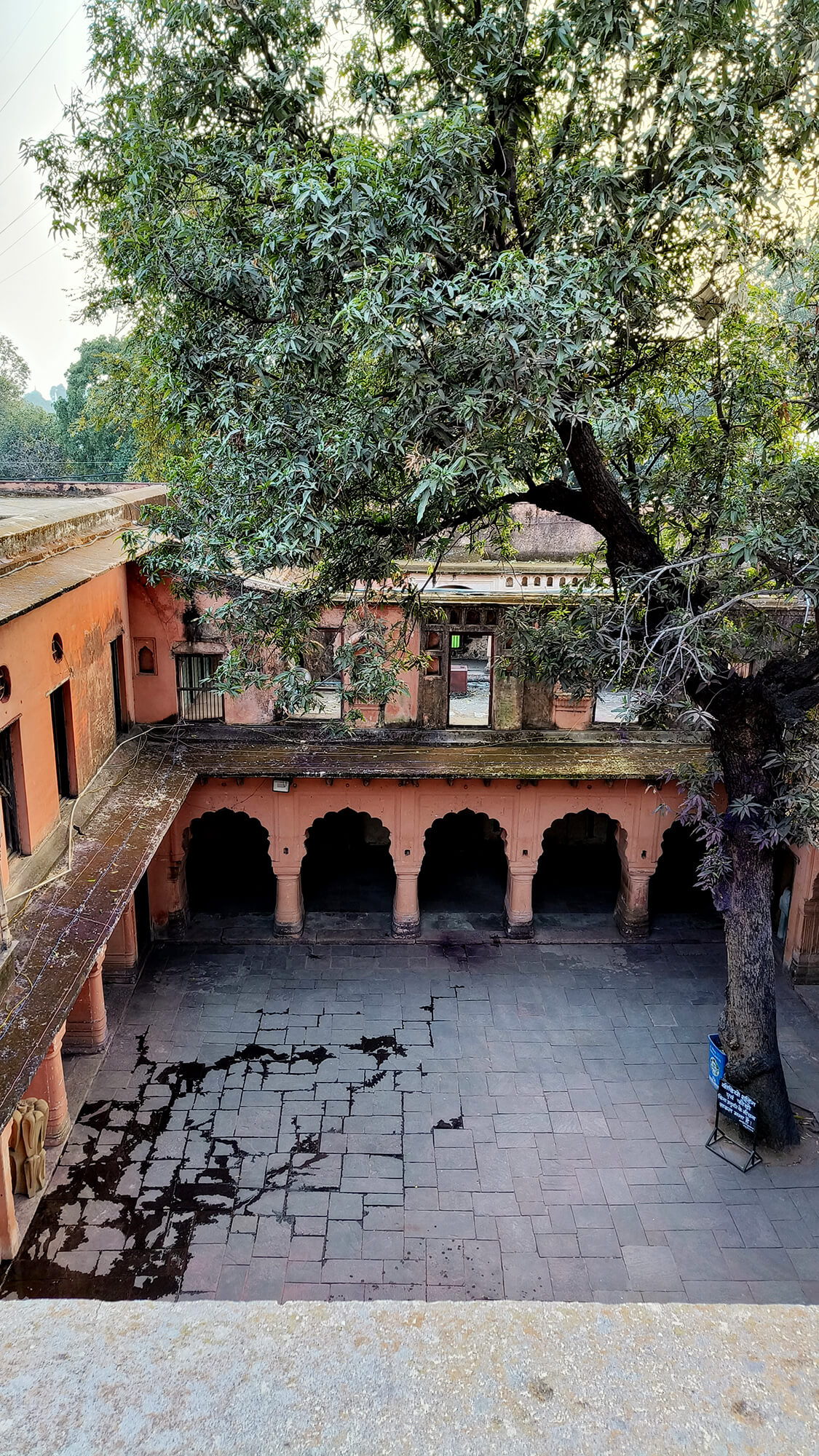
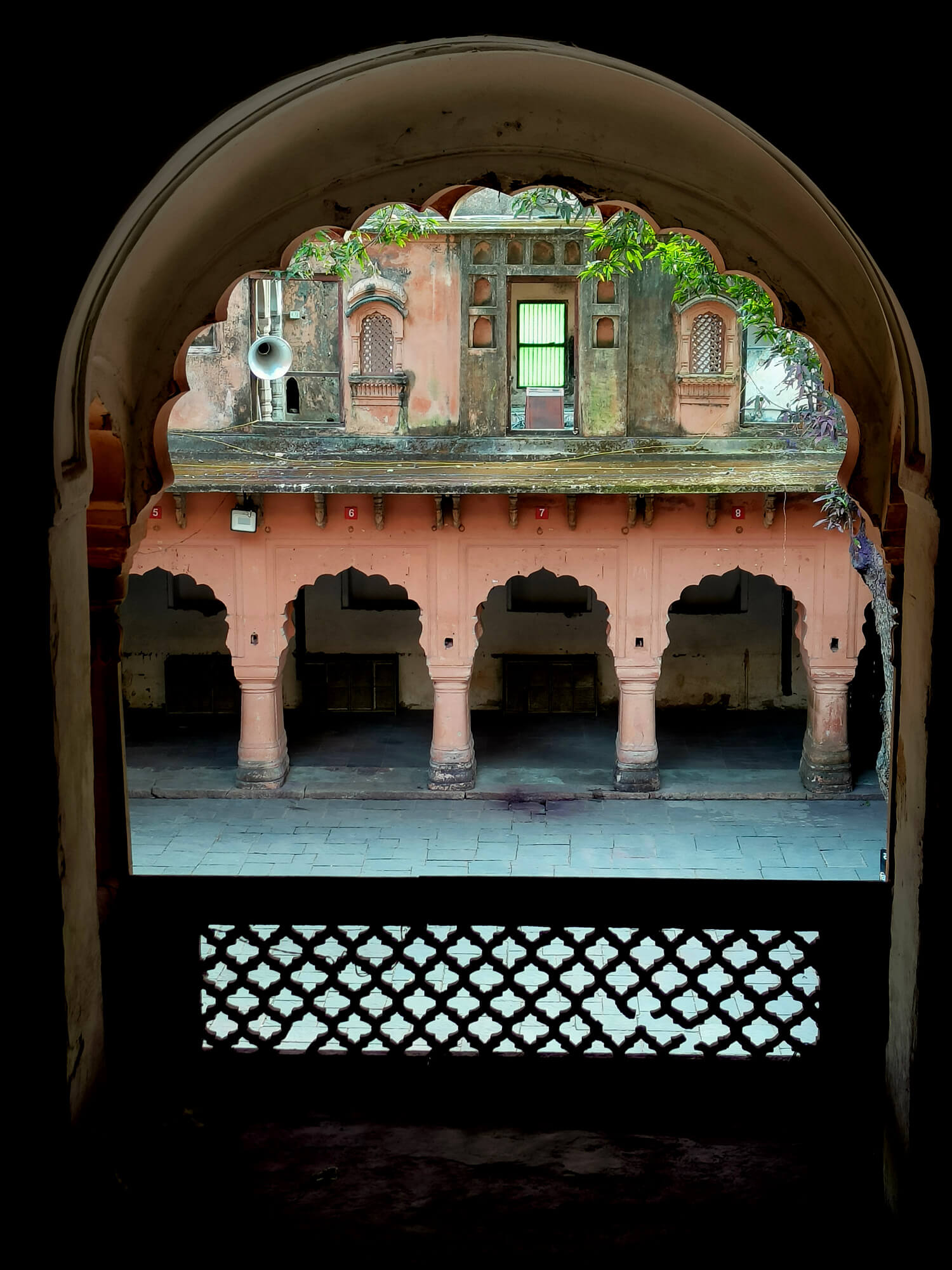
When I reached there, I was immediately serenaded by the fine proportions of its multiple courtyards, jharokhas, colonnades, and terraces.
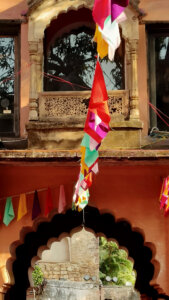 The whole structure, painted in soft pink, felt like a fine graceful lady reciting Urdu poetry—frozen in architecture.
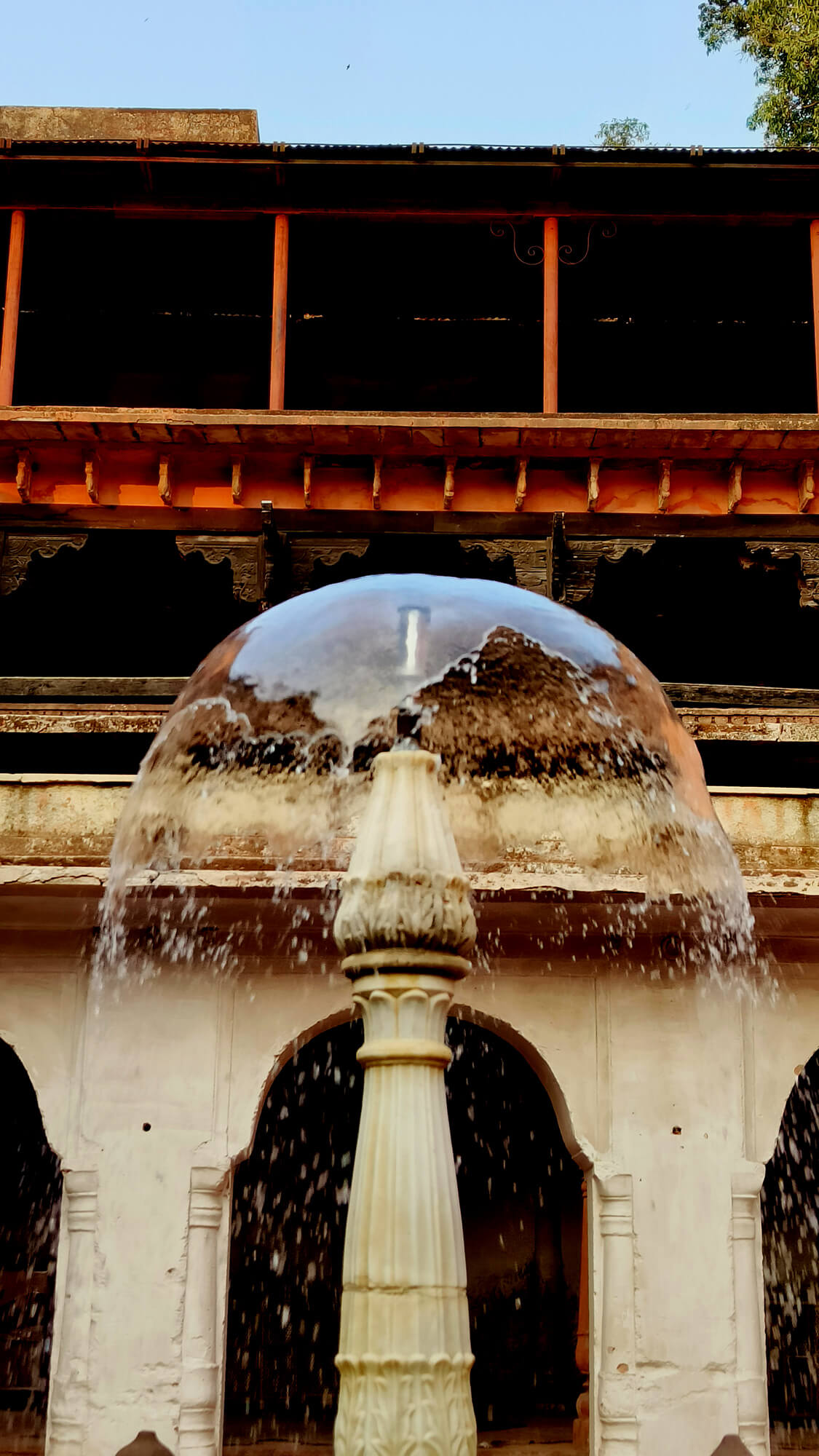
As we explored the terraces, balconies, and fountains at its center, I was mesmerized by how beautifully each view was framed within the structure.
I would return to this place many times during my stay—sometimes alone, sometimes with friends, and other times to attend a poetry session in one of its courtyards which transported me to another time.
And I couldn’t help but smile at the thought—this was poetry being recited within poetry that had already been frozen in stone.
Walking through memory and everyday life
Over the next few days, we explored the place—old and new.
We crossed Iqbal Maidan, with tall havelis—or manzils, as they are called here—surrounding it. One could sense the riches of a bygone era in their scale and presence.
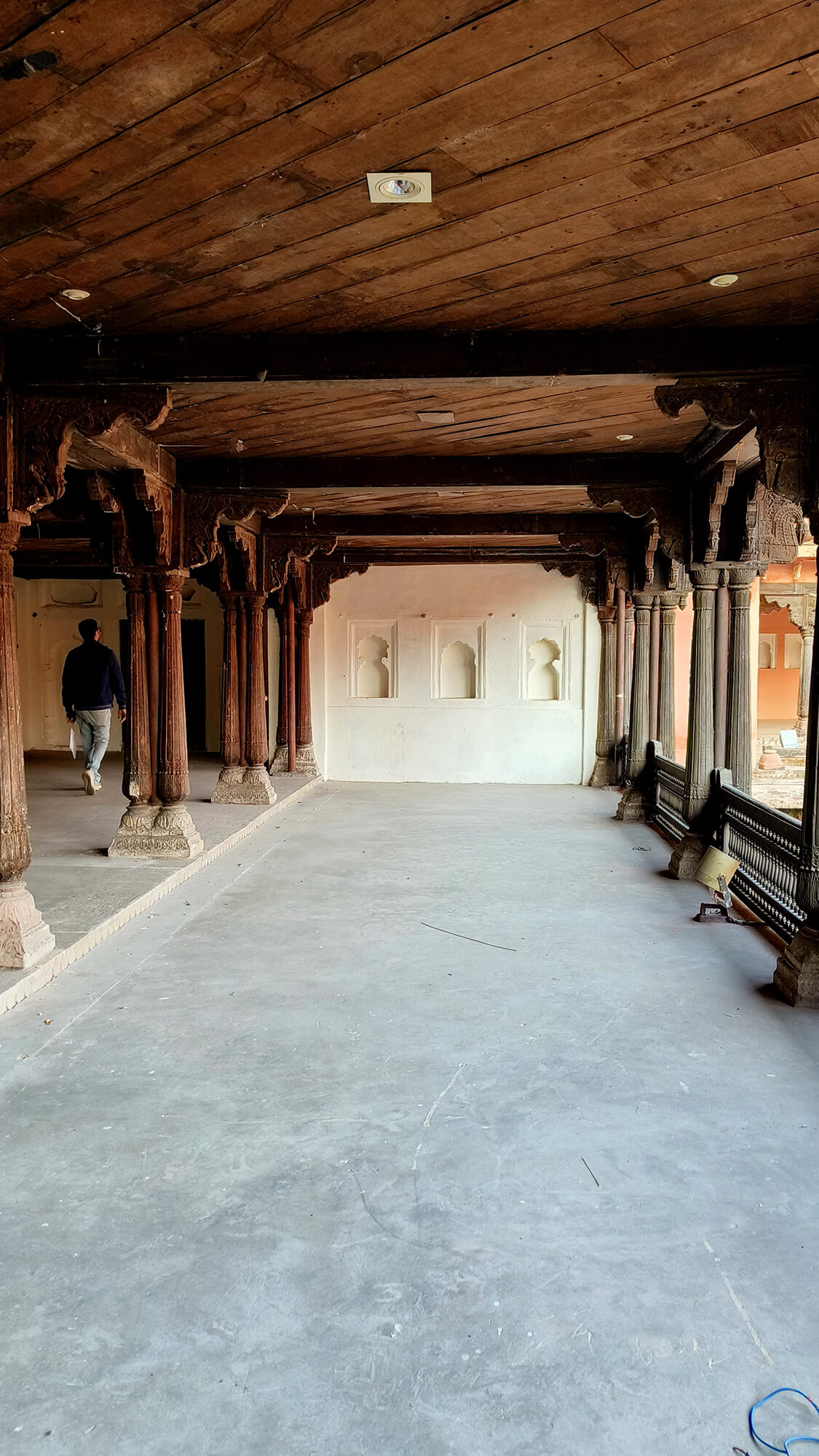
We visited Sadar Manzil—built with large colonnades and finely carved arches around a generous courtyard. It was being renovated into a hotel, and as I moved from one space to another, I kept thinking what a fine and opulent stay it would become.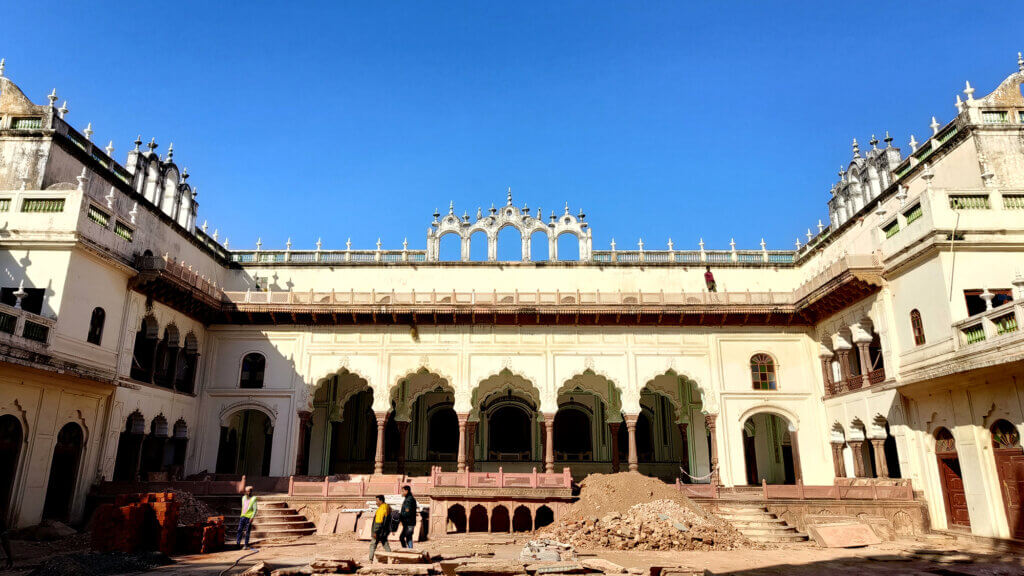
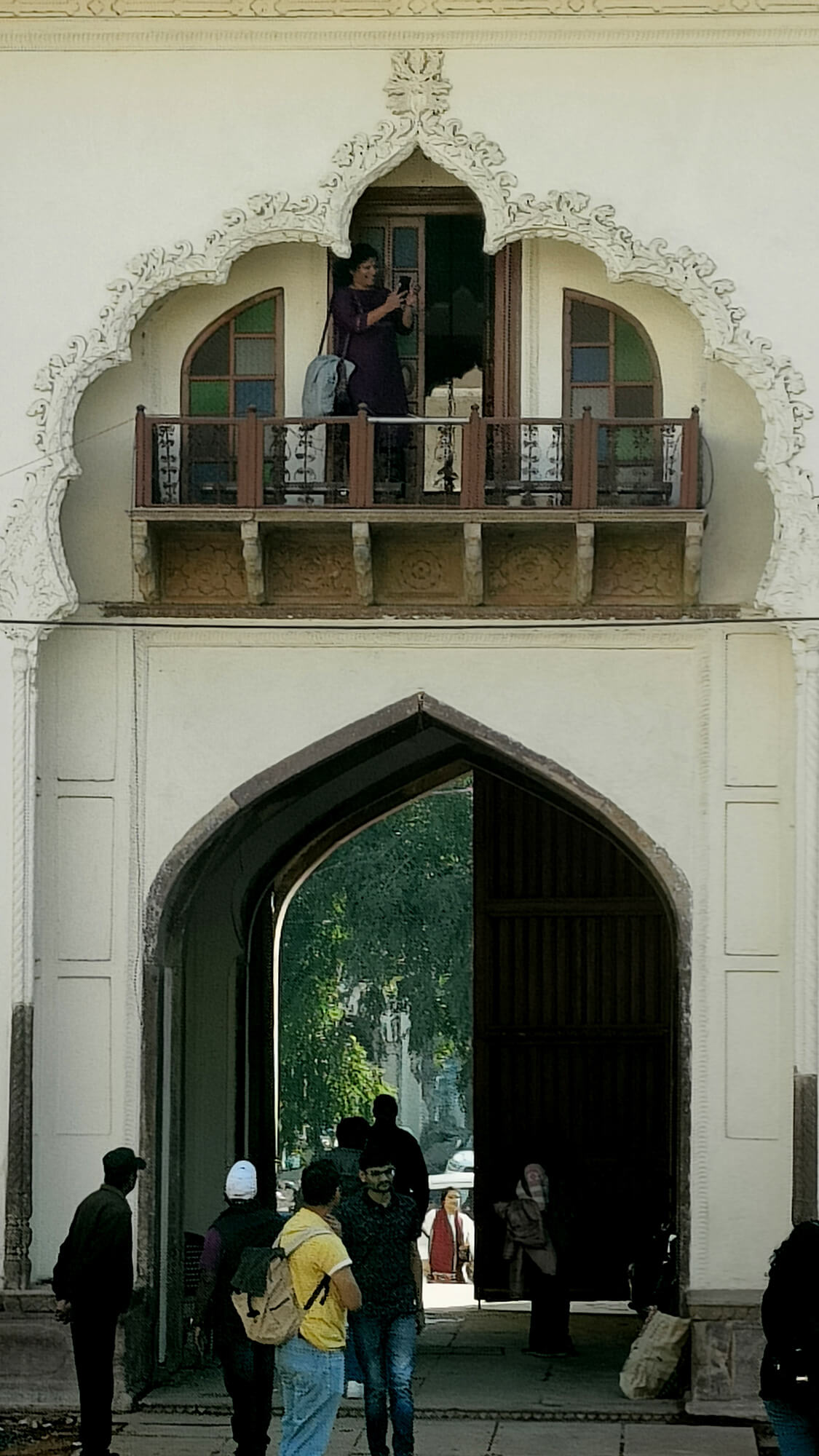
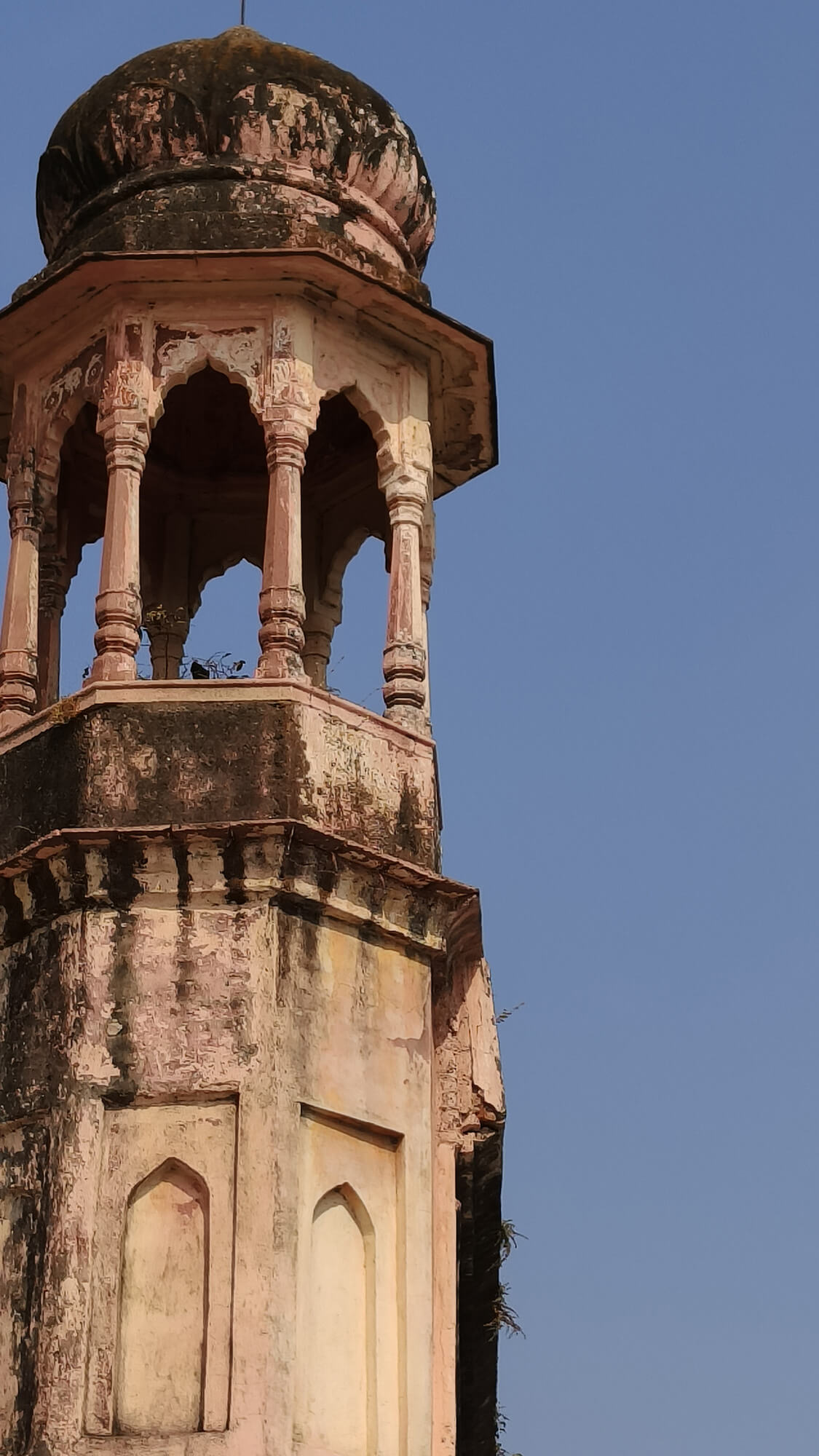
As we reached Chowk Bazaar—the core of the city—the real Bhopal unfolded. Once enclosed within walls and gates, this area still holds Jama Masjid Bhopal at its center. Narrow lanes of the local bazaar surround it—shops selling pearl purses, crystal jewellery, shiny shoes, and embroidered lehengas and sherwanis inviting people from all around.
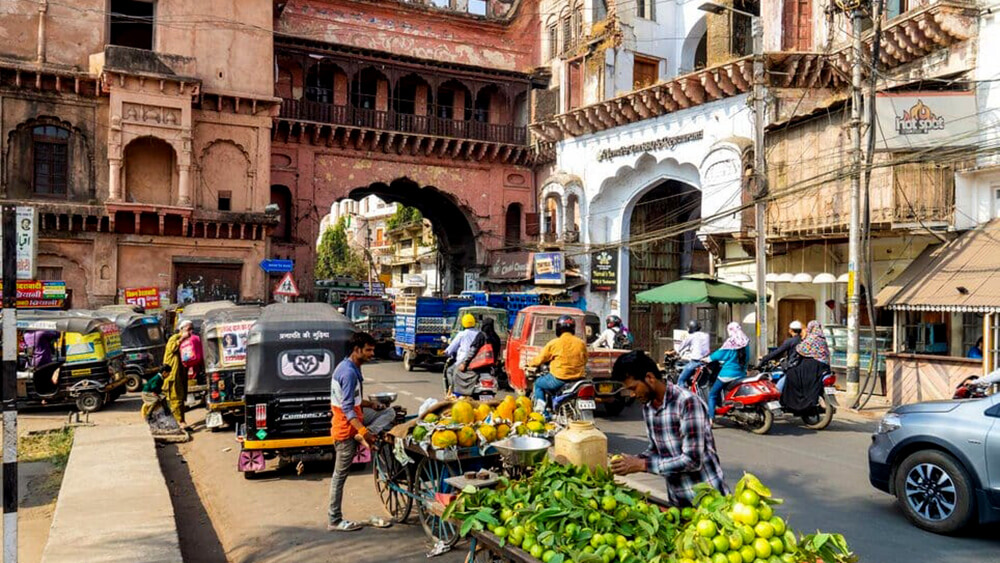 The regular hustle and bustle of the market is broken intermittently by the sound of azaan.
Over the next four days, while the students got busy studying the mosque, a temple haveli nearby, Iqbal Maidan, and Shaukat Mahal, I found myself gleefully shopping in those lanes.
Encountering different expressions
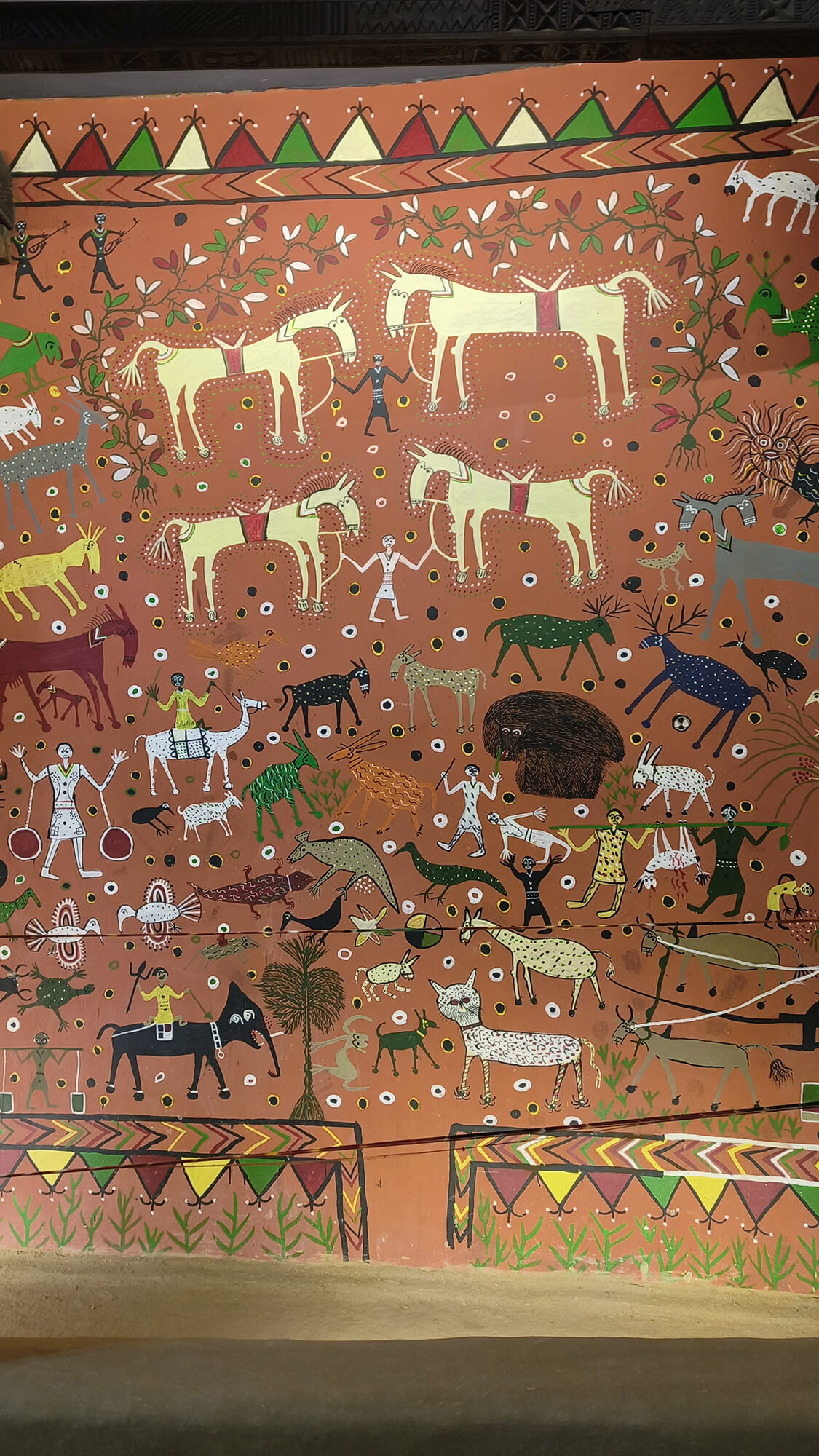
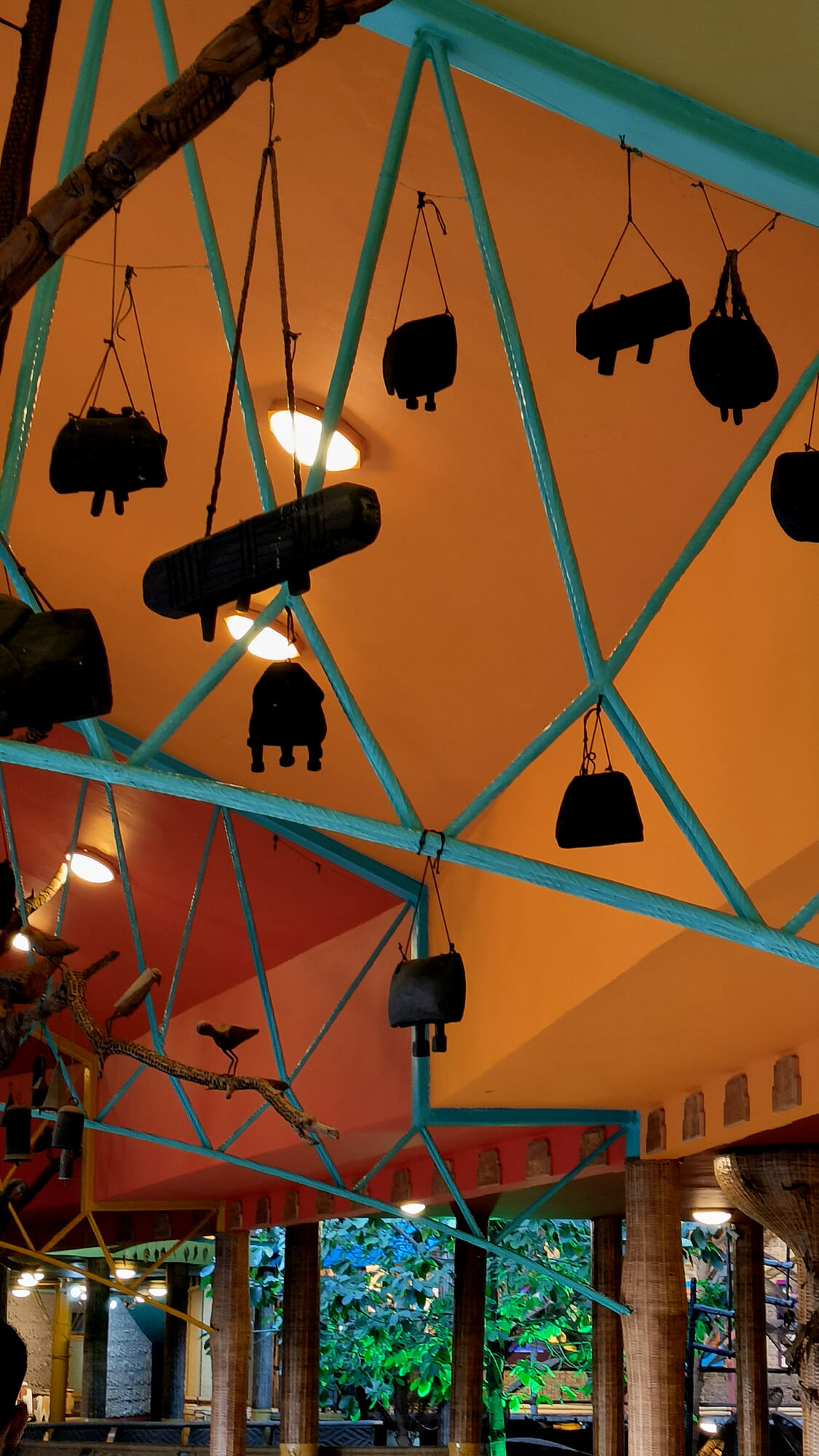
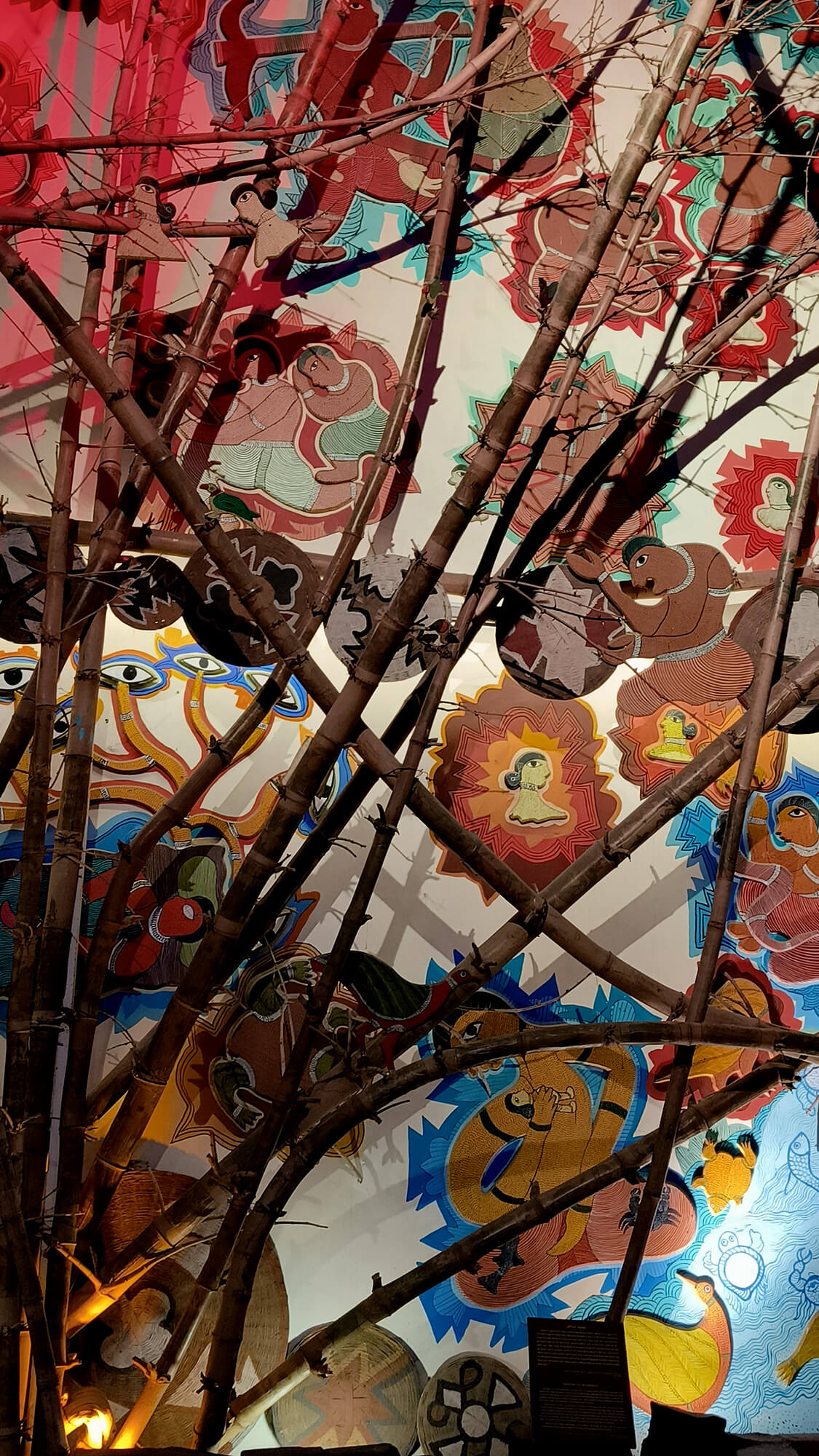
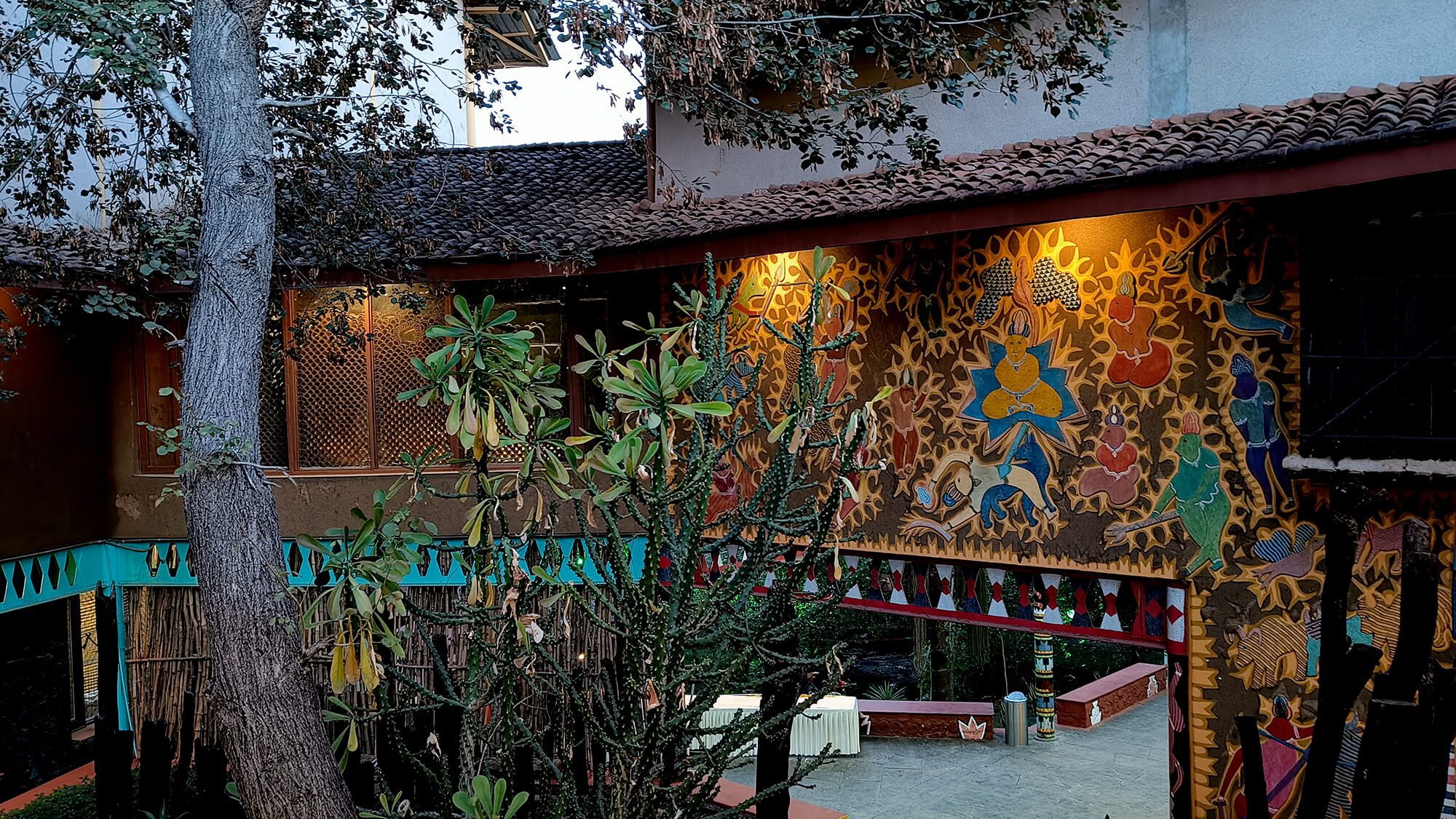
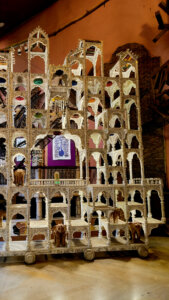
We visited the Tribal Museum, designed by Revathi Kamath. With three large interconnected pavilions and a central courtyard binding them together, it celebrates the rich tribal culture of the state.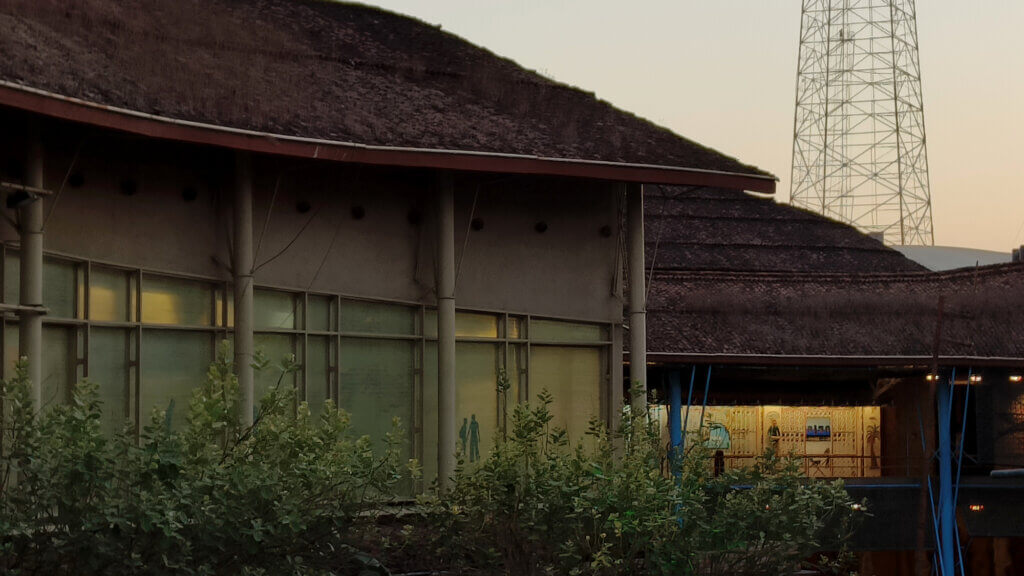
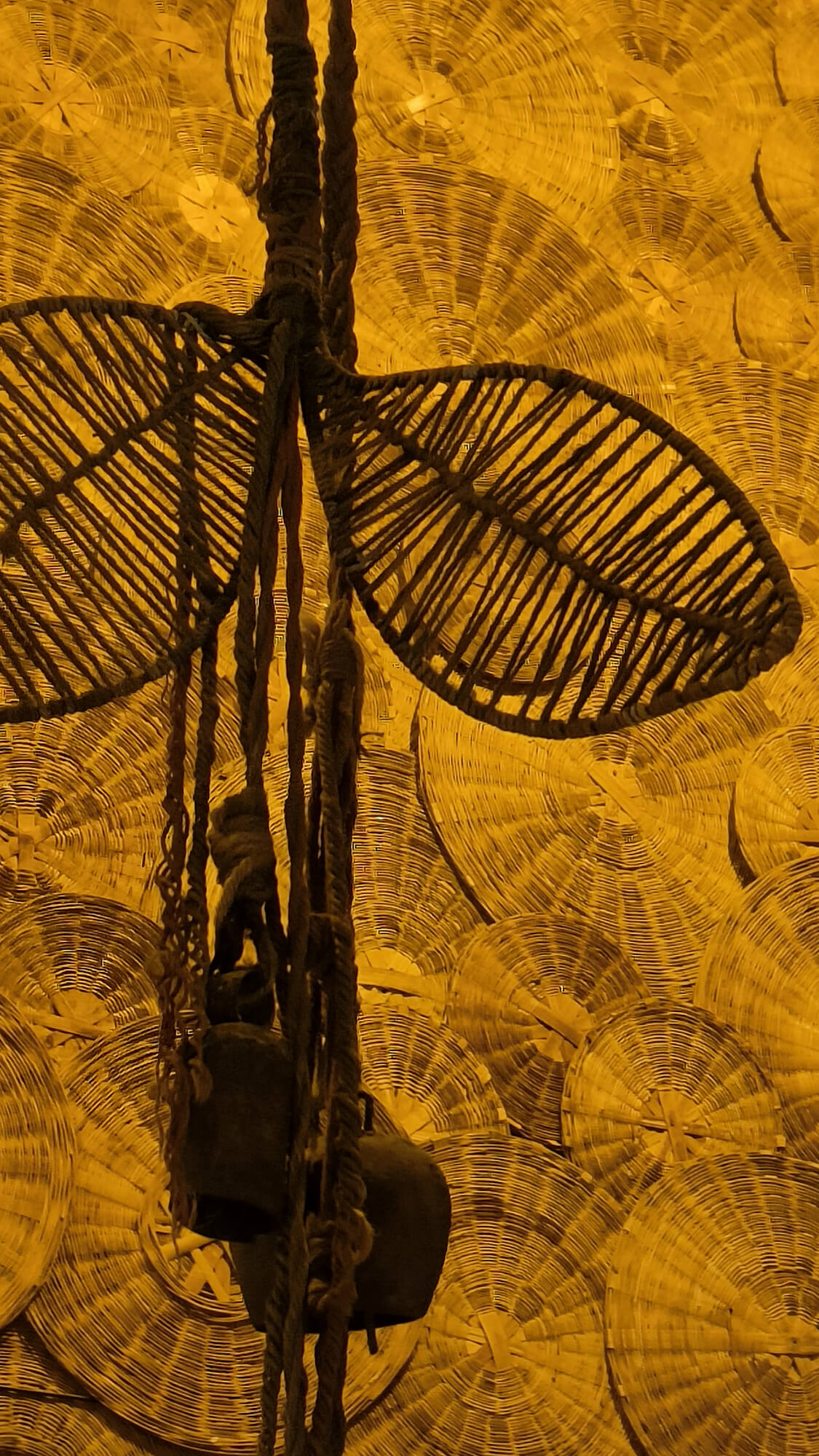
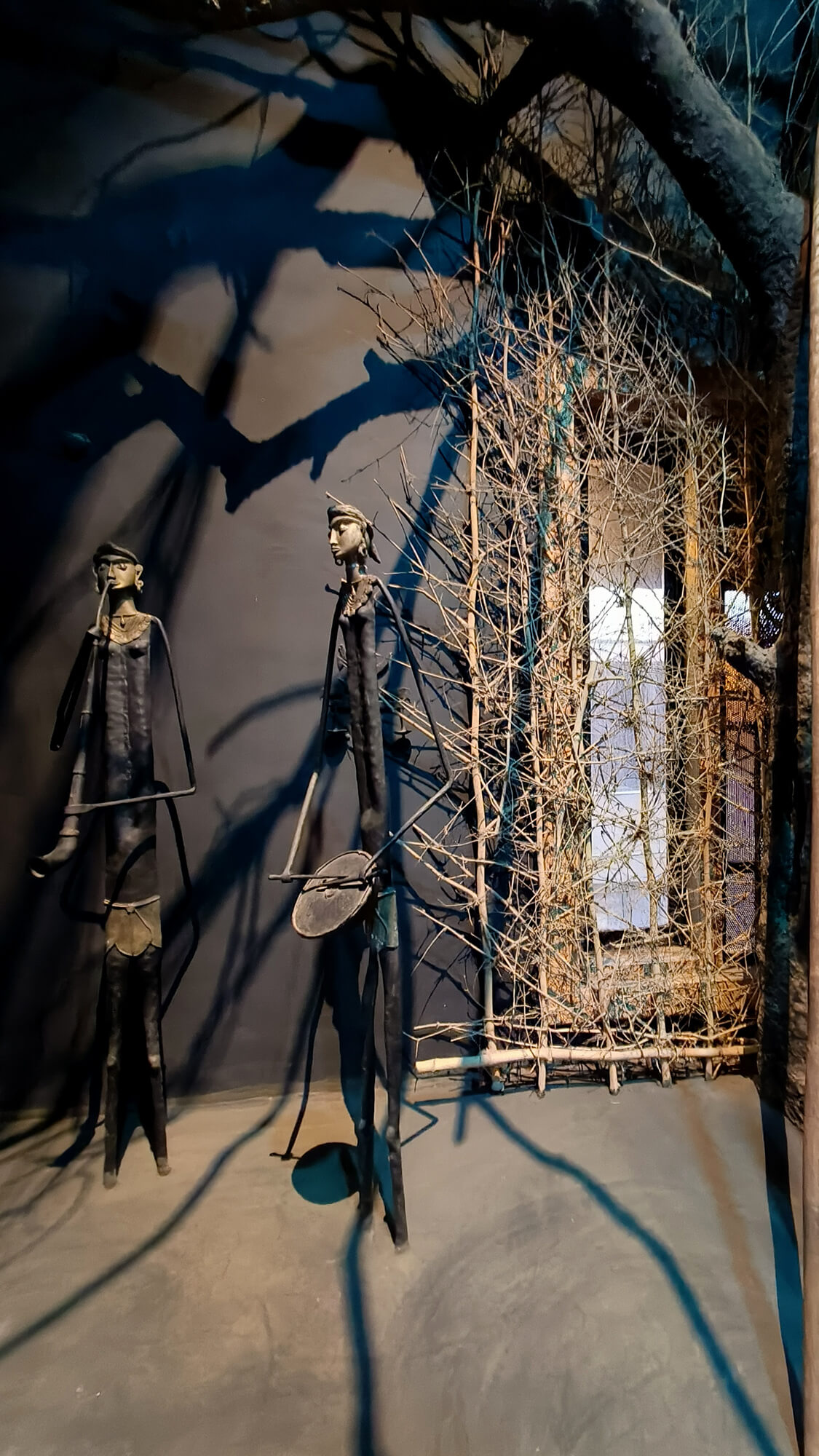
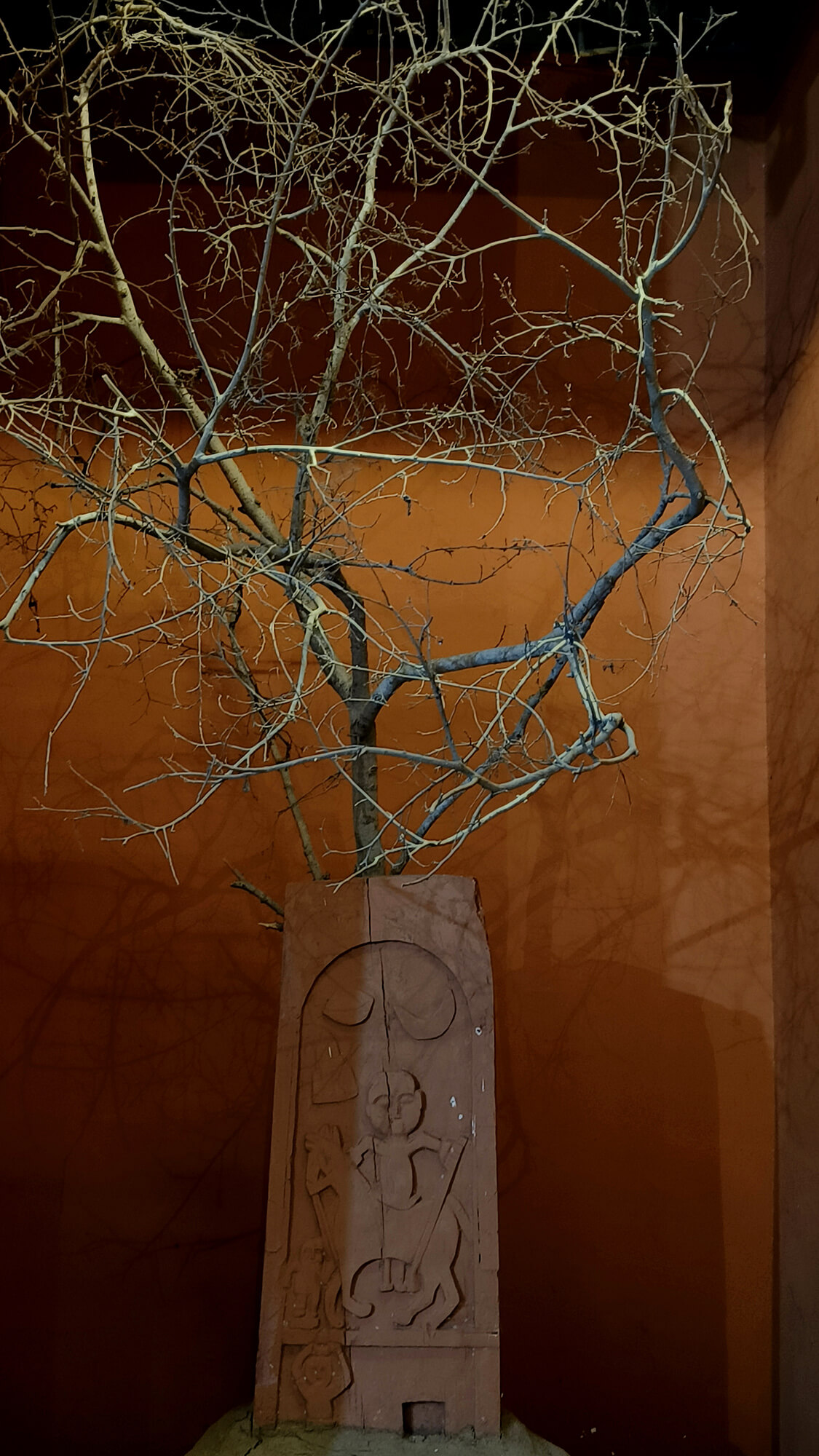
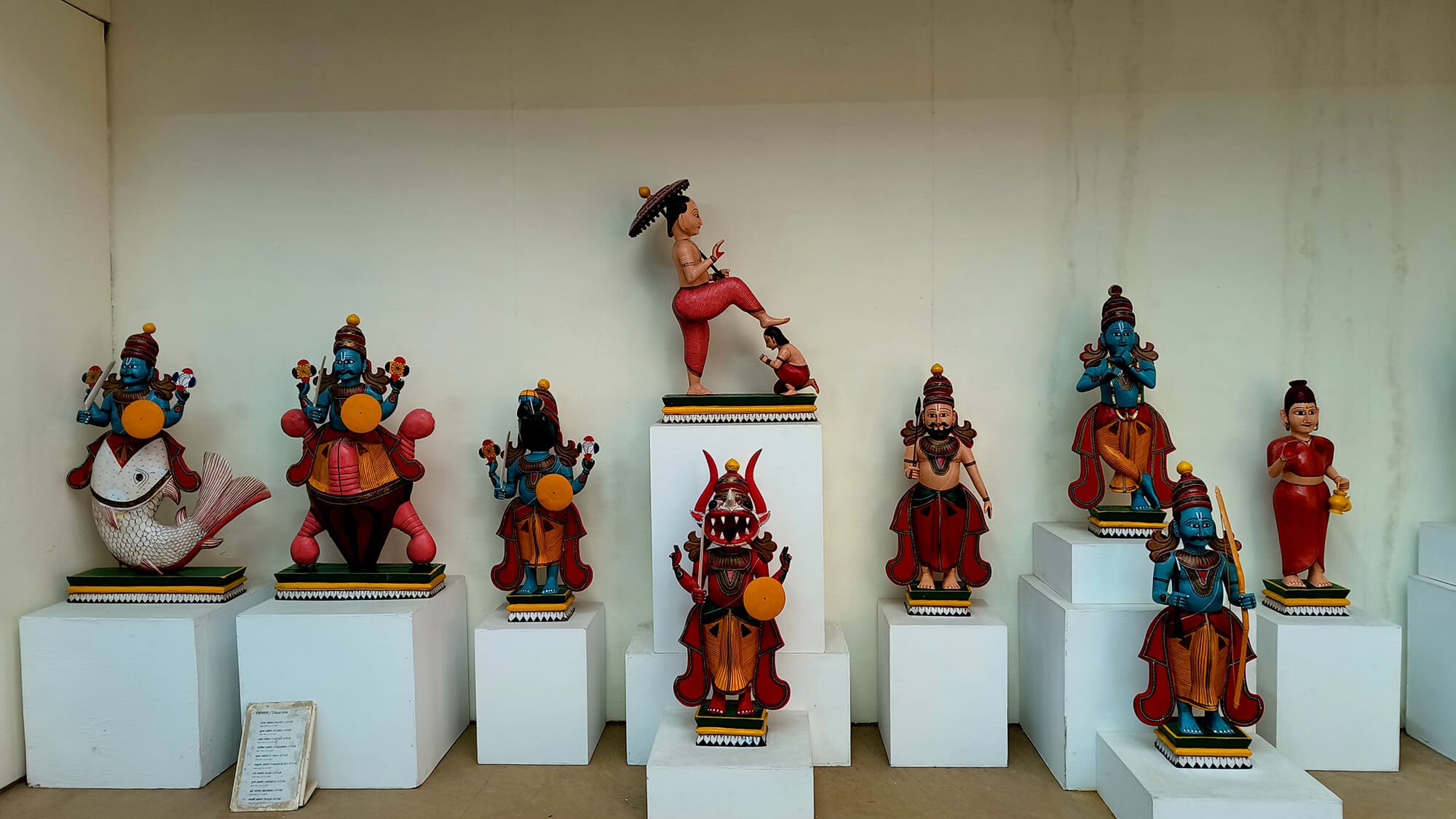
It offers a diverse display—how tribes live, their forms of worship, the crafts they practice, the spirits they believe in, and the tools they use. It is a brilliant and messy exhibit with the capacity to overwhelm the visitor.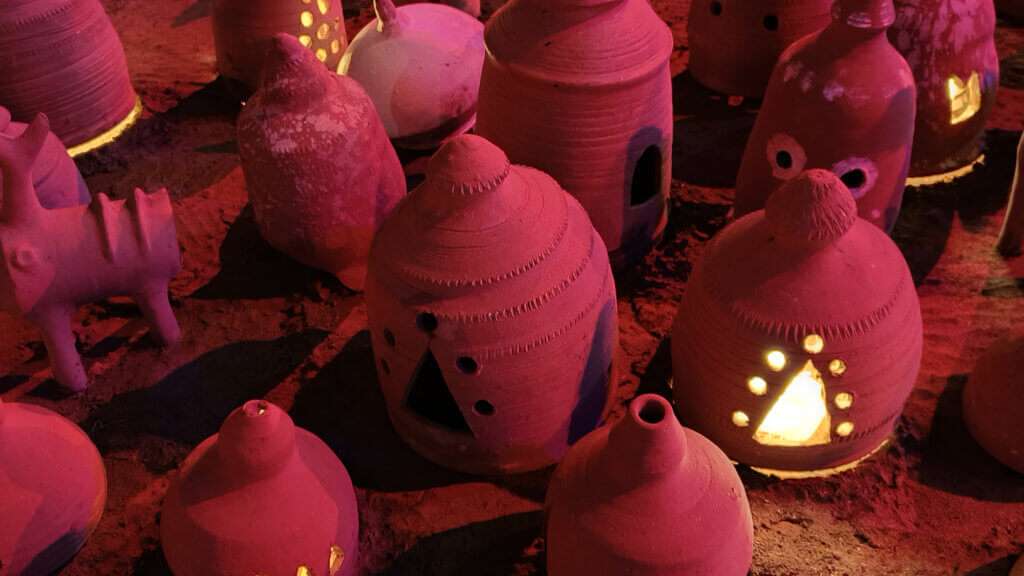
A visit to Bharat Bhavan felt like the opposite.
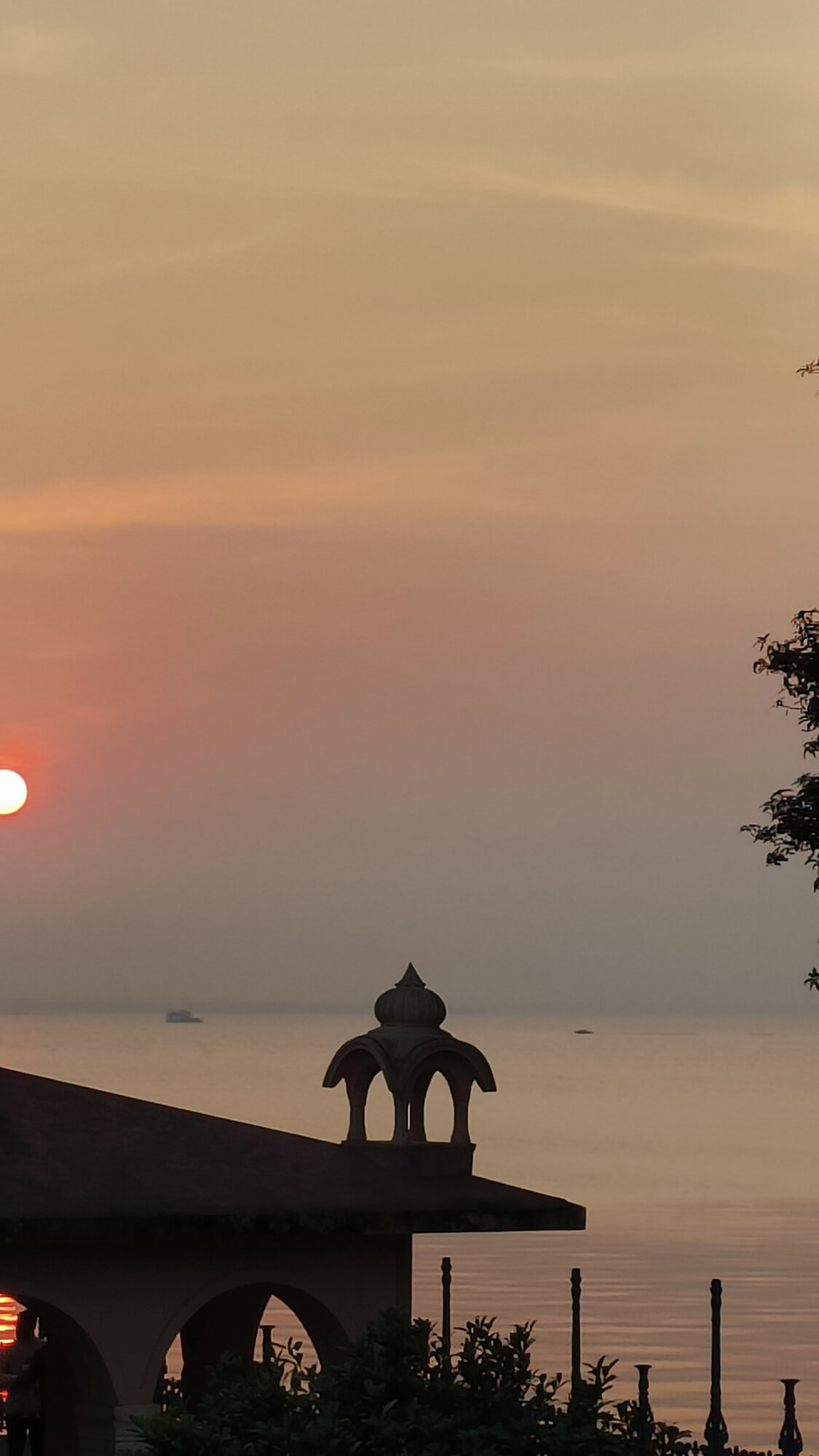
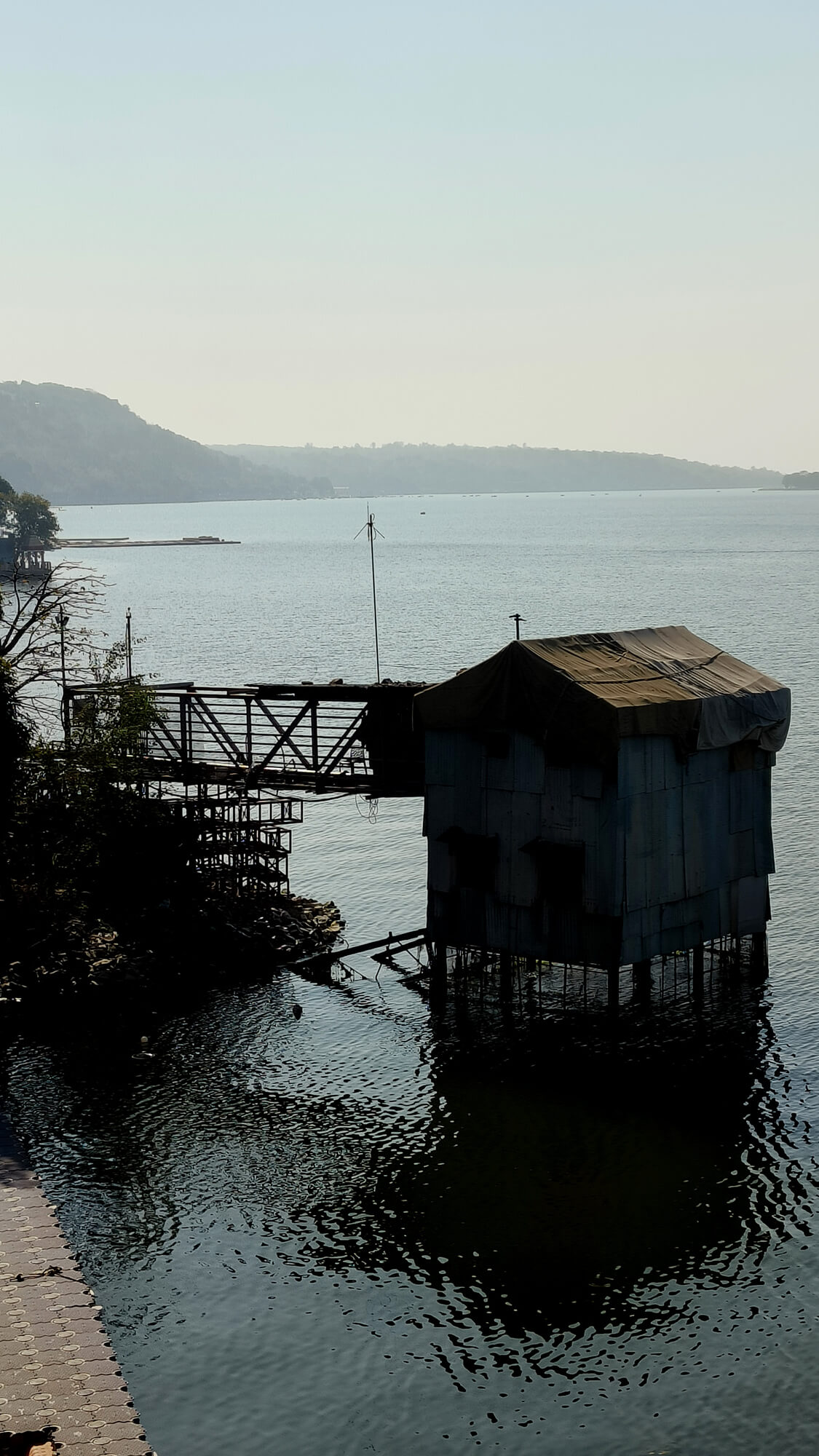
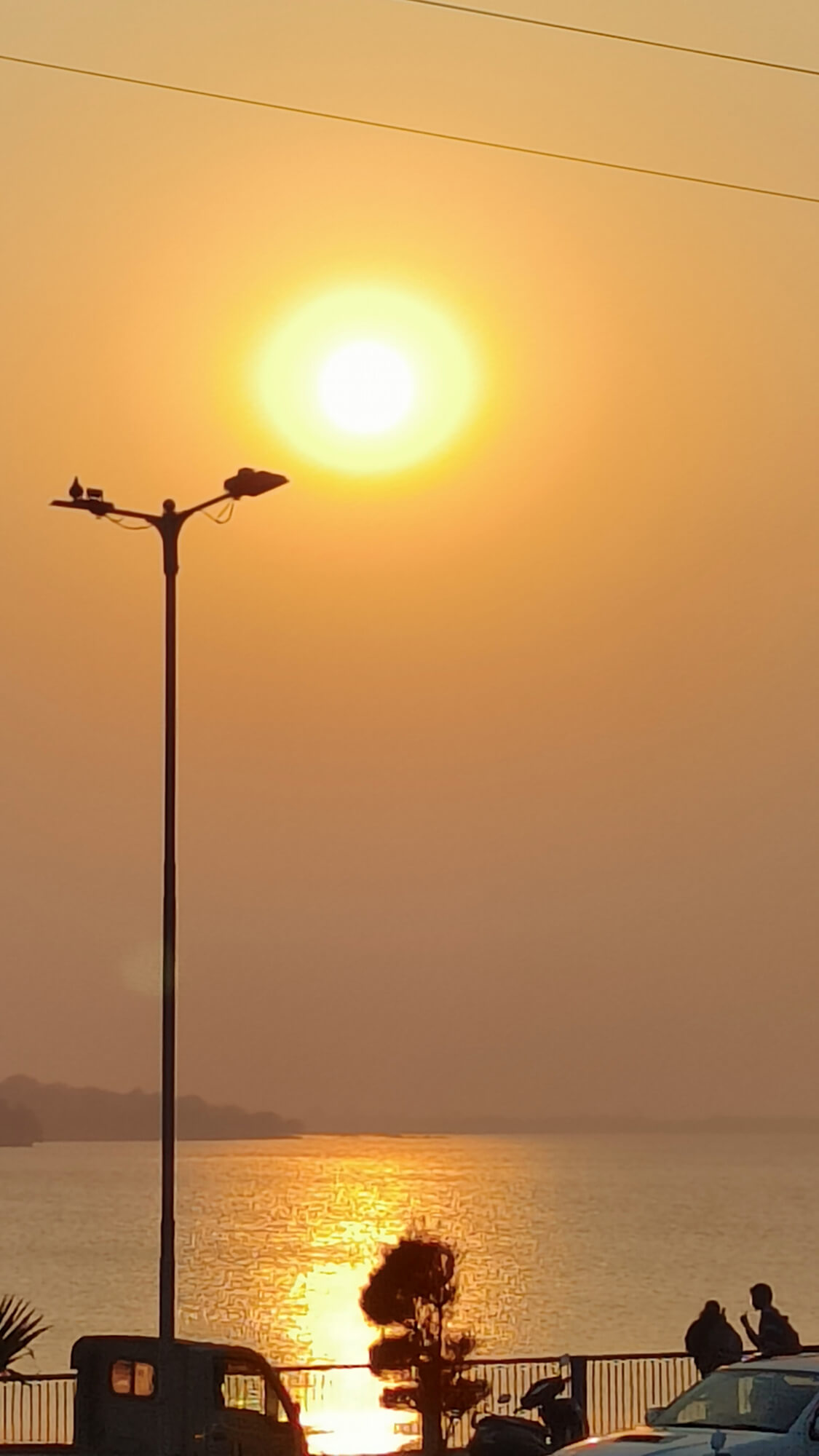
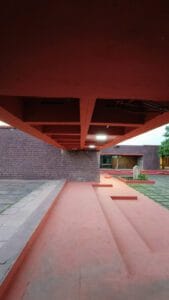
This structure is a contemporary piece of poetry, sitting on the bank of Upper Lake. Its connected courtyards lead to terraces that open onto the water.
One could sit here and simply be – as I did when I returned alone the next day. To sit and do nothing.
The place allows you to connect and converse—with yourself, with others, and with the place itself.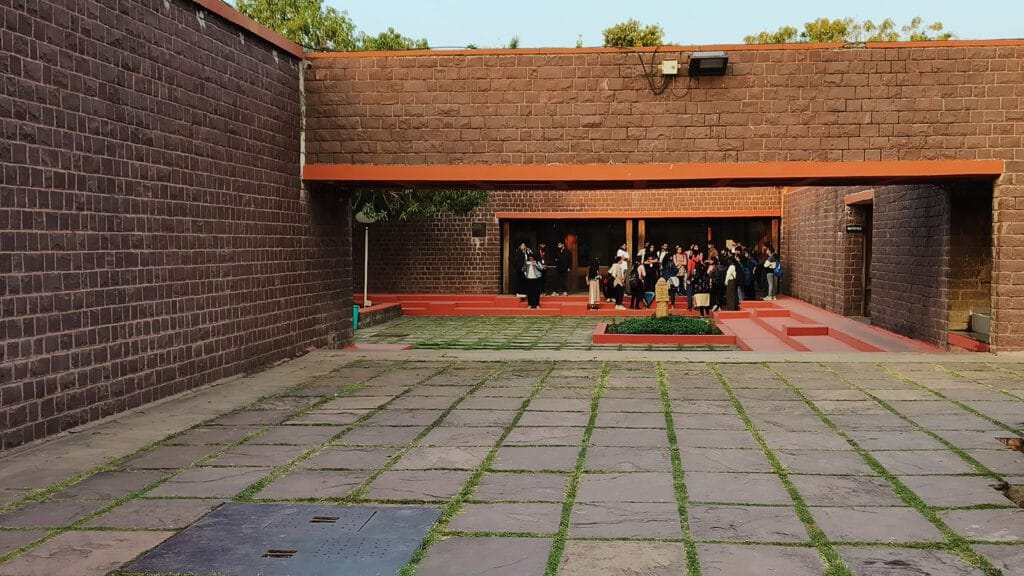
Jokingly, I told my colleague: the Tribal Museum is like a loud and beautiful folk song, whereas Bharat Bhavan is that classic you return to when you seek solitude.
Moments that stayed and a journey back in time
Bhopal did not stop to amaze me a single day.
As we visited Darul Uloom Taj-ul-Masajid—the biggest in India and one of the largest in Asia—the vastness of its courtyard did not overshadow the brilliance of its scale and proportion.
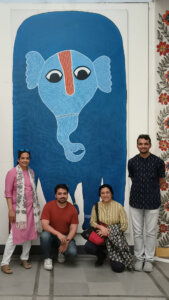 On another morning, we visited the Indira Gandhi Rashtriya Manav Sangrahalaya, an anthropological museum spread across a vast expanse of land.
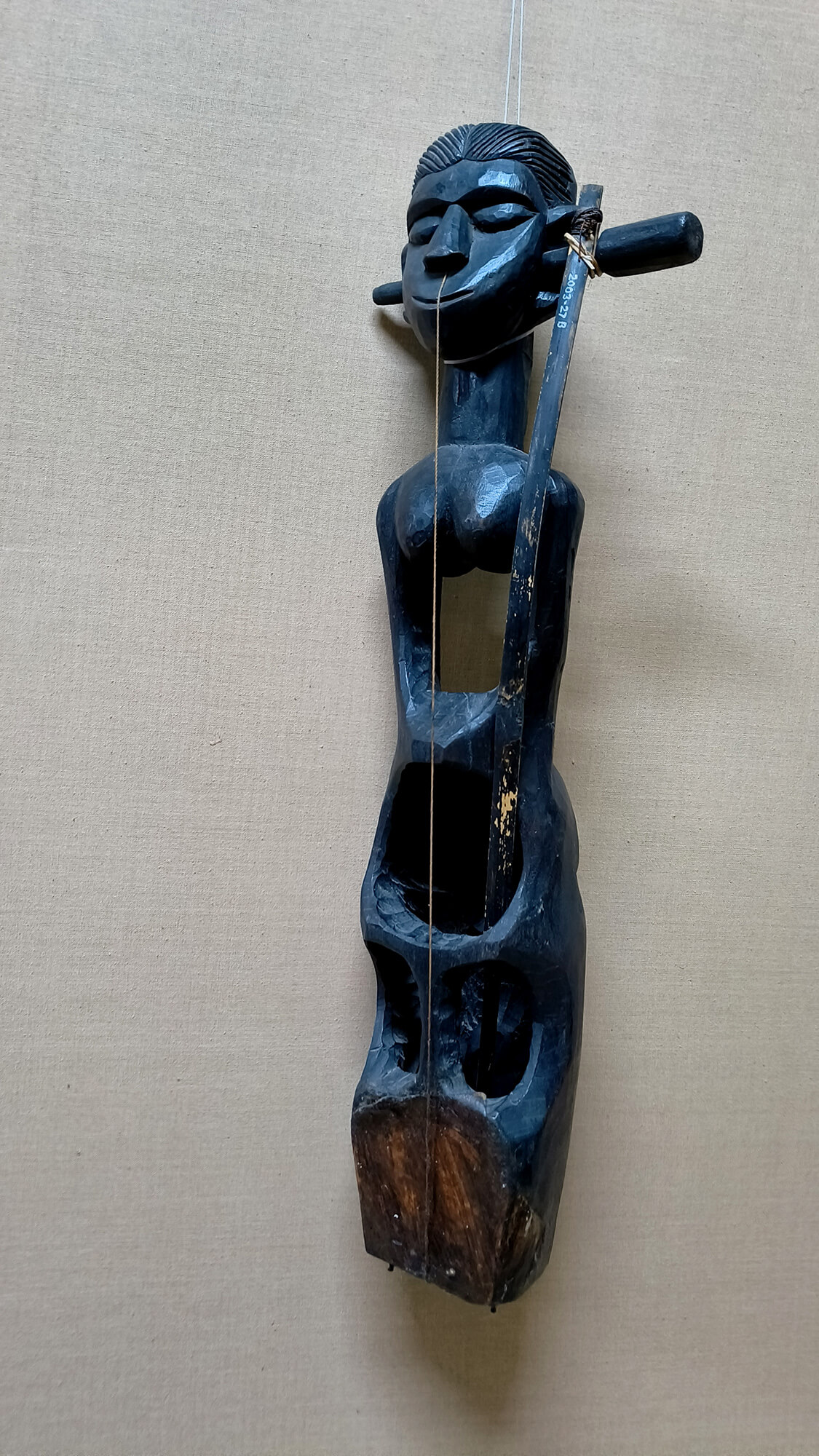
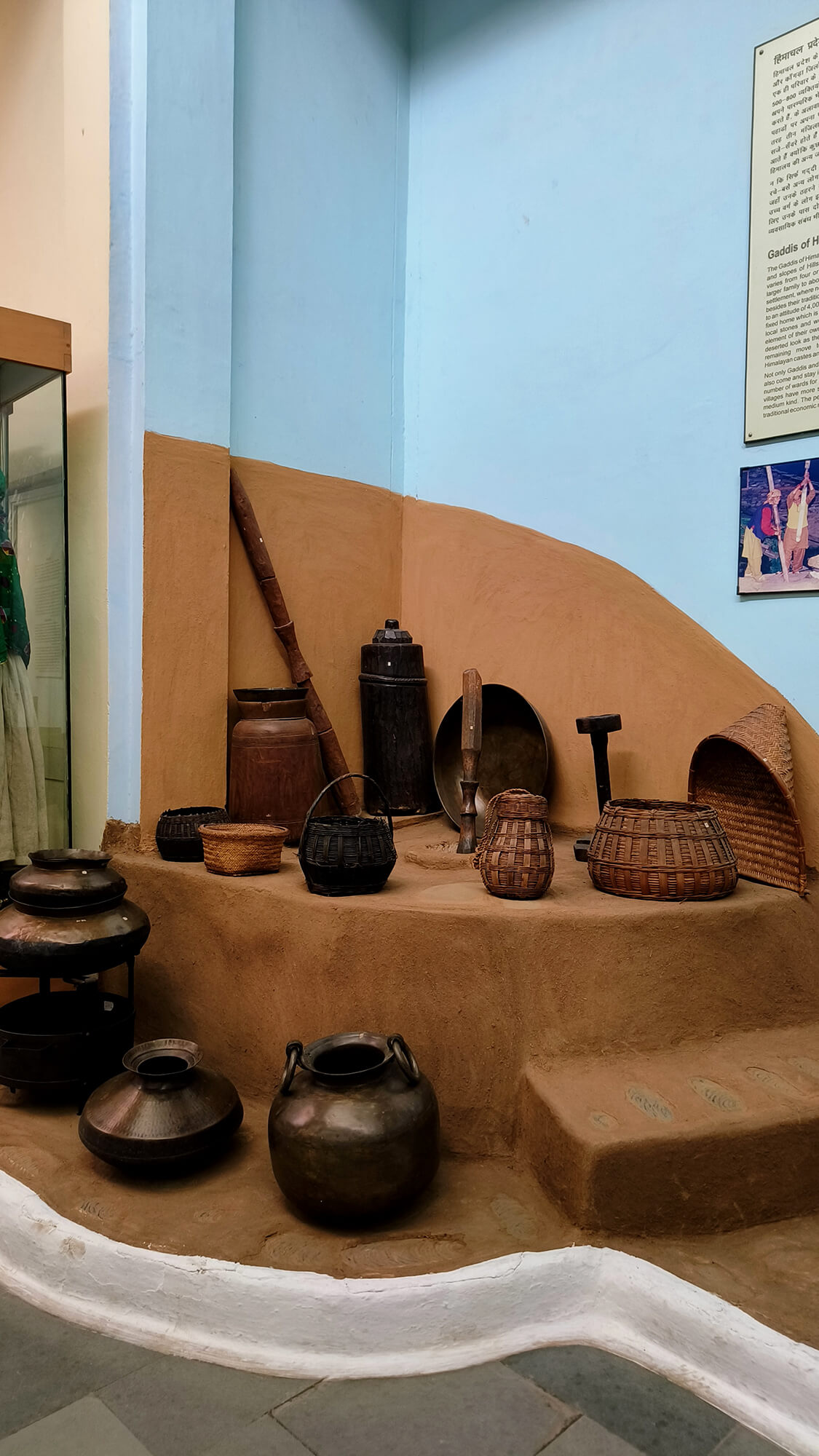
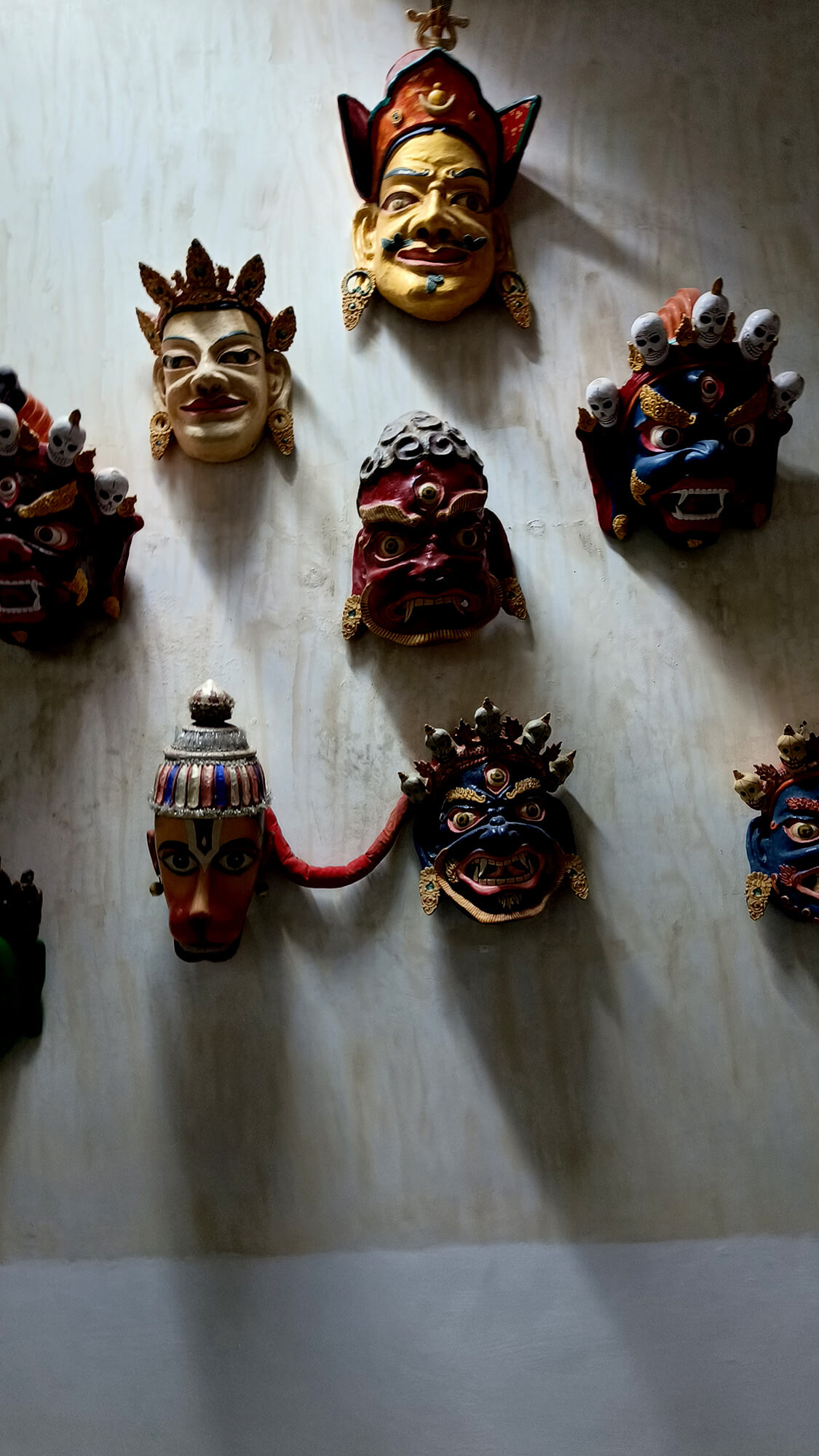
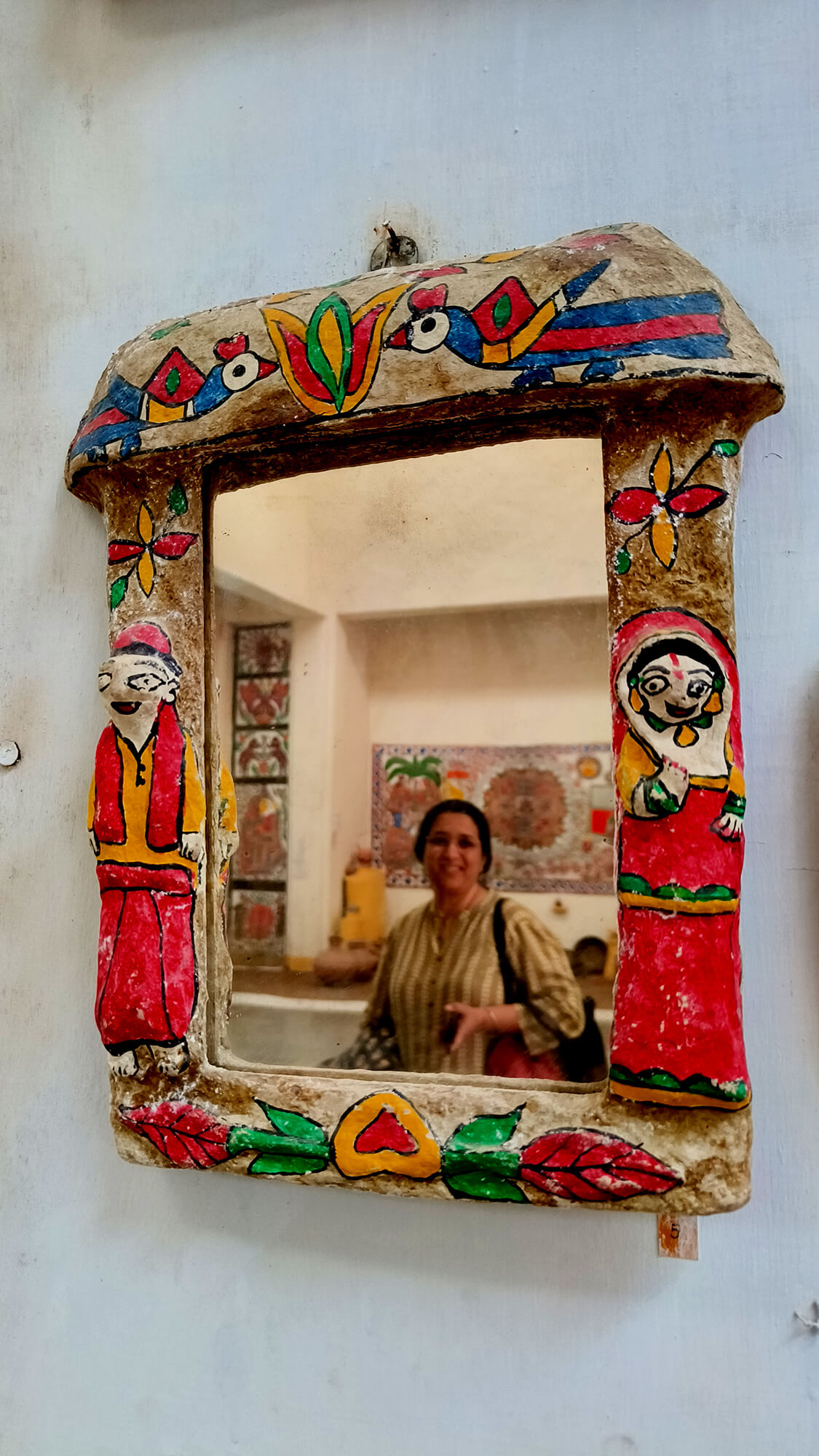
It showcases the tribes of India—both in the open landscape and within built galleries. A host of displays—carved objects, musical instruments, daily articles, masks, and different crafts—kept us engaged.
But what especially made my day was a Gond painting of a large blue elephant, created by a National Award–winning artisan from near Bhopal.
Visit to Bhimbetka Rocks
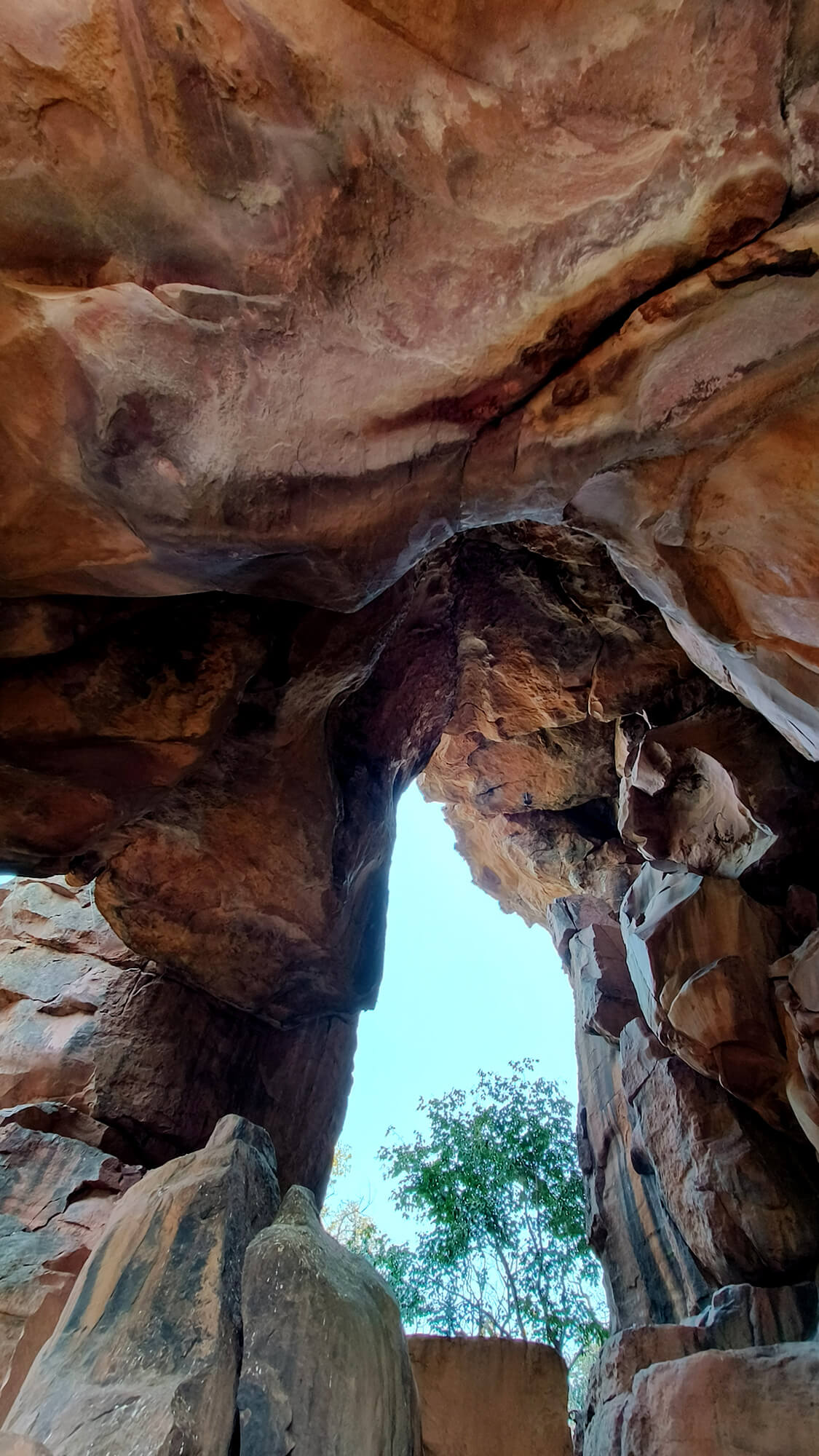
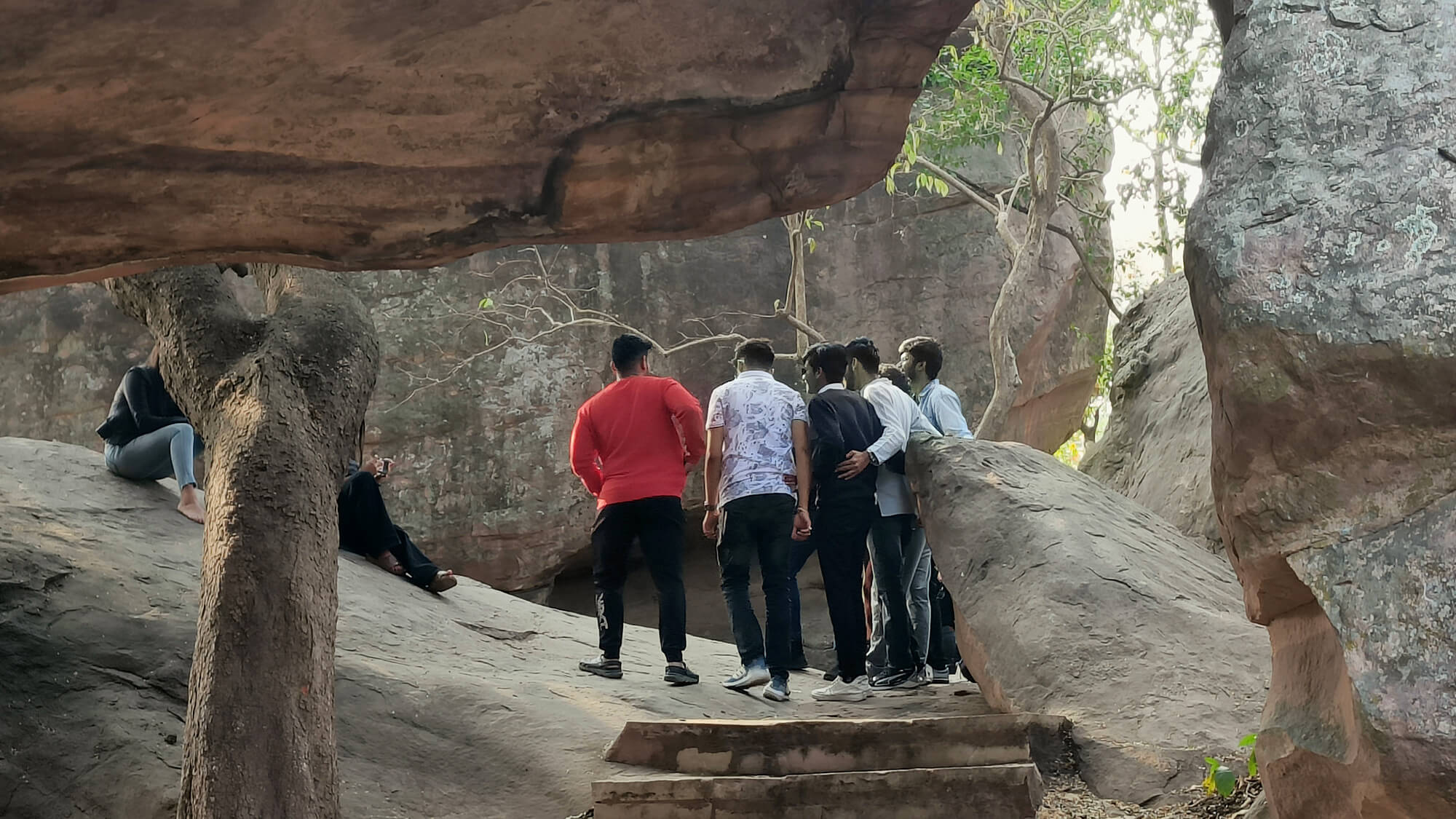
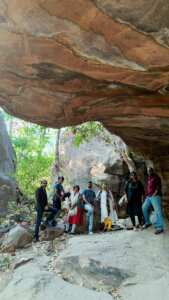 On the last day, we visited a place I was most curious about—the Bhimbetka Rock Shelters.
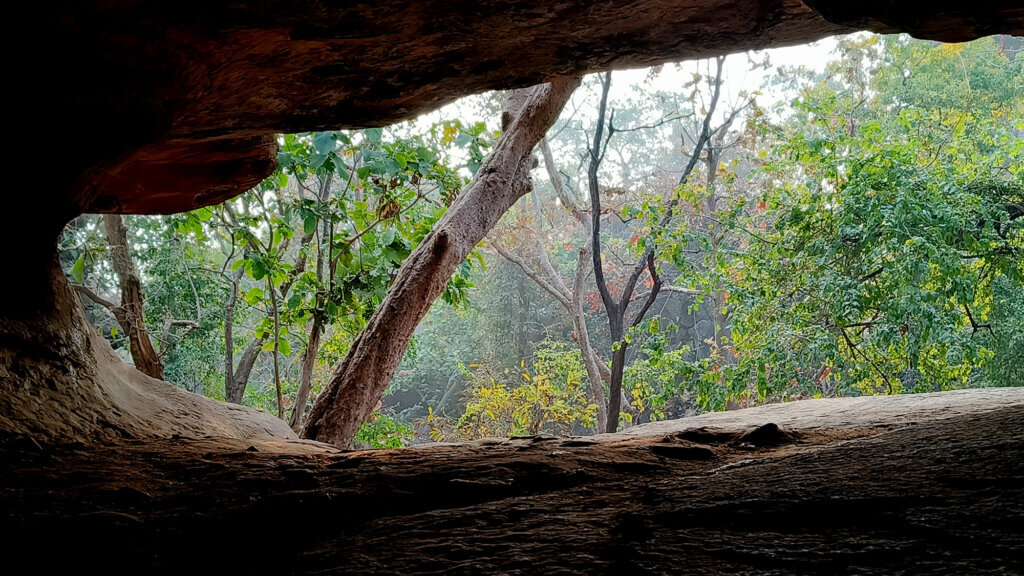
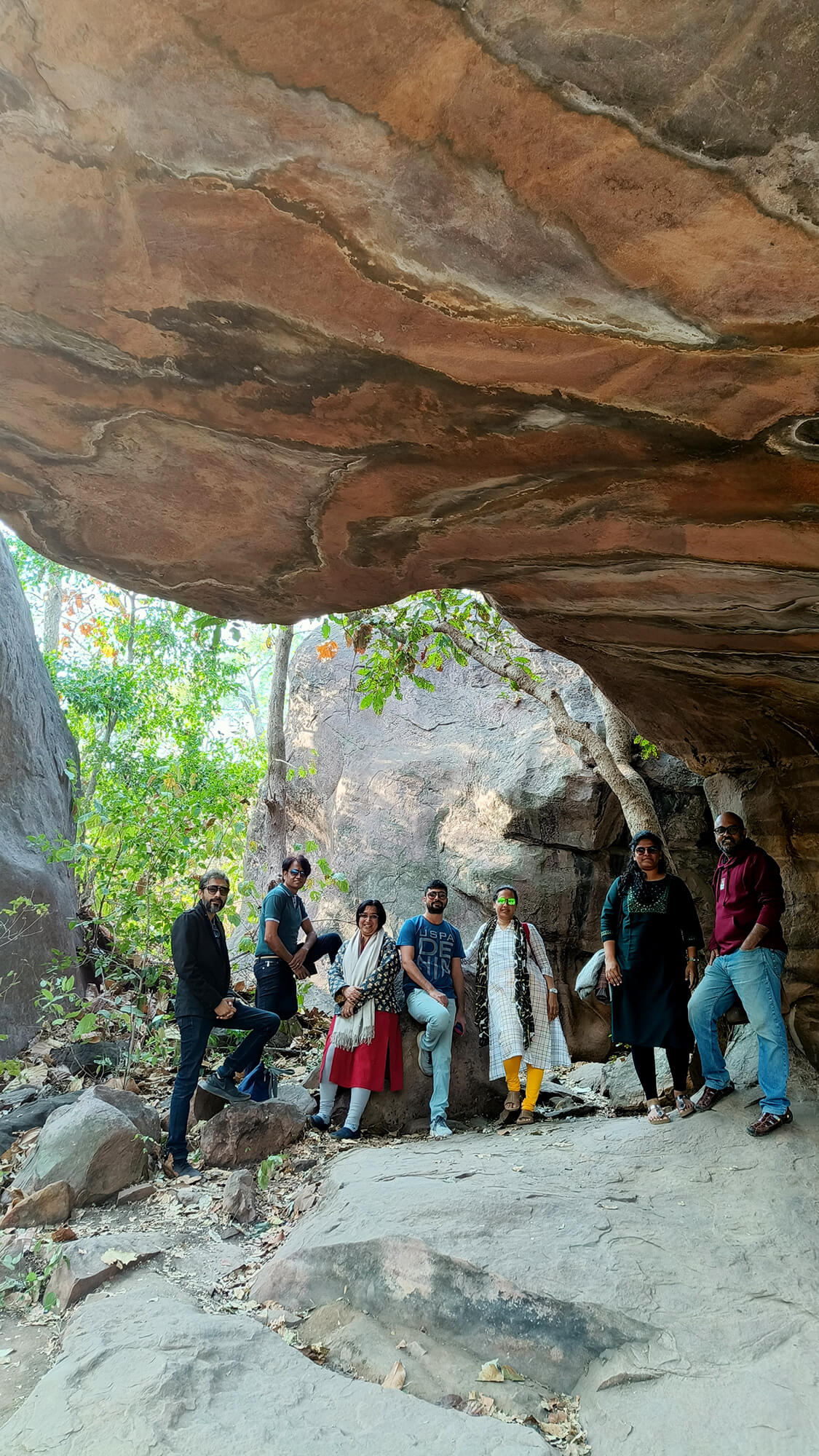
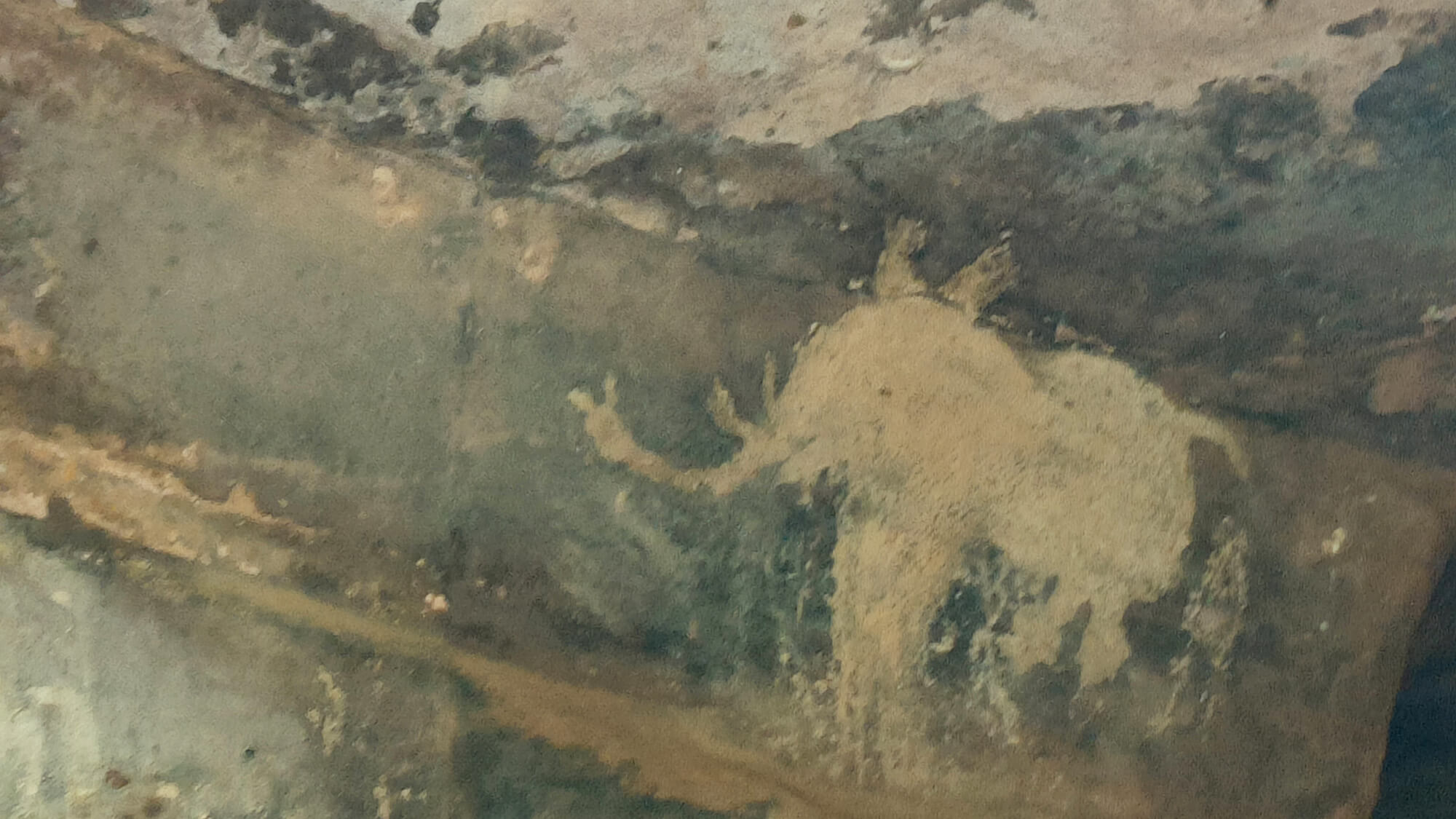
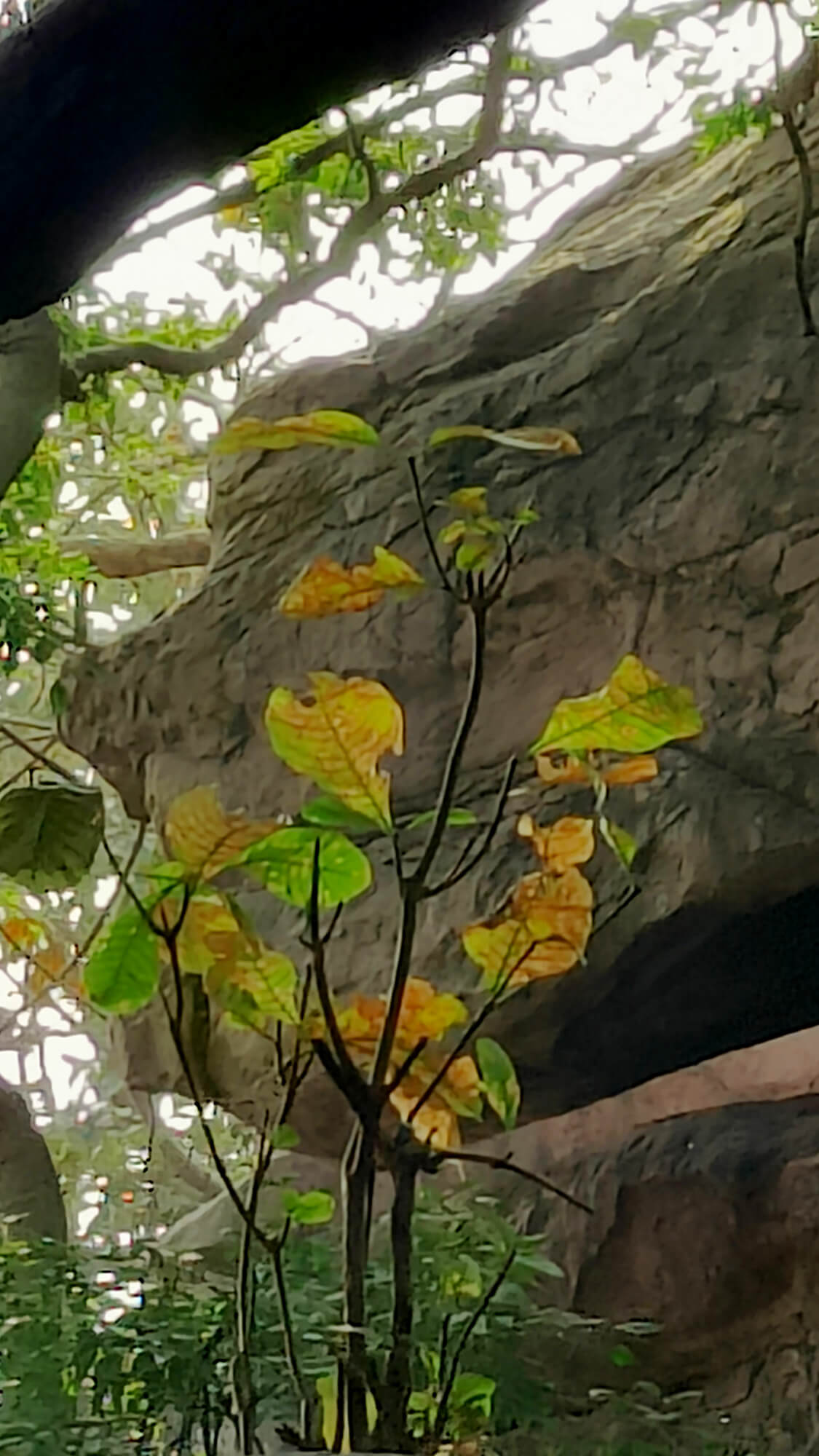
Located about 40 kilometres from the city, these awe-inspiring caves are spread like a small settlement. The rocky outcrops themselves are an extraordinary natural phenomenon. You reach the site by passing through forested land, and almost immediately, you are transported to a time when this place must have been alive with people—hunters and gatherers.
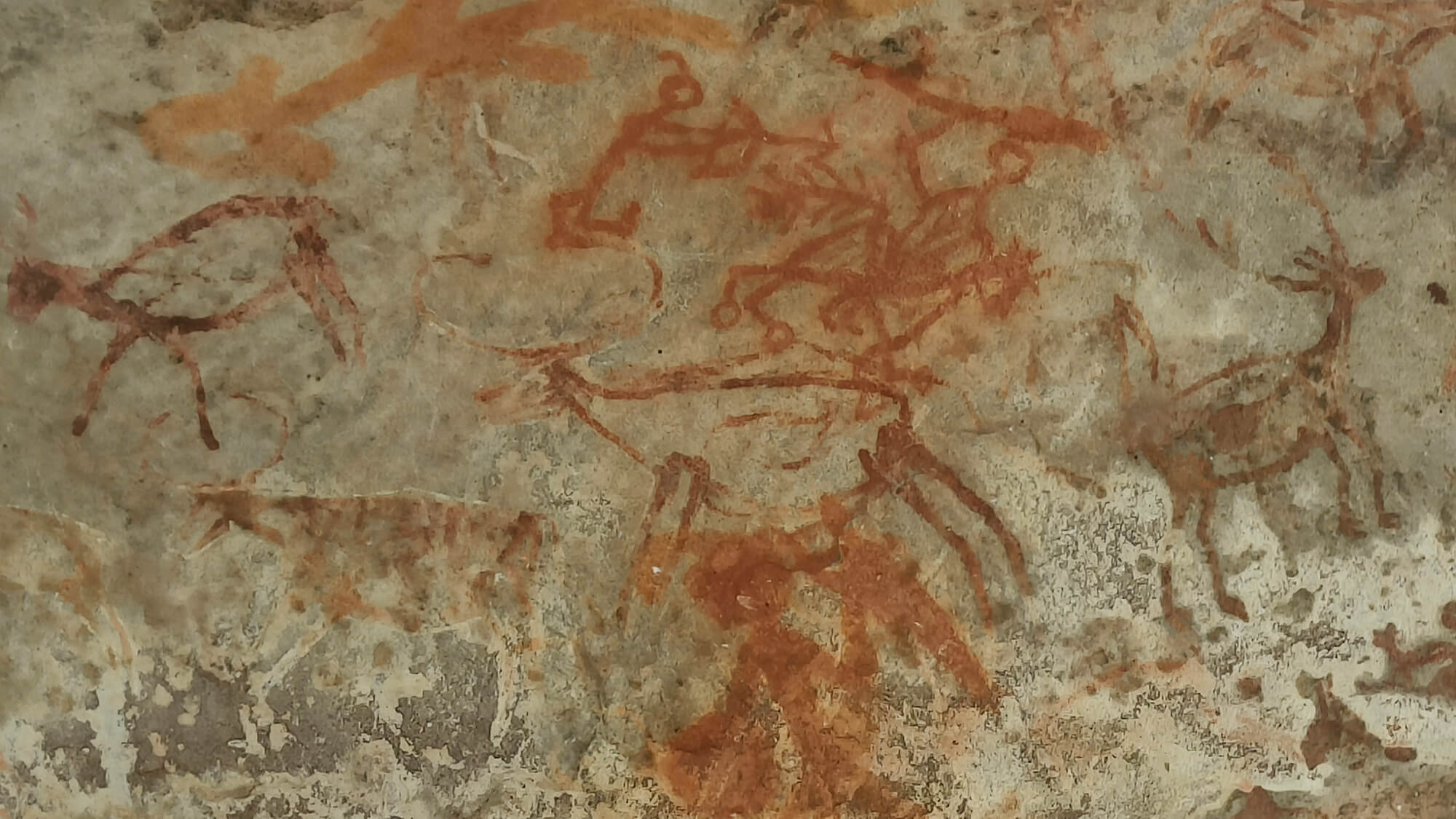
People who lived nearly 30,000 years ago—braving the elements, facing the wild—yet expressing their lives through paintings that have refused to fade.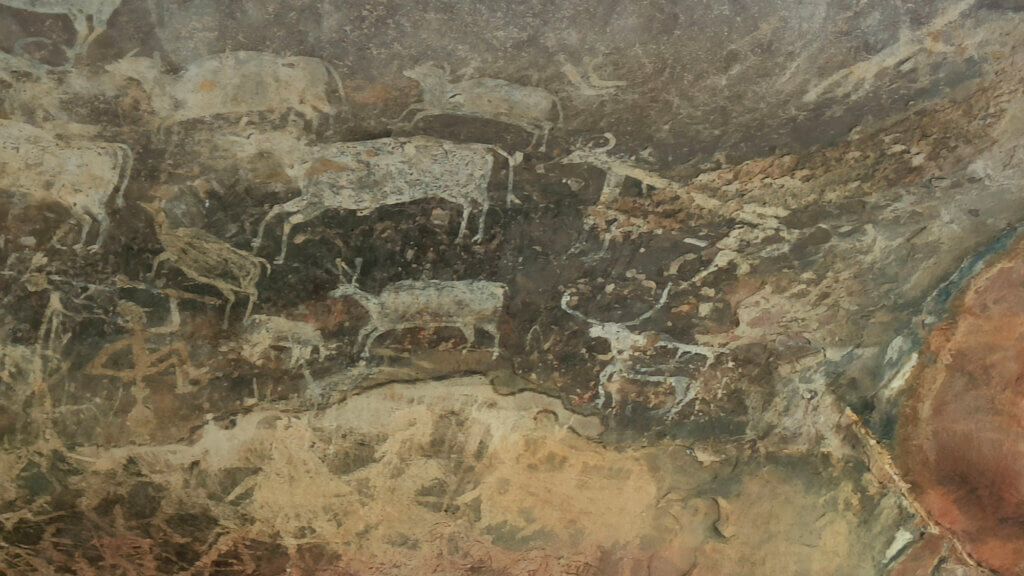
Paintings that remind you that human beings have always been storytellers.
Here is where people must have gathered in open clearings ,perhaps boasting about their hunts.
And one cannot help but wonder—what stories a mother might have told her children, sitting under these ancient outcrops.
What the place leaves you with
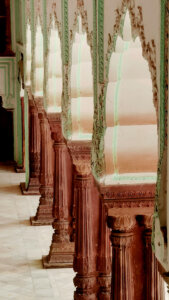 Bhopal and its environs hold stories—in Bhimbetka Rock Shelters, it speaks in whispers of prehistory; at Gauhar Mahal, it converses through arches and courtyards; and at Bharat Bhavan, it allows you to simply be.
Though fragmented by time, these feel like parts of one long piece—a continuing conversation across millennia.
I went to Bhopal to learn about the city with my students.
I left as someone who had been spoken to by a place.
The Old Core
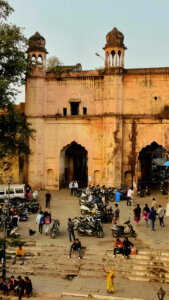
 Chowk Bazaar
 Chowk Bazaar
At the heart of the old city, Chowk Bazaar is one of Bhopal’s oldest marketplaces, once enclosed within city walls during the rule of the Nawabs. Historically a hub of trade and social life, it continues to thrive with narrow lanes lined with shops selling traditional attire, jewellery, footwear, and local crafts. More than just a market, it offers a vivid glimpse into the living culture of Bhopal, where everyday commerce blends seamlessly with heritage and community interactions.
Jama Masjid
Built in the 19th century by Qudsia Begum, Jama Masjid Bhopal is one of the prominent mosques of the city. Located near Chowk Bazaar, it reflects Mughal-inspired architecture with elegant minarets and a spacious courtyard. It continues to function as an active place of worship while also standing as a reminder of the powerful women rulers who shaped Bhopal’s identity.
Moti Masjid
Moti Masjid, meaning “Pearl Mosque,” was built by Sikandar Begum in the mid-19th century. Inspired by Delhi’s Jama Masjid, it is smaller in scale but equally refined, with a pristine white façade that gives it its name. Its balanced proportions and quiet presence make it an important architectural and spiritual landmark in the city.
Iqbal Maidan and Surrounding Havelis
 Iqbal Maidan and Surrounding Havelis
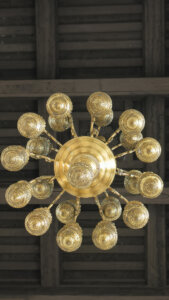
Iqbal Maidan is a historic open ground in the old city, once a focal point for public gatherings and ceremonies. Surrounded by grand havelis, or manzils, the area reflects the affluence and architectural richness of Bhopal’s past. The scale and detailing of these structures offer insight into the lifestyle of the nobility and elite families of earlier times.
Gauhar Mahal
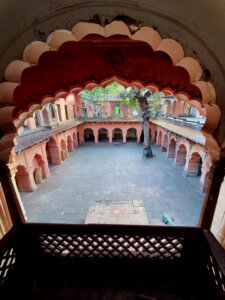 Overlooking the Upper Lake, Gauhar Mahal was built in 1820 by Qudsia Begum, the first female ruler of Bhopal. This palace blends Mughal and Hindu architectural elements, with courtyards, jharokhas, and intricate detailing. Today, it often hosts cultural events and festivals, making it a vibrant space where history and contemporary cultural expressions meet.
Taj-ul-Masajid
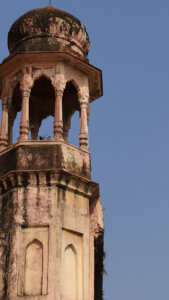 Taj-ul-Masajid is one of the largest mosques in Asia, begun during the reign of Shah Jahan Begum in the 19th century. Its grand courtyard, pink façade, and towering minarets reflect both scale and elegance. It remains an important religious center and a striking example of Indo-Islamic architecture in India.
Royal Hammam
The Royal Hammam Bhopal is a rare surviving example of a traditional public bathhouse that continues to function even today. Rooted in Persian bathing traditions introduced during the Nawabi era, it offers a glimpse into historic lifestyles and wellness practices, making it both culturally and historically significant.
Minto Hall
Originally built as a council hall during the British era, Minto Hall Bhopal now serves as a heritage hotel and dining venue. Overlooking the Upper Lake, it combines colonial architecture with scenic views, offering a refined setting for dinner while connecting visitors to a different phase of Bhopal’s history.
The New Era
Bharat Bhavan
 Bharat Bhavan
Located by the Upper Lake, Bharat Bhavan is a multi-arts complex established in 1982. Designed to promote visual arts, theatre, and literature, it features galleries, performance spaces, and open courtyards that merge with the landscape. It offers a space for reflection, creativity, and engagement with contemporary Indian art.
Tribal Museum
 Tribal Museum
The Tribal Museum Bhopal showcases the rich tribal heritage of Madhya Pradesh through immersive exhibits. Rather than conventional displays, it uses installations, art, and storytelling to represent tribal life, beliefs, and crafts, making it an engaging and thought-provoking cultural experience.
Indira Gandhi Rashtriya Manav Sangrahalaya
 Indira Gandhi Rashtriya Manav Sangrahalaya
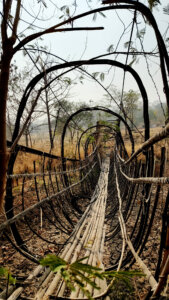
Spread across a vast open landscape, Indira Gandhi Rashtriya Manav Sangrahalaya is an anthropological museum that presents the diversity of Indian tribal cultures. Through reconstructed dwellings, artifacts, and exhibits, it offers insight into the ways of life, traditions, and knowledge systems of various communities across India.
Madhya Pradesh Vidhan Sabha
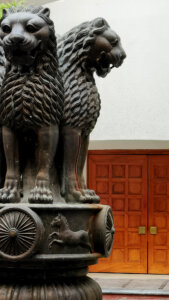 Madhya Pradesh Vidhan Sabha
The Madhya Pradesh Vidhan Sabha is the legislative assembly building of the state. Designed with a blend of modern and traditional elements, it reflects the administrative significance of Bhopal while maintaining sensitivity to regional architectural language.
Around Bhopal
Bhimbetka
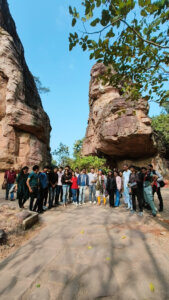 Bhimbetka
The Bhimbetka Rock Shelters are a UNESCO World Heritage Site known for prehistoric rock paintings dating back nearly 30,000 years. These natural rock formations once sheltered early humans, and the paintings provide valuable insight into their lives, making it one of the most significant archaeological sites in India.
Sanchi
Located about 50 km from Bhopal, Sanchi Stupa is one of India’s most important Buddhist sites, dating back to the 3rd century BCE. Commissioned by Emperor Ashoka, the stupa and its intricately carved gateways depict scenes from Buddhist teachings and history, making it a UNESCO World Heritage Site.
Bhojpur
Bhojeshwar Temple in Bhojpur is an incomplete yet monumental temple dedicated to Lord Shiva, attributed to Raja Bhoj. It houses one of the largest Shiva lingas in India and reflects the ambitious scale of medieval temple architecture, set amidst a dramatic landscape.