
Pompeii – The Challenge of Tracing Everyday Lives of the Past
When studying ancient Indian architecture, one notices that people built lasting structures for the eternal and powerful, which has led to the creation of some splendid temple architecture across the subcontinent. Even in more recent history, palaces and fortresses were primarily constructed for the ruling elite. However, it is difficult to trace how the common folk lived, as they left little footprint of their private buildings behind. Most likely, their houses were made of local materials, which, unlike their monumental counterparts, could not survive the test of time, wars, plundering, and natural calamities.
A case in point is ,the ruins of ancient places like Hampi and Badami showcase huge and amazing monuments built for the eternal, but the lives of the mortals who built these timeless structures, lived, and moved around them have left little physical evidence. There are hardly any clues about the common life in the past to learn from or gain insight into.
I suppose this must be a challenge faced by scholars when studying civilizations across the world. From ancient Egypt to the Renaissance and Mughal India, tracing the lives of common people is difficult. There are few exceptions, like the Indus Valley Civilization, where more evidence of everyday life exists.
Physical evidence of how common people lived is scarce, whereas monumental structures stand as testimonies to the power of gods and rulers. The same is also true for the Roman Empire, one of the most successful empires that lasted over a thousand years. Like historic places in India, the Roman Empire‘s remains are filled with monuments, temples, palaces, and public structures, but little evidence exists of how the common folk lived in their private quarters.
Pompeii: A Frozen City
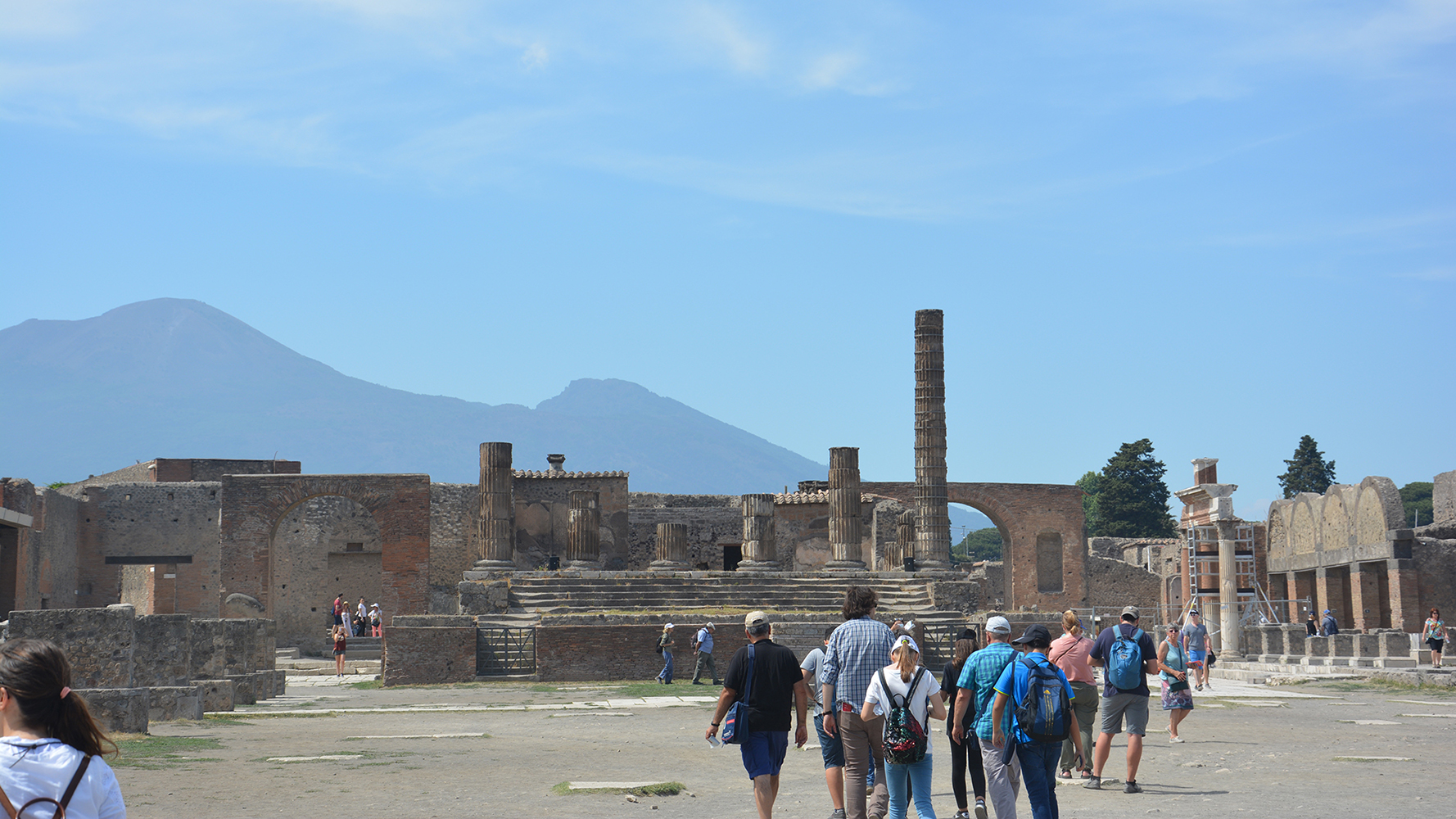
Pompeii is one exception in the Roman Empire, however, an ancient Pompeii city that remains frozen in time. When we visited Italy in 2017, including Pompeii in our itinerary was essential. We were eager to see how ancient Romans lived and experienced social life.
 Pompeii is located about 70 kilometers from Naples, one of the major cities in southern Italy. This bustling city thrived during ancient Rome. However, in 79 AD, a catastrophic eruption of Mount Vesuvius, which lasted for more than two days, buried it under volcanic ash, leaving it hidden for over 1,700 years. Rediscovered in the 18th century, Pompeii is now an open museum and an active archaeological site. Once home to over 11,000 residents, it was a thriving port city before being buried by the eruption.
The ancient city, founded around 600 BC, sits atop a hill. Visitors can enter Pompeii through various gates, and each one is as good to enter as another. There is a ticket counter at the main entrance, though entry is free on Sundays. The buzz of tourists as we reached the base of this frozen city helped us calm down our excitement.
The Forum at Pompeii
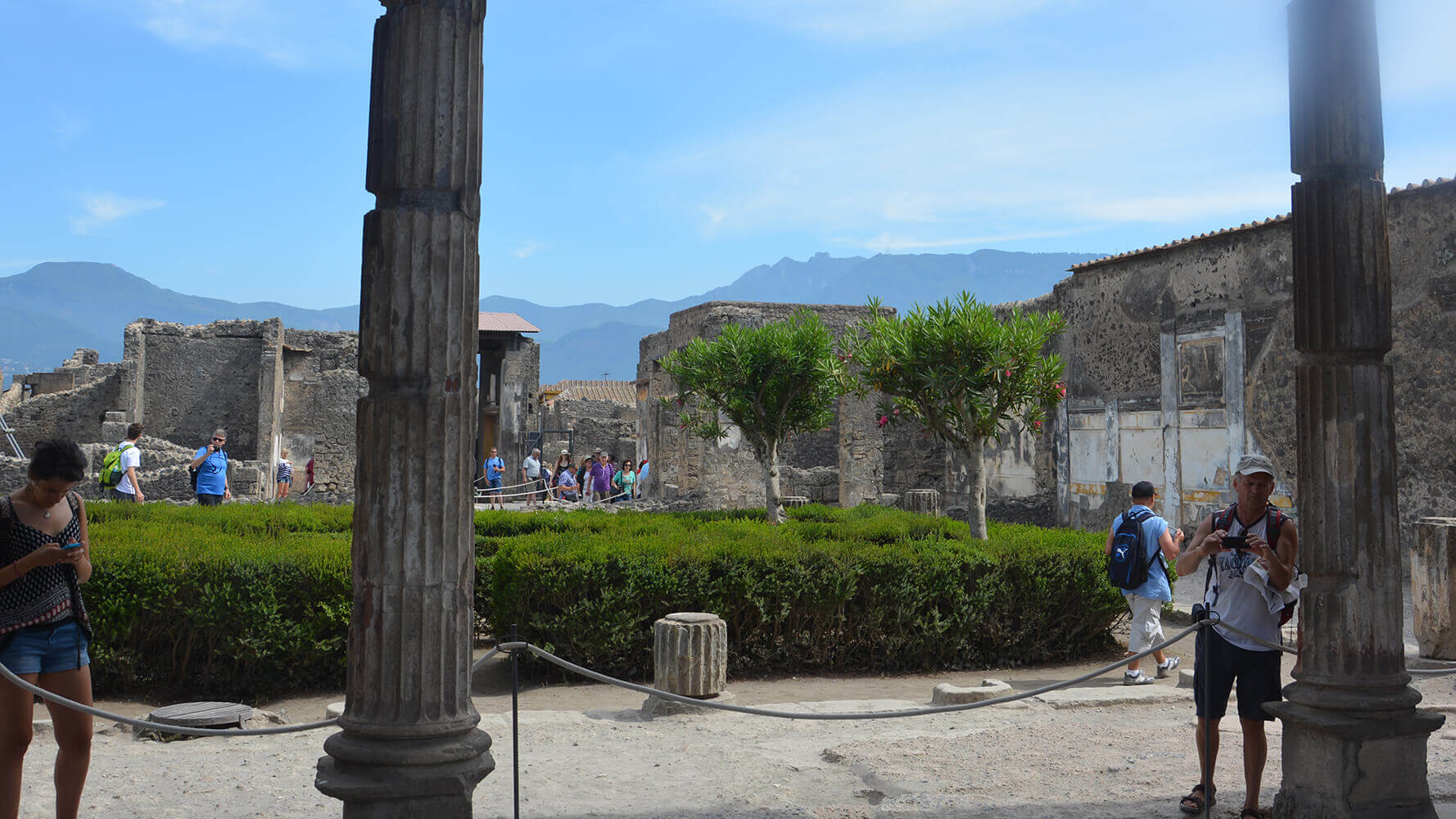
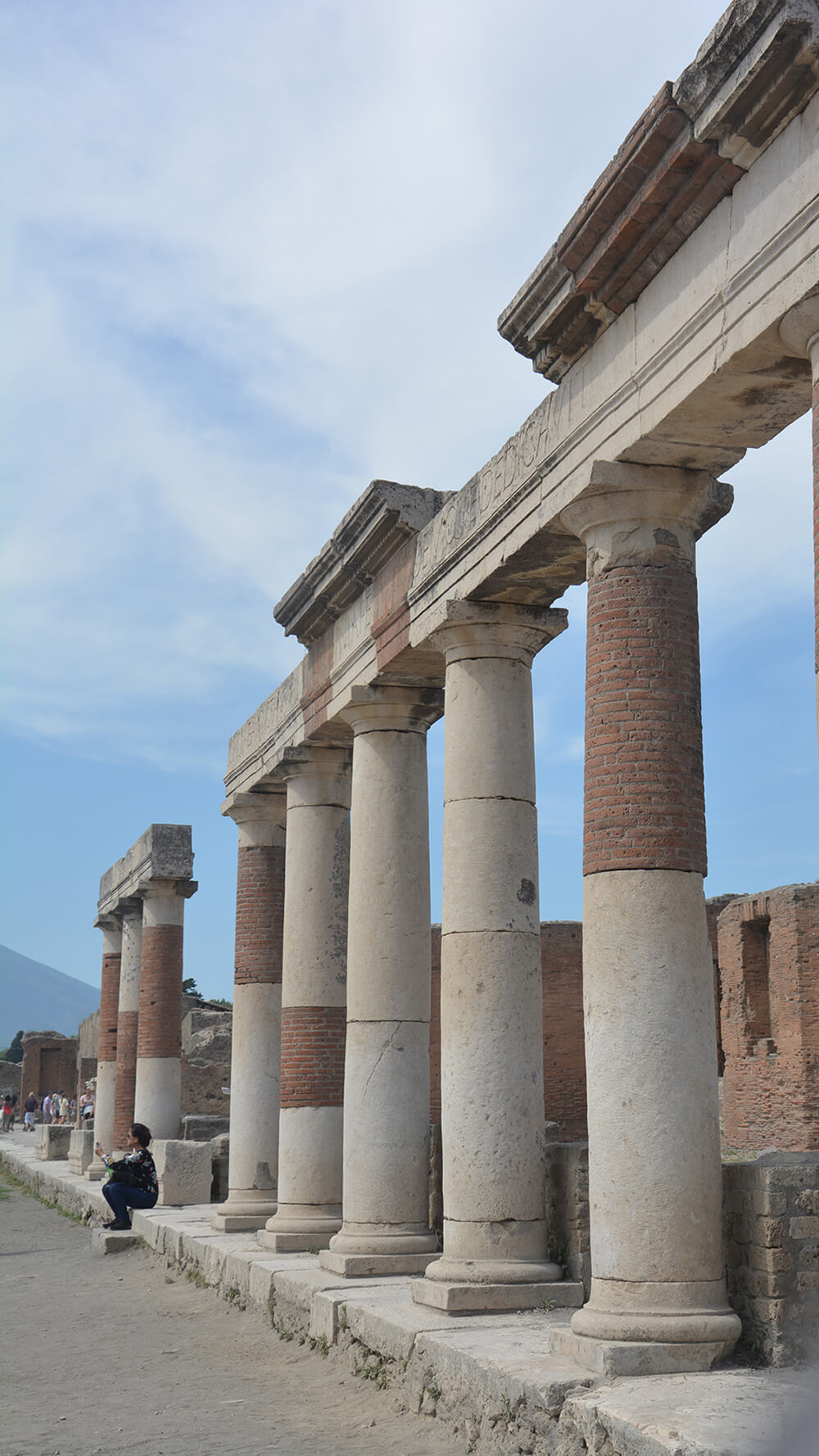
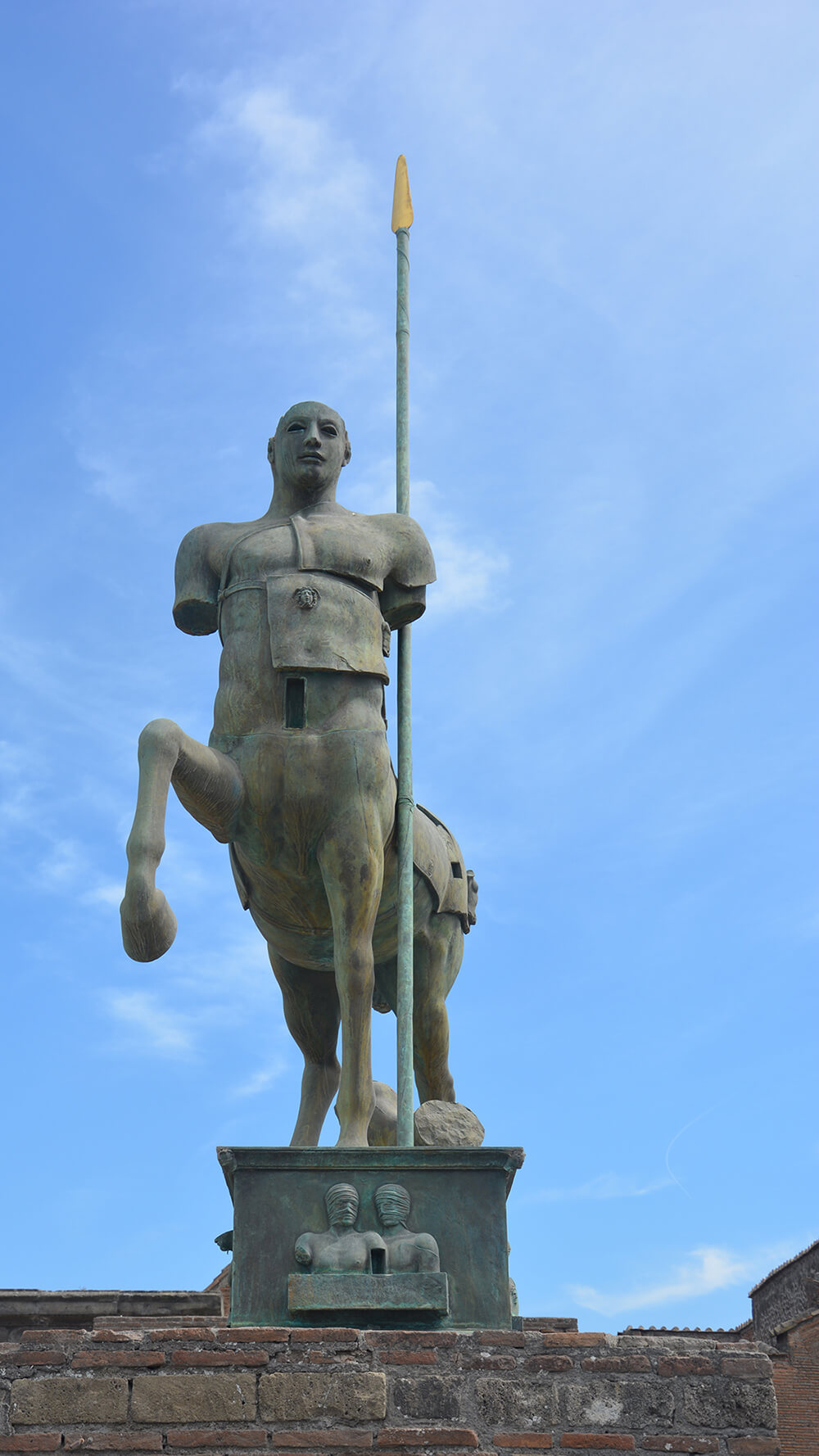
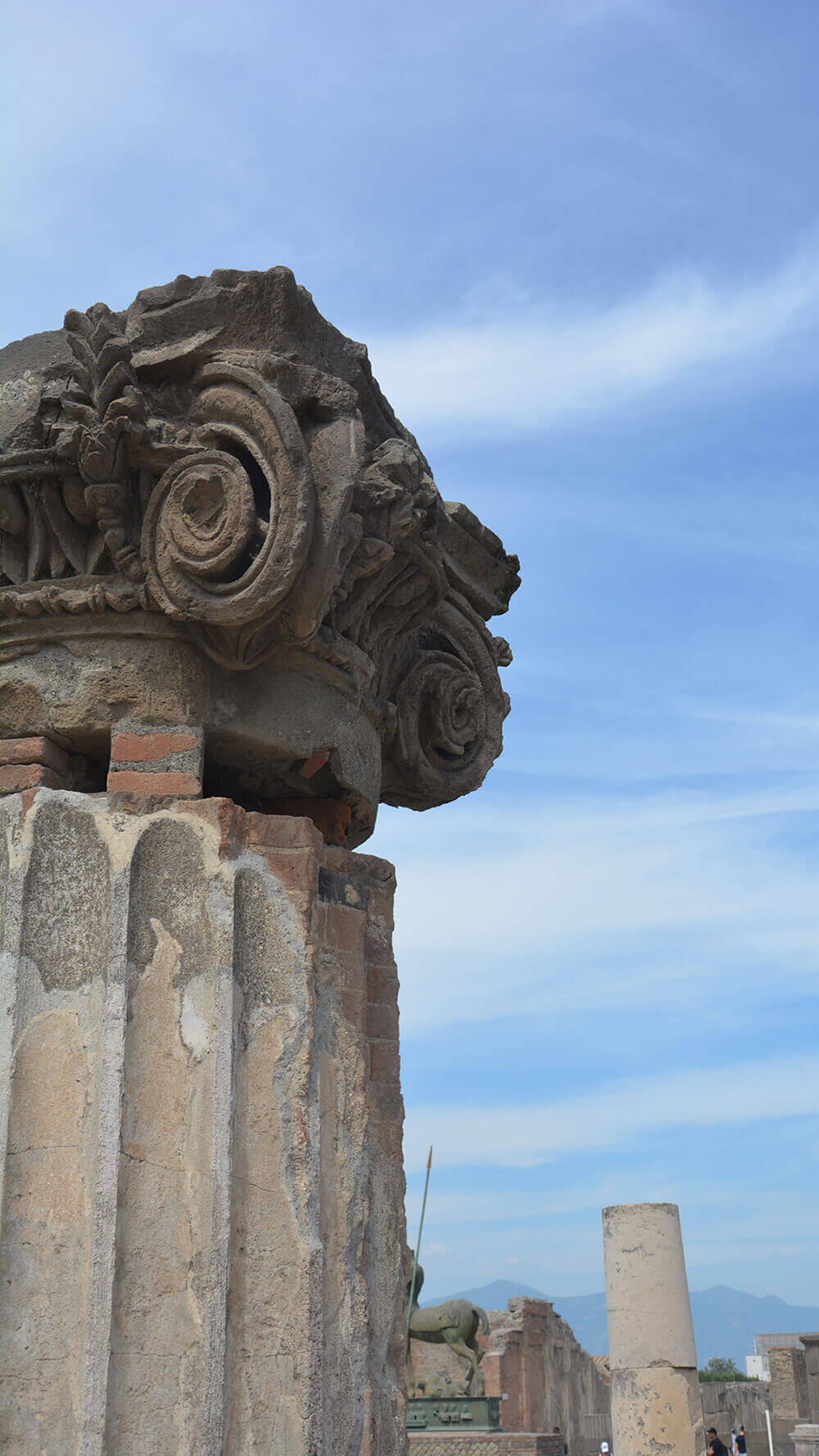
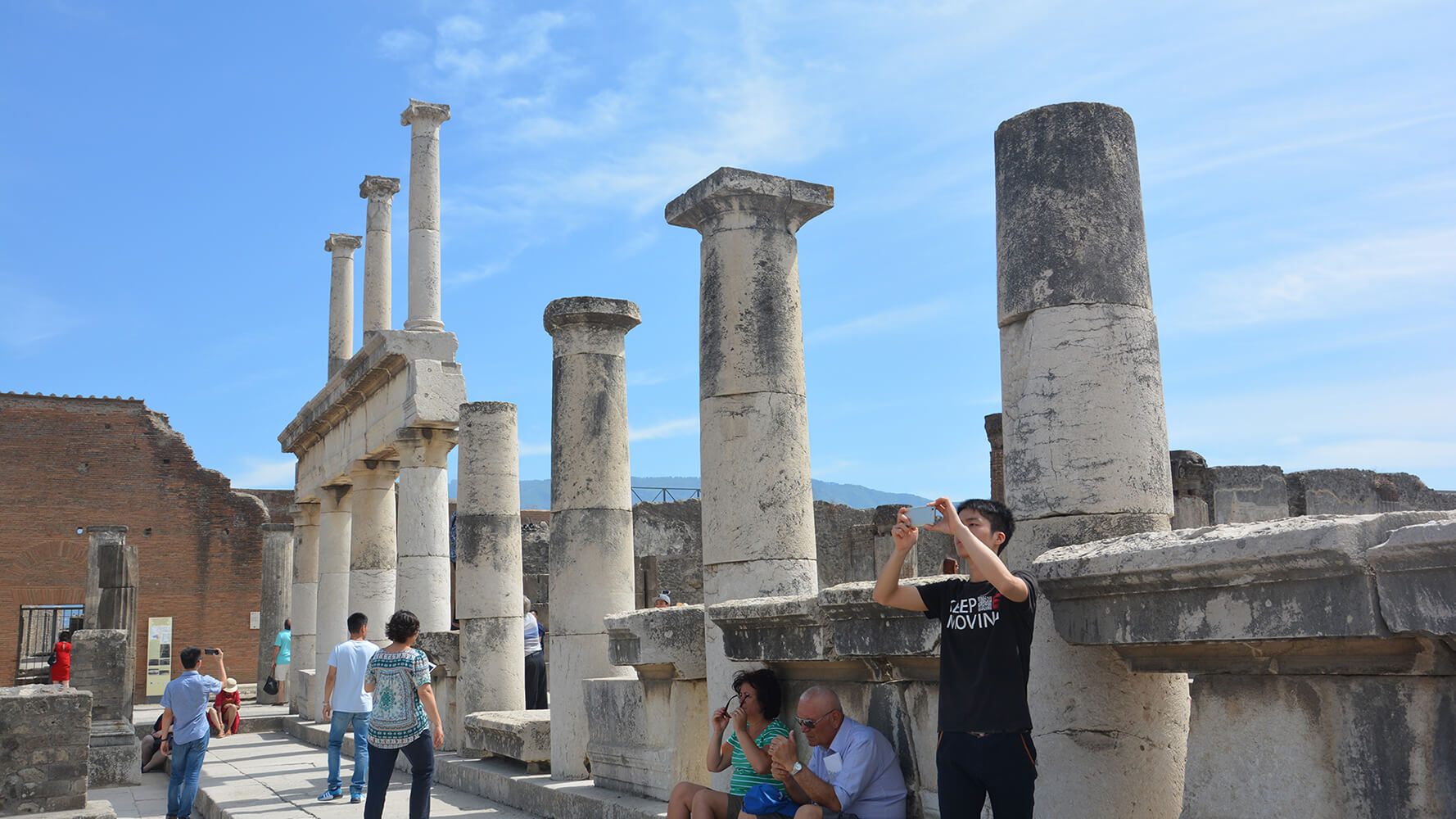
As we entered, we walked up the ramparts that led to the center of the city, the Forum, surrounded by the basilica, temple, city hall, shops, and commercial buildings. The experience felt surreal. While the tourists created a buzz, I was certain it was only a faint echo of what the town must have been like before the devastating volcano erupted and silenced it. From the town, you can still see Mount Vesuvius, an active volcano that last erupted in 1944, and imagine what that day 2,000 years ago must have felt like.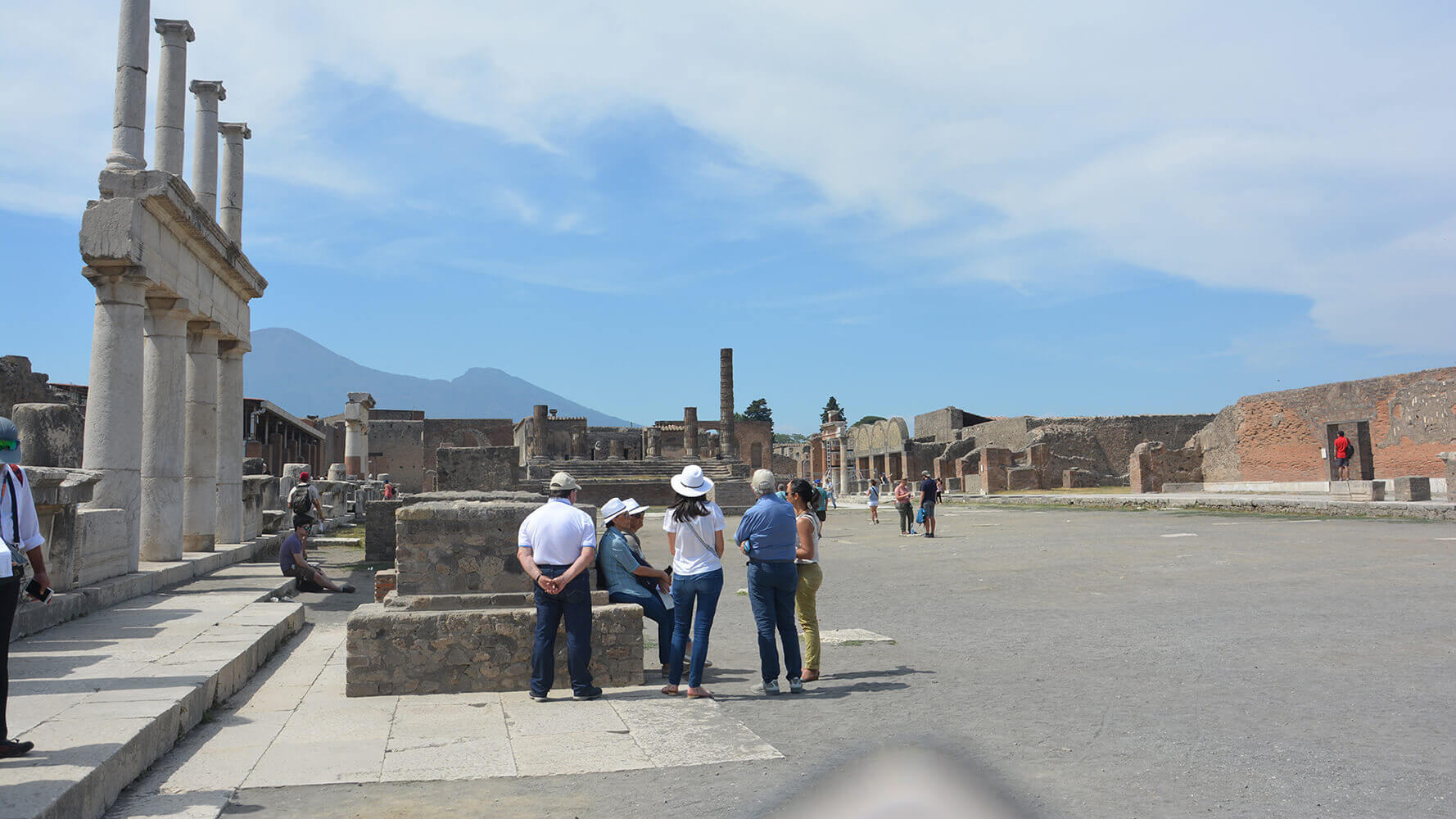
The Forum here, just like any other Roman town, was the commercial, religious, and political heart of the place. The Temple of Jupiter was a place of worship, the city hall was where citizens voted, and the basilica served as the seat of justice. The square is encircled by commercial buildings, and many lanes—both commercial and residential—lead to this grand square.
 Urban Planning and Design
 Urban Planning and Design
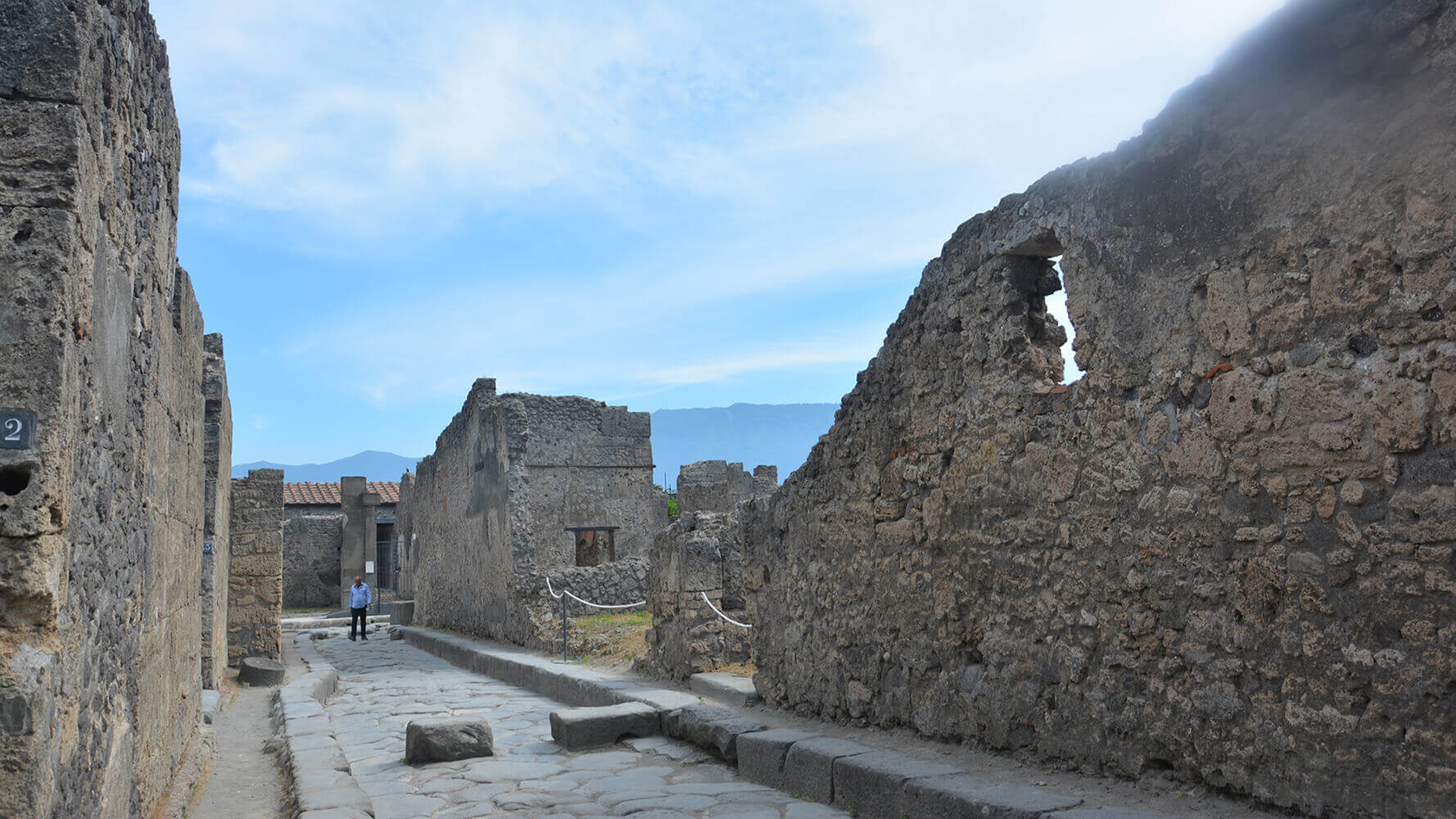
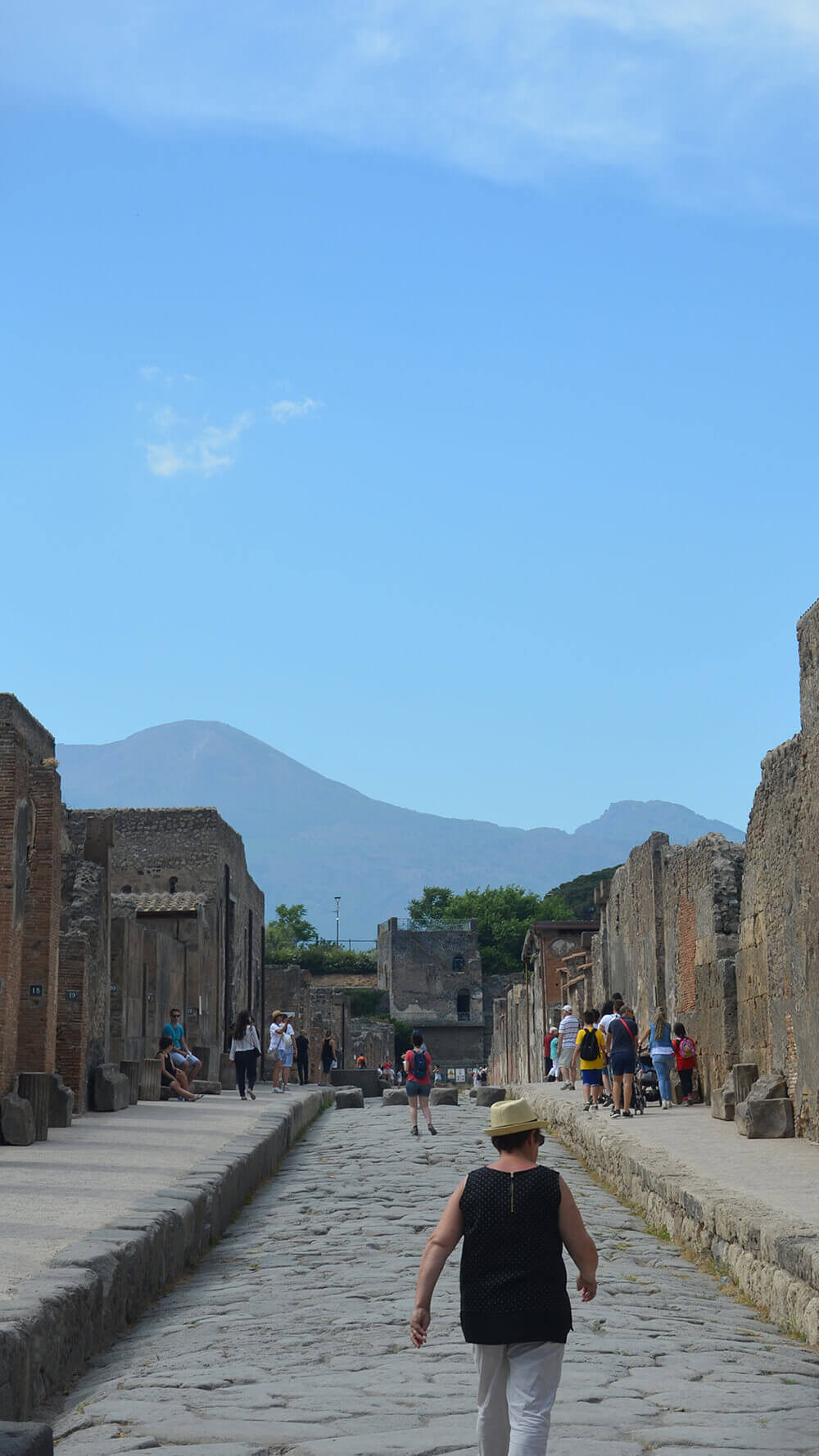
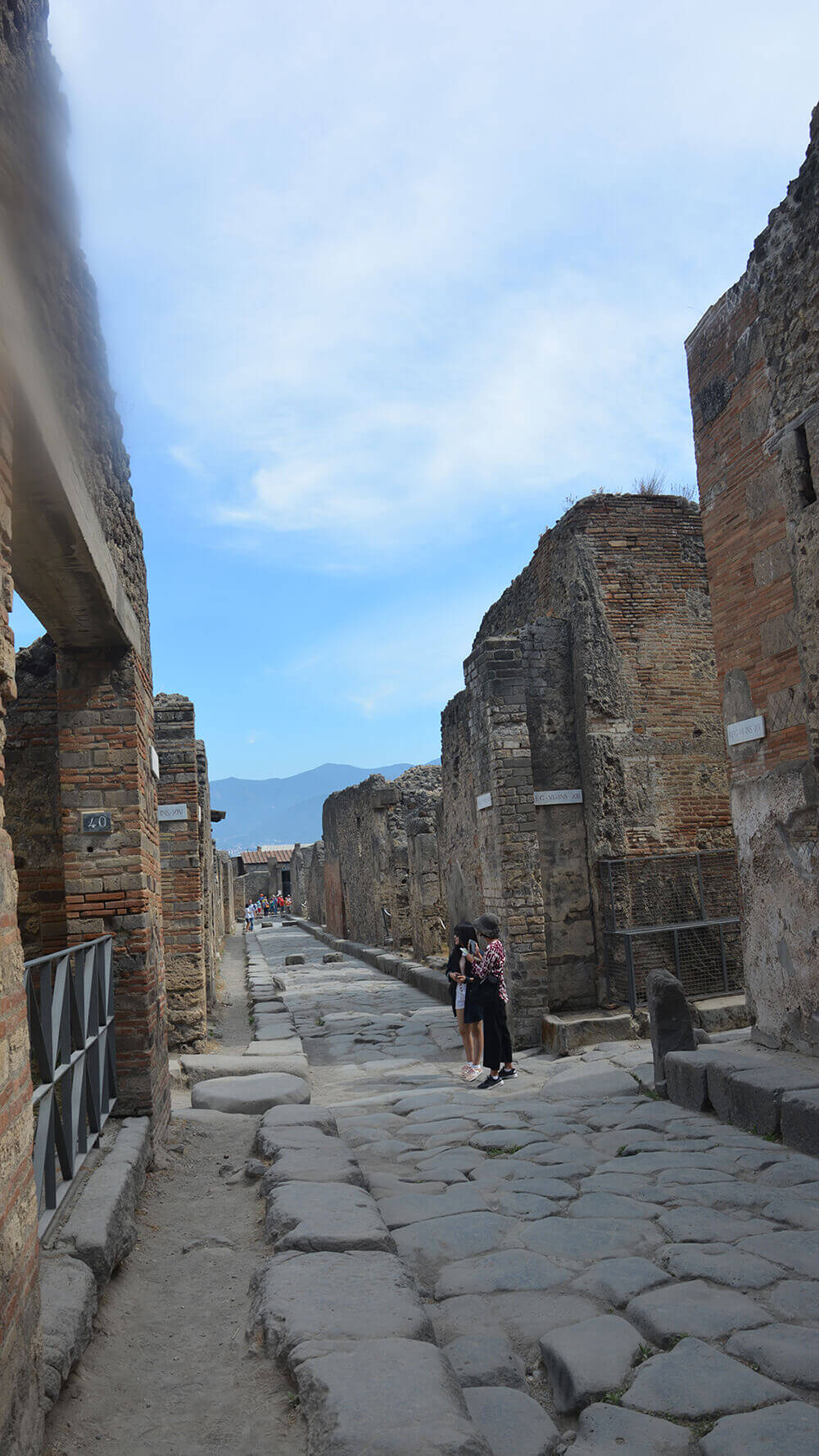
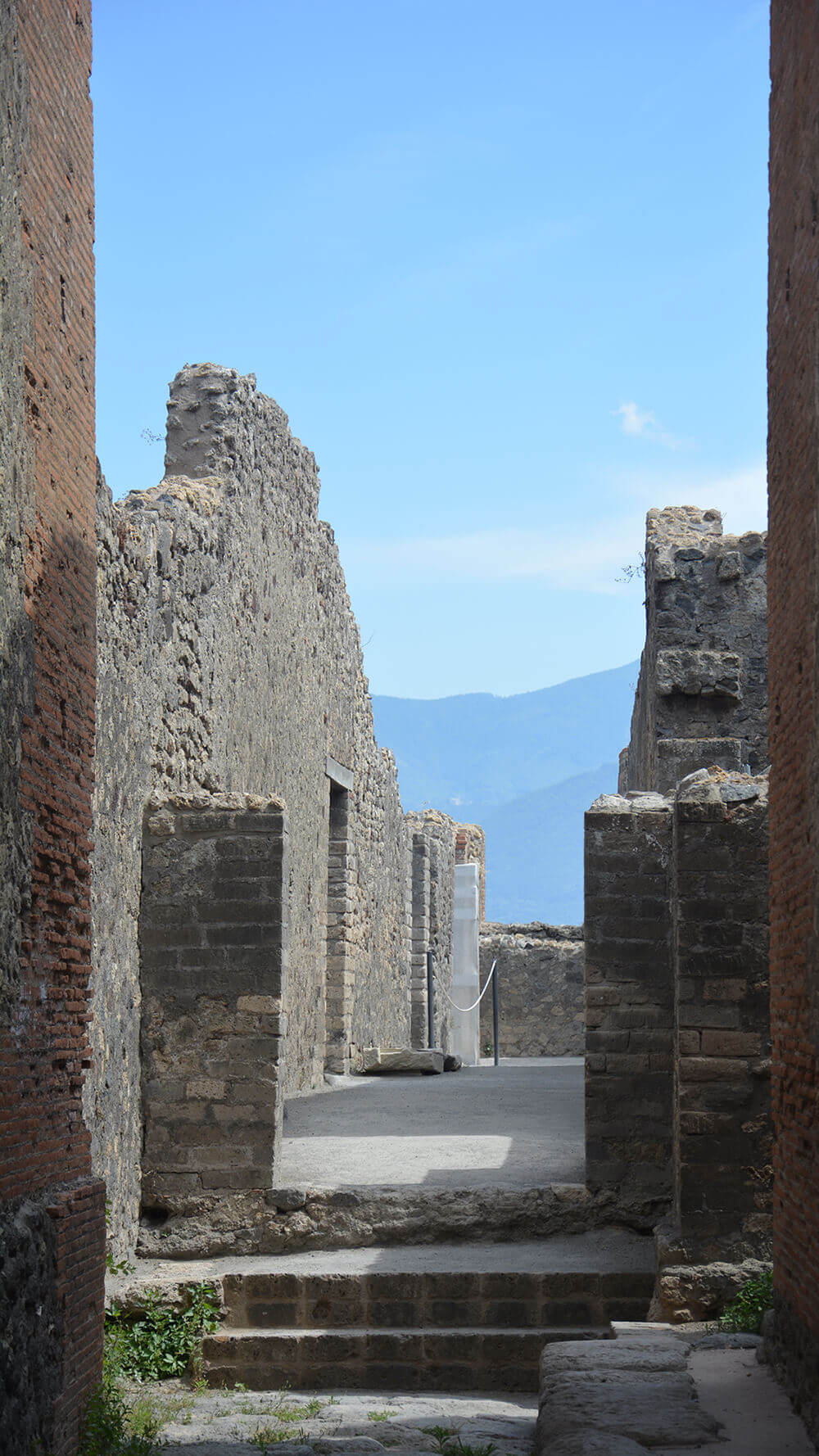
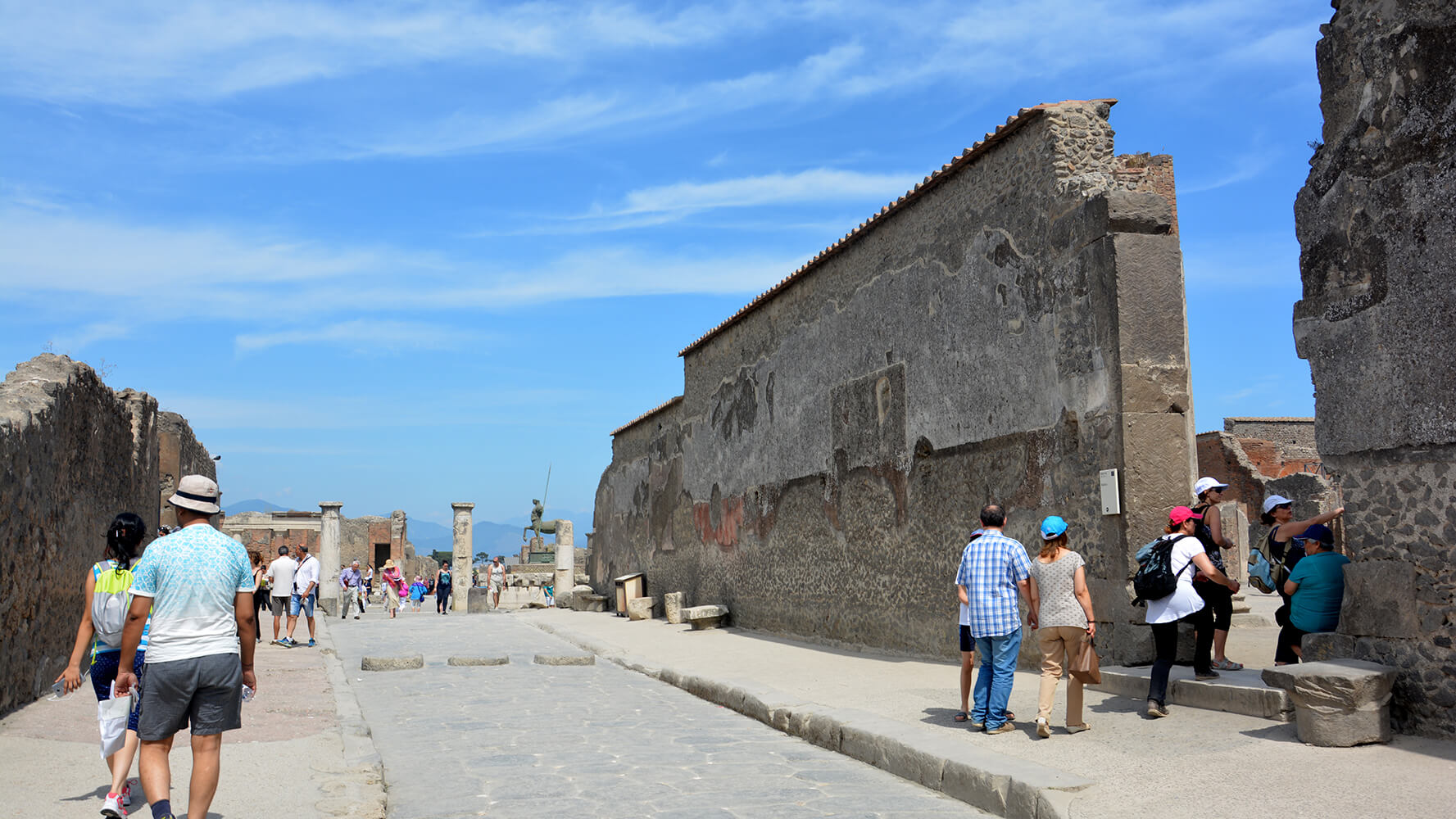
As we moved from the Forum to the lanes, we were amazed by the careful urban planning and design of this bustling Roman port town. The place had separate carriageways and pathways, with stepping stones marking single, double, and, in the case of thoroughfare, triple lanes. The Romans had ingeniously used recycled pottery, volcanic stones, marble chips, etc., for paving, with reflective elements for better visibility at night. This showcased the wisdom and foresight of their city planners, offering valuable lessons that even contemporary designers could learn from.
Seen alongside Rome, Pompeii reveals how everyday urban life—not just imperial ambition—shaped the planning of ancient cities.
Everyday Life in Pompeii
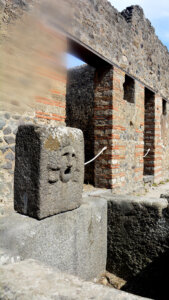 Treading the same path as the ancients took, we could easily imagine the everyday hustle and bustle of life in Pompeii, as the main streets were lined with shops, bakeries, bars, and restaurants. We walked through the city with the help of Rick Steves’ audio guide. It was fascinating to note that rich, elegant houses with 40 rooms and beautiful courtyards with fine statues existed side by side with simpler homes. This revealed a relatively equal society of that time.
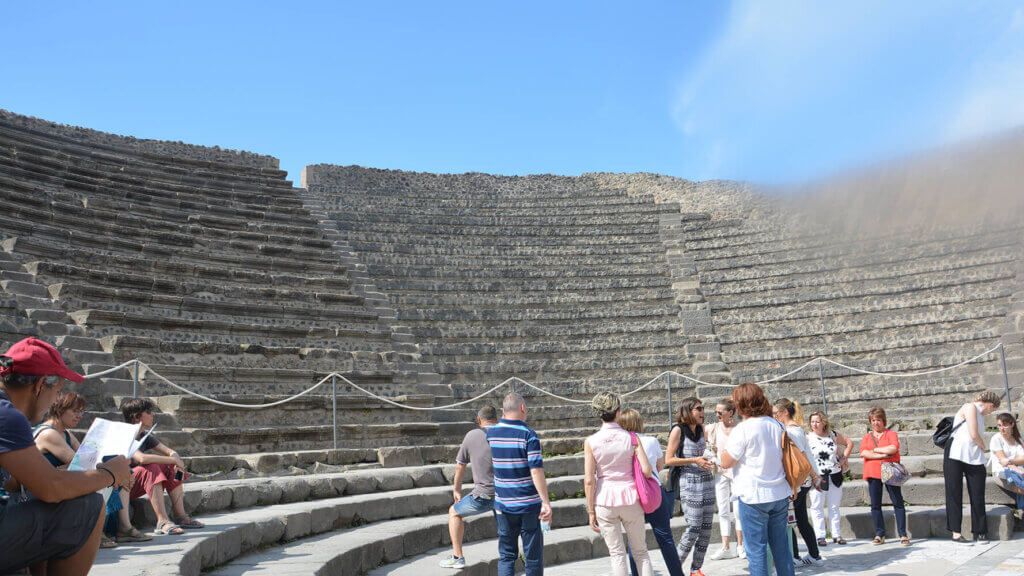
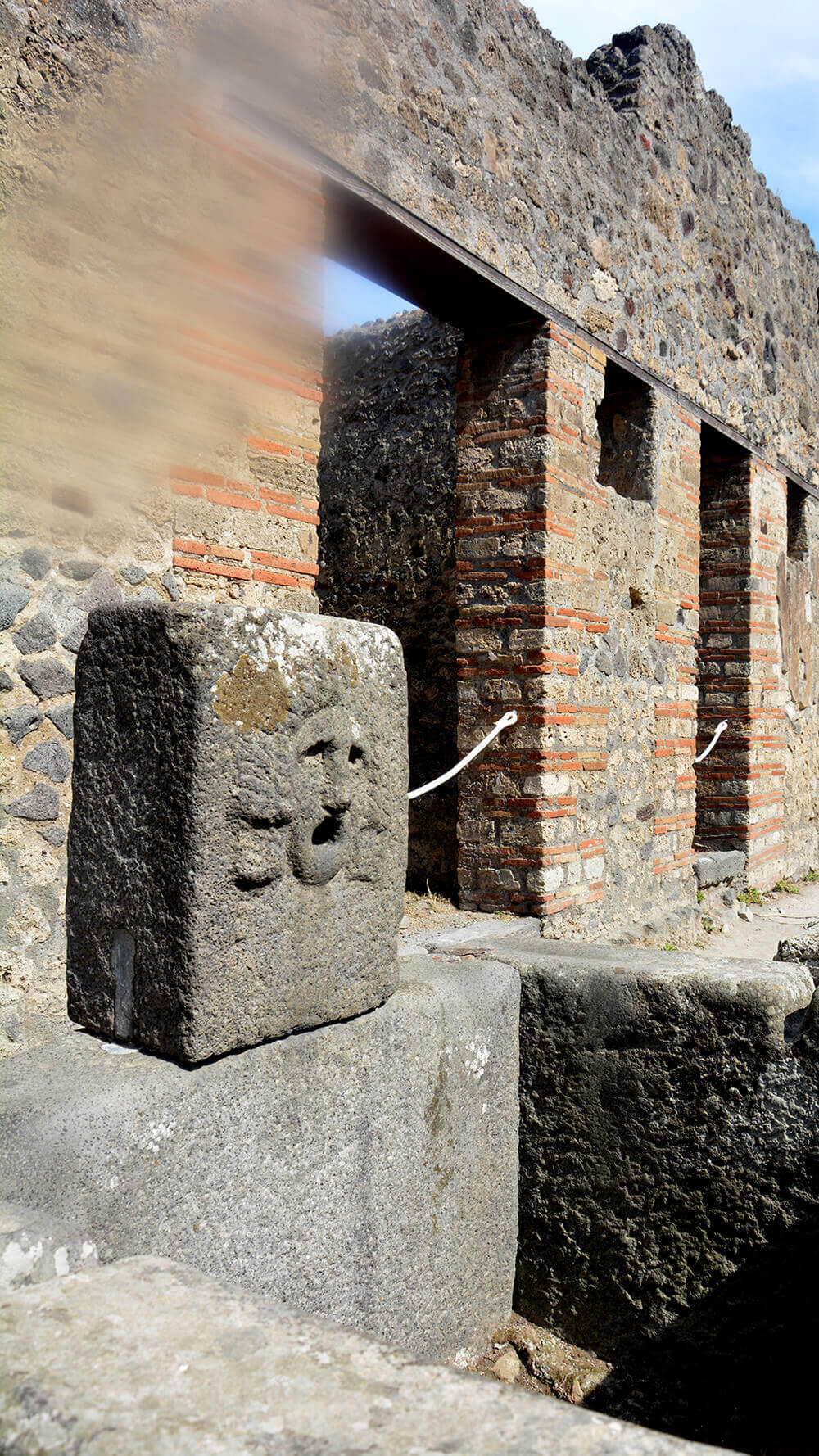
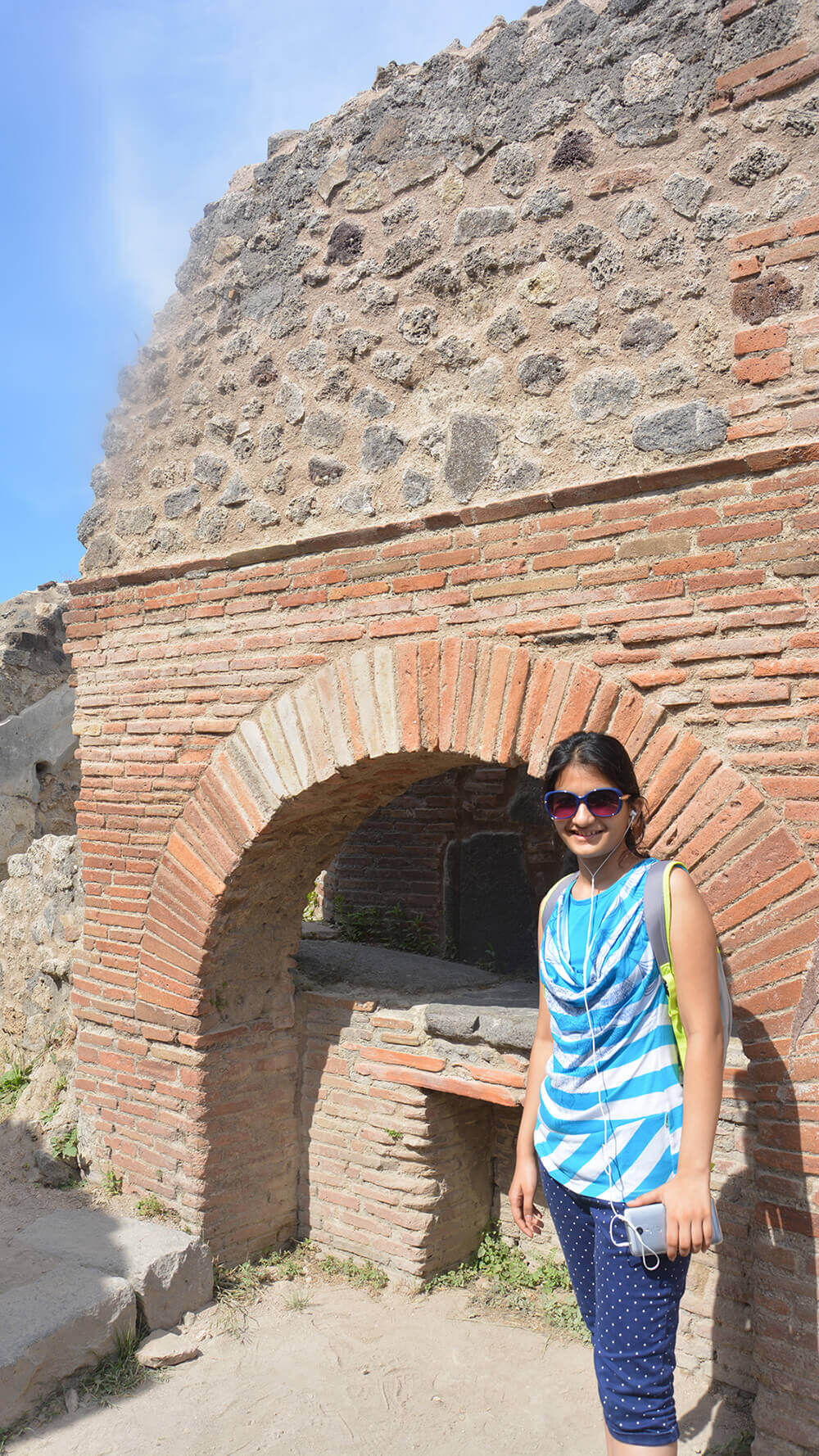
Pompeii had a piped water system that served public fountains, wealthy households, and wells for the common folk. The city also boasted fast food joints with marble counters, public baths complete with gymnasiums and spas, and amphitheatres for entertainment. Fountains at the intersections added to the city’s charm. Life in Pompeii appeared as refined and enjoyable as it is today. I could easily imagine children playing, women gossiping, and men boasting in these various spots.
Of Continuity and Change
 Of Continuity and Change
The city’s planners ensured that services reached every citizen, reflecting the republican values of the empire. Though we explored only a small portion of Pompeii, it provided a profound insight into how both the wealthy and the modestly endowed lived, shopped, dined, and enjoyed entertainment.
Walking along the same paths that the ancient Pompeiians once tread, I felt a deep connection to the past. It was humbling to realize how little society has changed—our need for social and public life, and the physical structures that facilitate them, remain largely the same. It was a sobering yet reassuring thought that the more things change, the more they stay the same, and that society remains fundamentally the same across geographies and timelines. This visit convinced me that the ancients were perhaps more evolved and socially wise than us contemporary folks in many ways.
Like Hampi, Pompeii stands as a reminder that cities may fall, yet their spatial intelligence and cultural memory continue to speak across centuries.
Pompeii: Conclusion
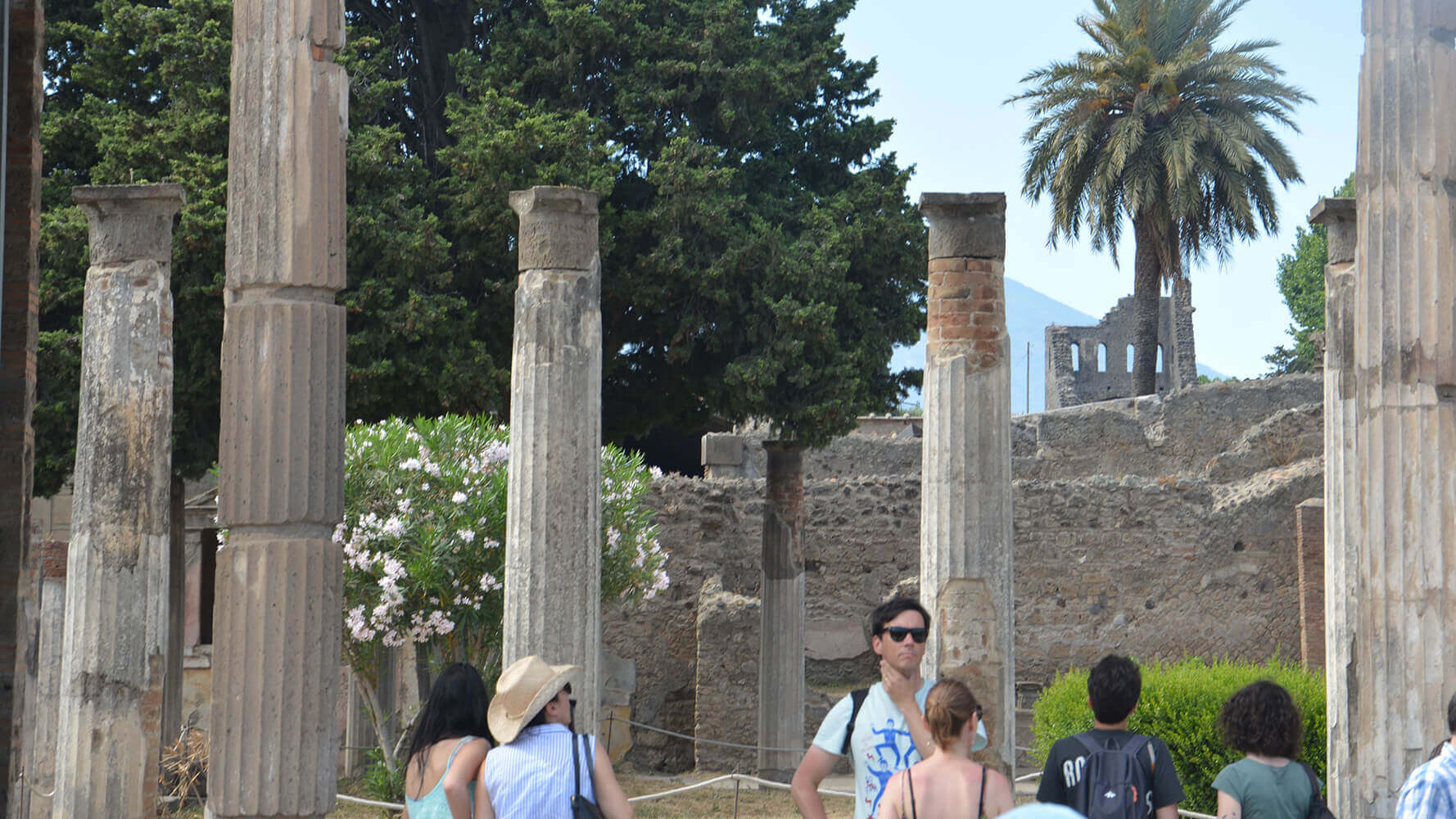
In conclusion, visiting Pompeii offered a rare glimpse into the everyday lives of ancient people, revealing how advanced their society was in terms of urban planning, social structures, and communal life. The preserved ruins serve as a reminder that, despite the passage of millennia, human needs and societal frameworks have remained remarkably consistent. Walking through the streets of this frozen city, I realized that while technology and circumstances may change, the essence of human life—our desire for connection, comfort, and culture—remains unchanged. Pompeii stands as a testament not only to the ingenuity of ancient civilizations but also to the enduring nature of humanity’s shared experience.
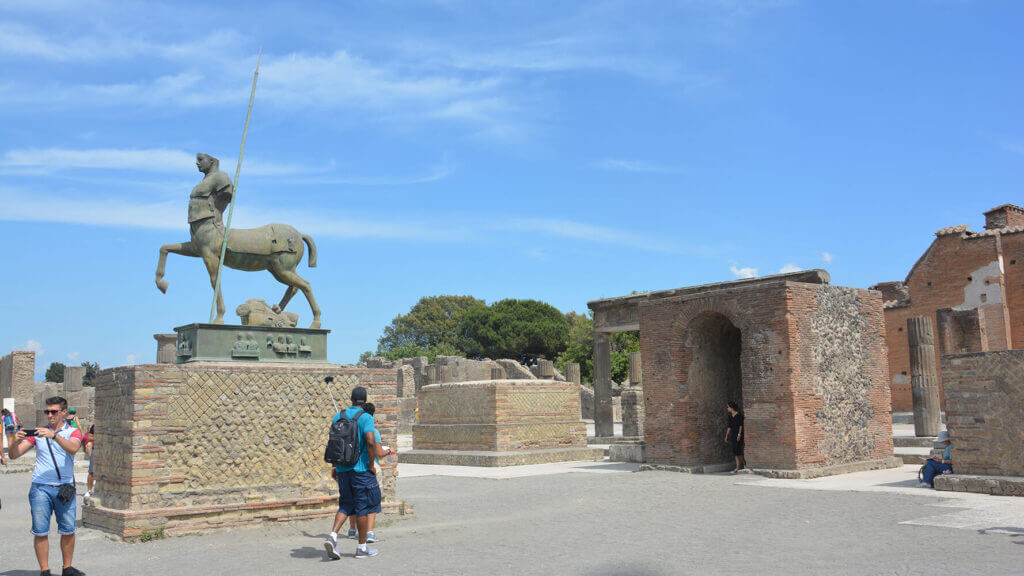 One of the most popular and historically significant areas in Pompeii, the Forum is typically crowded, located right near the main gate. As in many ancient Roman cities, the Forum was the heart of Pompeii’s civic and social life. It housed important buildings like the Basilica (which served as the Palace of Justice) and the Temple of Jupiter. The Forum was a central hub for political, religious, and commercial activities, and you can even catch a view of Mount Vesuvius looming in the distance from here, making it a remarkable starting point for your exploration.
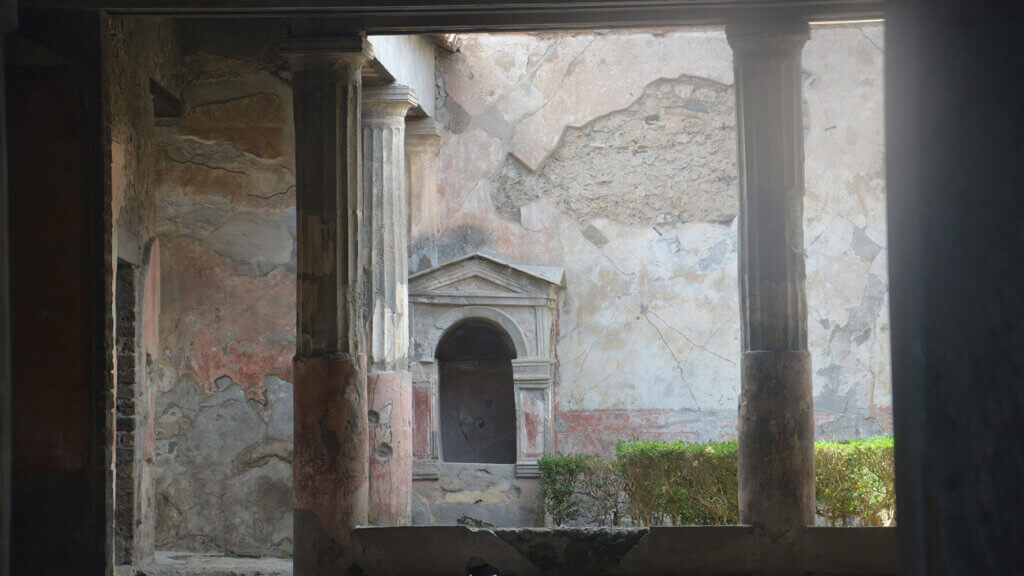 Pompeii had over six public baths, and the Forum Baths are among the most elegant examples. Complete with gymnasiums and spa facilities, these baths were a cornerstone of Roman social life. Walking through the bath complex, you’ll see separate sections for men and women, as well as different temperature-controlled baths (hot, cold, and freezing). The design and structure give you a fascinating glimpse into how Romans maintained both hygiene and social connections.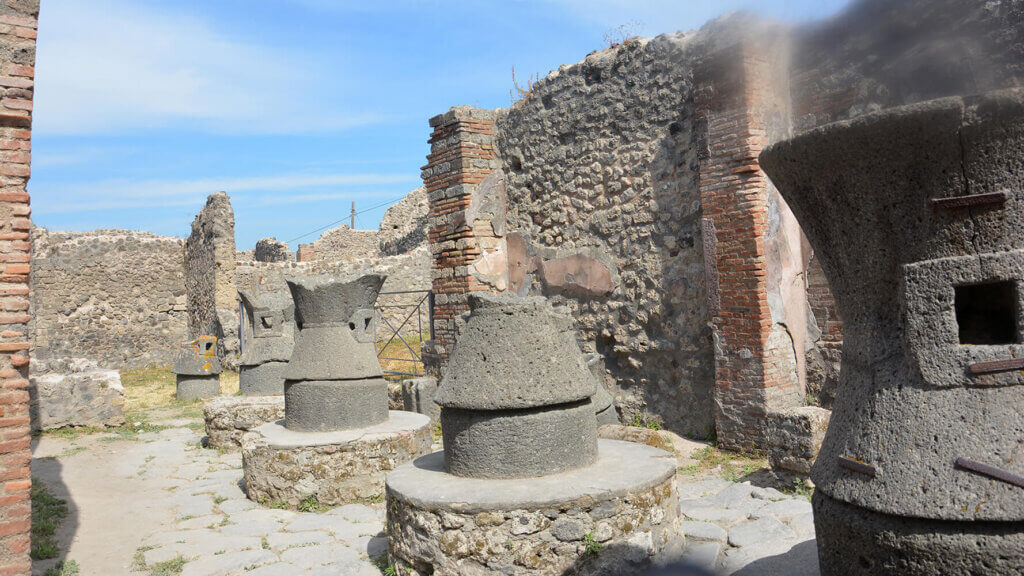

Join me on this adventure, and I look forward to our shared exploration of the world through my lens.
Join Us on Social Media
















Good article
Awesome article!
This article is a fascinating exploration of how our understanding of the past is constantly evolving. By tracing the historical narratives that have shaped our perceptions, the author Krishna Rathi ji shed light on the complex and often fraught process of remembering and forgetting.
Overall, this article is a thought-provoking contribution to the ongoing conversation about the role of history in shaping our understanding of ourselves and our world. By tracing away the past, we can uncover new insights and perspectives that challenge dominant narratives and promote a more inclusive and equitable understanding of our shared human experience..👌💐
Very nicely written! Thanks for sharing.
Remarkable exploration and expression 👍