The Call of the Valley of Gods – Har Ki Dun trek
When it was time to select a trek in the Himalayas for the first time, the most important factors for me were beauty and difficulty level. All of the Himalayas are beautiful, of course, but the nature of beauty changes. Sometimes they are grand and awe-inspiring as in Uttarakhand, soft and snow-clad as in Kashmir, bare and raw as in Ladakh. Each range has its own character, its own beauty.
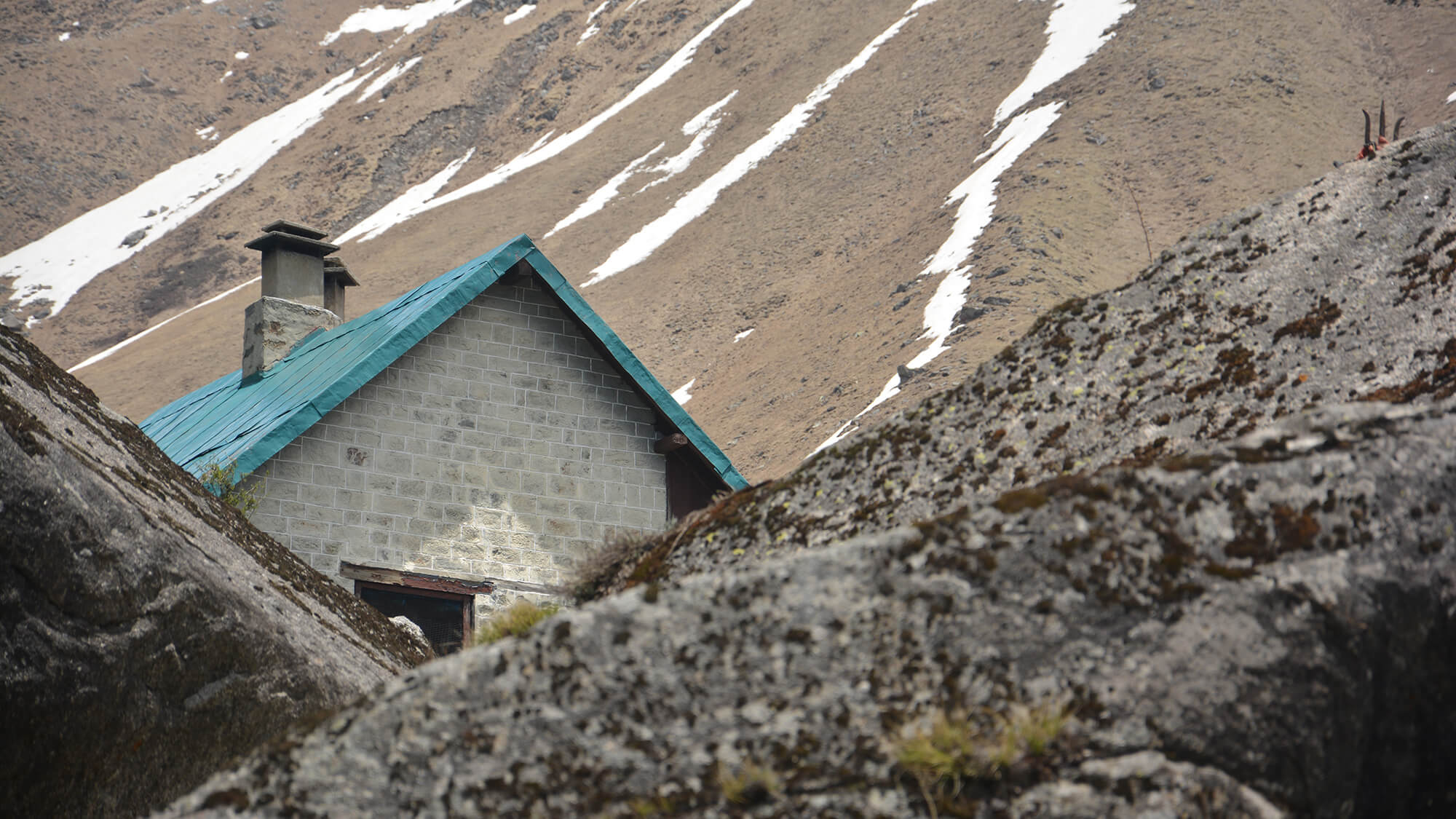
What finally attracted me most to the Har Ki Dun trek in Uttarakhand was the presence of two ancient villages on the trail, settlements that can be reached only on foot. Being an architect and an academician, visits to such settlements—along coasts, at the base of mountains, deep inside jungles—have always been among the most fascinating experiences during our study tours. This became a strong pull for har ki Dun trek. It promised a beautiful trail in the Land of Gods, with two living settlements along the way. This fact added to the general excitement around my first Himalayan trek.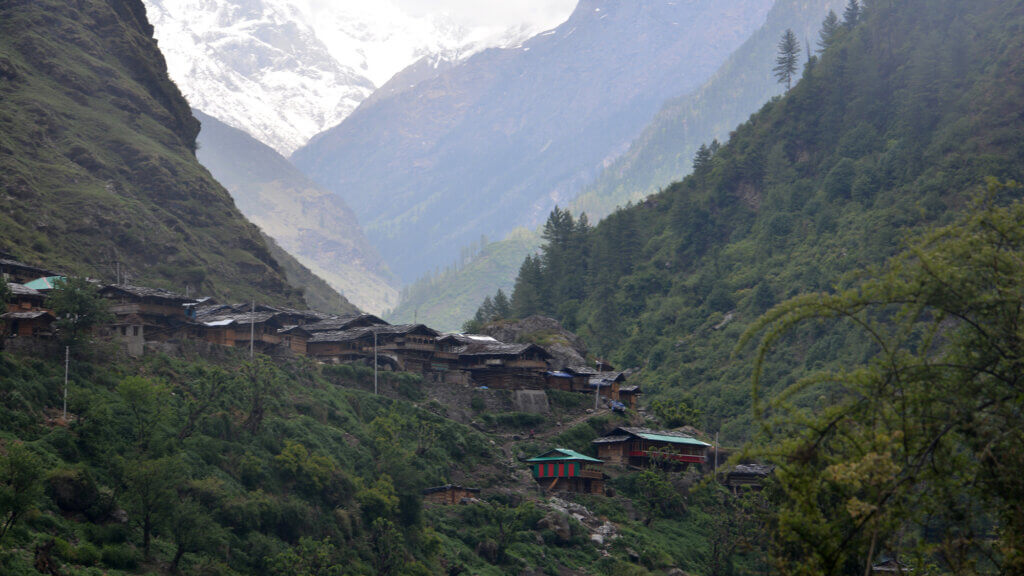
There was anxiety too—the anxiety of a first-timer. I had prepared for the trek at home for months, but questions lingered. Would I be able to complete it? How would I handle the cold? How would I adjust to life on the trail?
Setting Out: Sankri to Taluka
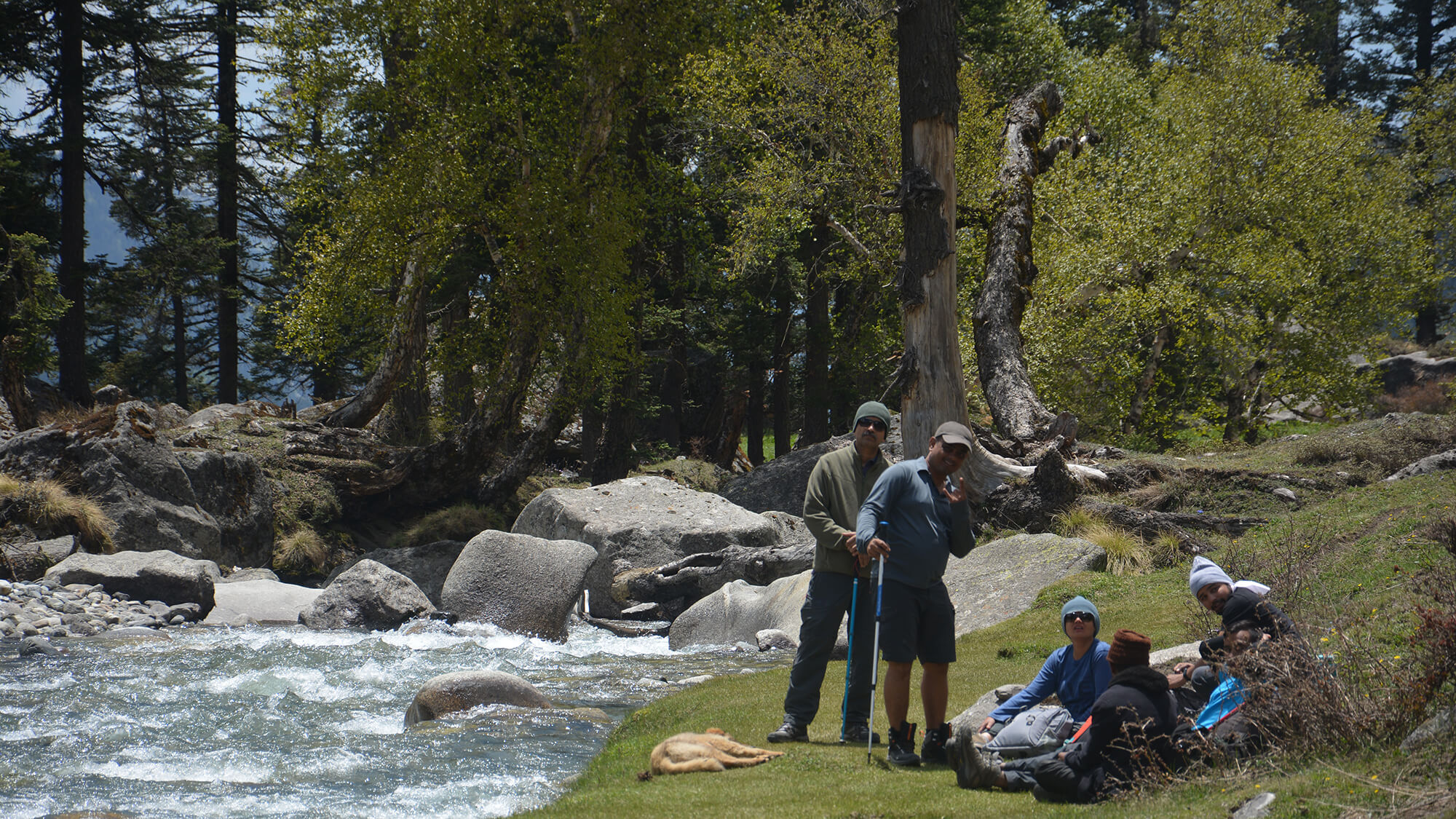
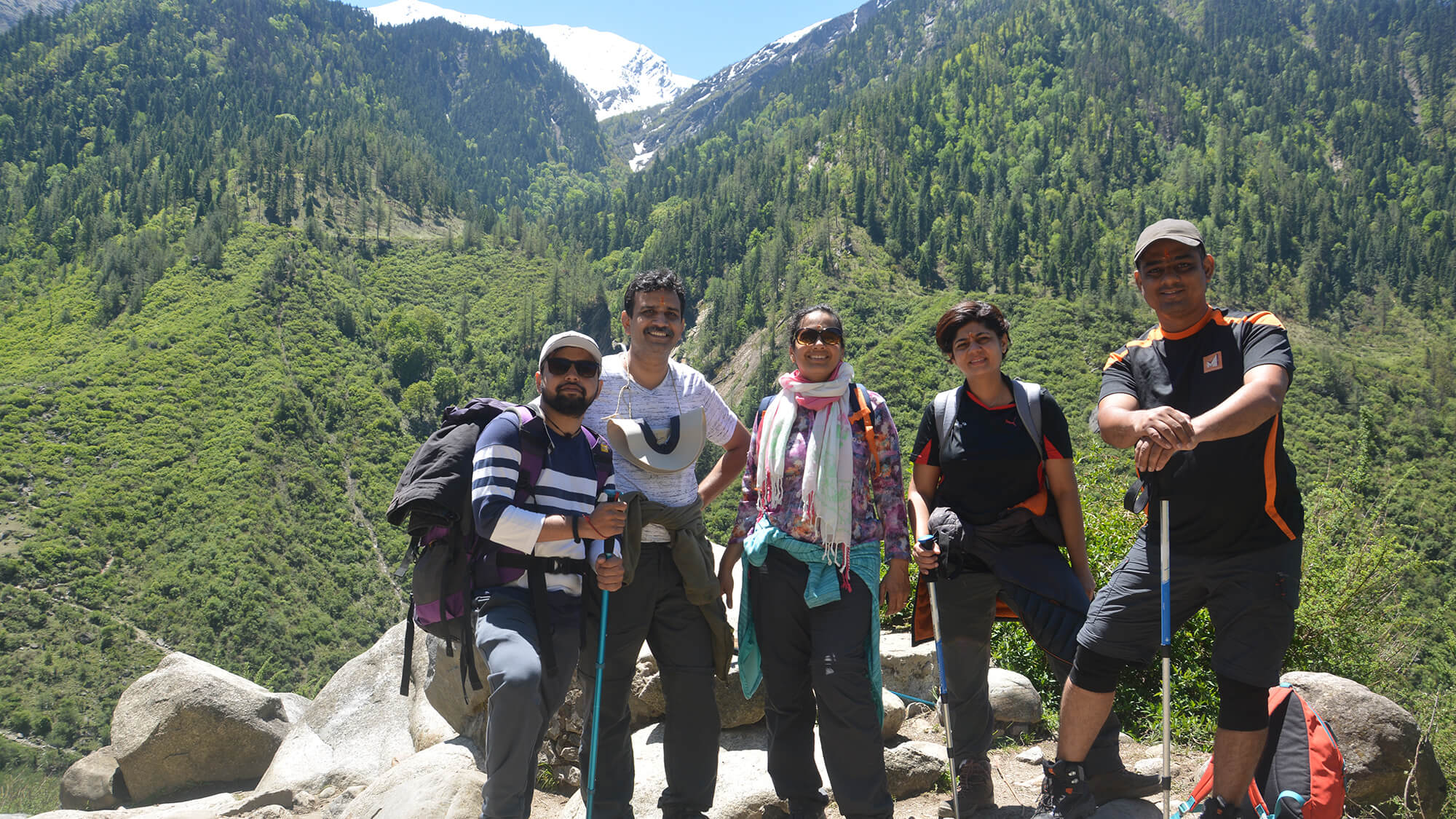
I had booked the trek with a small local group. As we started from Dehradun by road, we were just five people from three different places, excited to witness the Himalayas from up close . Har ki Dun trek begins from Sankri, a small motorable village in Uttarkashi district of Uttarakhand, and takes five days to complete as a circular trek.
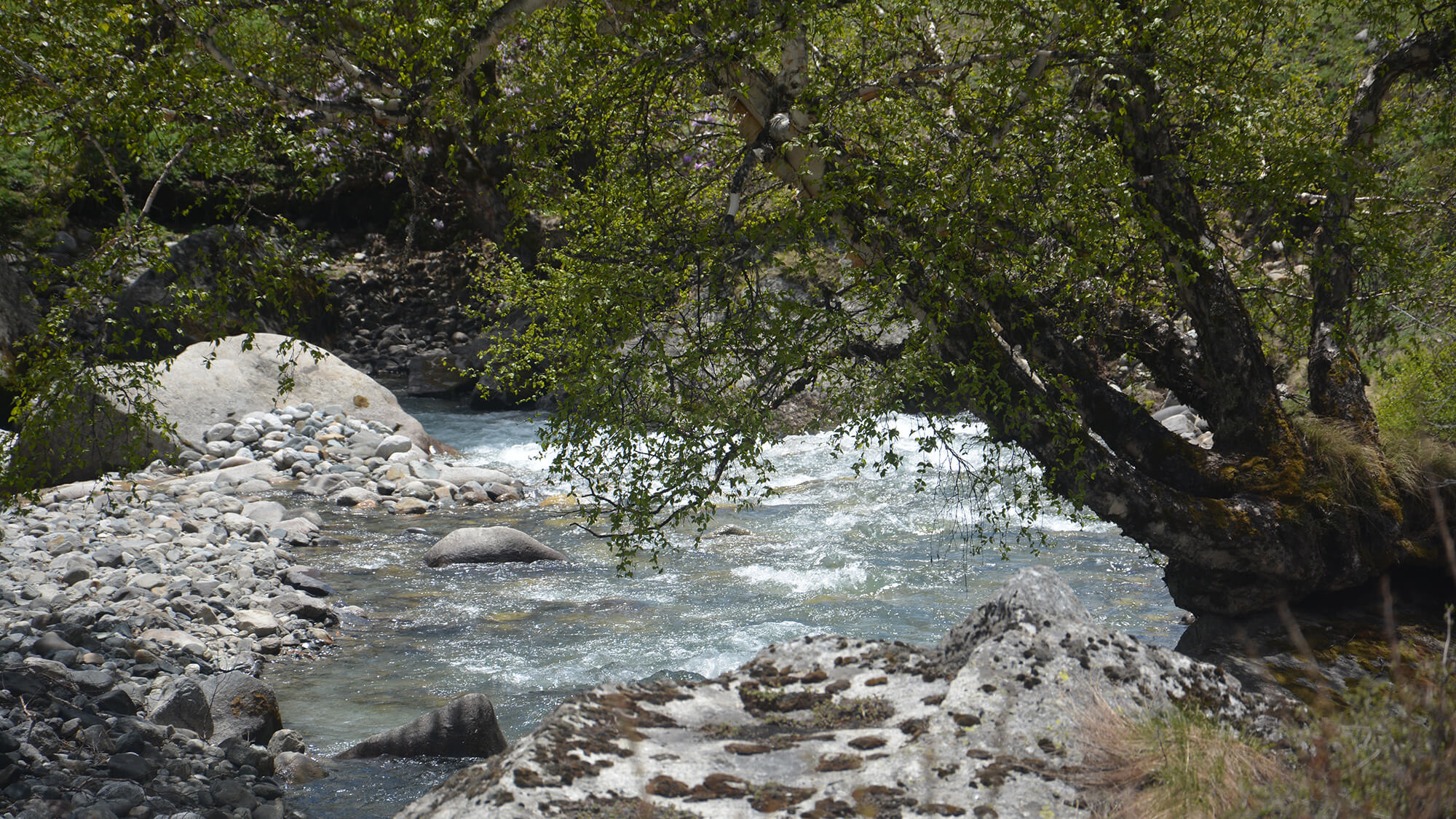
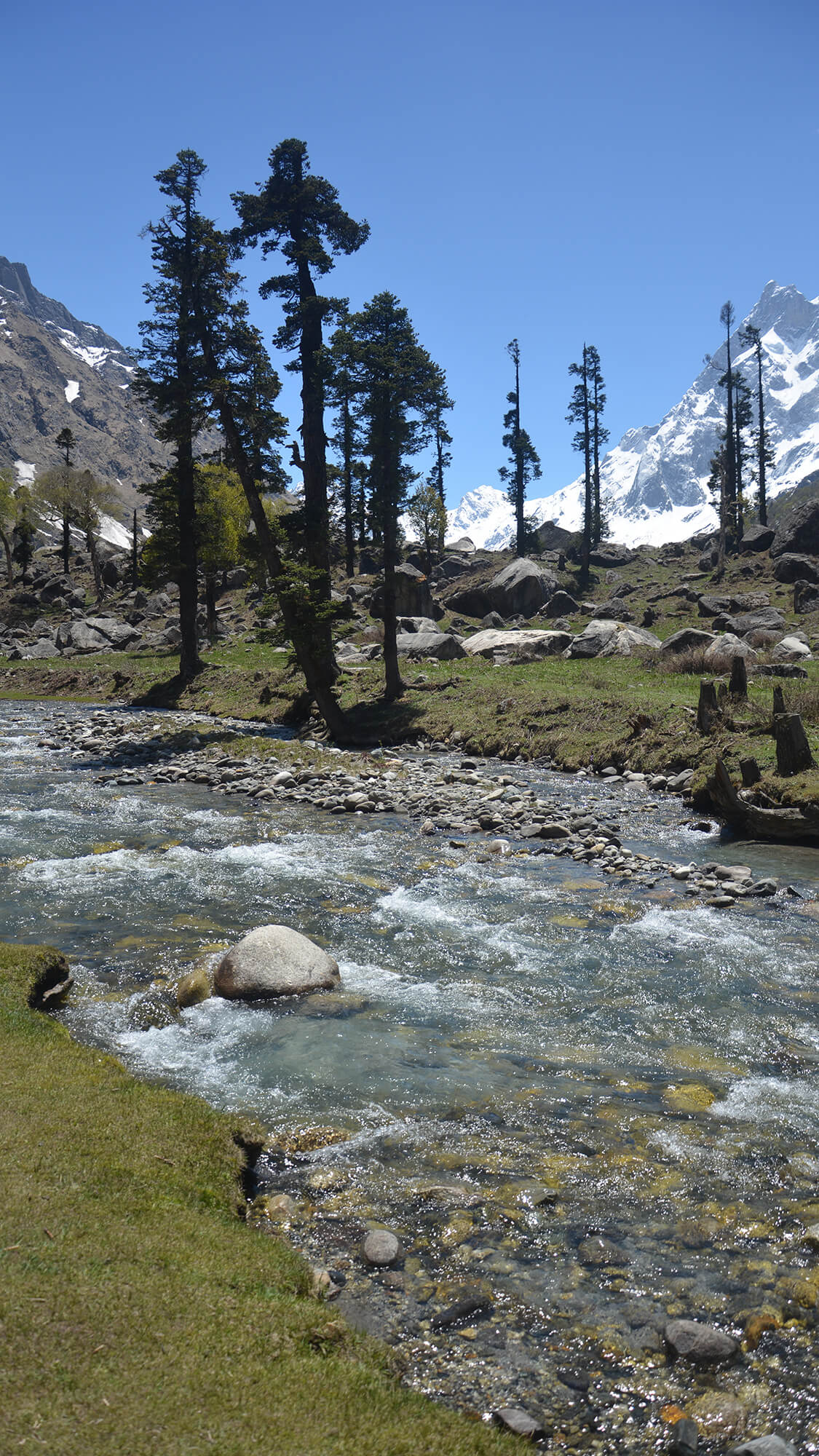
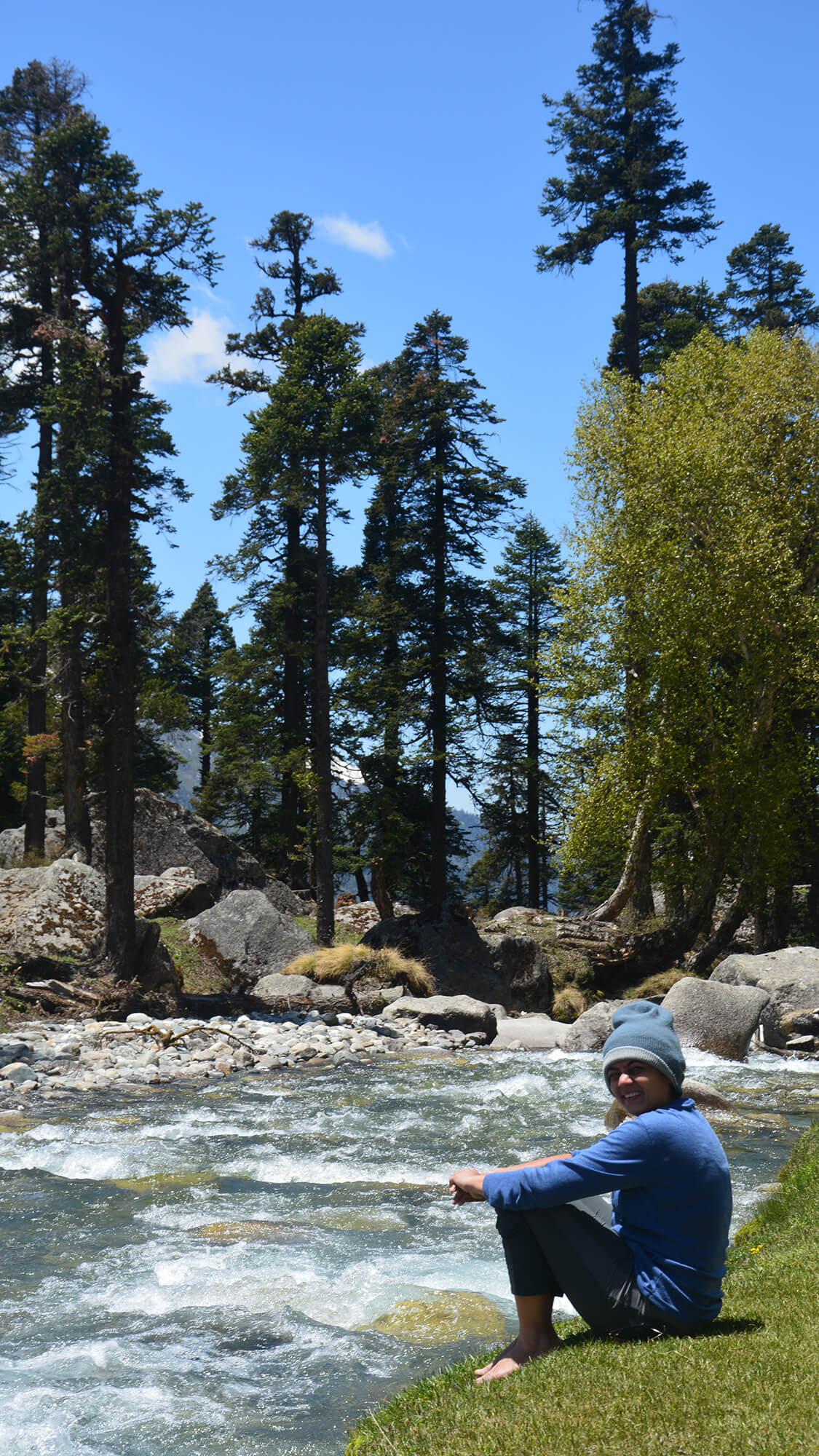
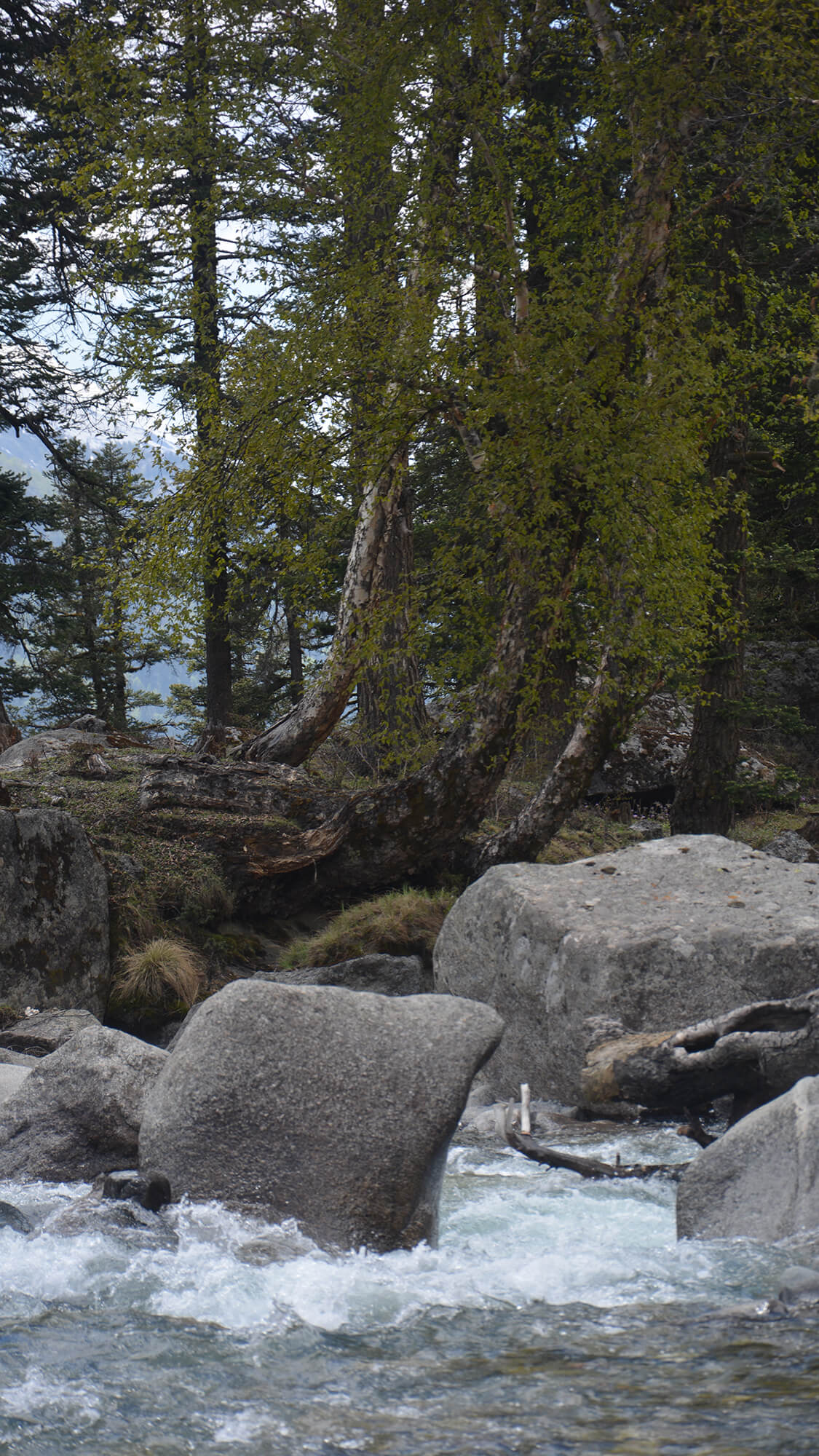
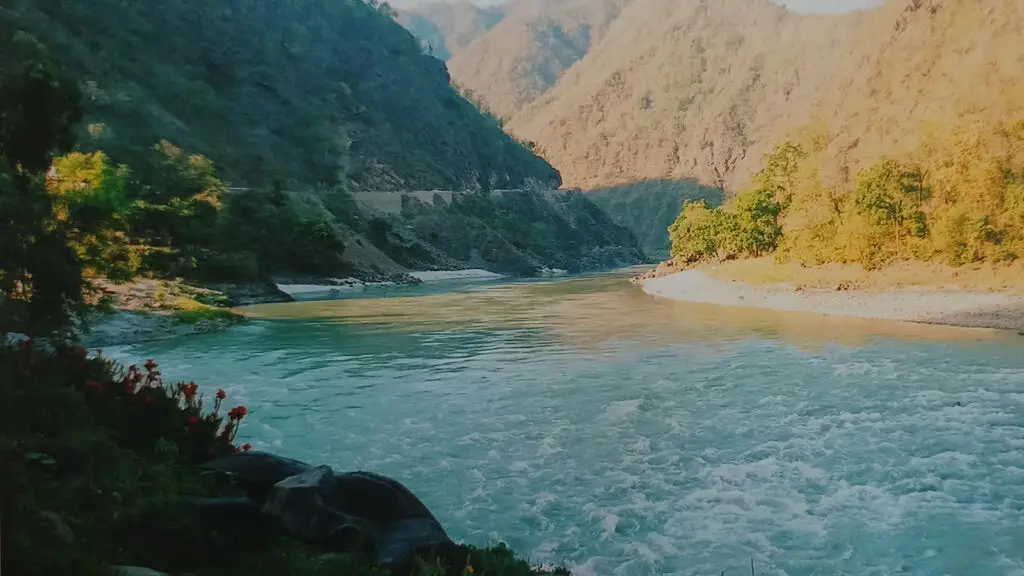
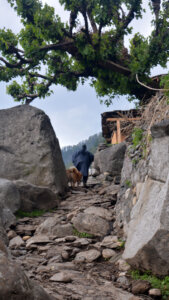 We started on a not-so-busy day from Taluka, a small hamlet that can be reached by jeep. From this point onward, the presence of the Supin River, flowing alongside the trail, assured us of a constant companion—always moving, silently speaking, guiding the way. This river meets the Tons River at Sankri, which in turn meets the mighty Yamuna.
As I trekked over the next five days—under dense forest canopies, across green meadows, along flowing rivers and ancient settlements, climbing mountains and traversing valleys—the experience slowly revealed itself as one of understanding: an understanding of the body’s physical limits, the timeless presence of the valley, and the quiet, enduring humility of the settlements within it.
Learning the Body’s Limits
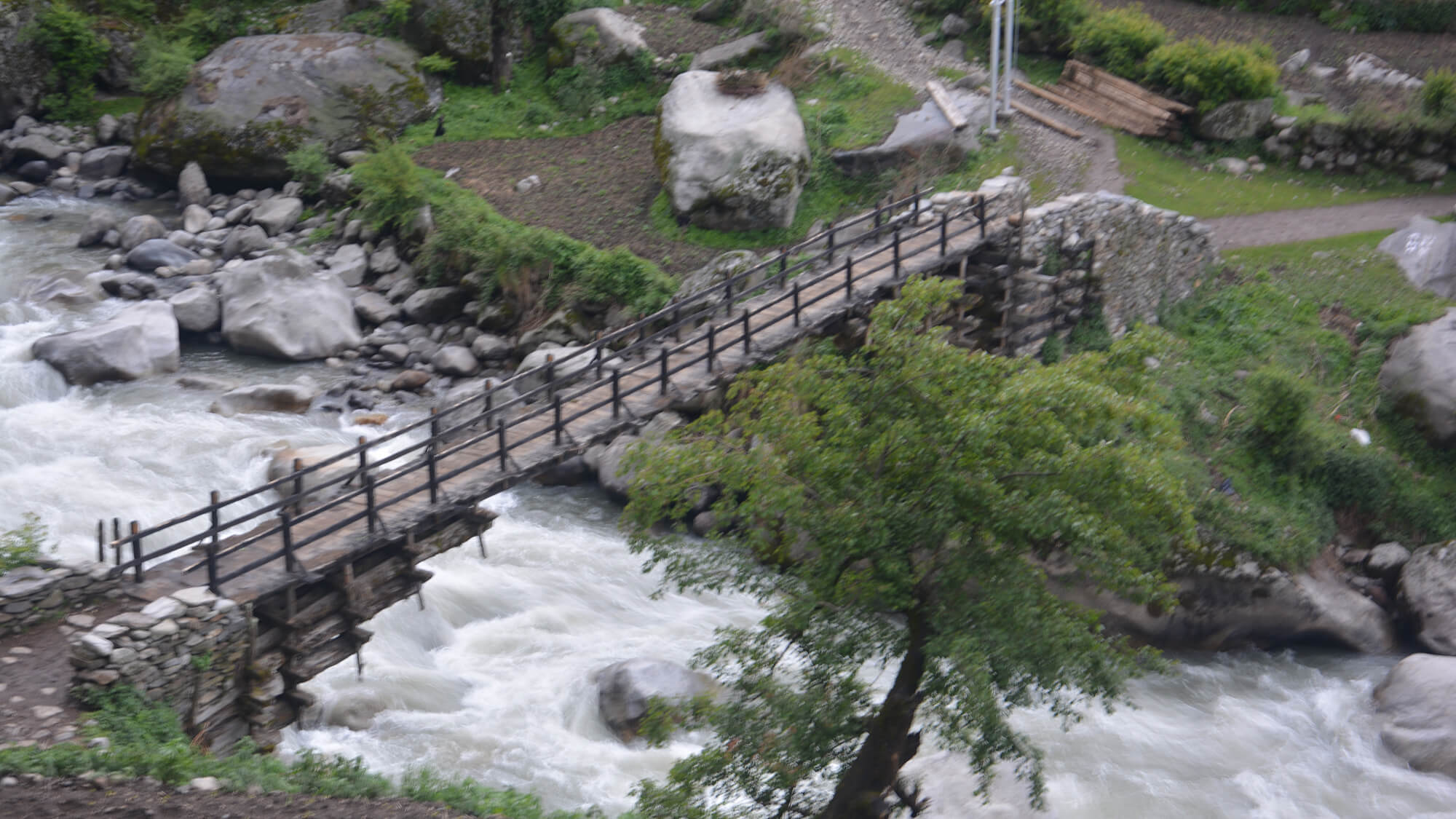
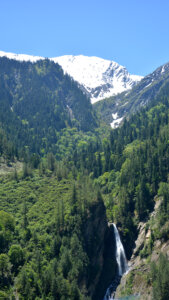 Day one was a continuous pattern of climbs and descents, moving through forests and along the river. The forest cleared as we reached the hamlet of Gangaad, located at the base of the valley near the river. The presence of this settlement after a day of trekking was reassuring. The village bridge, wooden houses perched on slopes across the river, which we explored briefly, gave us an anchor for the days ahead.
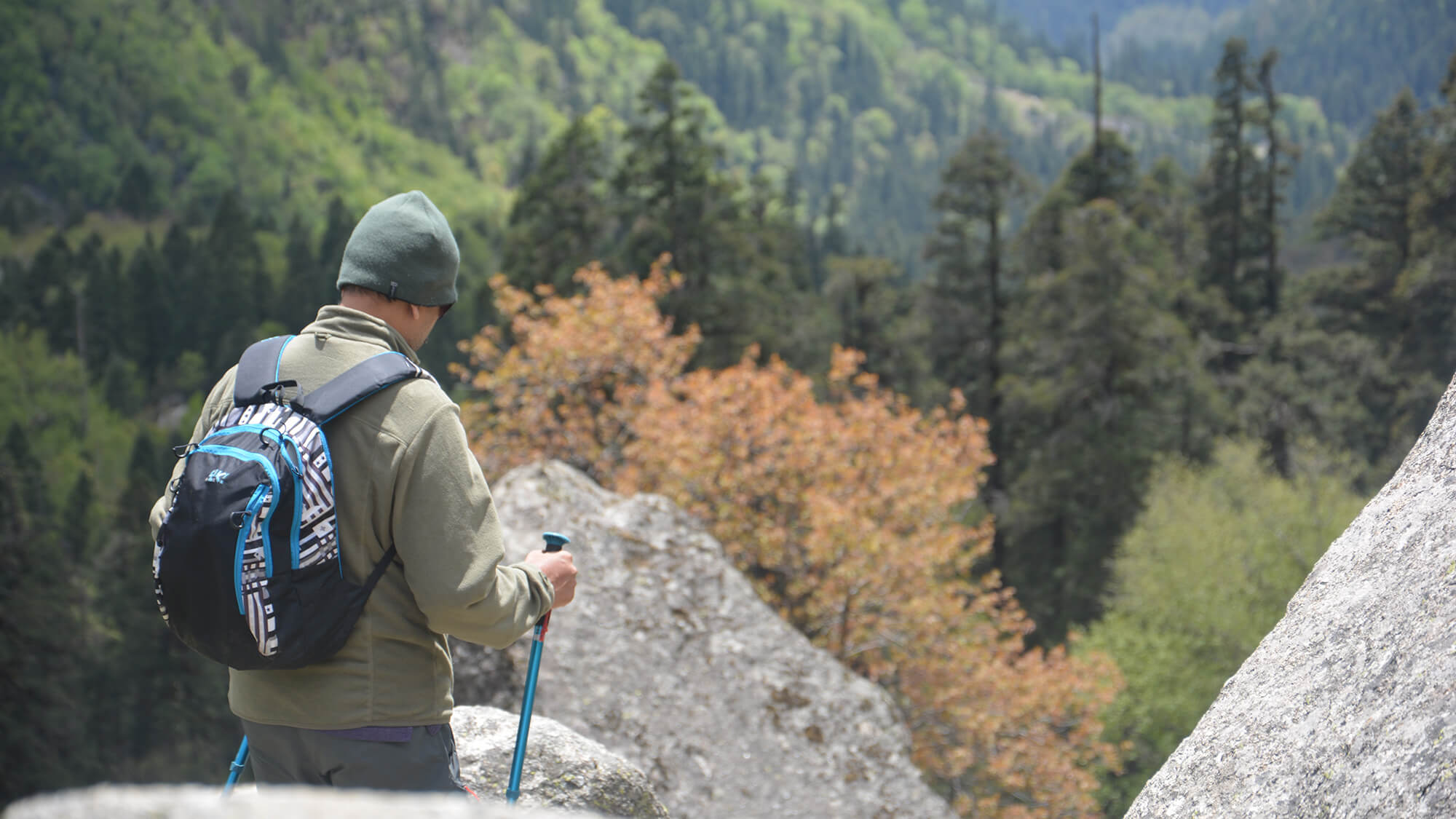
It was on the second day of Har ki Dun trek that my endurance was truly tested. The climb from here was steeper and far more demanding. We were leaving behind the reassuring sound of the river. As we kept climbing, our guide pushed us gently but firmly at every pause. At each stretch, it felt as though the body would not and could not scale the slope ahead—but it did.
Night, Dawn, and the Mountains
We finally reached our campsite after what felt like an unending day. The beauty of the trail had been overshadowed by the difficulty of the climb. Reaching the camp, perched high on the mountain and overlooking the valley, was a huge relief. It was only then that I truly noticed the beauty surrounding us.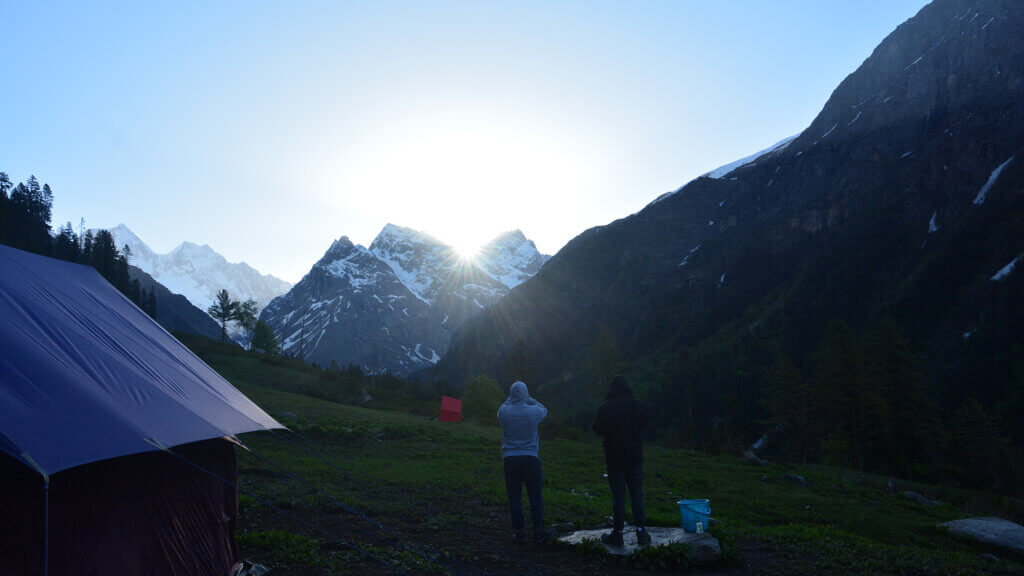
As night fell and the valley’s chill seeped into our bones, we huddled into our tents. Later, during an urgent trip to the washroom, I looked up at the sky. What I saw was a brilliantly clear expanse, where the stars seemed like tiny bulbs hanging from nowhere.
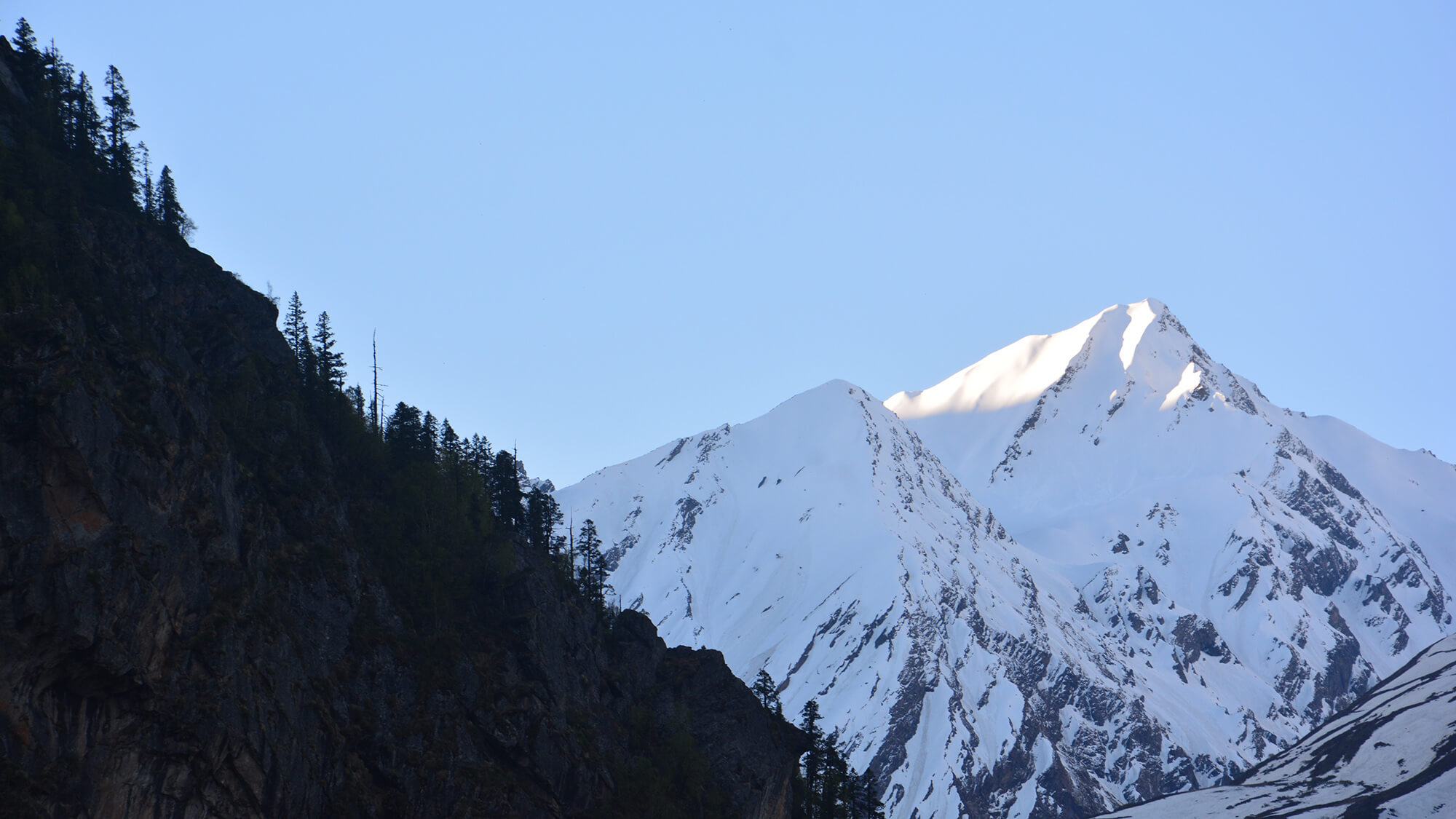
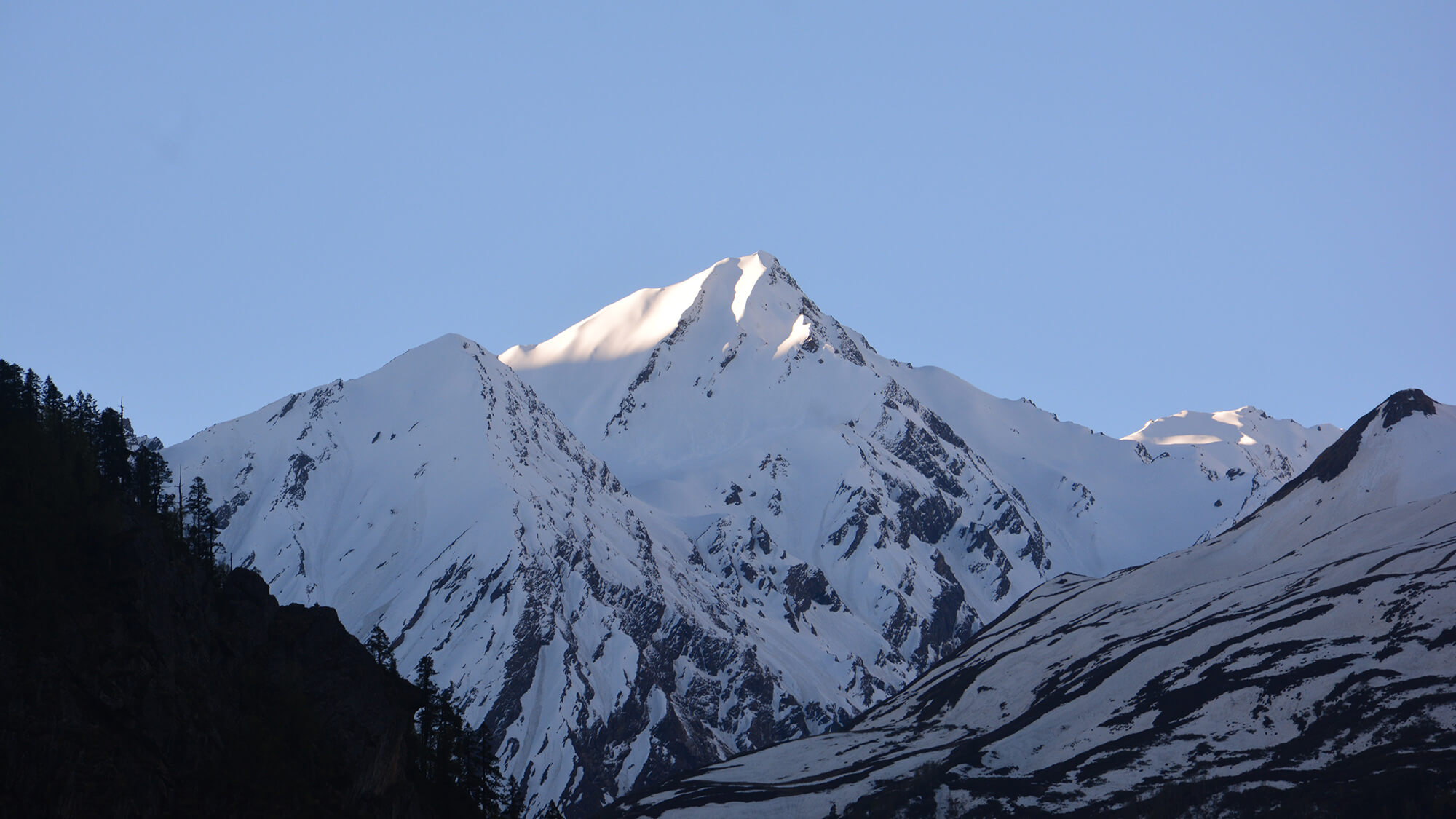
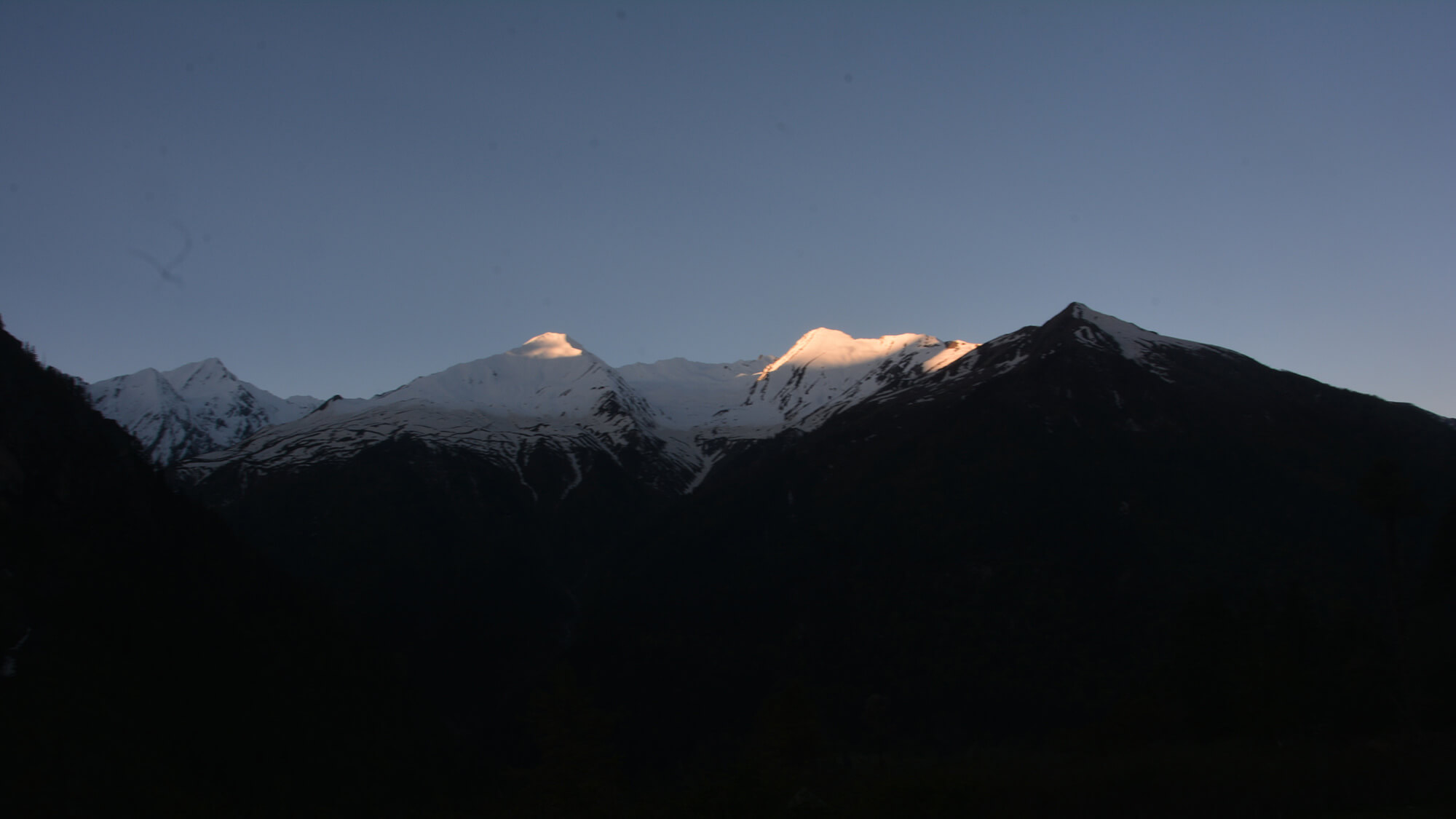
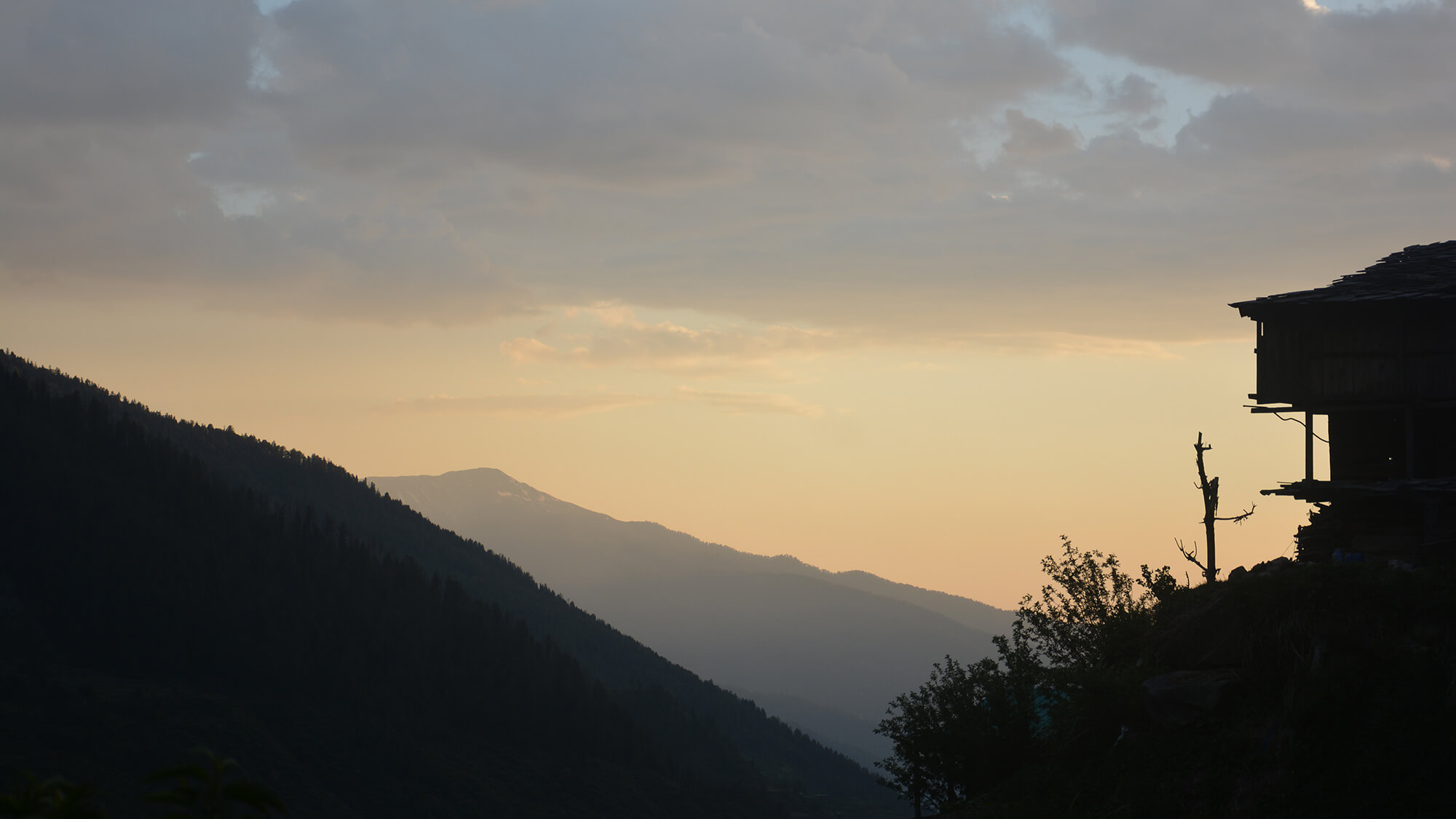
It was a sight to behold, a memory etched in my mind forever. The next morning was equally beautiful. The ambient sun lit up the valley much before it reached us. We watched its rays fall on the snow-clad Swargarohini peaks, travelling slowly downward from the summit to illuminate the entire valley.
Har Ki Dun: Where Heaven Meets Land
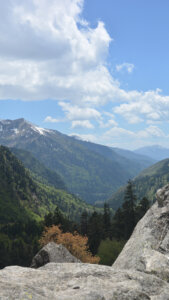 The day ahead of Har ki Dun trek felt like an uphill task for me, especially after the exhaustion of the previous day’s climb. I was almost always the last one on the trail. Being at the end can be discouraging for a tired body, so I considered staying back and simply soaking in the quiet of the camp. But fear of missing out—that familiar feeling that pushes us all—made me go ahead.
What a wonderful day it turned out to be.
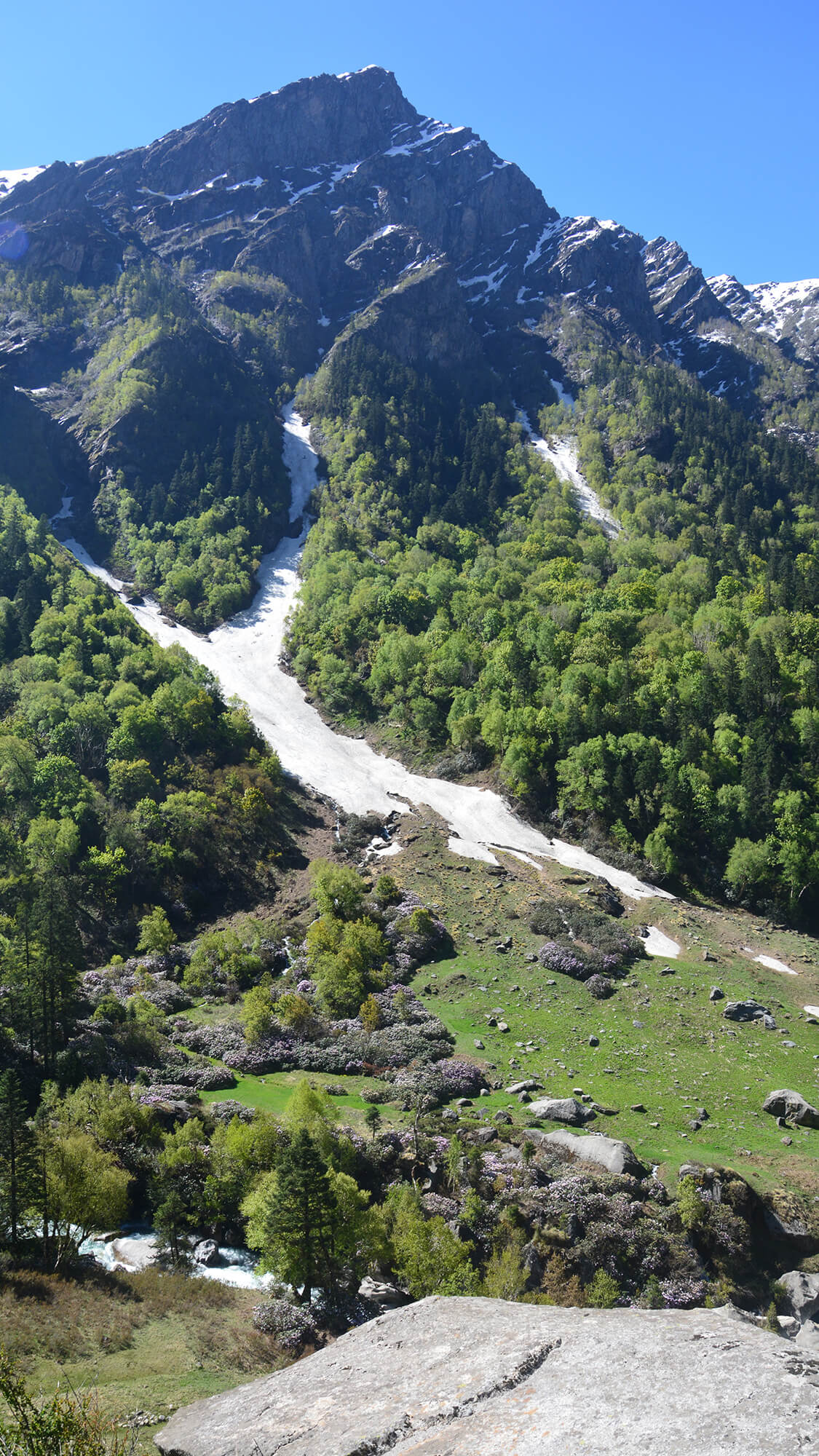
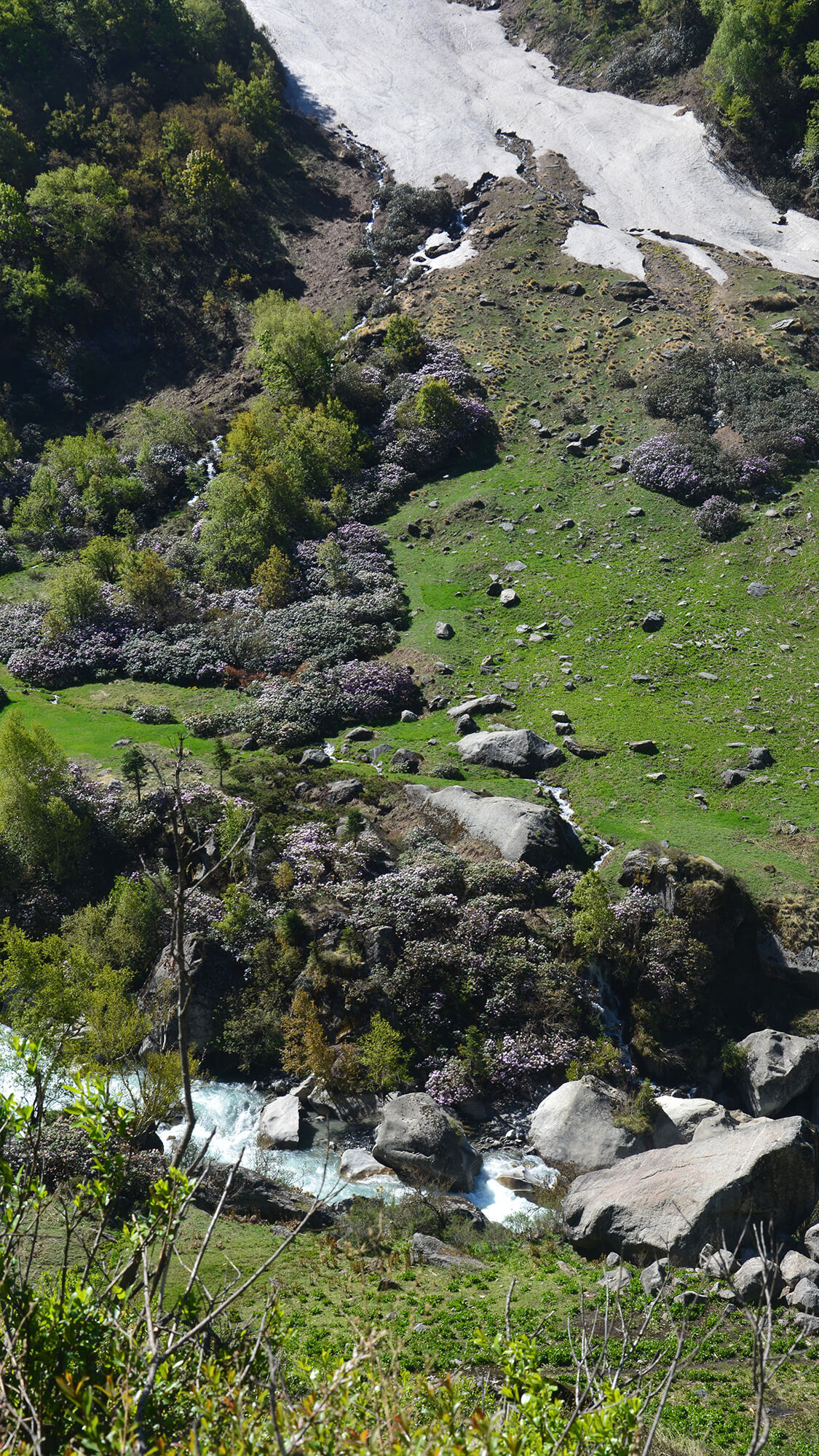
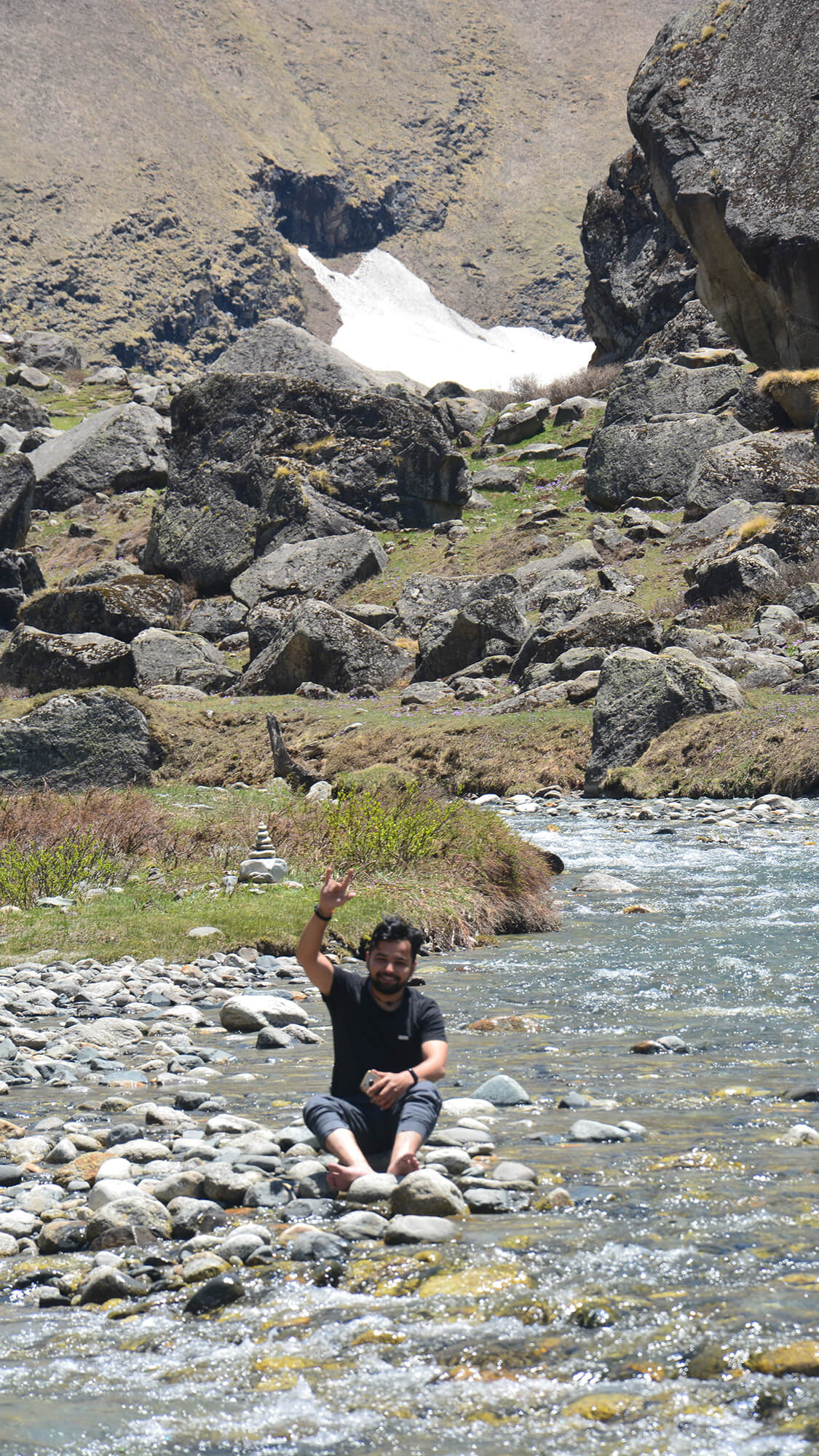
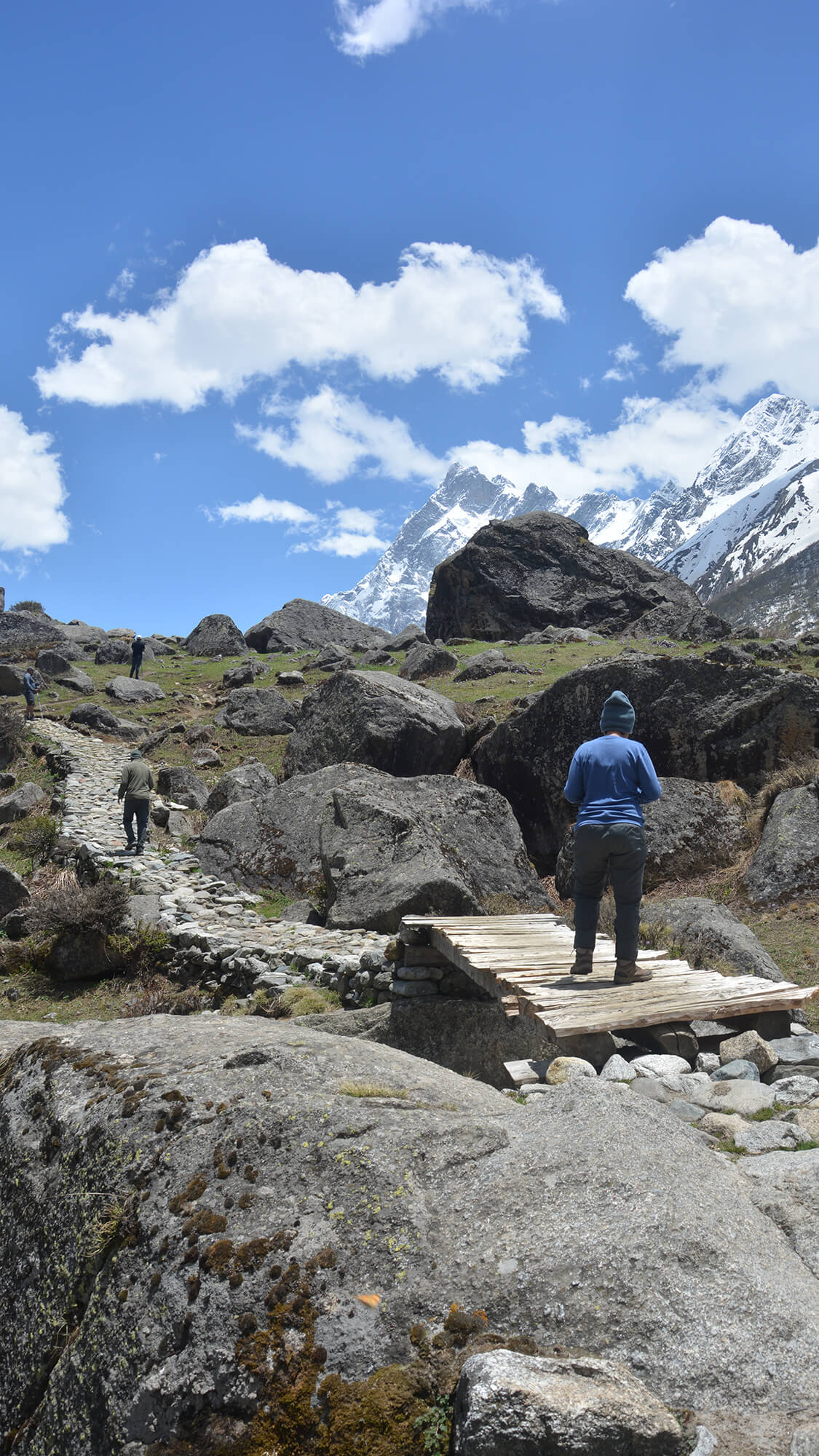
We crossed streams on wooden bridges, climbed small glaciers, crossed meadows, and saw some of the most beautiful forest blooms on our way to the valley. It is said that the Pandavas climbed to heaven from here, which is why the peak is called Swargarohini.
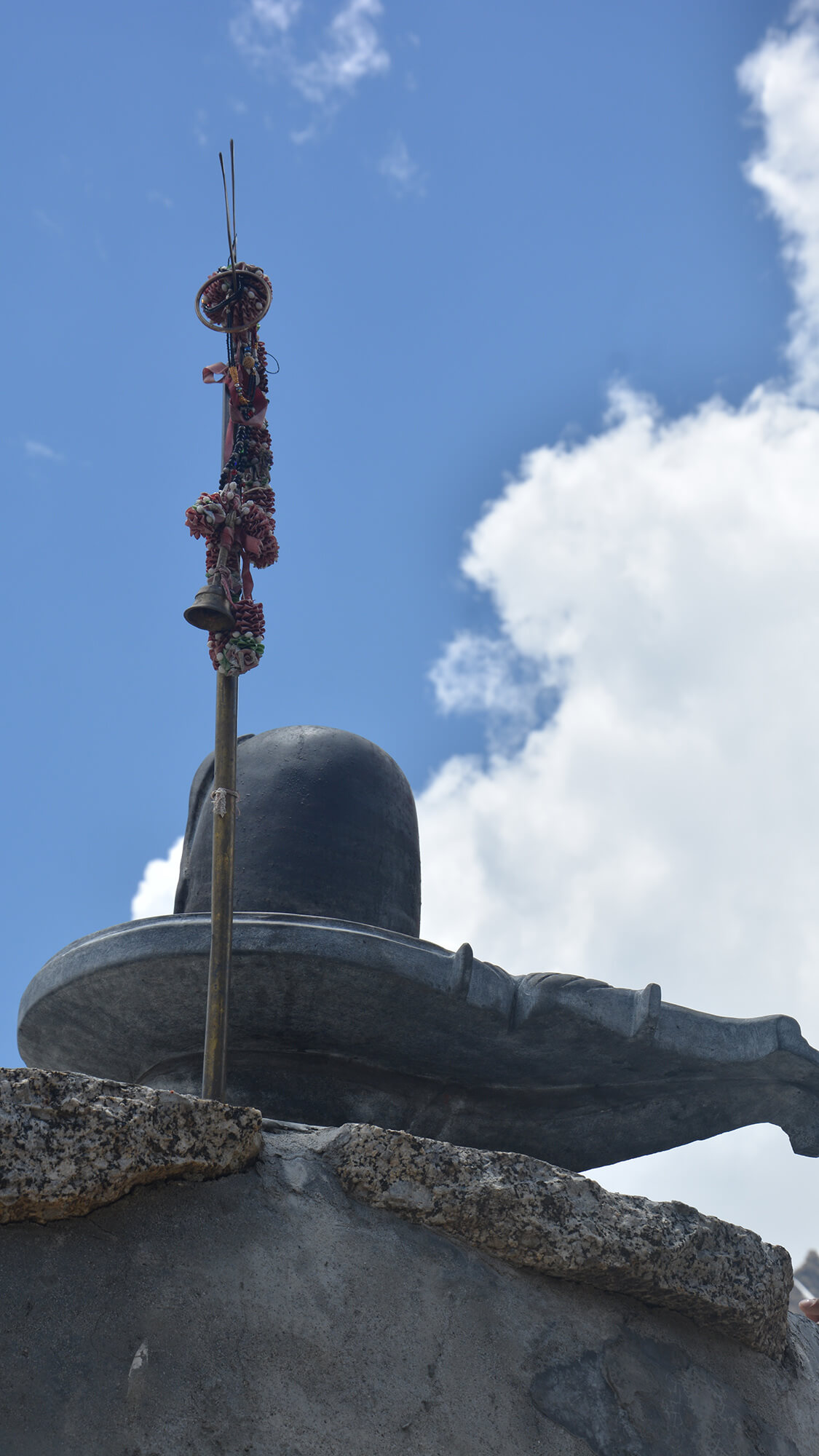
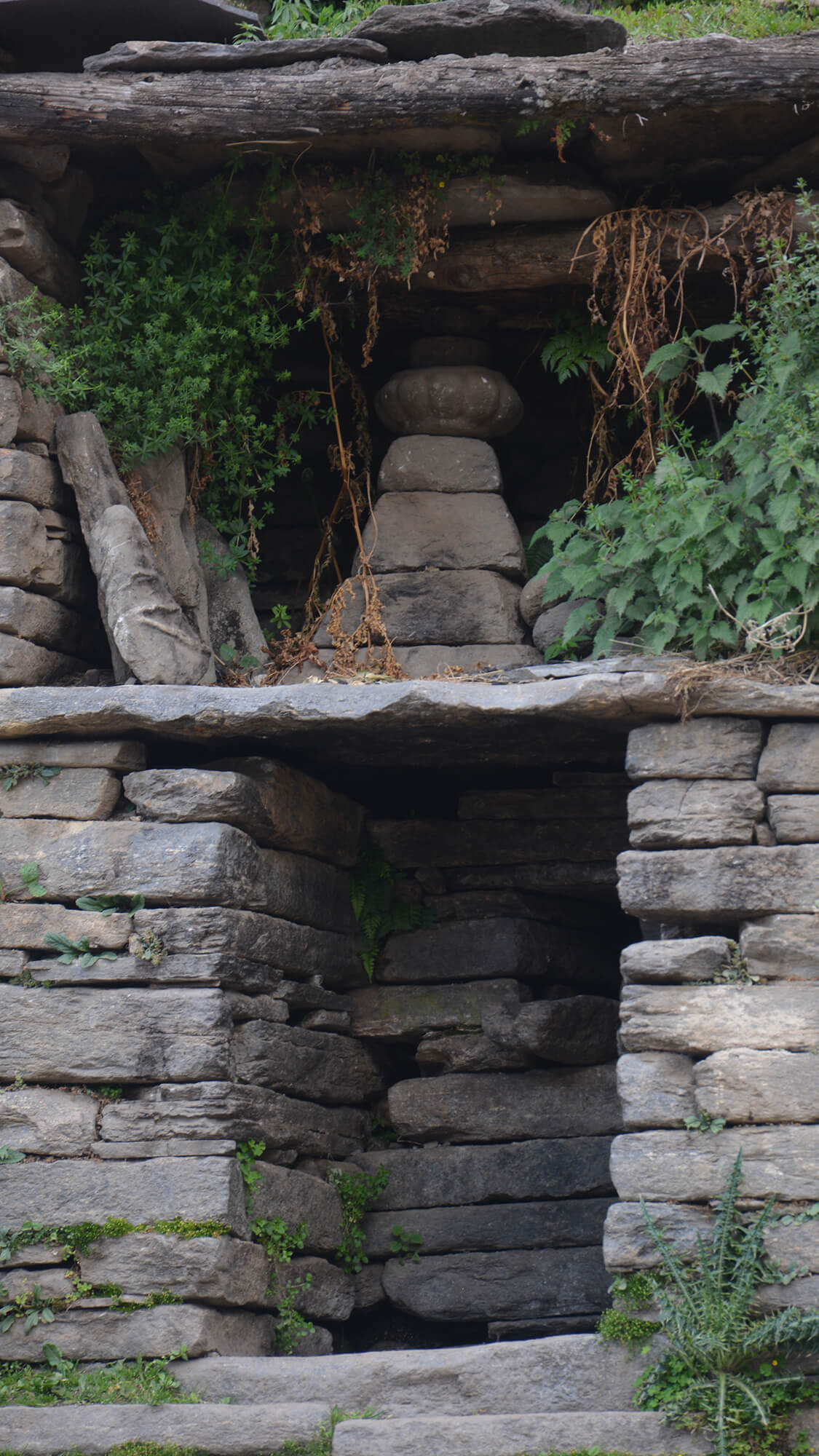
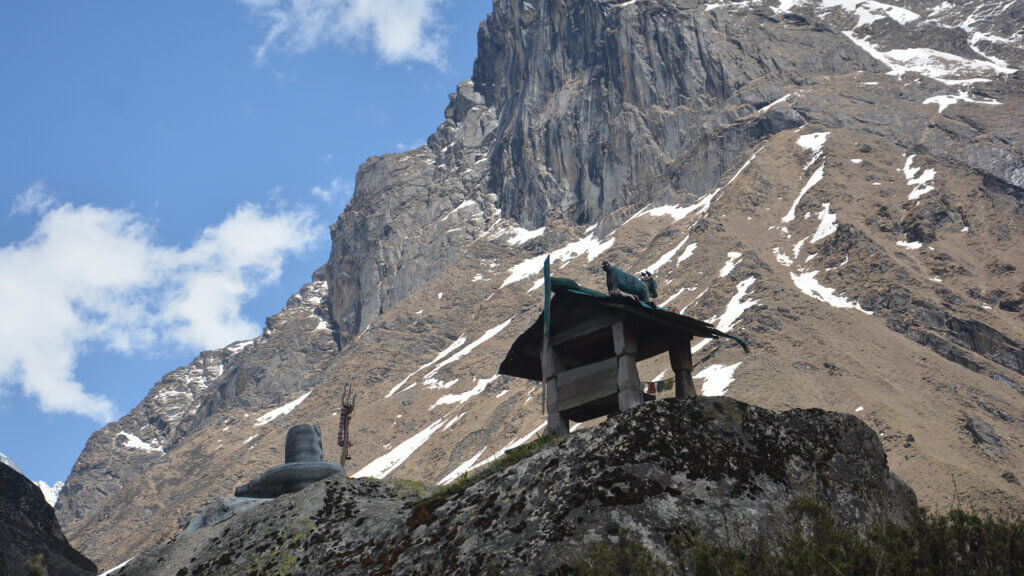
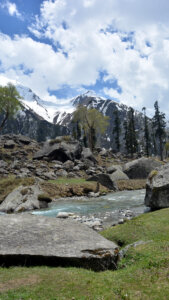 If there is heaven, it was already there at Har Ki Dun—open meadows surrounded by towering peaks, a quietly bubbling stream flowing through the middle. Boughs bending to touch the water, trees standing tall as if to reach the sky. A small shrine and a Shivlingam at the base elevated the sense of serenity.
The solitude at Har ki Dun was deepened by the fact that only our small group was in the valley that day—exactly what such a place demands, a pause for reflection. Here, we could speak to the valley, and the valley could respond.
As an eagle swooped down with a powerful rush of wings to seize its prey, I was struck by its sheer scale. We were awed by the rare privilege of witnessing such a majestic bird from so close.
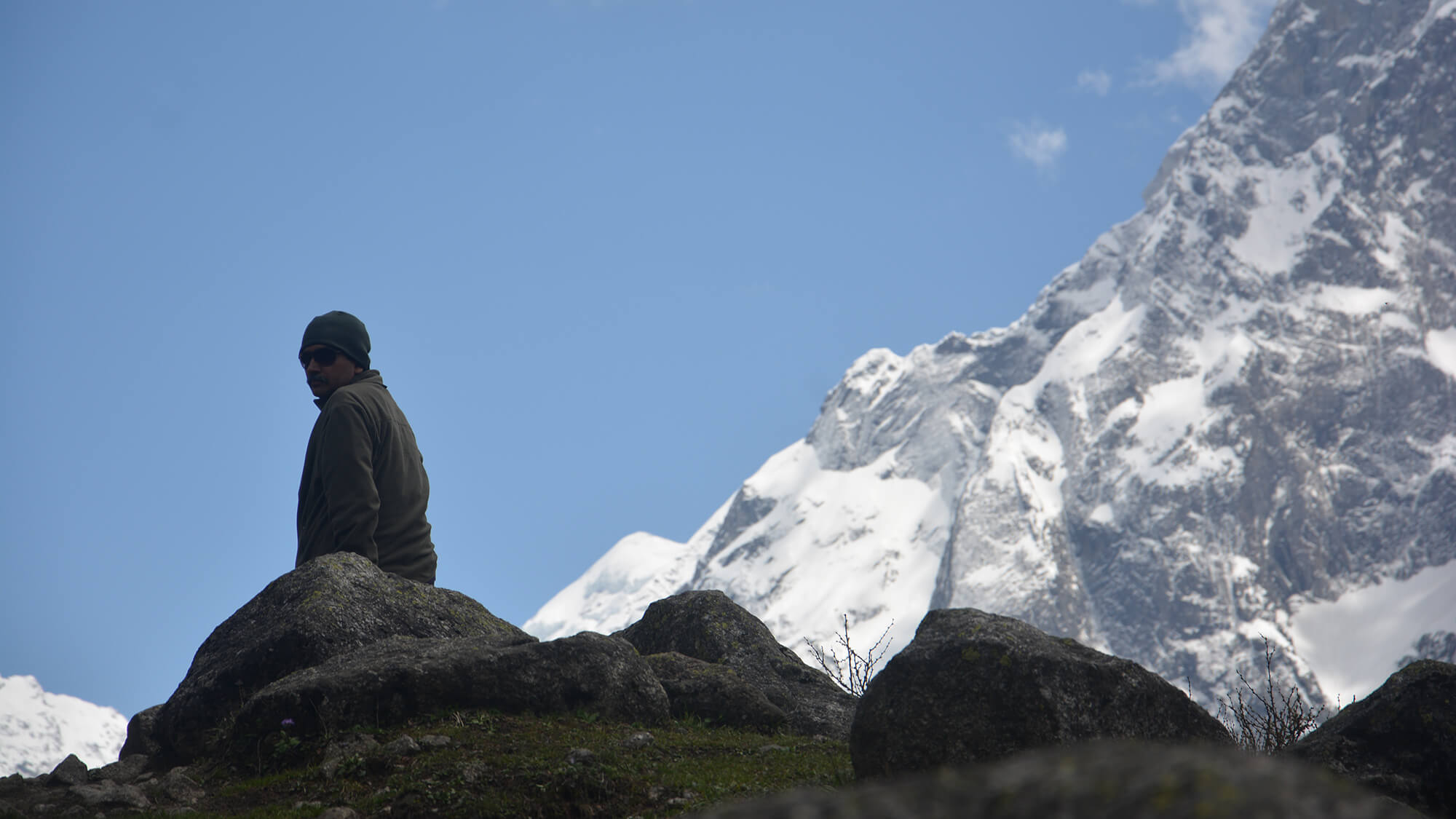
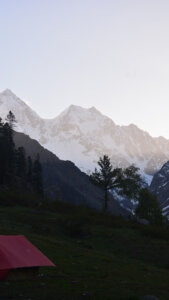 Har ki Dun is surrounded by awe-inspiring, time-immortal mountains—still and present. Standing at the base of these mountains, I felt my own insignificance, both in time and scale.
We go to the mountains to find ourselves, to connect with the self and the surroundings. Untouched by human presence, do these mountains notice how they inspire us?
Osla: Community, Continuity, and Humility
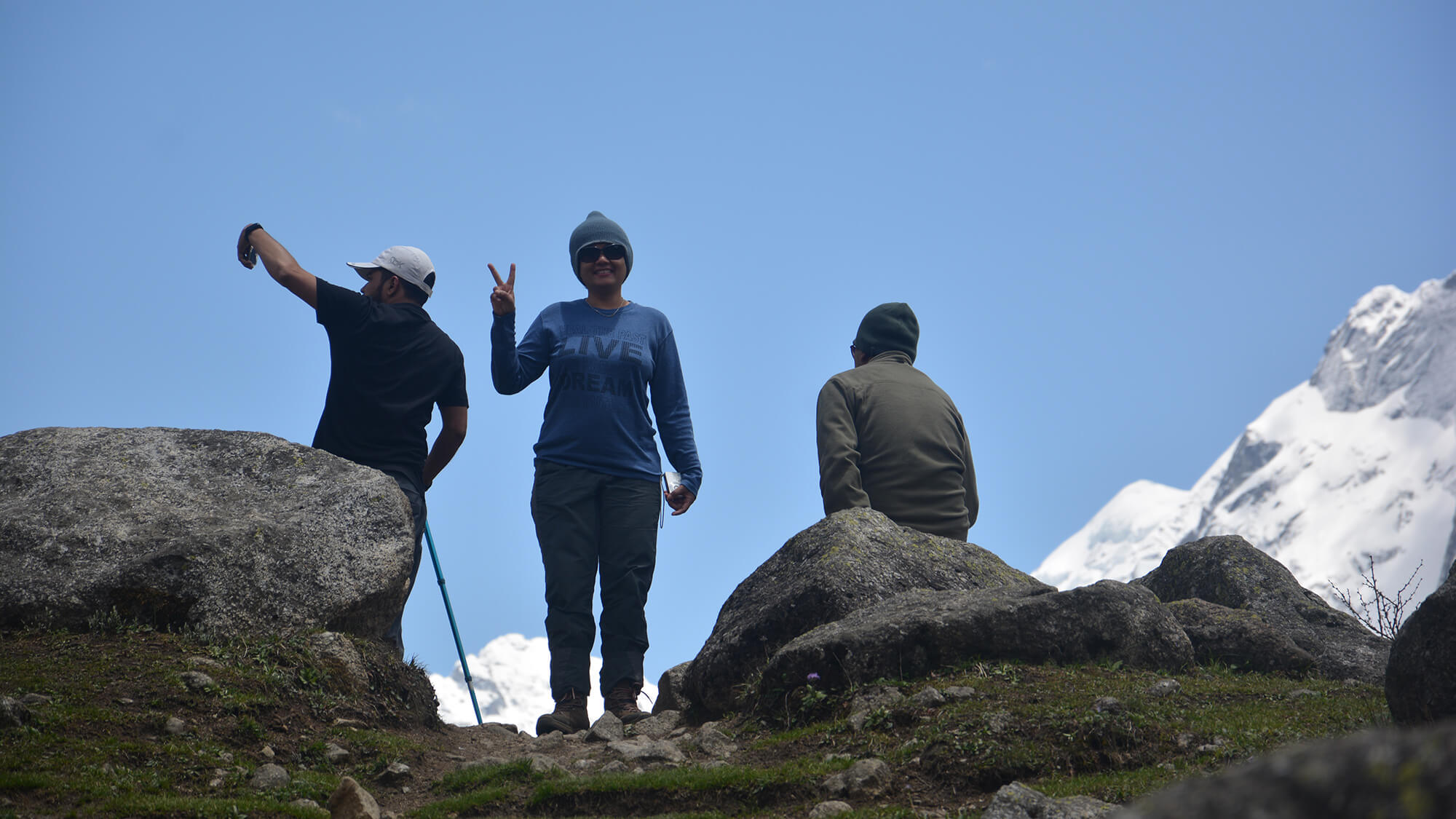
Buoyed by the visit to Har ki Dun and relieved that from now on there would be only descent, I started back on a high note. We knew the way, the surroundings, and what to expect—the same valley, the same awe-inspiring mountains, the same six souls exploring it together.
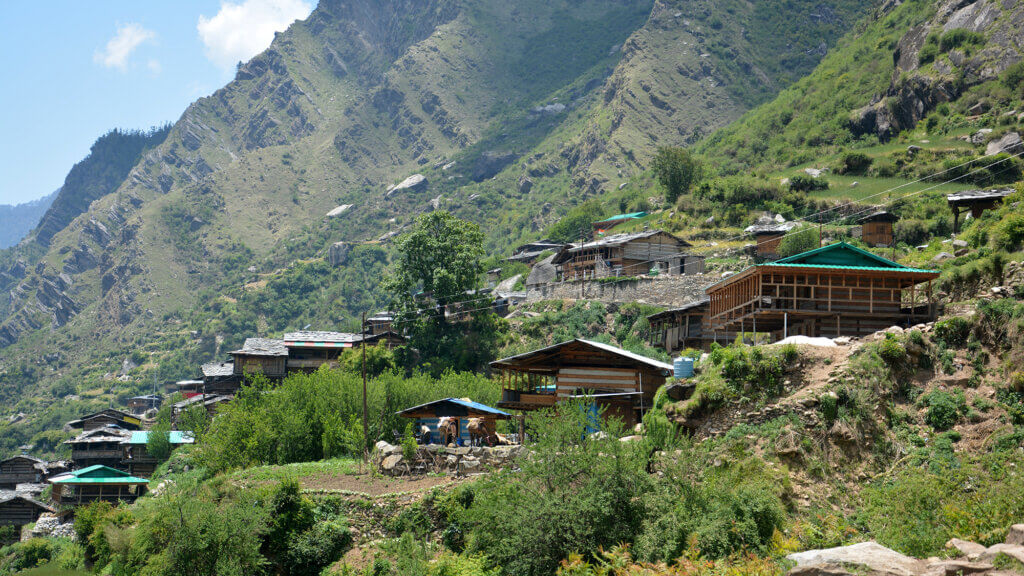 Except that this time, we stopped at Osla, a village at the highest altitude in the valley, much higher than the river. That day, in its own quiet way, humbled me.
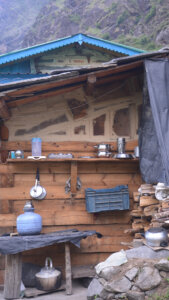 We were put up in a wooden cottage at the farthest end of the village, and this gave me a chance to explore the village holistically. As we walked, the village slowly unfolded. Set on a steep mountain slope, its magic lay in this very act of unfolding, making the experience deeply immersive.
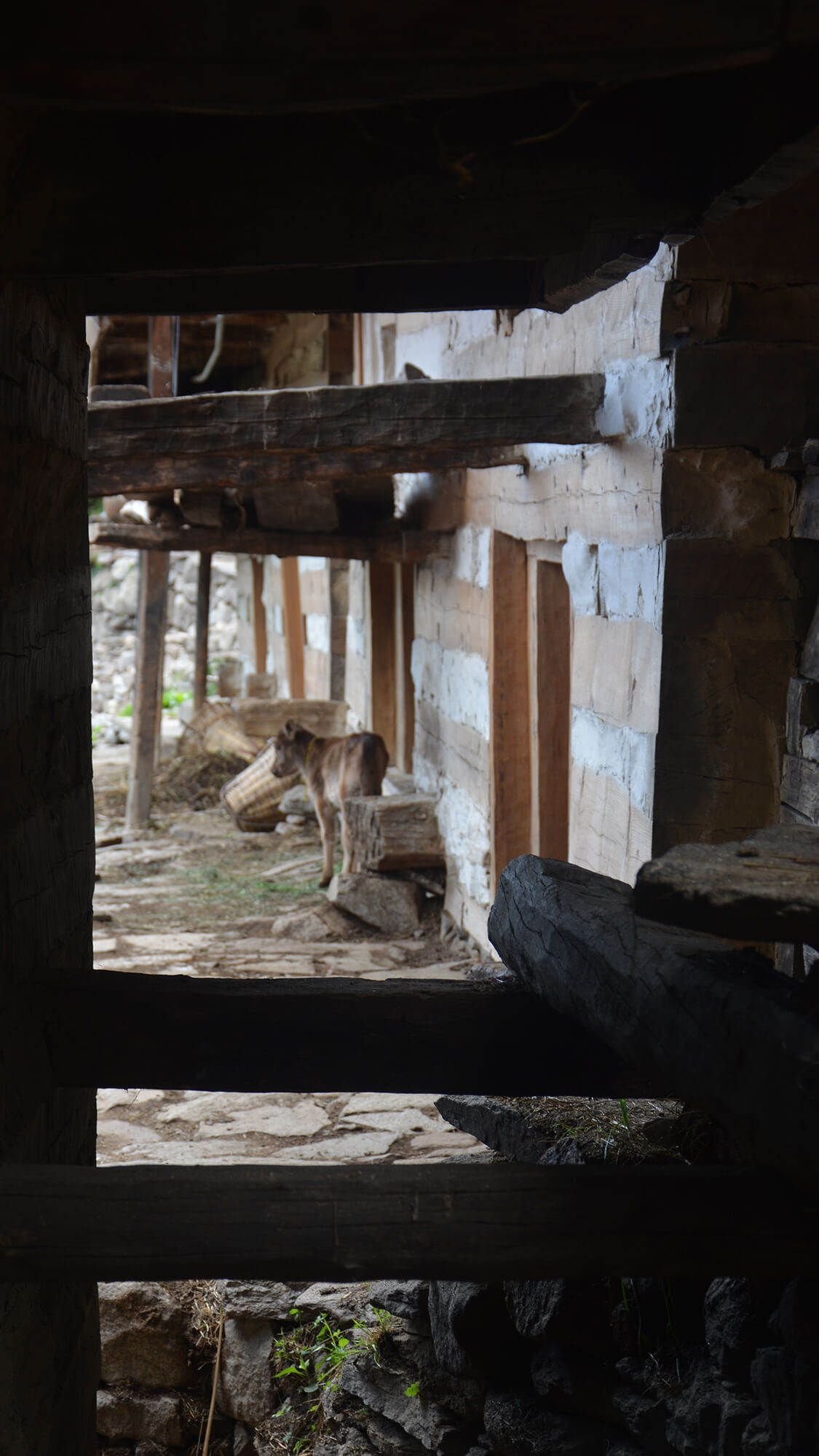
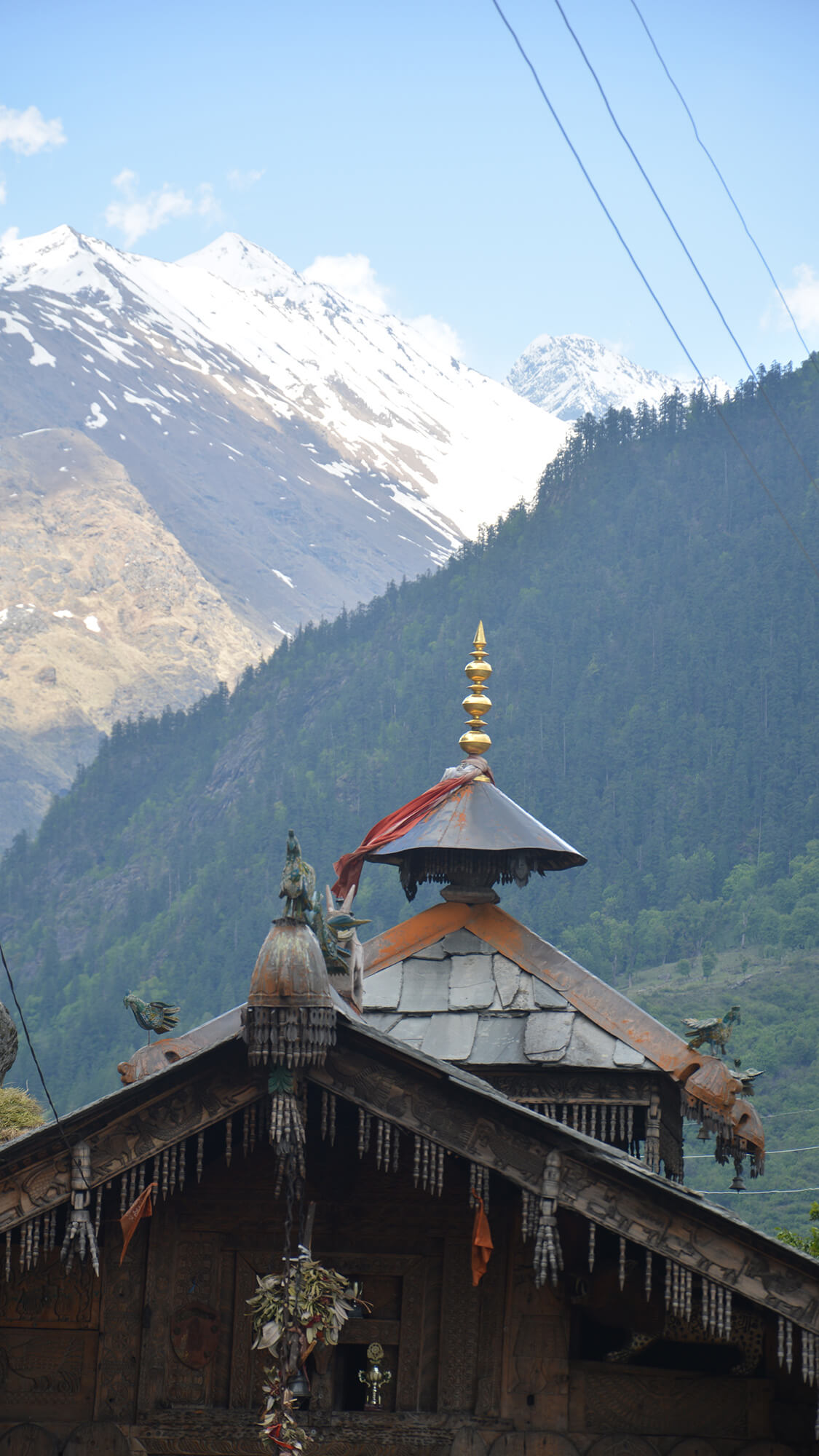
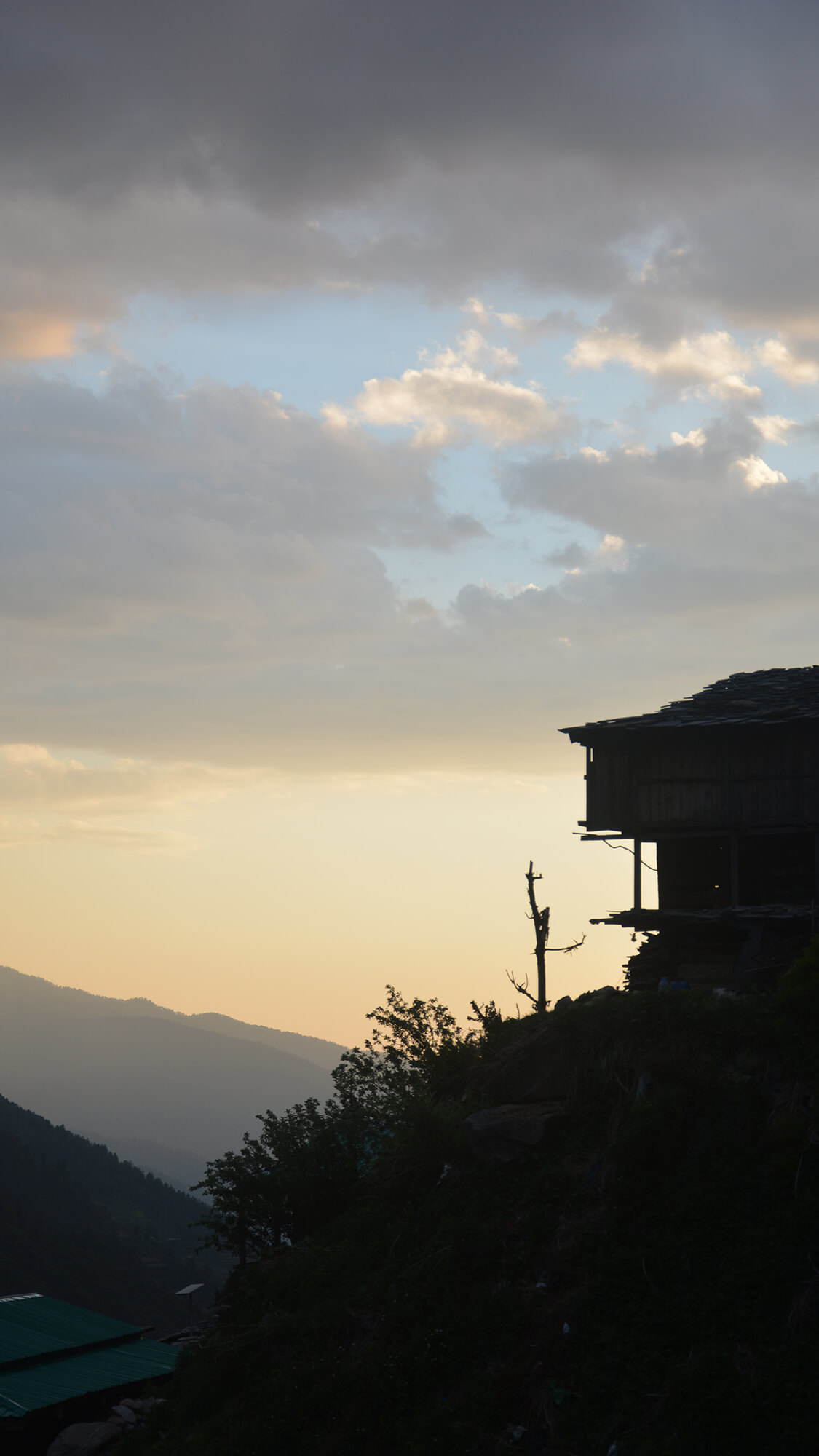
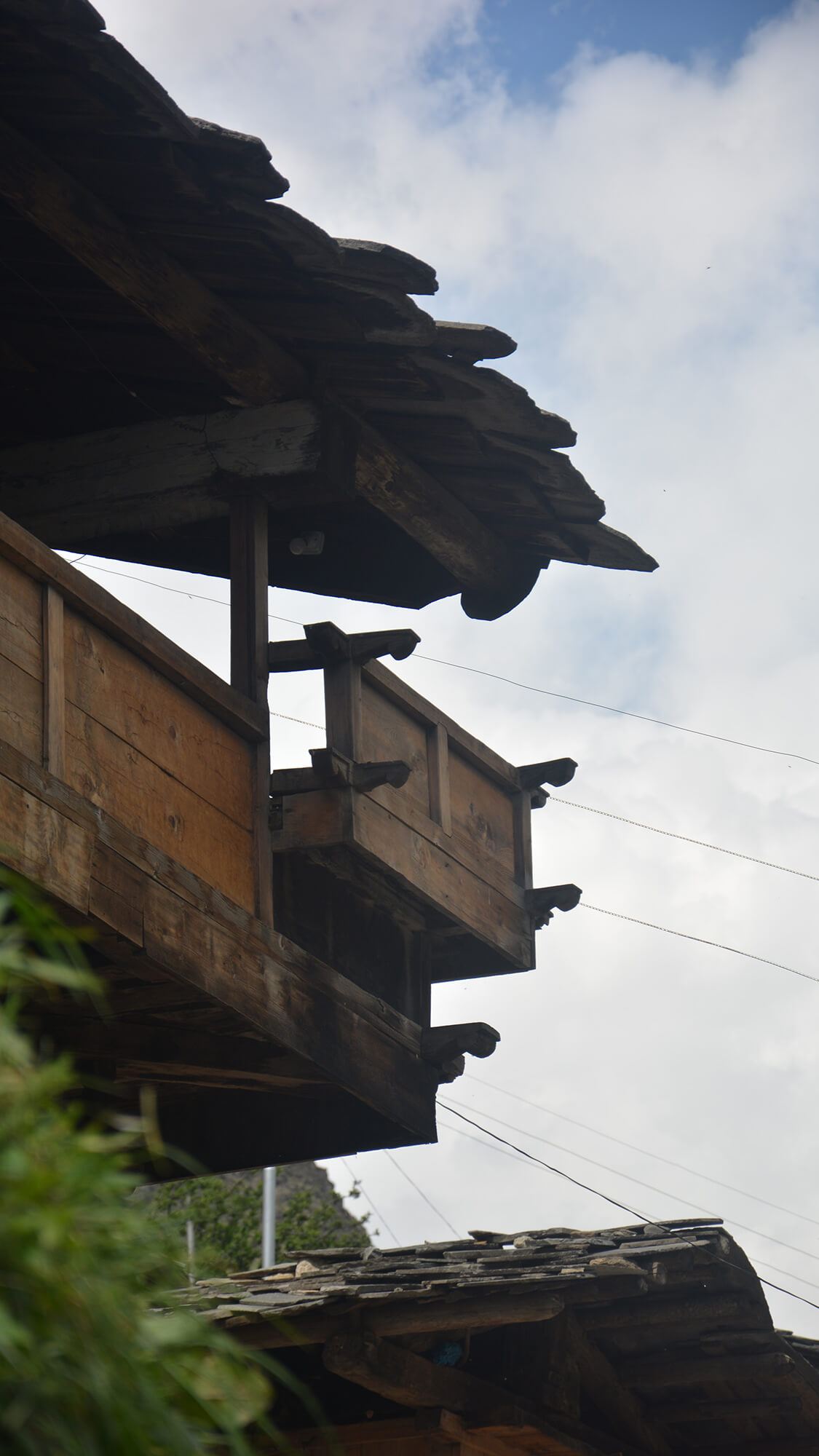
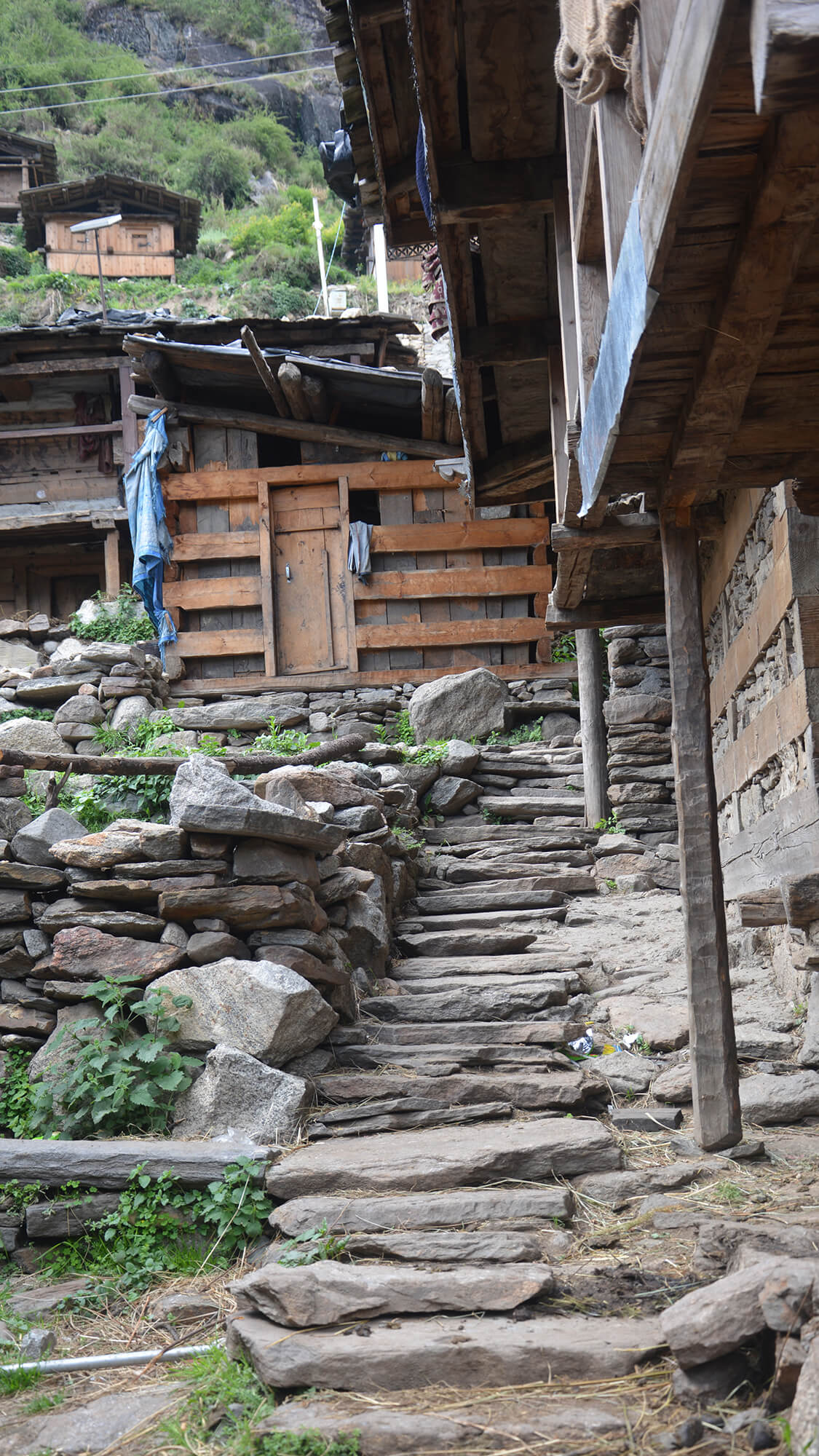
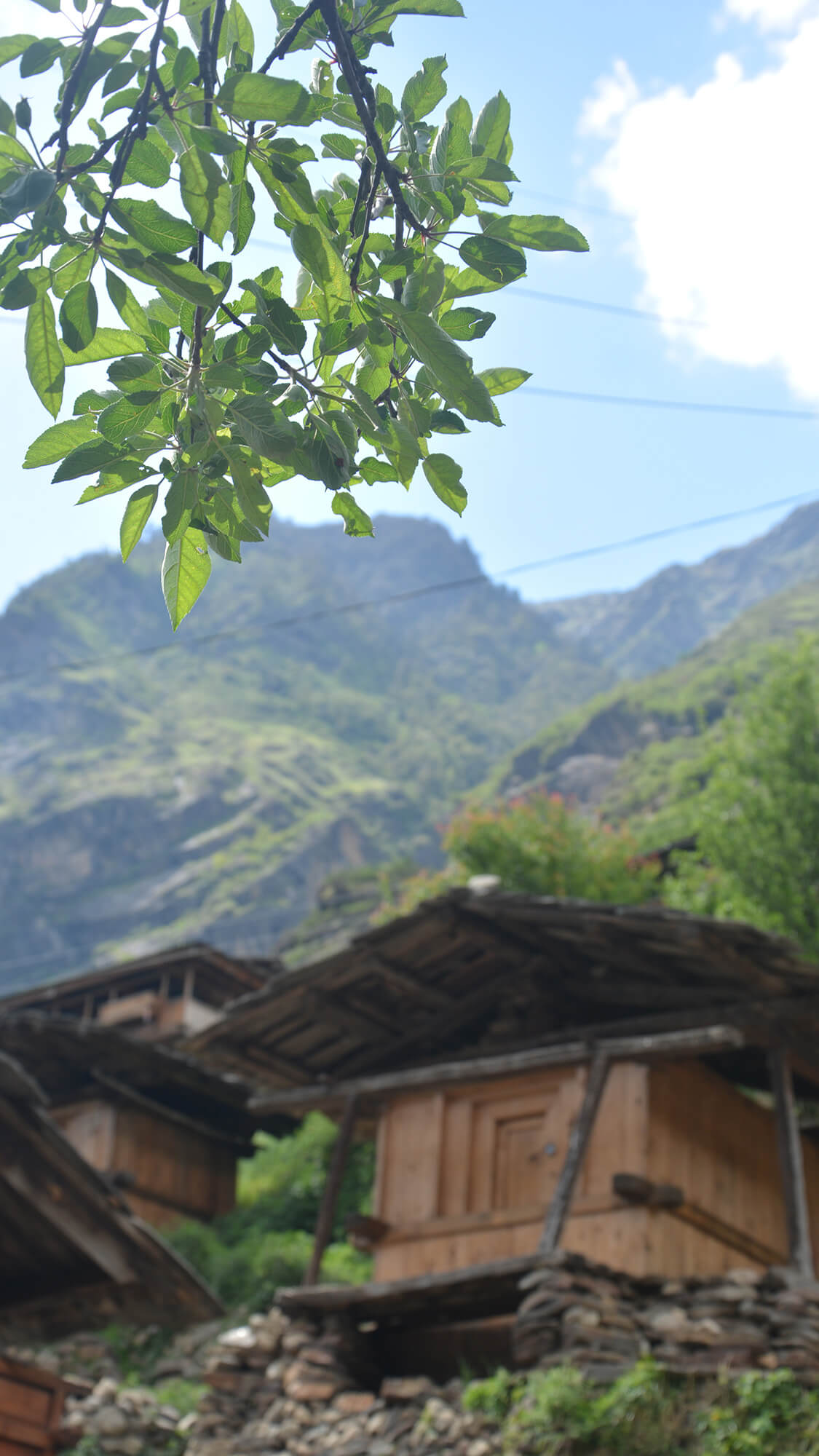
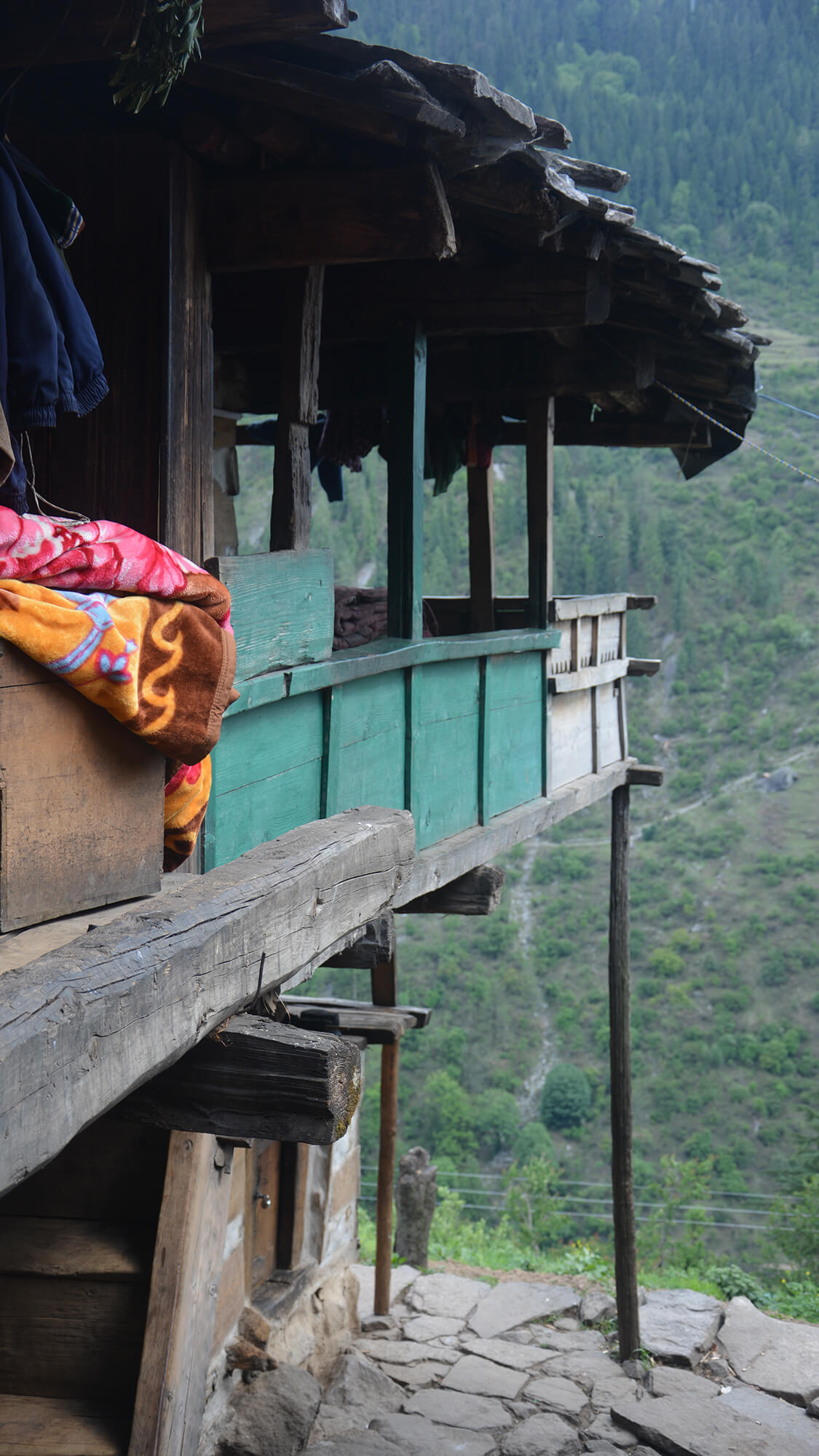
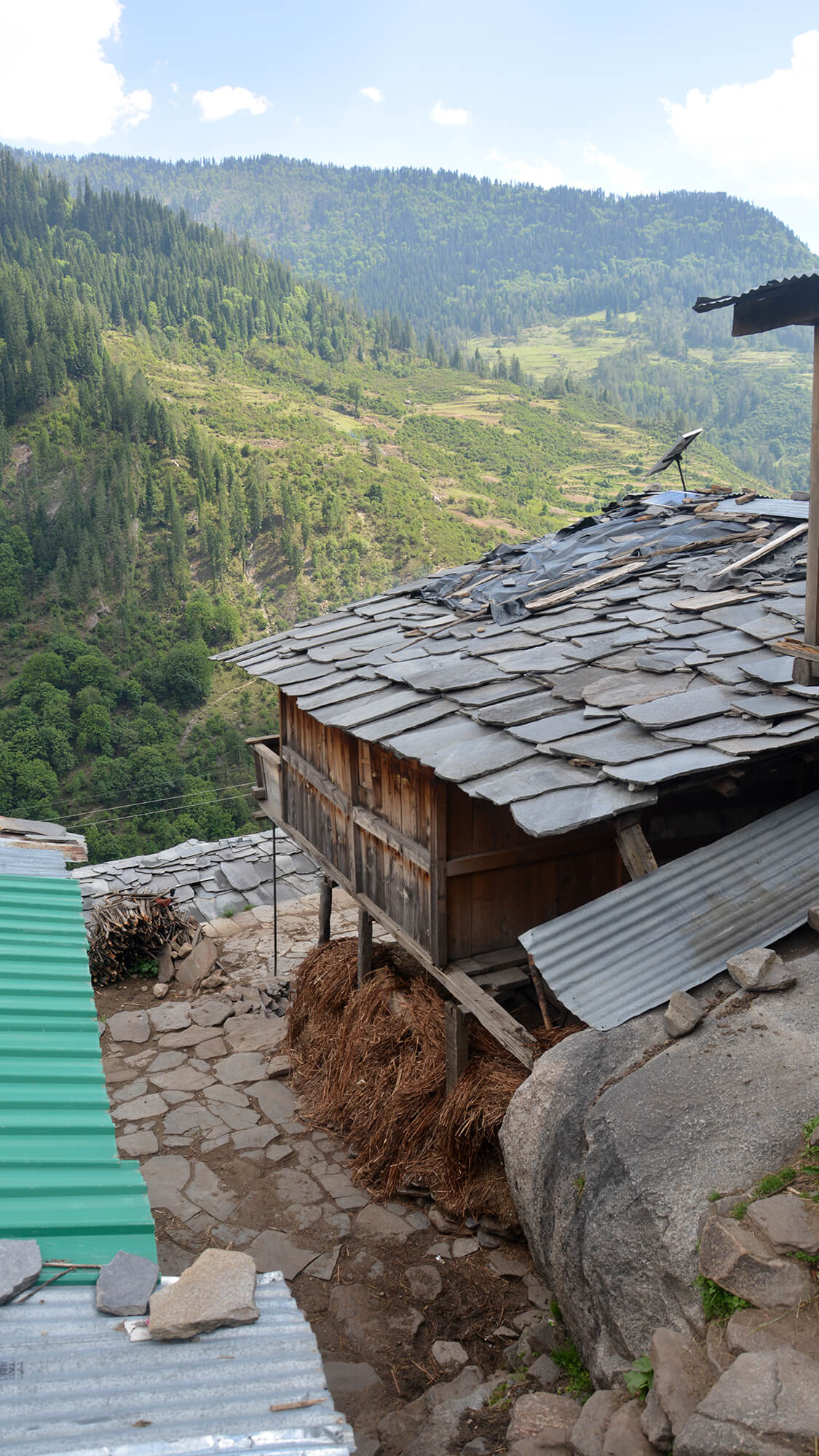
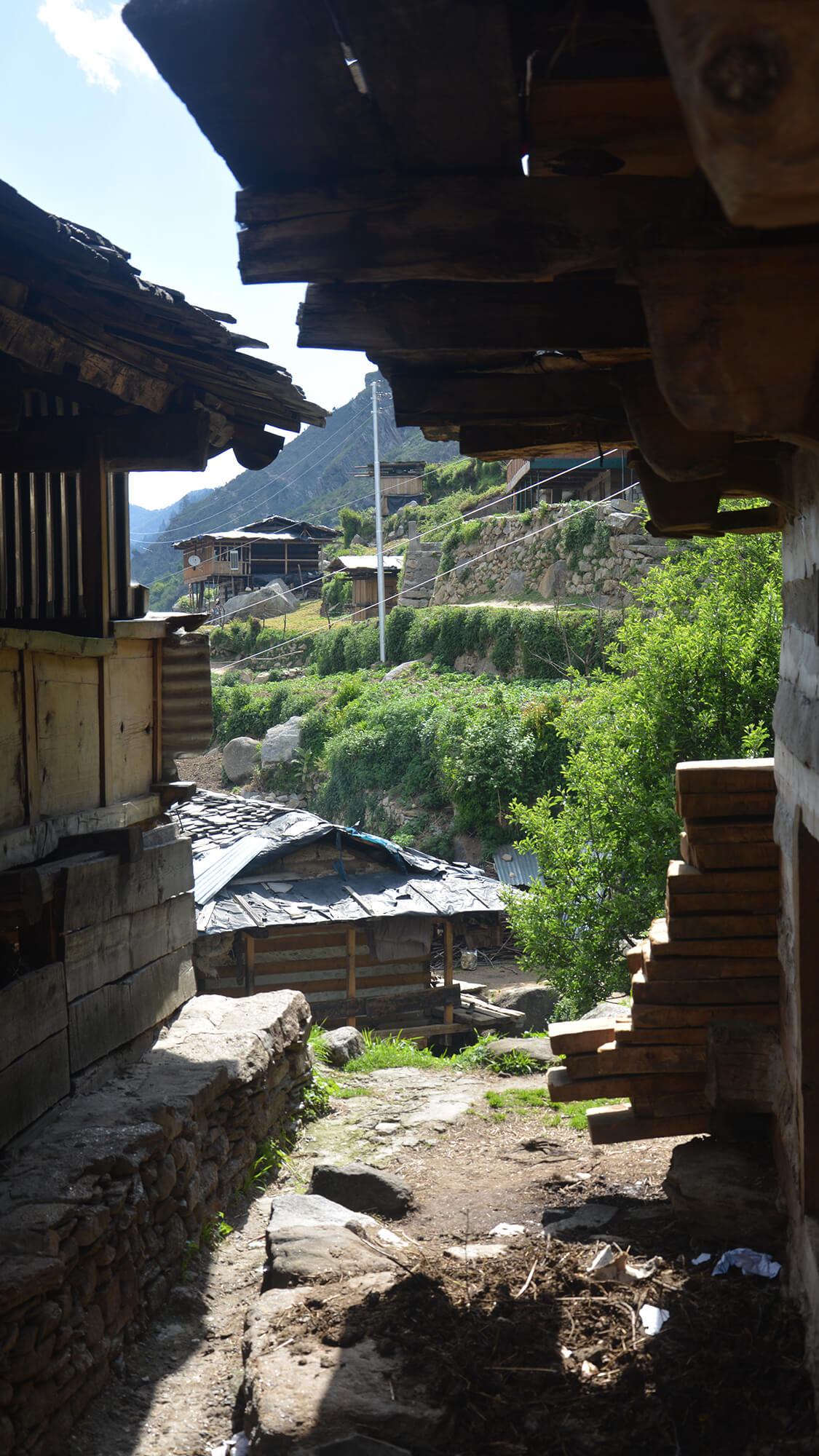
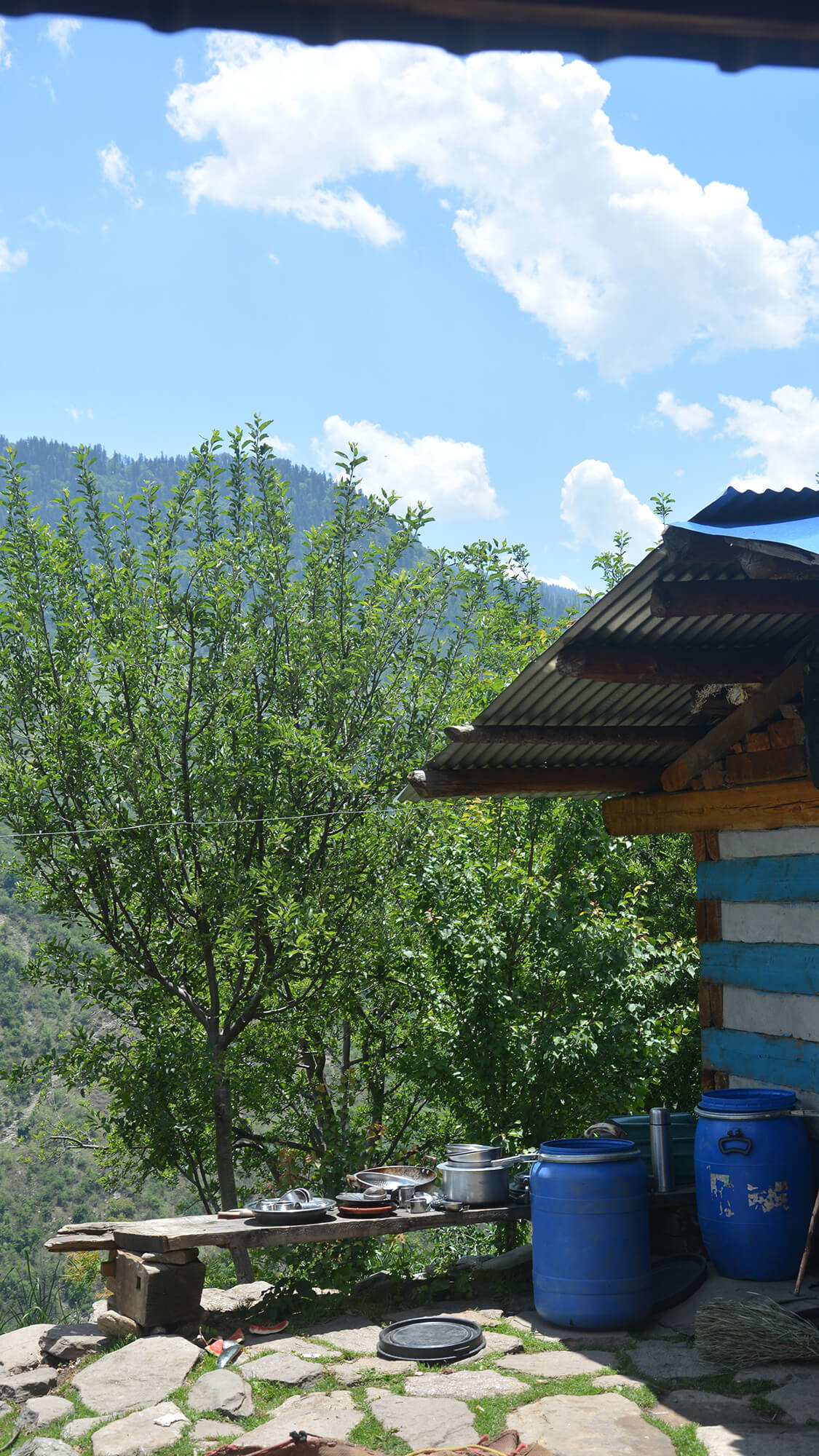
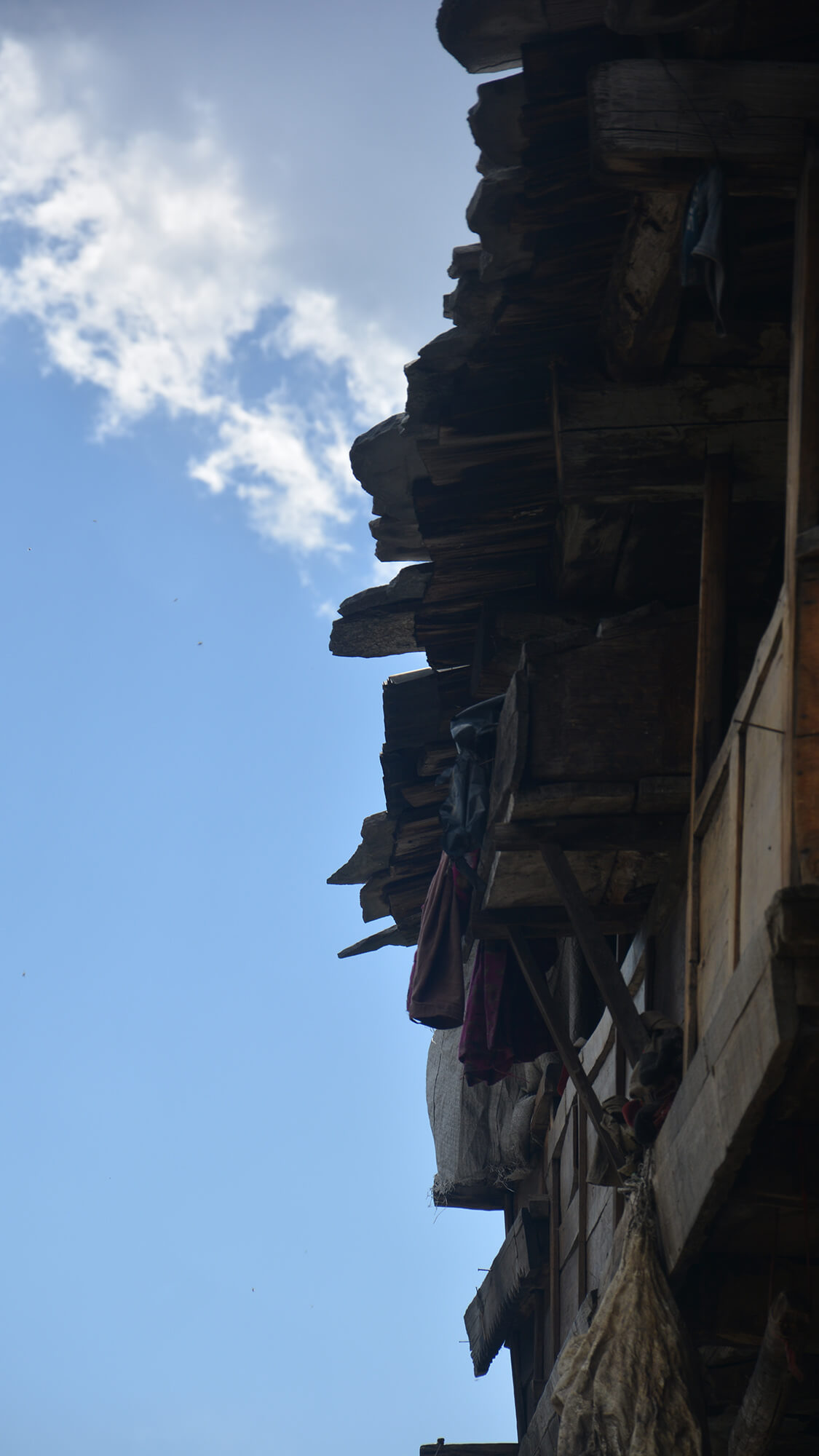
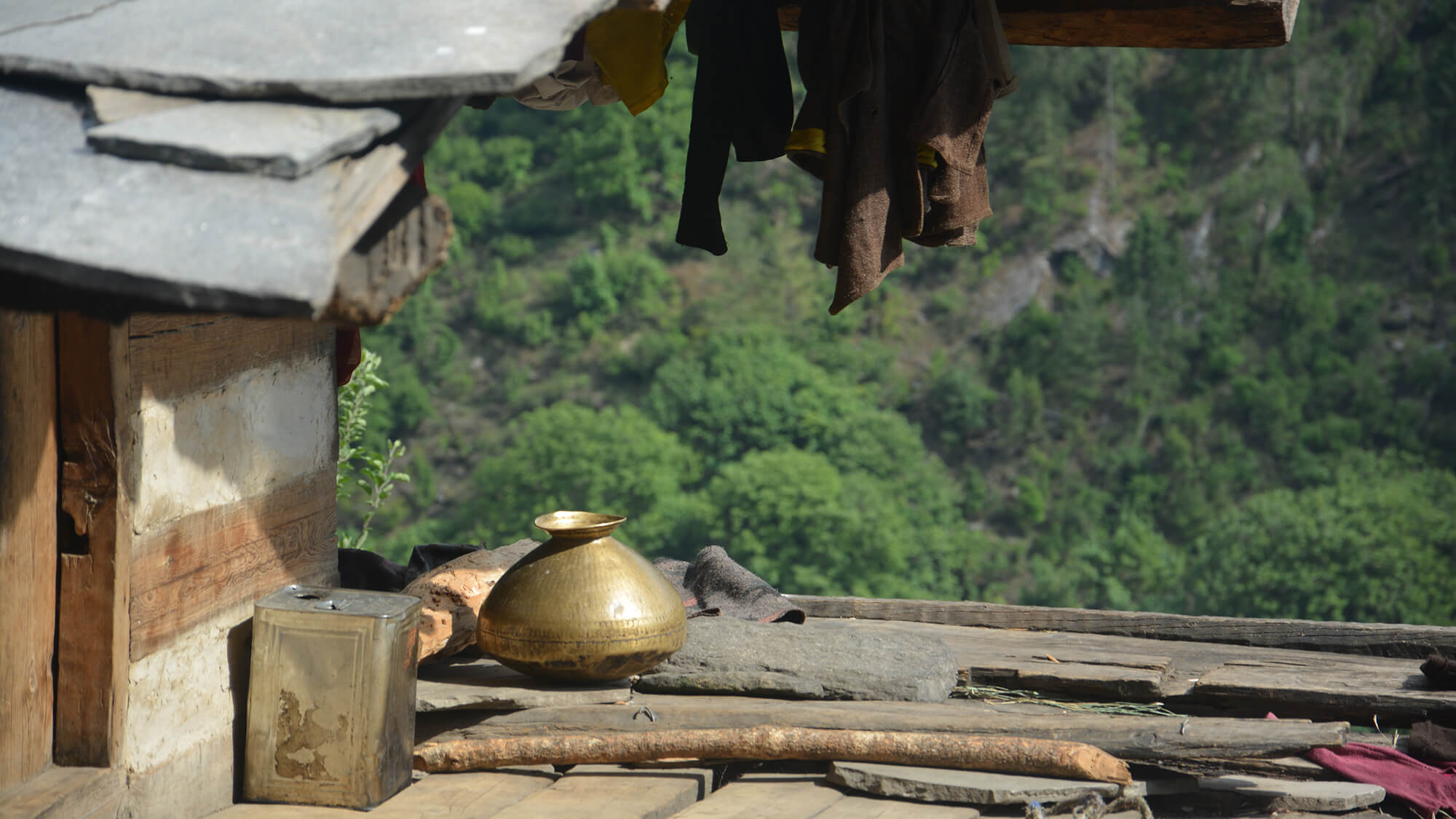
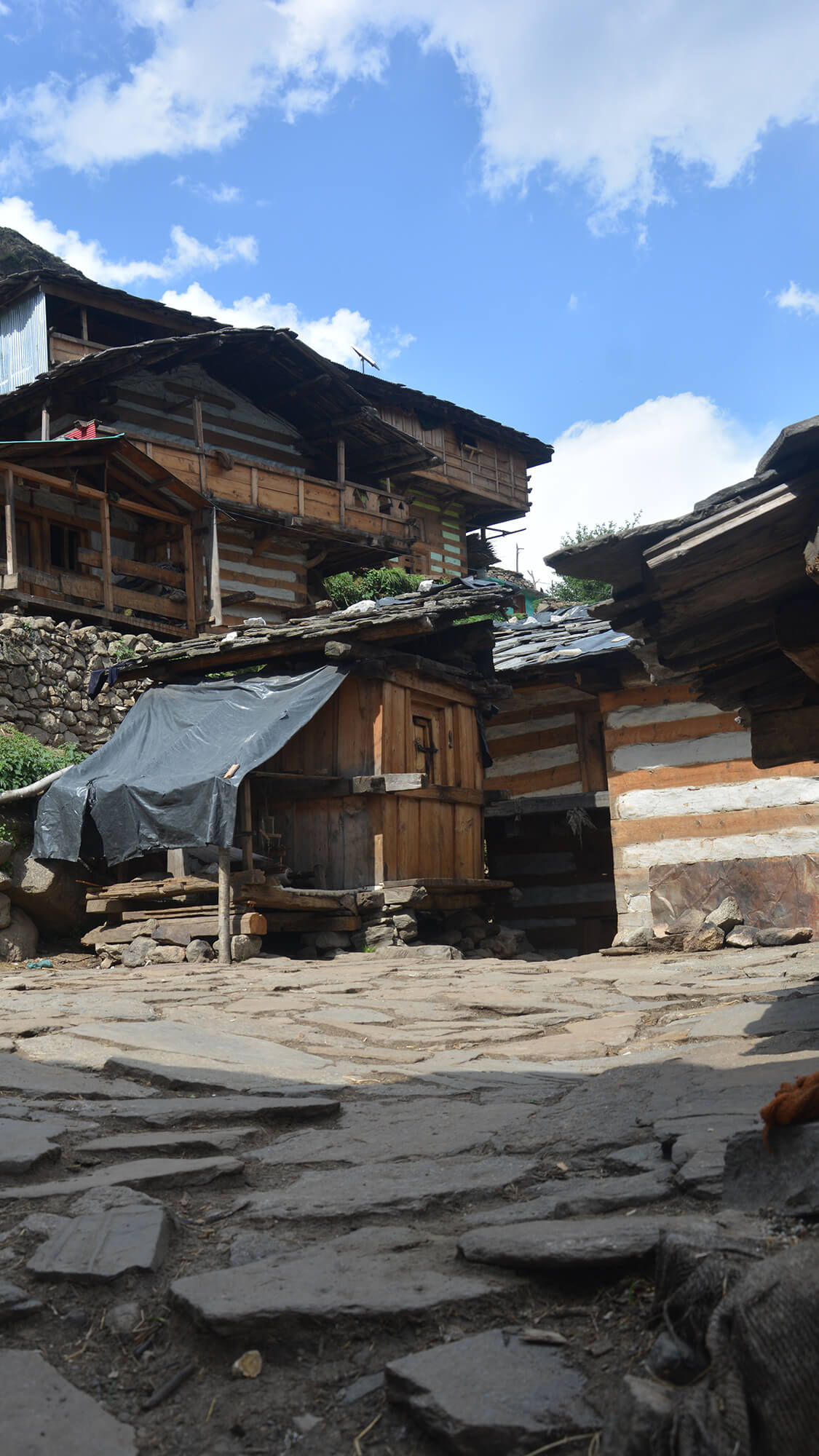
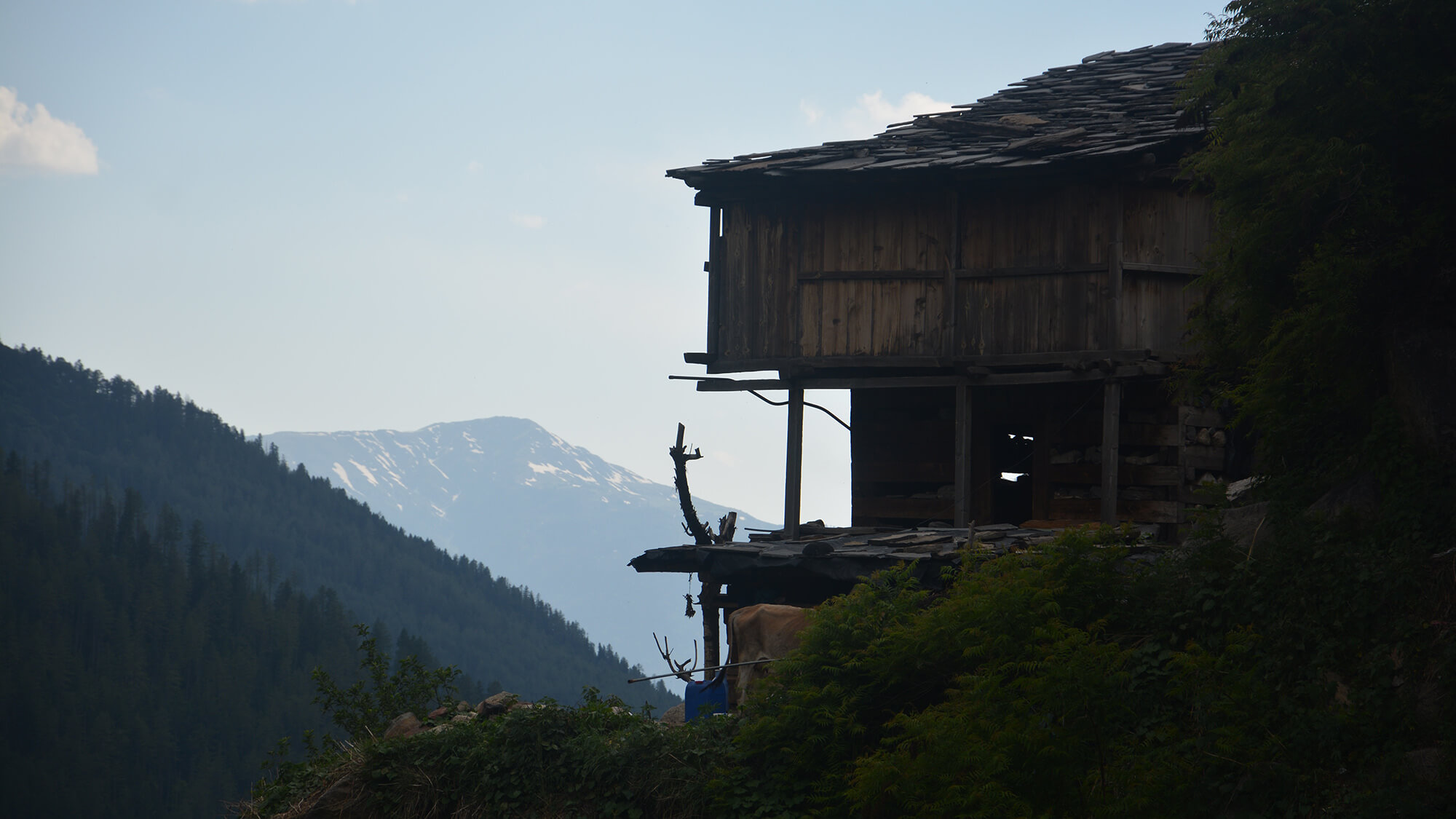
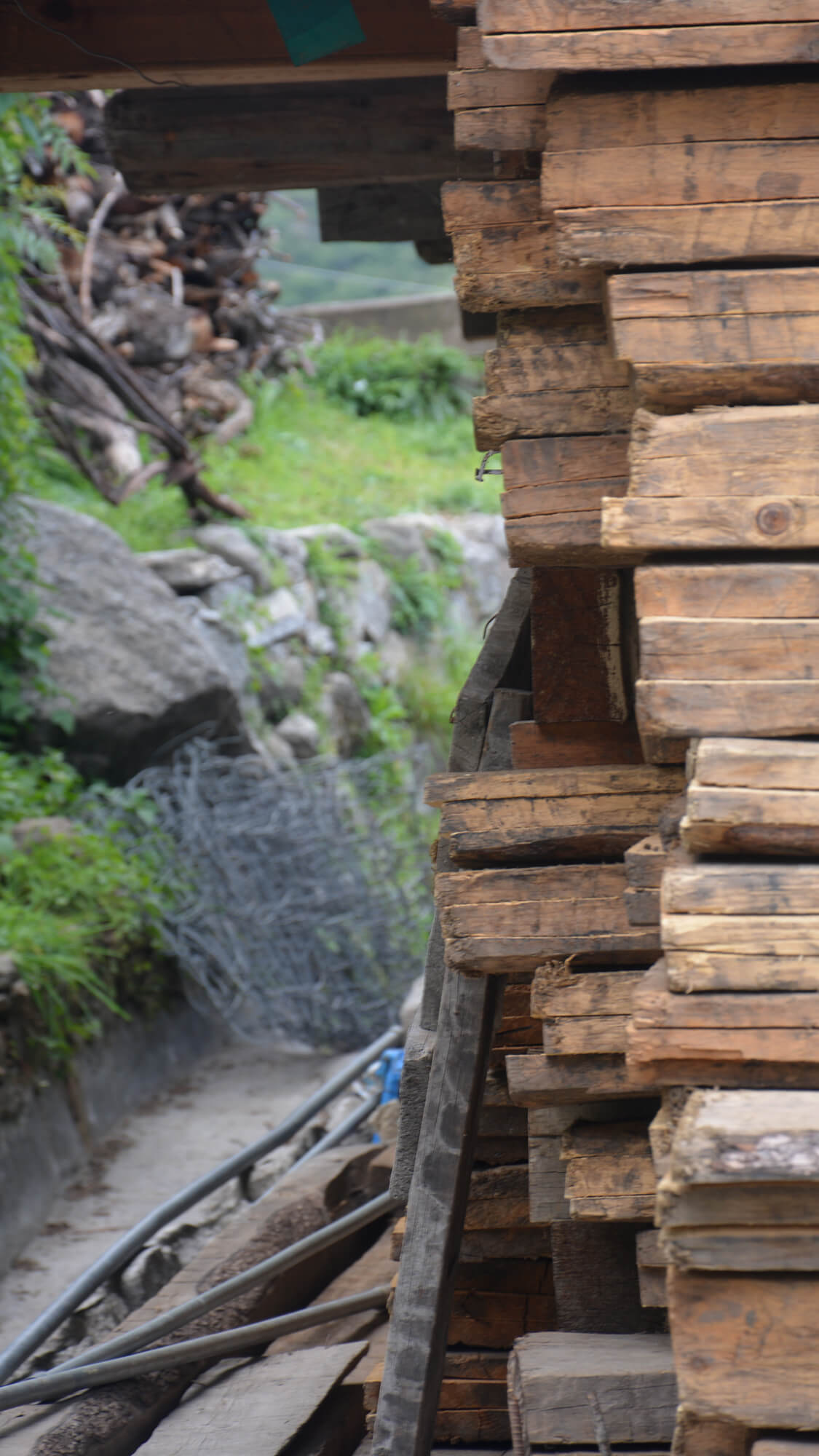
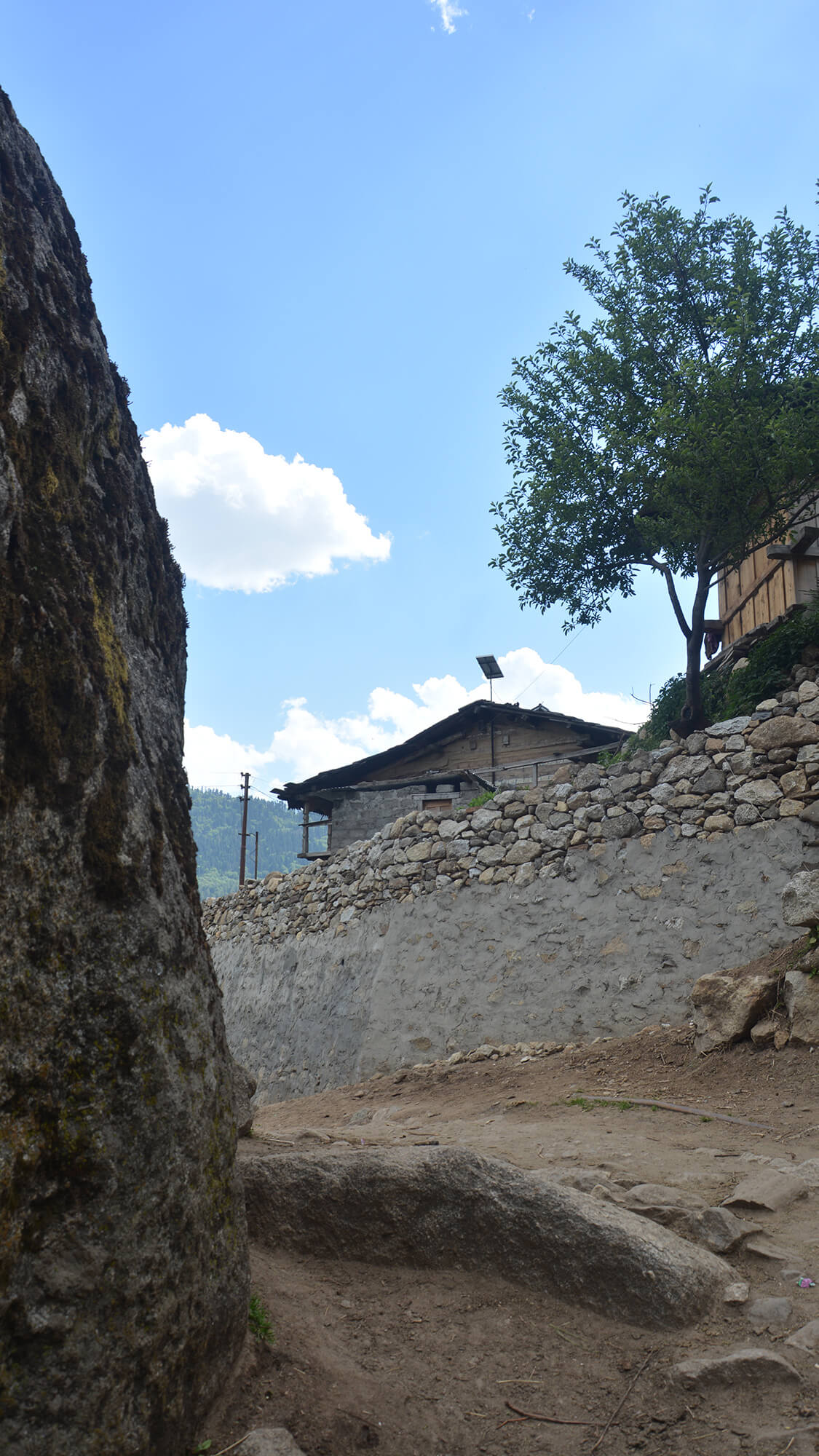
The wooden houses, with stone plinths and slate roofs, were built using materials sourced from the surroundings. Perhaps this was why they merged so seamlessly with the hills—both becoming part of each other.
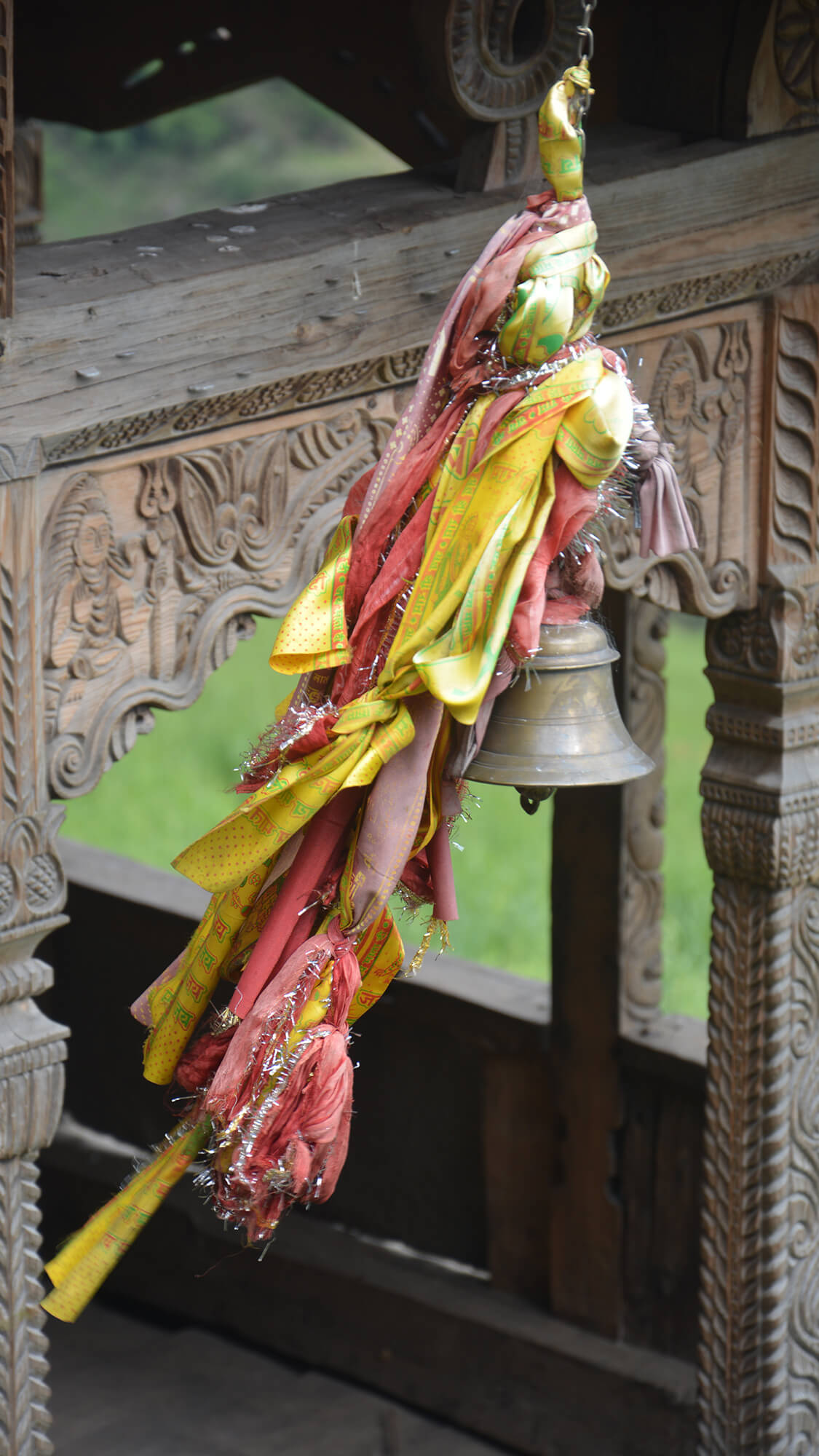
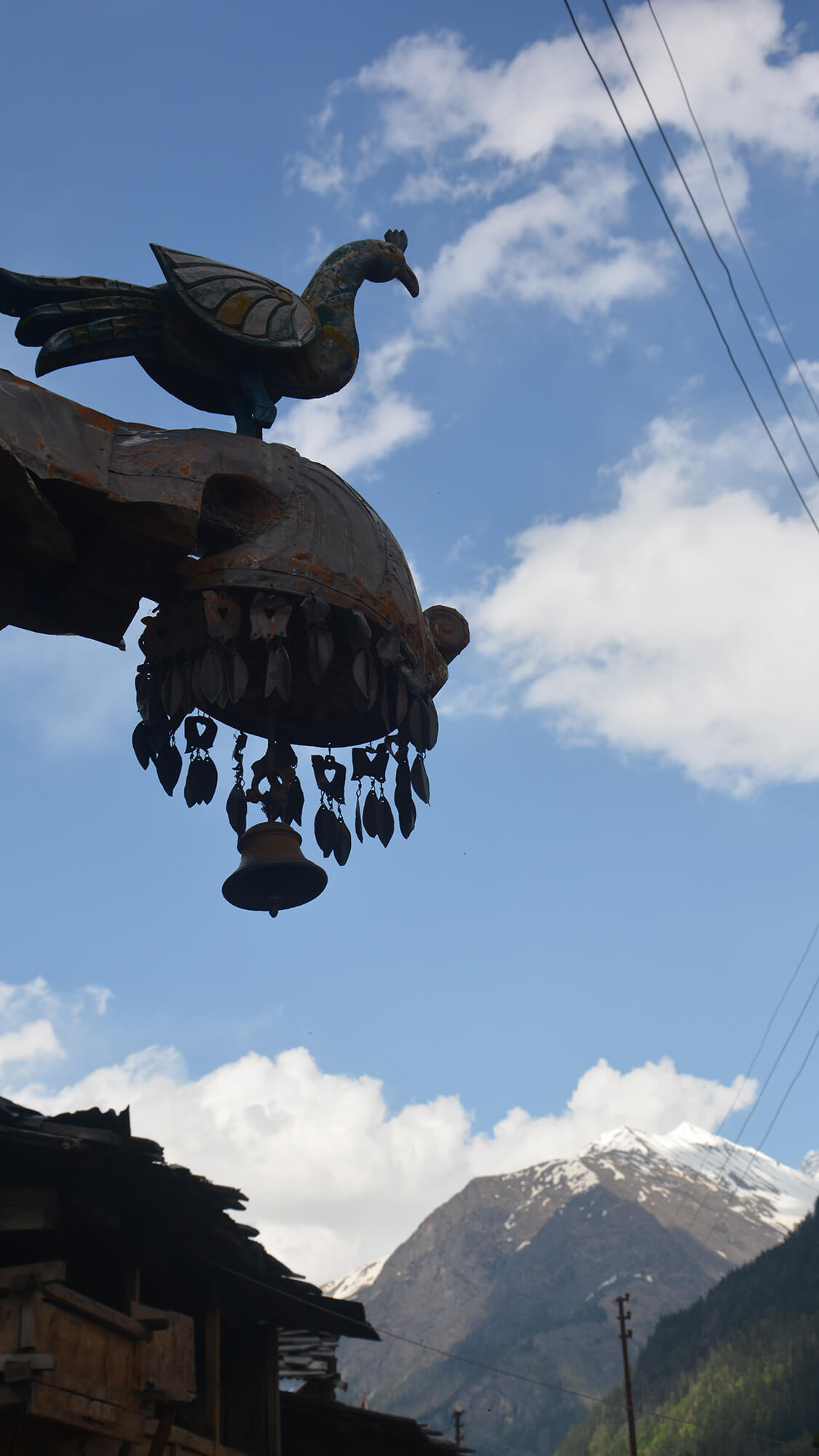
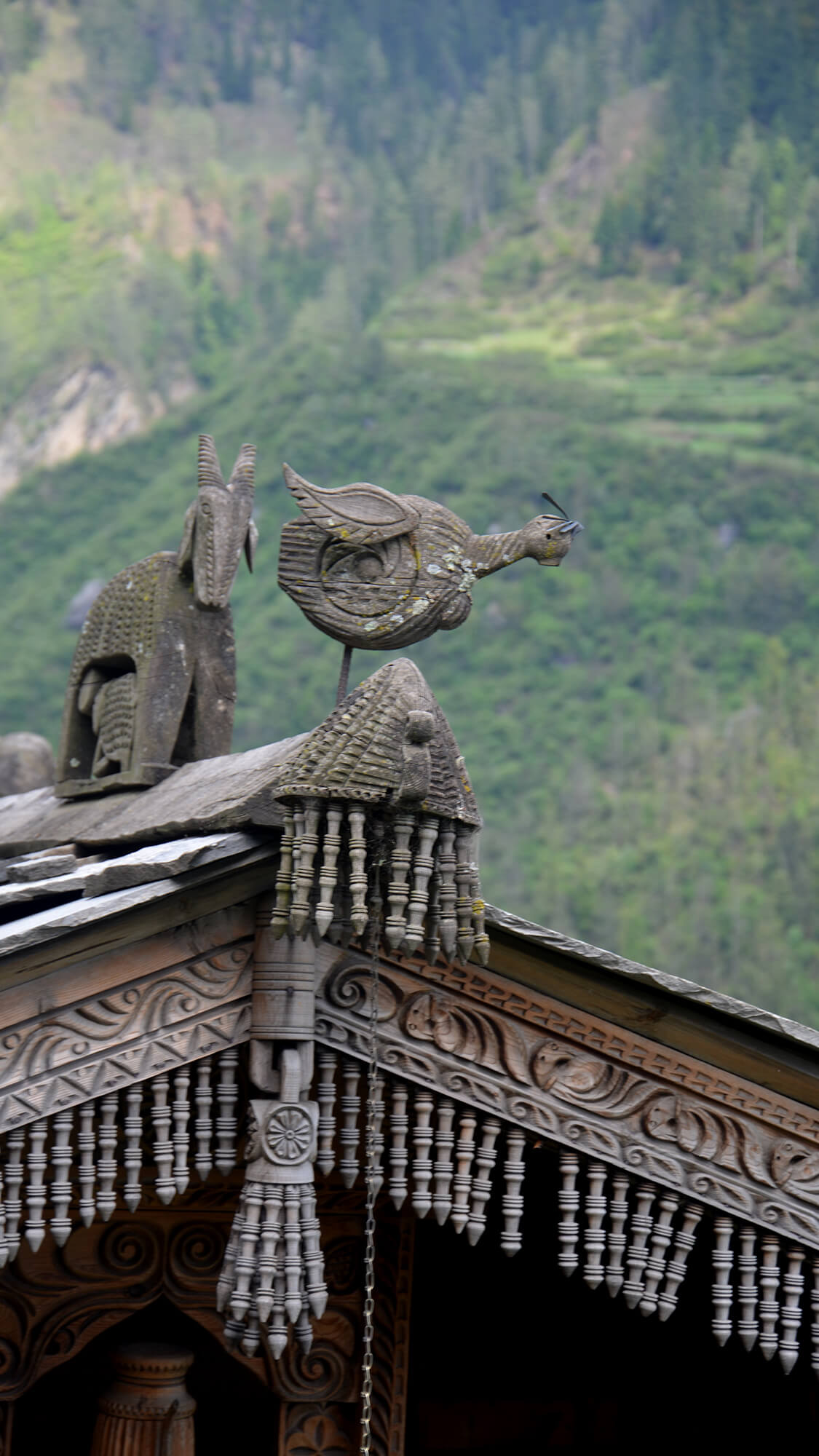
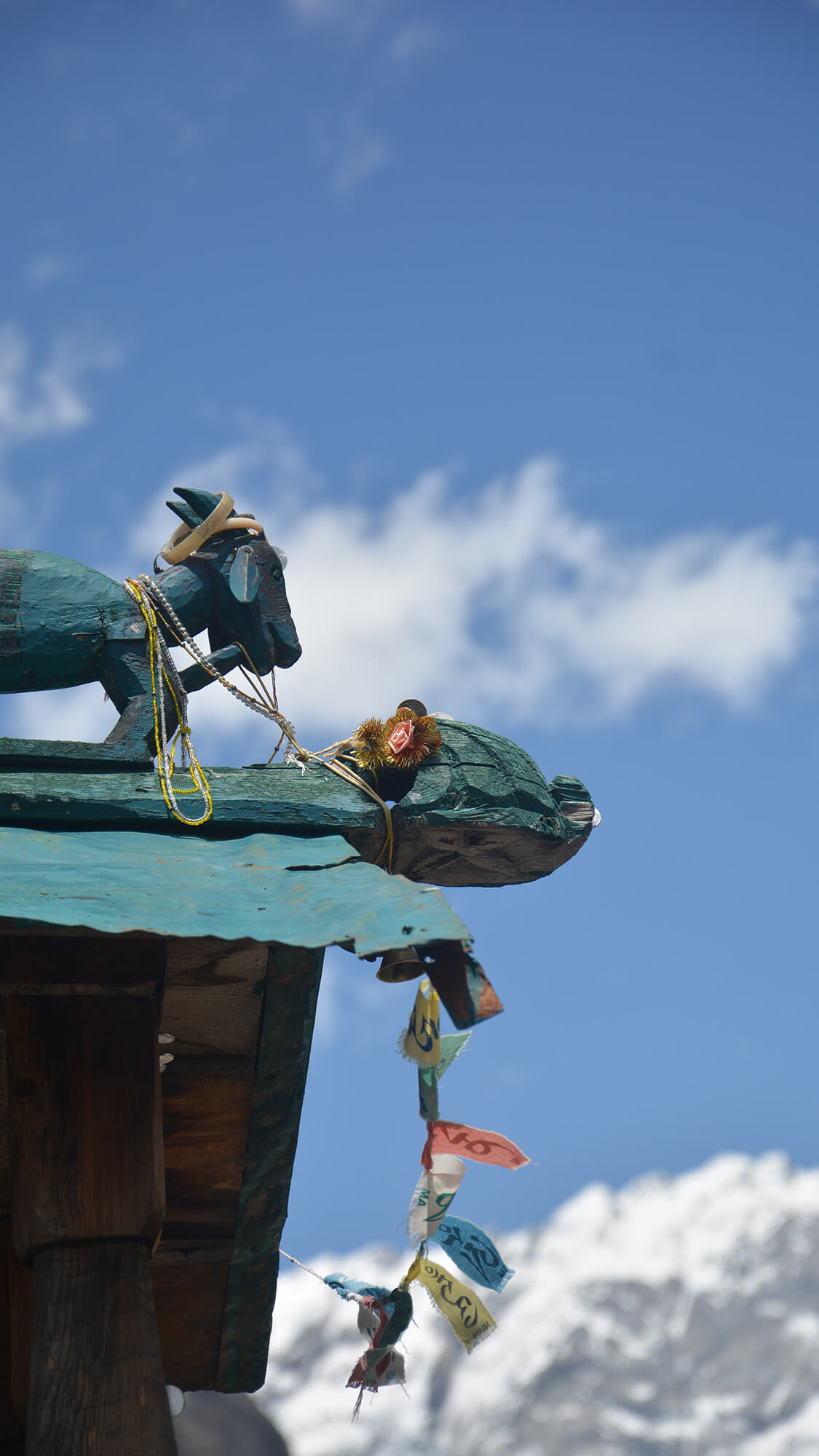
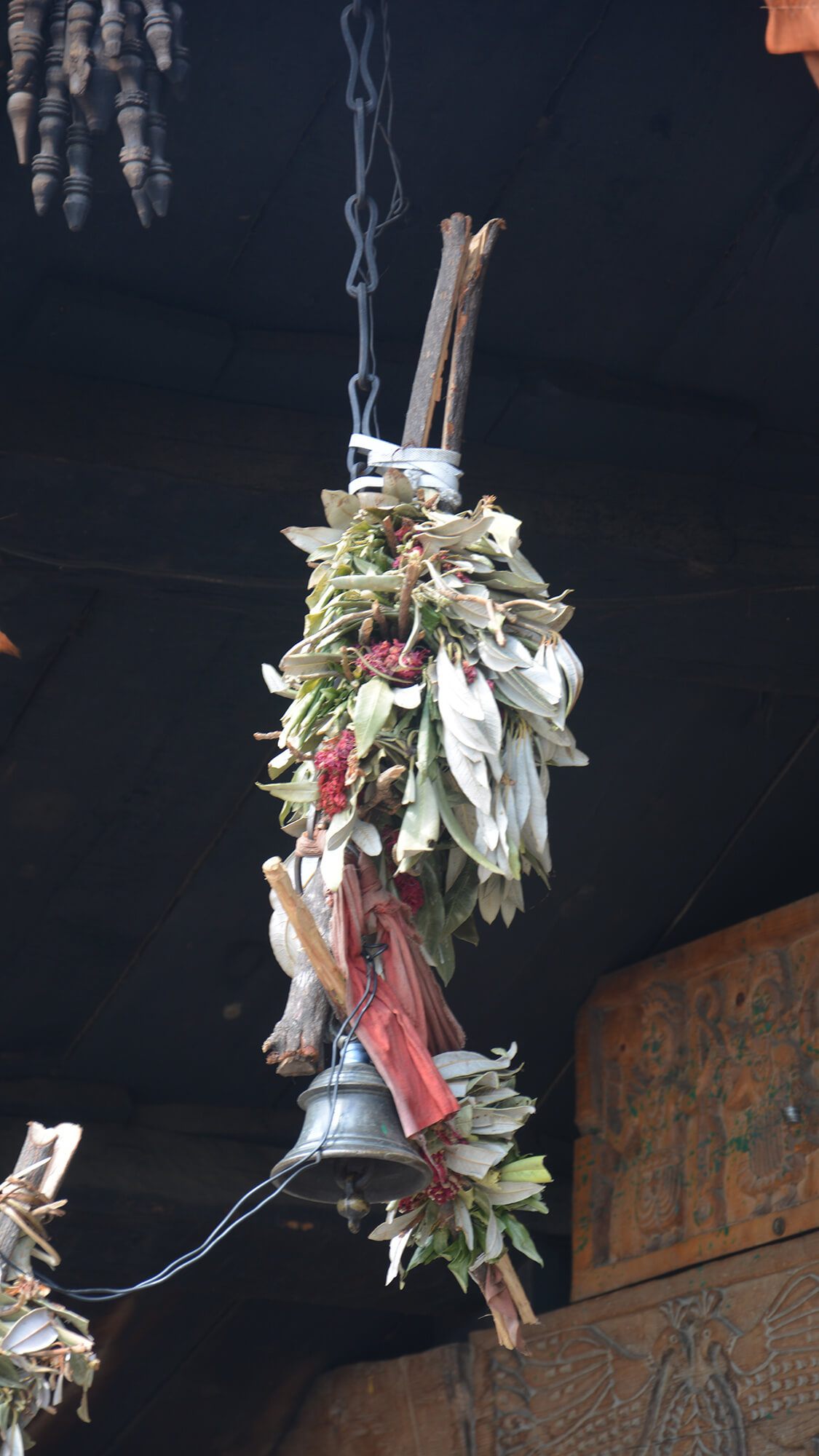
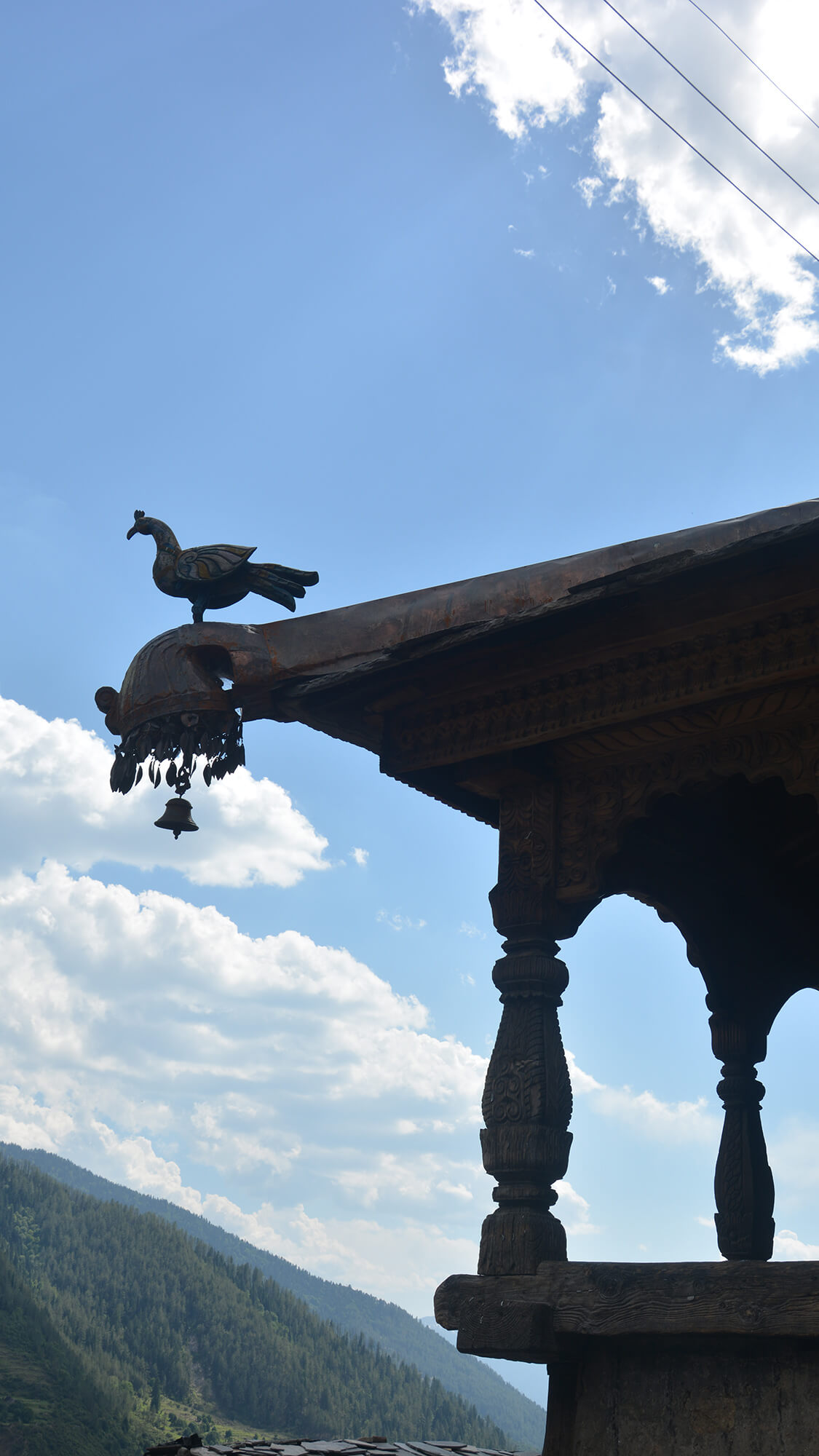
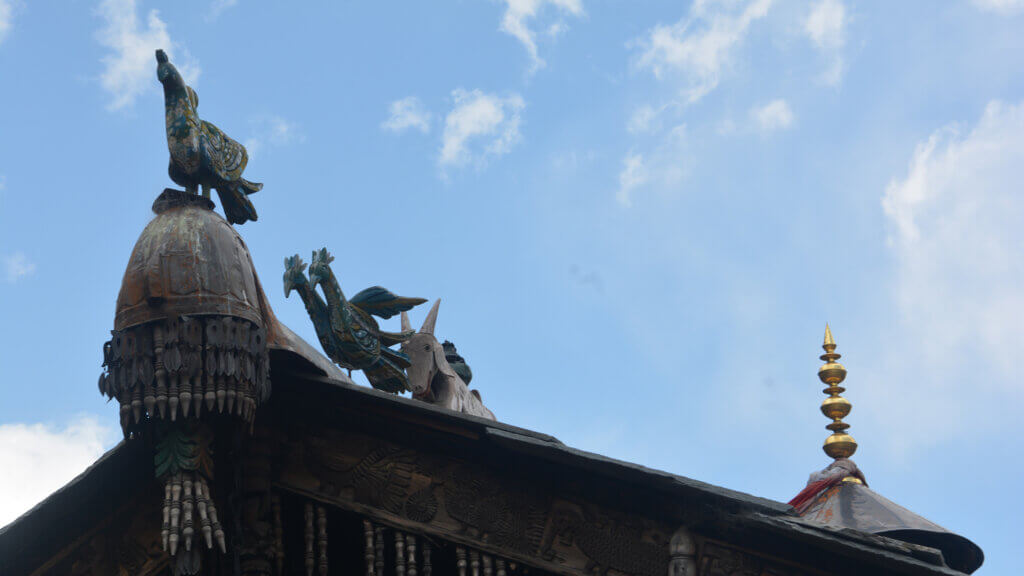 As we walked further, we came across the main square around the beautifully carved Someshwar Temple. Local symbols of goat and peacock adorned its roof.
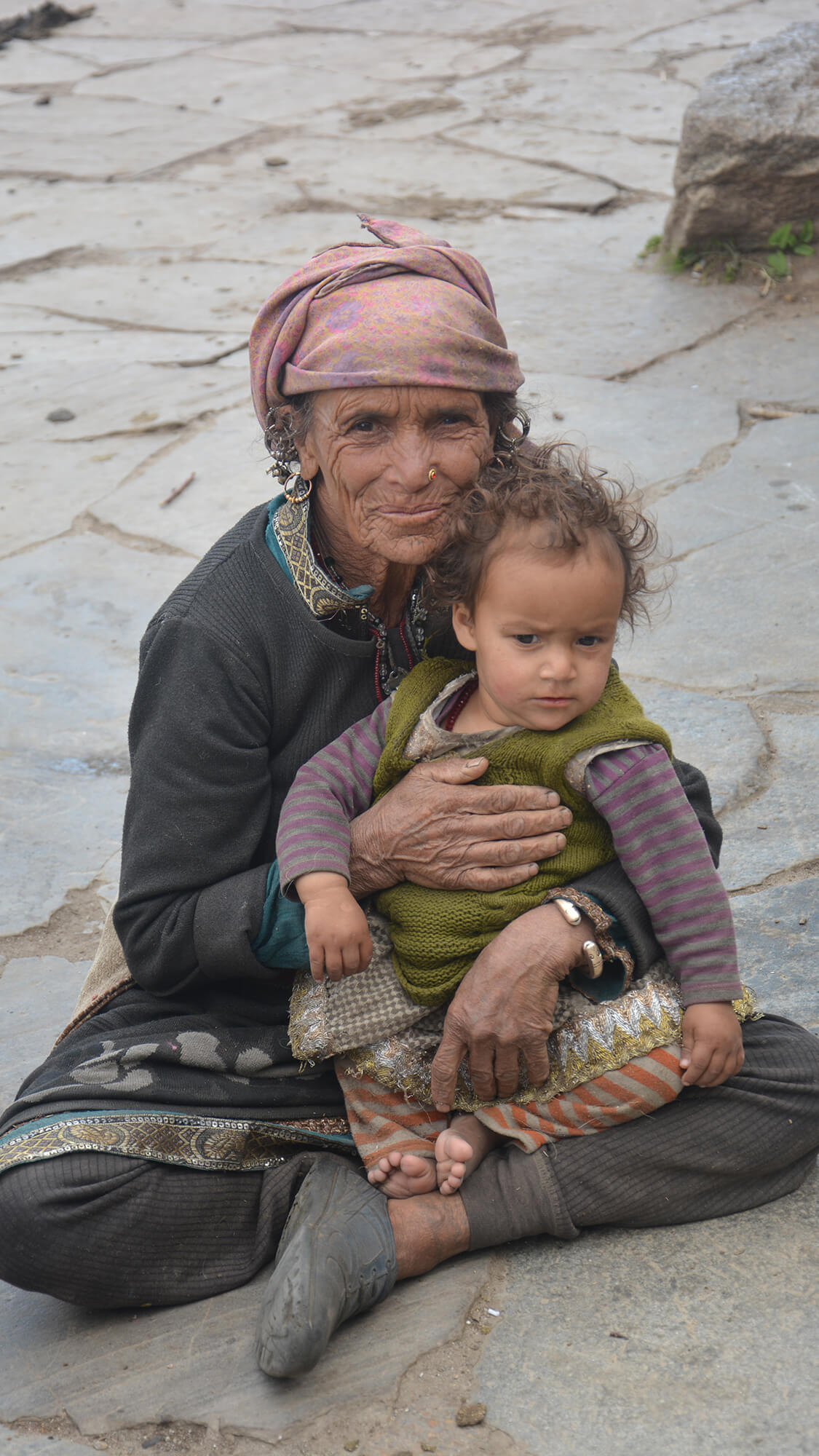
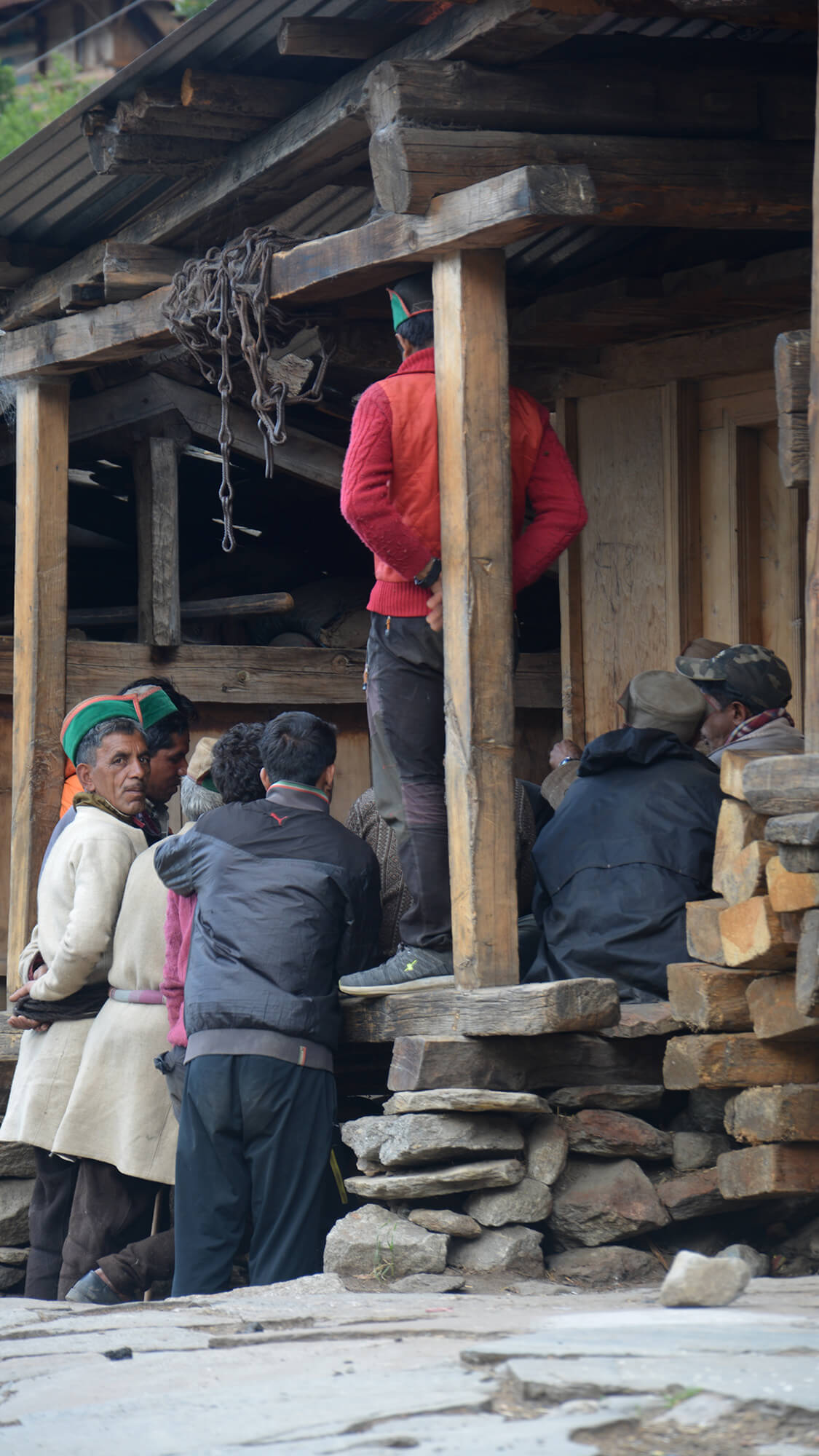
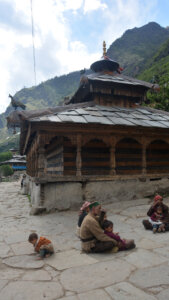 Men spent their time here, chatting and curiously watching visitors pass by. Women sat holding their grandchildren in their laps, while other children played, ran, and laughed around them. Steps connected lanes, and lanes opened into community spaces. These open spaces, surrounded by houses, held shared moments—women chatting, working, and cooperating.
A descent down a series of steps led us into the attic of one house, while another set opened onto a terrace. One lane took us to the mountain’s edge, another into the heart of the settlement. Moving through these steps and lanes became a playful exploration of the village, drawing us in and familiarising us with its many nooks and corners.
In Osla a roof is not just a shelter; it could be a neighbour’s terrace. Here privacy is surrendered to the warmth of community living.
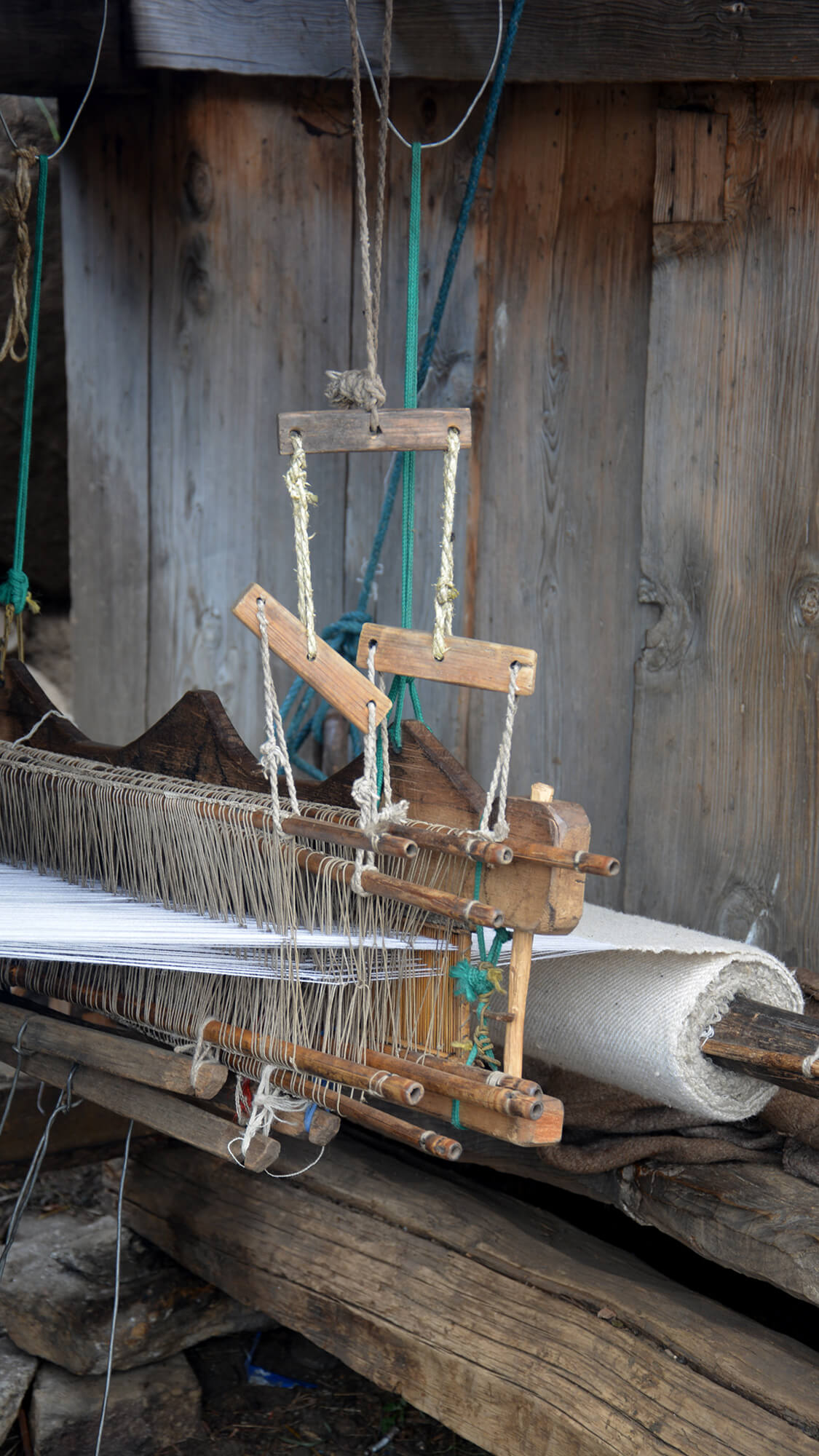
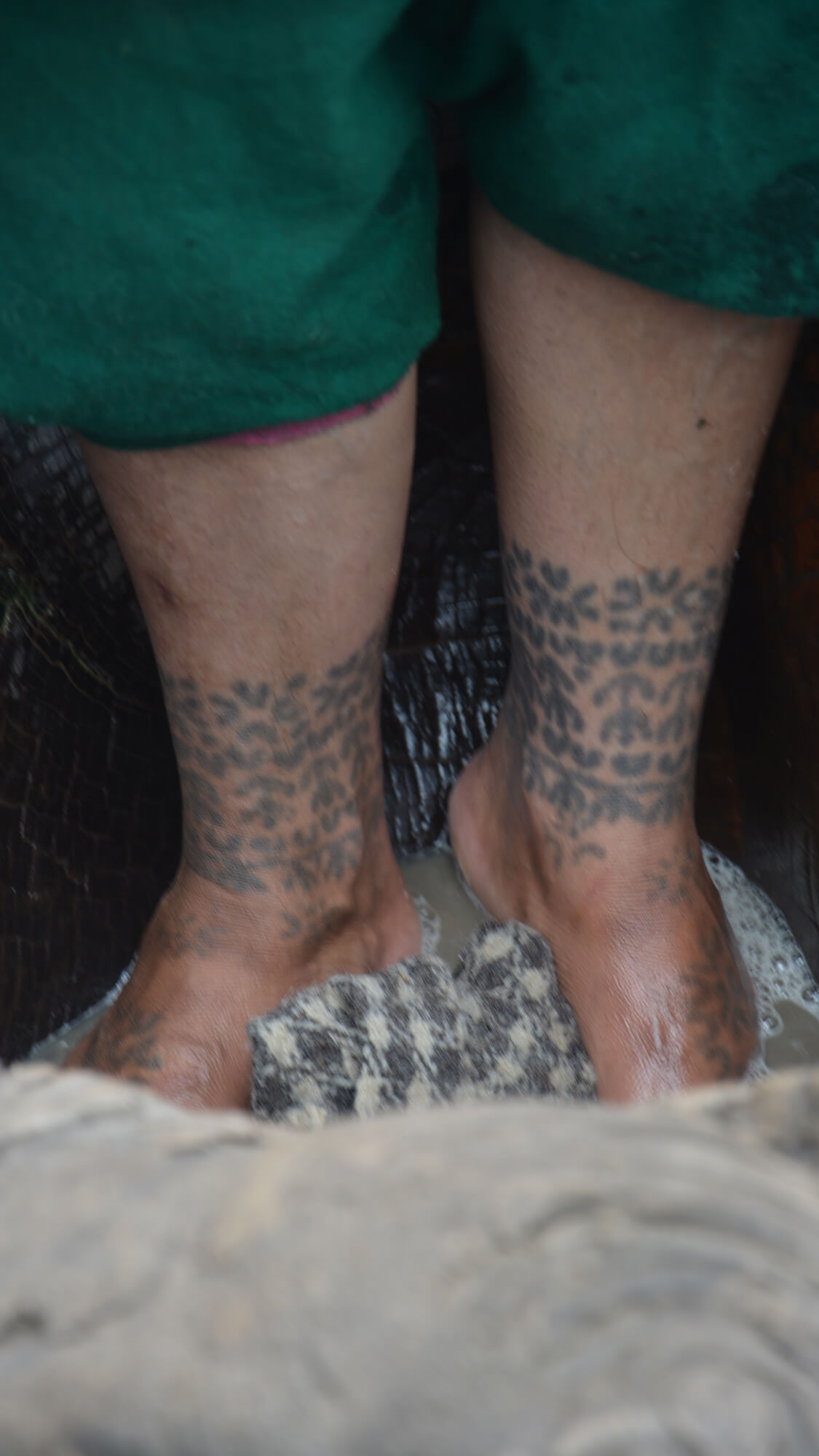
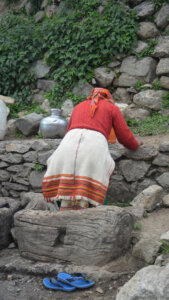 A shared handloom in a common area and a communal washing space along one of the lanes revealed a great deal about the community’s collective way of life. A school at an unexpected junction spoke of aspiration and endeavour. Men and women went on with their lives, sharing hardships in their own stride. I saw a woman walking with a load on her back, holding her child’s hand.
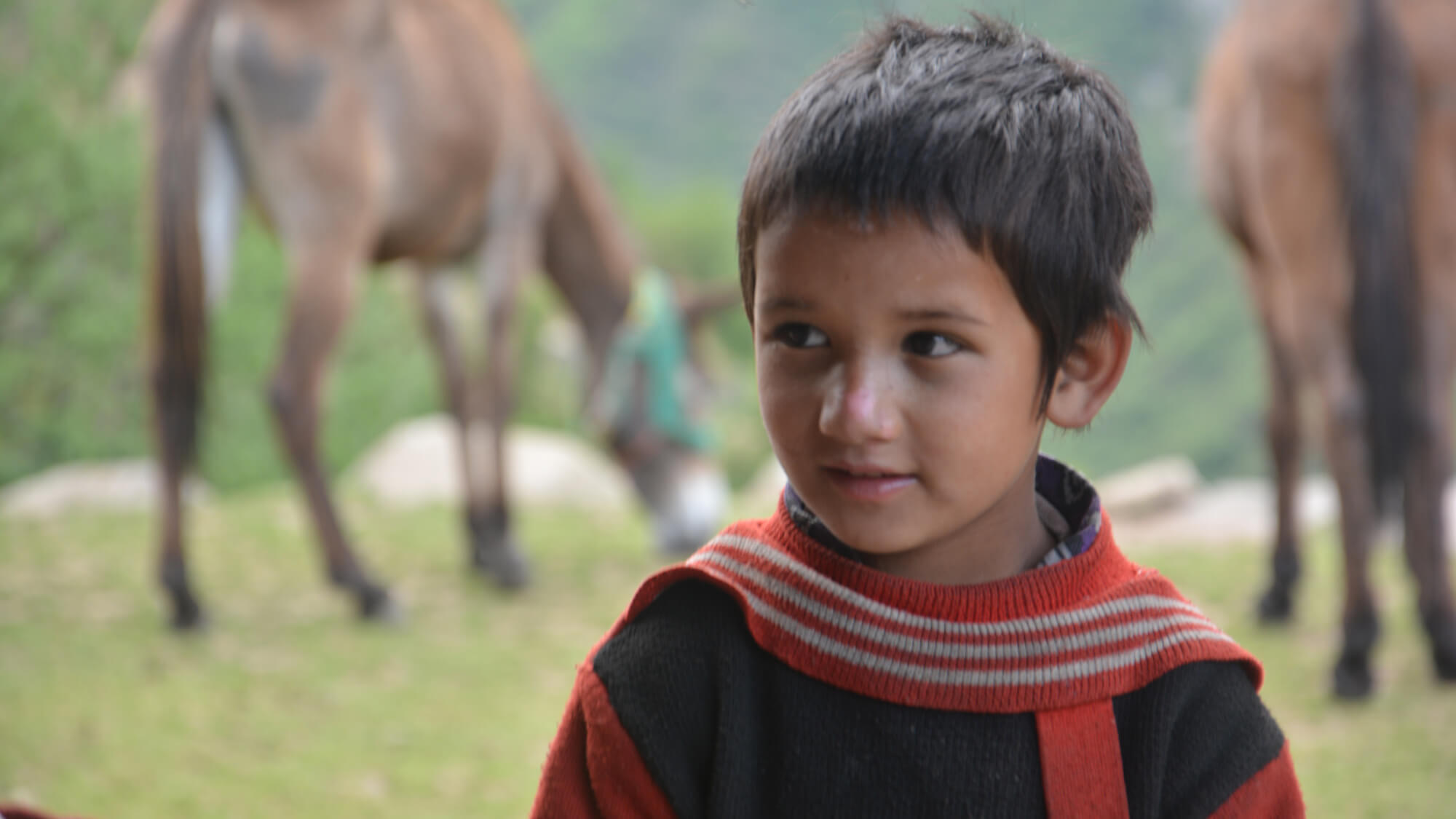
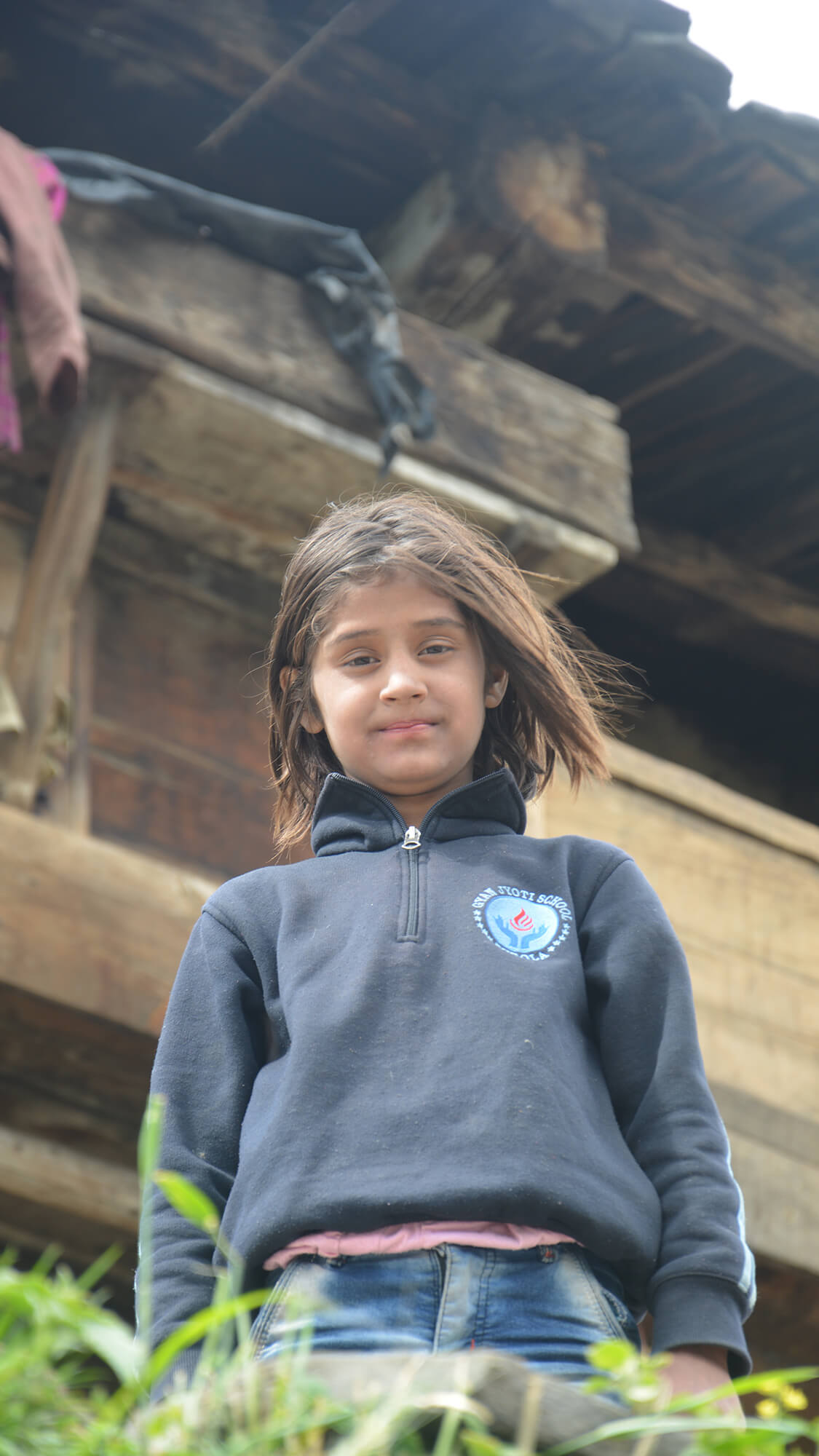
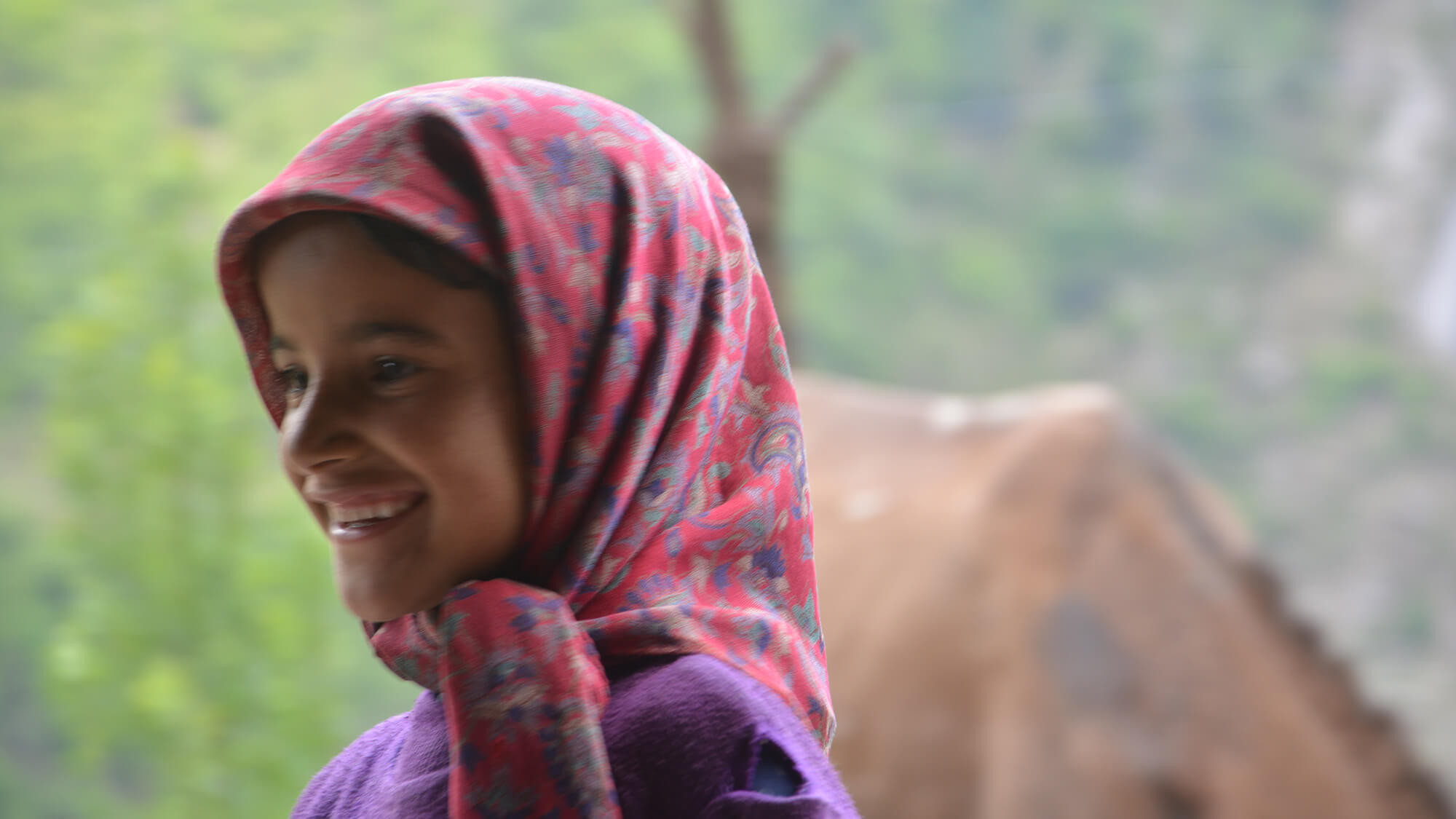
We met a girl in one of these lanes, confident and chirpy. She told us about how happy she was to be back to her village for holidays and how she enjoyed studies at Dehradun. This told me so much about the aspirations – and the grounding – of the people.
Here the old and the new coexisted harmoniously.
Still and Present: What Stays With Me
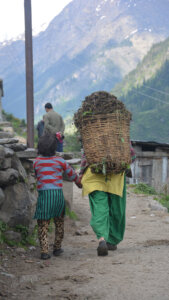 The settlement was shaped more by the idea of community living than by privacy. I believe this was necessitated by the extreme weather they face and the demanding surroundings in which they live. And it did make for a cohesive society. They seemed at peace with their environment, carrying an understanding that comes from innocence and acceptance. Their endurance, their daily struggle for survival humbled me.
The thought that I—an urban woman—had been tested for stamina, had somewhat succeeded, and could relate, even briefly, to these people made me smile. Contrasting the structured privacy and quiet coldness of my city life with the shared, vulnerable warmth here made me reflect.
Respect for the surrounding mountains, forests, valleys, and rivers comes to these people naturally. They are the keepers of these ancient mountains and valleys.
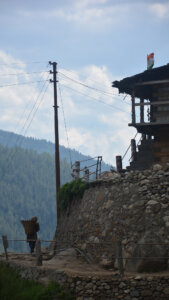
As we walked away from Osla and the valley slowly receded behind us, I carried with me more than memories of a trek. I carried lessons in humility, endurance, and coexistence—quiet teachings offered not through words, but through mountains, rivers, and lives lived in harmony with them. Har Ki Dun did not just test my body or lift my spirits; it gently altered my way of seeing.